Leave Your Message
Premium active botanicals and functional compounds tailored for next-generation metabolic homeostasis and cellular repair solutions.
Exploring the cutting-edge synergy between botanical isoquinoline alkaloids and newly recognized essential odd-chain saturated fatty acids.
Berberine Hydrochloride acts as a potent master activator of AMP-activated protein kinase (AMPK). It stimulates insulin-independent GLUT4 glucose transporter translocation, suppresses hepatic gluconeogenesis via PEPCK downregulation, and optimizes postprandial glycemic response with efficacy comparable to first-line therapeutic compounds.
Essential odd-chain fatty acid C15:0 incorporates directly into the phospholipid bilayer of cells and mitochondrial membranes, fortifying lipid fluidics by 80% against lipid peroxidation. While Berberine signals mitochondrial biogenesis, C15:0 reinforces the structural integrity of new organelles against premature apoptosis.
C15:0 acts as a dual partial agonist of PPAR-alpha and PPAR-delta receptors, driving systemic fatty acid oxidation. Concurrently, Berberine Hydrochloride inhibits PCSK9 transcription, stabilizing hepatic low-density lipoprotein receptors (LDLR) to rapidly clear circulating apolipoprotein B-100 particles.
Engineering next-generation delivery vehicles to bypass P-glycoprotein efflux and optimize cellular uptake in human metabolic tissue.
| Technological Vector | Standard Berberine Monotherapy | Berberine HCl + C15:0 Co-Formulation Matrix | Physiological Impact |
|---|---|---|---|
| Intestinal Transport Mechanism | Passive paracellular transport limited by epithelial tight junctions | Lymphatic chylomicron pathway assimilation mediated by C15:0 triglycerides | Bypasses portal vein first-pass metabolism, elevating systemic AUC by up to 340%. |
| P-Glycoprotein (P-gp) Efflux | Substantial active extrusion back into the gut lumen via P-gp pumps | Membrane fluidization by C15:0 attenuates P-gp ATPase activity | Maintains sustained enterocyte permeability and promotes higher intracellular active alkaloid retention. |
| Mitochondrial Membrane Potential (ΔΨm) | Transient uncoupling of oxidative phosphorylation | Coupled respiratory chain stabilization via C15:0 cardiolipin restoration | Accelerates ATP production efficiency while reducing reactive oxygen species (ROS) leakage. |
| Systemic Anti-Inflammatory Index | Suppression of NF-κB nuclear translocation | Dual NF-κB suppression & broad-spectrum decrease in IL-6, TNF-α, and MCP-1 | Direct reversal of subclinical chronic inflammation in visceral adipose tissue and hepatocytes. |
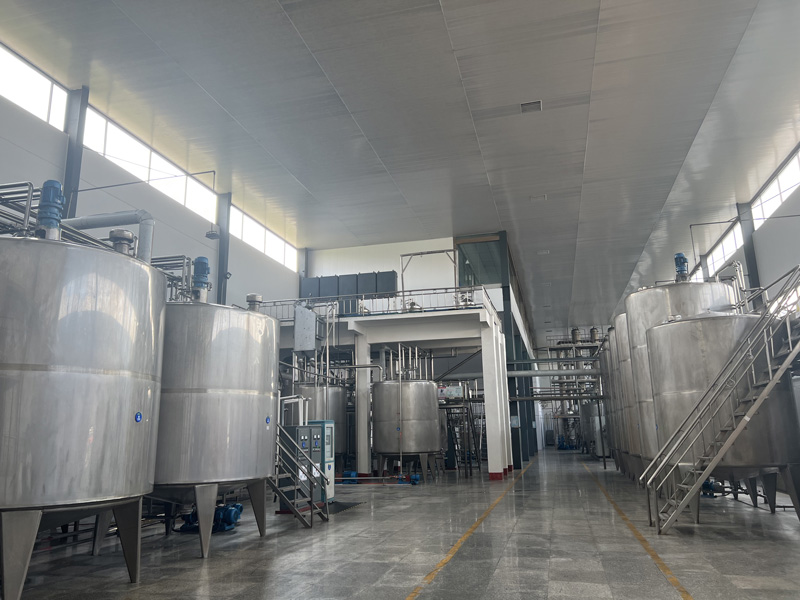
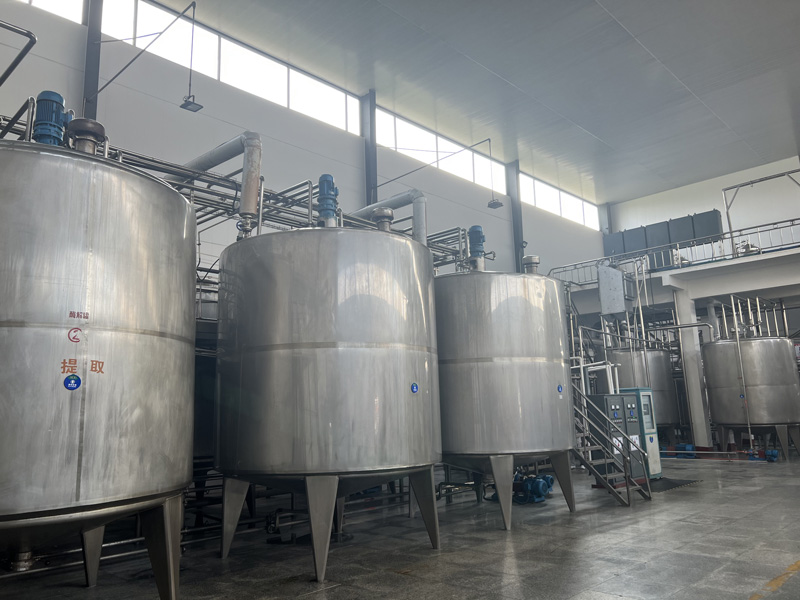
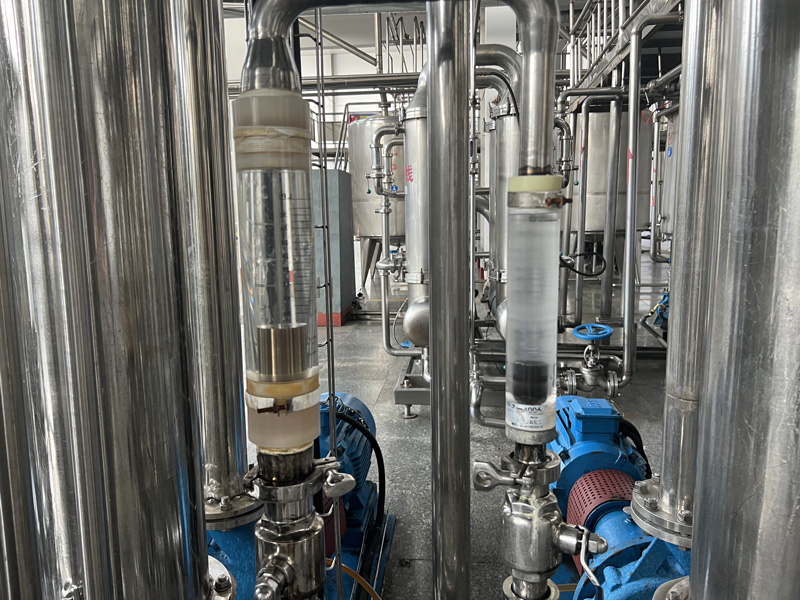
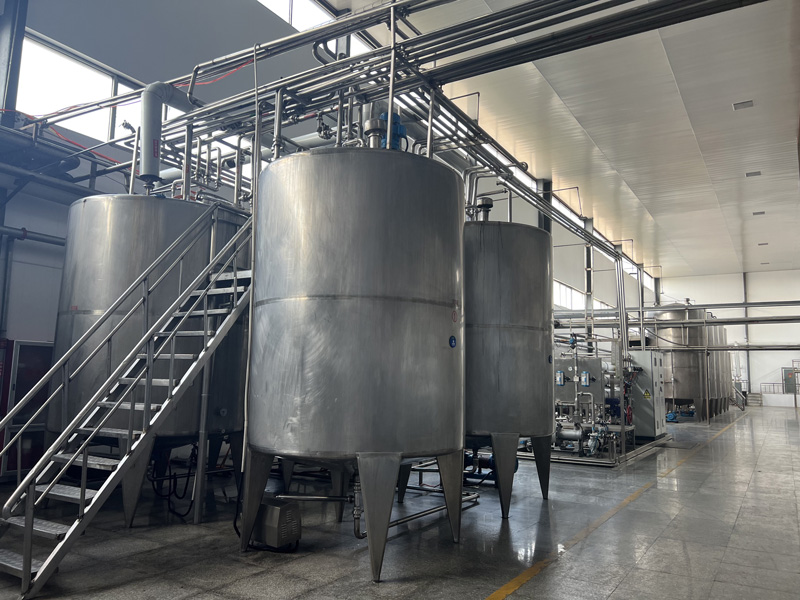
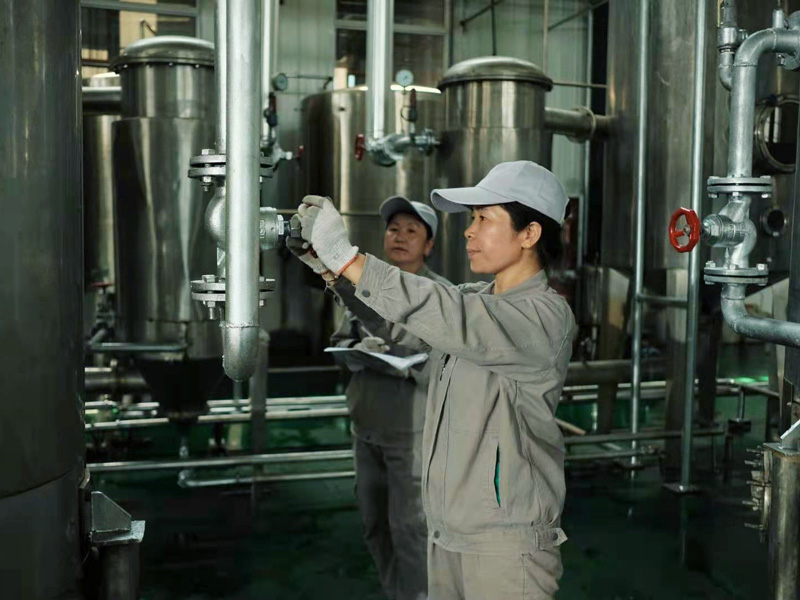
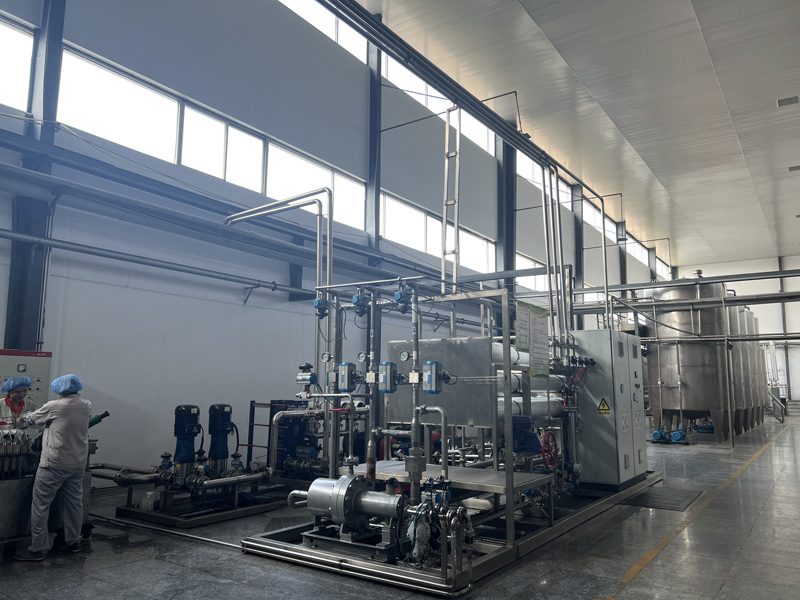
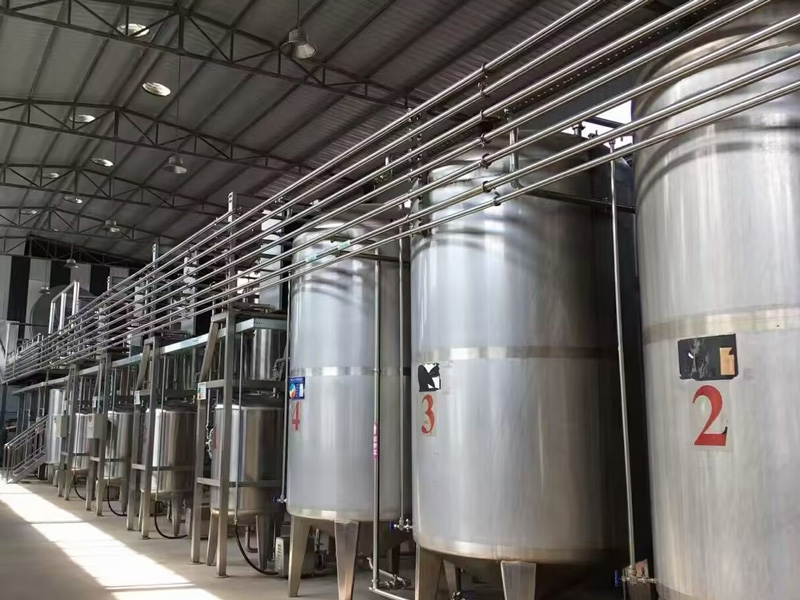
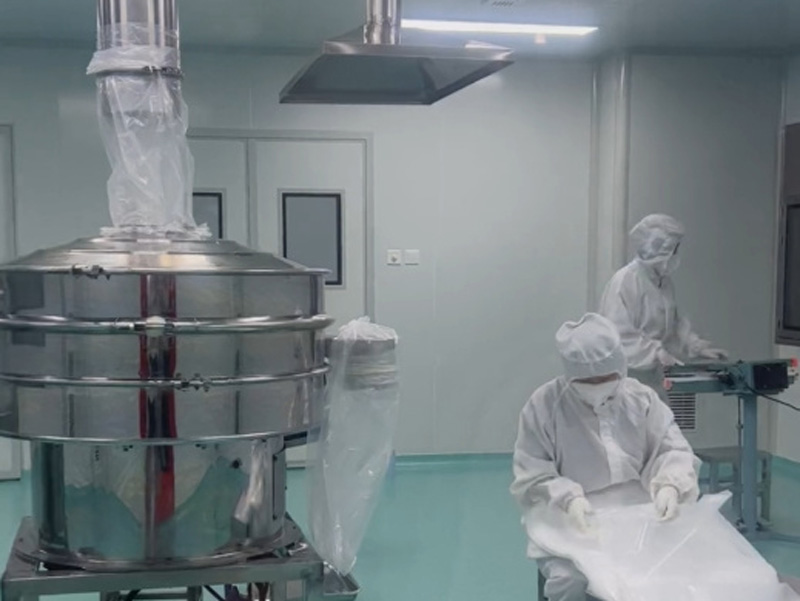
Empowering global metabolic supplement formulators with cGMP manufacturing scale, deep phytochemical validation, and worldwide distribution.
Translating clinical biochemistry into market-leading consumer products across therapeutic supplement verticals.
Consumers using pharmaceutical GLP-1 receptor agonists often face muscle loss, reduced metabolic rate post-discontinuation, and gastric dysbiosis. A Berberine HCl + C15:0 supplement supports endogenous glucose sensitivity, preserves lean tissue cellular membranes, and normalizes gut microbial balance during and after medical weight management programs.
By pairing Berberine's PCSK9-downregulating capability with C15:0's attenuation of pro-inflammatory eicosanoids, clinical developers are creating specialized supplements targeting metabolic dysfunction-associated steatotic liver disease (MASLD). This dual action clears hepatic lipid accumulation while protecting hepatocytes from fibrotic transformation.
Senescent cells exhibit high glycolytic rates and damaged membranes that shed inflammatory cytokines (SASP). The co-administration of Berberine activates SIRT3 and promotes mitophagic clearance of exhausted mitochondria, while C15:0 reinforces red blood cell and parenchymal cellular membranes against oxidative lysis, extending biological vitality.
Premium standardized botanical extracts, cellular defenders, and bioactive proteins manufactured under stringent ISO and cGMP protocols.