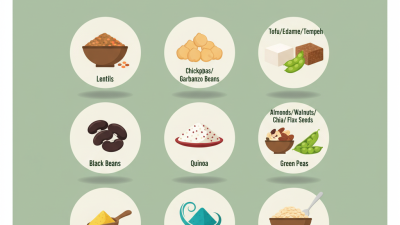
So, as we look ahead to the 2026 sports nutrition scene, it’s pretty clear that the trend is leaning toward cleaner formulas, more solid evidence backing claims, and being transparent about what's in the products. In this guide, we’ll take a practical, science-based look at the Best Ingredients for Sports Nutrition Supplements — focusing on what really supports your training energy, muscle recovery, hydration, and everyday performance.
You’ve probably heard Dr. Asker Jeukendrup, a well-respected sports nutrition scientist and founder of Mysportscience, say something like, “Nutrition isn’t the only thing that matters, but it’s definitely one of the key pieces.” That’s still true. No supplement can replace good sleep, a balanced diet, consistent training, or proper medical advice. But when you get the dose, timing, and goal right, they can definitely give you a boost.
This discussion will dig into proven Sports Nutrition Ingredients— including creatine monohydrate, top-quality protein, carbs, electrolytes, caffeine, and specific amino acids. Each of these deserves a closer look. Creatine, for example, might help you push through repeated high-intensity efforts. Protein is key for building and repairing muscle. And electrolytes become super important during long workouts and when you’re sweating buckets.
But, just because an ingredient is trending doesn’t mean it’s guaranteed to perform. Some products make pretty impressive-sounding claims but don’t back them up with real evidence or clear serving info. That’s a real issue. Plus, even the best-researched ingredients can work differently for each person. So, I’ll be paying close attention to the quality of research, proper dosing, purity, third-party tests, allergen controls, and whether the labels are honest.
Brands like Glanbia Performance Nutrition and Optimum Nutrition show us how good formulation and quality controls build trust with consumers. Still, a good reputation isn’t everything. It’s worth checking certificates, testing policies, and whether the products meet local regulations. And honestly, the best formula isn’t always the one with the most ingredients. Sometimes, simpler labels with fewer ingredients actually make a lot more sense.
All in all, it’s about being informed and making smarter choices — because in sports nutrition, knowing what’s really in your supplement makes all the difference.
2026 Top Best Ingredients for Sports Nutrition Supplements
What Makes an Ingredient Effective in Sports Nutrition Supplements
An effective ingredient needs more than a popular label. It needs human evidence, a useful dose, and a clear biological purpose. The ISSN position stand reports that most exercising adults benefit from 1.4–2.0 grams of protein per kilogram of body weight daily. This range supports muscle repair when training and total diet are properly matched. Ingredient quality also depends on testing, stability, absorption, and transparent labeling.
Carbohydrates show a similar pattern. The International Olympic Committee consensus report recommends individualised carbohydrate intake around training demands. During prolonged exercise, athletes may use roughly 30–60 grams per hour. However, tolerance varies. A formula that performs well in a laboratory may cause stomach discomfort during a hard session. That detail is easy to miss. Search terms like Best Hydrolyzed Keratin For Hair may attract attention, but keratin is not established as a sports-performance ingredient. Claims must match the evidence.
Tips: Check the studied dose, not only the ingredient name. Look for independent contaminant testing and published human trials. Test one new ingredient during training, never before competition. A simple food diary can reveal whether a supplement fixes a real gap. It may also expose poor sleep or low energy intake, which supplements cannot fully repair. Even professional decisions deserve review. Evidence changes, and some attractive ingredients still have limited long-term data.
Carbohydrates remain a practical fuel source for hard training. Oats, rice, potatoes, and fruit can replenish muscle glycogen after demanding sessions. A useful meal may combine rice with lean protein two to three hours before exercise. During longer training, easily digested carbohydrates can help maintain energy. Individual tolerance still matters.
Protein supports muscle repair and adaptation. High-quality sources include eggs, dairy, fish, soy, beans, and poultry. Many athletes benefit from spreading protein across several meals instead of eating it all at night. A serving after training is convenient, but total daily intake matters more. I have seen people overvalue timing and overlook consistency.
Dietary fats support hormone production, cell health, and sustained energy. Nuts, seeds, olive oil, avocado, and fatty fish provide useful options. However, very high-fat meals before intense exercise may feel heavy. Hydration also affects strength, focus, and recovery, especially in heat. Water may be enough for short sessions, while electrolytes can help during prolonged sweating.
Botanical Food Supplements may complement a balanced diet, but they cannot replace macronutrients. Ingredients such as ginger or beetroot are studied for specific performance-related effects, yet results vary. Choose products with transparent labels and independent quality testing. Athletes should review ingredients with a qualified professional, particularly when managing a medical condition. More is not always better.
In 2026, sports nutrition supplements should support hydration before chasing extreme performance claims. Water alone may not replace minerals lost through heavy sweating. Sodium is especially important during long sessions, hot-weather training, and visibly salty sweat. Potassium and magnesium also help maintain normal muscle and nerve function, although individual needs vary.
A practical electrolyte formula should disclose mineral amounts clearly. It should also avoid unnecessary stimulants and excessive sugar. During endurance exercise, athletes may benefit from small, regular carbohydrate servings, such as 30–60 grams per hour, depending on duration and tolerance. A few sips every 10–15 minutes can feel easier than drinking a large volume at once. Overhydration is possible, too.
Botanical Dietary Supplements may include evidence-informed ingredients such as beetroot compounds or ginger extracts. Their effects can differ with dosage, timing, training status, and digestion. “Natural” does not automatically mean effective. It does not mean risk-free, either. Quality depends on accurate labeling, contaminant screening, and stable manufacturing practices. Independent testing adds confidence, but it cannot replace professional advice. A qualified sports dietitian can review sweat patterns, dietary intake, medical conditions, and competition rules. I would still test any new formula during training, not on race day. Some products taste fine at home but become unpleasant after two hours of heat and motion.
Recovery depends on training load, sleep, food intake, and individual health. Evidence-based Nutrition Ingredients can support muscle repair, but they cannot replace a balanced diet. Whey or other complete proteins provide essential amino acids, including leucine, which helps stimulate muscle protein synthesis. A practical target is 20–40 grams of protein after training, adjusted for body size and total daily intake. More is not always better.
Creatine monohydrate has strong evidence for improving strength and lean mass when paired with resistance training. It may also support repeated high-intensity efforts. Carbohydrates help restore muscle glycogen, especially after long sessions or double-training days. Omega-3 fatty acids may influence inflammation, but recovery results vary between individuals. I would avoid treating one study as final proof. Research is useful, yet real bodies remain complicated.
Tips: Choose ingredients with human clinical evidence and clear dosages. Check independent quality testing when possible. Mix protein with yogurt, oats, or fruit for a simple post-training meal. Drink enough fluids, and monitor digestion, sleep, and performance for several weeks. Stop if unusual symptoms appear. Ask a qualified healthcare professional about medications, pregnancy, kidney conditions, or other health concerns. Small details matter. Fancy stacks often distract from missed meals and poor sleep.
For 2026, sports nutrition formulas should support concentration as well as physical output. Caffeine remains one of the best-studied options for alertness, reaction time, and perceived effort. Individual tolerance matters. Too much can cause shaking, stomach discomfort, or poor sleep. L-theanine may create a smoother feeling for some users, but research on sports performance remains less consistent. Creatine supports repeated high-intensity work and may also benefit mental performance during demanding training periods. It works through daily use, not a dramatic pre-workout sensation.
Tips: Start with the lowest effective caffeine amount. Avoid late-evening use. Choose products with clear ingredient amounts and independent quality testing. Keep a simple training log. Record focus, sleep, heart rate, and workout output.
Beta-alanine can improve capacity during repeated hard efforts, although the familiar skin tingling is uncomfortable for some people. Citrulline may support blood flow and exercise comfort, yet results vary between studies and individuals. Electrolytes become more relevant during long sessions, heavy sweating, or hot conditions. Food, hydration, and sleep still influence training capacity more than any powder. That is easy to overlook. Personal testing should be gradual, especially for people with medical conditions or medication use. A qualified healthcare professional can help assess safety before regular supplementation.
2026 Top Best Ingredients for Sports Nutrition Supplements
Effective sports supplements begin with a clear purpose, not attractive packaging. Protein supports daily protein intake, while creatine monohydrate may improve repeated high-intensity performance. Electrolytes can help replace sodium lost through heavy sweating. Caffeine may support alertness, but sensitivity varies widely. Check the intended use, serving size, and total daily intake before buying. A qualified healthcare professional should review supplements when medications, pregnancy, kidney conditions, or heart concerns are involved. More is not always better.
Safety depends on dosage and quality controls. Choose products with clearly listed ingredients, standardized amounts, allergen information, and expiration dates. Reliable manufacturers should follow good manufacturing practices and test batches for identity, purity, heavy metals, microbes, and undeclared stimulants. A certificate of analysis is useful, but it should match the exact batch. Third-party verification adds confidence, though it is not a guarantee. I would question vague “proprietary blends.” They hide useful details. I also admit that ingredient research can change, and some promising claims remain uncertain.
Tips: Match the supplement to your training goal. Start with the lowest practical dose. Track sleep, digestion, hydration, and performance for two weeks. Avoid stacking several stimulant products. Keep the container sealed and stored away from heat. If the label feels confusing, pause before purchasing. A simple diet may be the better choice.
| Ingredient | Primary Sports-Nutrition Use | Typical Evidence-Based Daily Amount | Best Timing or Use Pattern | Potential Benefits | Key Safety Considerations | Quality and Label Standards | Supplement Selection Checklist |
|---|---|---|---|---|---|---|---|
| Creatine Monohydrate | Strength, power, repeated high-intensity exercise, and lean-mass support | 3–5 g daily. Optional loading: approximately 20 g daily, divided into 4 doses, for 5–7 days | Daily consistency is more important than exact timing. Take with food or a post-training meal if preferred. | Improves phosphocreatine availability and can support repeated sprint performance, strength, and training adaptations. | Water-weight gain is common. Use medical guidance if there is known kidney disease, pregnancy, or a relevant medical condition. | The label should identify creatine monohydrate and provide the amount per serving without undisclosed proprietary blends. | Prefer a single-ingredient powder, clear serving size, batch identification, contaminant testing, and an accessible certificate of analysis. |
| Caffeine | Alertness, endurance, high-intensity performance, and perceived-effort management | Approximately 1.5–3 mg/kg body mass for many users; higher amounts are not automatically better | Usually consumed 30–60 minutes before exercise. Avoid late-day use when sleep may be affected. | May increase alertness and improve performance in endurance and repeated high-intensity activities. | Possible effects include jitters, anxiety, rapid heartbeat, gastrointestinal discomfort, and insomnia. Healthy adults should generally keep total daily caffeine at or below 400 mg; individual tolerance varies. | Total caffeine from all sources should be clearly stated. Avoid products with hidden caffeine sources or unclear stimulant blends. | Check serving calculations, warnings for sensitive users, interaction risks, and whether the product is appropriate for the athlete’s competition rules. |
| Beta-Alanine | High-intensity efforts lasting roughly 1–4 minutes and repeated intense intervals | 4–6.4 g daily, divided into smaller doses, typically used consistently for at least 2–4 weeks | Daily use is more relevant than taking one large dose immediately before training. | Raises muscle carnosine over time, which may help buffer acidity during selected high-intensity efforts. | A harmless tingling sensation called paresthesia is common, especially with large single doses. Dividing doses can reduce this effect. | The label should state beta-alanine content per serving and avoid combining it with undisclosed stimulant quantities. | Choose a product with transparent dosing, practical serving divisions, and independent testing for identity and contaminants. |
| Citrulline Malate or L-Citrulline | Blood-flow support, resistance exercise, and exercise discomfort management | L-citrulline: commonly 6–8 g before exercise; citrulline malate requires a clearly stated citrulline-to-malate ratio | Often taken approximately 30–60 minutes before training. | May support nitric-oxide production and modestly improve exercise capacity or perceived exertion in some settings. | May cause gastrointestinal symptoms or lower blood pressure. Use caution with blood-pressure medicines or nitrate medicines. | The exact chemical form and, for citrulline malate, the ratio must be disclosed. Avoid labels that list only a generic blend weight. | Confirm the active amount rather than relying on marketing terms such as “pump matrix” or “performance complex.” |
| Nitrate from Beetroot | Endurance exercise and oxygen-use efficiency | Approximately 5–8 mmol nitrate, commonly taken 2–3 hours before exercise | Use before selected endurance or high-intensity sessions; some protocols use repeated intake over several days. | May improve exercise economy and performance in some endurance activities, although responses vary. | May cause red urine or stools. People with relevant kidney, cardiovascular, or blood-pressure conditions should seek professional advice. | The label should state actual nitrate content, not only the weight of beetroot powder or extract. | Prefer standardized nitrate disclosure, testing for heavy metals and microbes, and storage instructions that protect product stability. |
| Sodium and Electrolytes | Hydration support during prolonged, hot, or high-sweat-rate exercise | Individual needs vary. A practical sports-drink range is often about 300–600 mg sodium per hour, adjusted for sweat losses and conditions | Consume during long sessions, heat exposure, or activities with substantial sweat loss; ordinary short sessions may not require supplementation. | Helps replace sodium lost in sweat and supports fluid retention and neuromuscular function. | Excessive intake can be inappropriate for some people, especially those with sodium-sensitive hypertension or kidney disease. Do not force fluids beyond thirst and individualized needs. | Sodium amount must be clearly listed per serving. Distinguish sodium from total salt because they are not identical measurements. | Select based on exercise duration, climate, sweat rate, and beverage carbohydrate content rather than choosing the highest sodium amount automatically. |
| Carbohydrate: Glucose, Maltodextrin, or Fructose Blends | Fuel for prolonged endurance and repeated training sessions | 30–60 g per hour for many sessions lasting more than about 60–90 minutes; up to approximately 90 g per hour may be used by trained athletes with gut tolerance | Take in small, regular amounts during prolonged exercise and practice the strategy in training. | Provides exogenous energy and may help maintain performance during long-duration exercise. | Large amounts can cause bloating, cramps, diarrhea, or nausea. Individual tolerance and carbohydrate type matter. | Total carbohydrate and the carbohydrate sources should be stated per serving. Avoid products with unclear proprietary carbohydrate quantities. | Match concentration, flavor, portability, and carbohydrate rate to the activity. Confirm allergen and dietary suitability. |
| Protein: Whey, Milk, Soy, Pea, or Other Complete Protein | Muscle-protein synthesis, recovery, and convenient dietary protein intake | Usually 20–40 g per serving, with total daily protein commonly around 1.4–2.0 g/kg for exercising adults, depending on goals and diet | Distribute protein across the day; a serving after training is convenient but exact timing is not usually critical when total intake is adequate. | Supports repair and adaptation when combined with resistance training and sufficient overall energy intake. | Possible allergies or lactose intolerance. People with kidney disease should obtain individualized medical advice before increasing protein intake. | Look for grams of protein per serving, a complete ingredient list, allergen declarations, and no amino-spiking indicators such as unusually low protein relative to nitrogen-containing additives. | Choose a protein source that fits dietary needs, digestibility, calorie targets, and verified contaminant controls. |
| Essential Amino Acids or Leucine | Convenient support for muscle-protein synthesis when complete dietary protein is limited | A complete protein serving is generally preferred; supplemental leucine is often provided in the range of 2–3 g with a meal or protein serving | Use with or between meals when total high-quality protein intake is difficult to achieve. | May help stimulate muscle-protein synthesis, particularly when a meal is low in essential amino acids. | Does not replace adequate calories or complete protein. Large amino-acid doses may cause gastrointestinal discomfort or an unpleasant taste. | Each amino acid should be listed by amount. Avoid products that disclose only a total blend weight. | Consider whether the product adds value beyond normal food or protein powder, and check for unnecessary stimulants or excessive sweeteners. |
| Omega-3 Fatty Acids: EPA and DHA | General health support and dietary omega-3 intake; not a direct ergogenic ingredient | No universal sports dose. Many products provide roughly 500–1,000 mg combined EPA and DHA per daily serving | Take with a meal containing fat to improve absorption and reduce fishy aftertaste. | Supports normal cardiovascular and neurological function; performance effects are not guaranteed. | May cause gastrointestinal effects or interact with anticoagulant therapy at higher intakes. Consult a clinician when using blood-thinning medicines. | EPA and DHA amounts should be listed separately. Oxidation, purity, heavy-metal testing, and suitable storage are important. | Choose products with freshness testing, clear source information, and verified contaminant controls; consider algae-derived options for vegetarian users. |
| Vitamin D | Bone, muscle, and immune health when intake or status is inadequate | Use should be guided by dietary intake and, when appropriate, a blood test. Avoid routinely exceeding the adult upper limit of 4,000 IU (100 mcg) daily without medical supervision | Take with a meal containing fat. Supplementation is most relevant when deficiency risk is present. | Correcting deficiency supports normal bone and muscle function; extra intake does not reliably improve performance in vitamin-D-replete athletes. | Excessive intake can cause high blood calcium and related health problems. Medical guidance is recommended for high-dose use. | The label should state vitamin D form and amount in both micrograms and IU where applicable. | Do not select high-dose products solely for athletic claims. Consider testing, total intake from fortified foods, and medication interactions. |
| Iron | Correction of iron deficiency or low iron status; not a general performance booster | Only under appropriate professional guidance after assessing iron status; dose depends on the cause and severity of deficiency | Timing and formulation should follow clinical advice. Avoid taking it with calcium or beverages that reduce absorption when instructed otherwise. | Correcting deficiency can support normal oxygen transport and reduce deficiency-related fatigue. | Unnecessary iron can cause constipation, nausea, toxicity, and organ damage. Testing and professional supervision are important. | The label should clearly state elemental iron, not only the compound weight, and provide warnings against indiscriminate use. | Use laboratory results and clinician advice. Do not choose iron as a routine pre-workout or recovery ingredient. |
| Sodium Bicarbonate | Selected high-intensity efforts involving substantial anaerobic glycolysis | Common research protocols use approximately 0.2–0.3 g/kg before exercise, but this should be trialed cautiously and individually | Often taken about 90–150 minutes before exercise; split dosing with food may improve tolerance. | May increase extracellular buffering capacity and improve performance in selected short, intense events. | Bloating, nausea, abdominal pain, diarrhea, and high sodium intake are possible. Avoid unsupervised use with sodium-sensitive conditions. | The exact sodium bicarbonate amount must be stated. Products should include sodium-related warnings and serving guidance. | Test only in training, begin conservatively, and stop if significant gastrointestinal symptoms occur. |
| Tart Cherry Concentrate | Recovery support and exercise-related muscle soreness management | No universally established dose; study protocols vary by concentrate strength and commonly use servings for several days around demanding exercise | Use according to standardized product instructions; protocols often begin before an event and continue briefly afterward. | May influence perceived muscle soreness and recovery in some athletes, but results are inconsistent. | May contain significant sugar and can interact with individual dietary restrictions. It should not replace sleep, food, or rehabilitation. | The label should identify concentrate strength or polyphenol standardization and disclose carbohydrate content. | Prefer standardized, tested products with clear serving equivalence rather than relying only on a generic fruit-powder weight. |
| Magnesium | Normal muscle and nerve function when dietary intake is inadequate | Supplemental amounts vary by form and need. The adult upper limit for magnesium from supplements and medications is generally 350 mg elemental magnesium per day unless directed by a clinician | Take with food if gastrointestinal sensitivity occurs. Timing is less important than meeting appropriate intake. | Supports normal neuromuscular and energy metabolism; supplementation does not reliably prevent cramps when deficiency is absent. | High supplemental doses may cause diarrhea. Use professional advice with kidney disease or medication interactions. | Elemental magnesium must be stated, not just the total weight of the magnesium compound. | Assess dietary intake and choose a tolerable form. Avoid megadose products marketed as universal cramp solutions. |
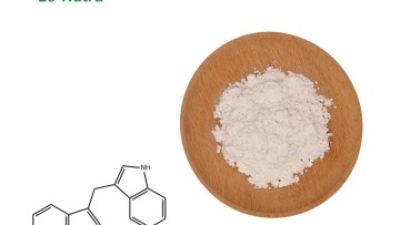
3,3′-Diindolylmethane (DIM) powder is receiving growing attention in market analyses and dietary supplement data reports because of its relationship with estrogen metabolism and broader interest in women’s and men’s wellness. DIM is a naturally derived indole compound commonly investigated for its role in supporting hormonal balance, managing symptoms associated with premenstrual syndrome, and maintaining prostate health. Research discussions also examine its potential contribution to intestinal barrier function and improved intestinal permeability. These areas continue to influence demand for high-quality DIM ingredients in dietary supplement formulation.
The product, also known as Diindolylmethane Powder, has the CAS number 1968-05-4 and a molecular formula of C17H14N2. It appears as a white to off-white crystalline powder and is suitable for use as a specialized raw material in supplement development. By supporting balanced estrogen metabolism, DIM may help maintain the body’s relative physiological balance when incorporated into appropriately designed products. For commercial handling, the powder is available in vacuum aluminum foil bags, while 25 kg quantities can be packed in fiber drums with an inner double layer of food-grade polyethylene bags.
: It needs human research, a useful dose, and a clear biological purpose. Popularity alone proves little. Quality testing also matters.
Many exercising adults may benefit from 1.4–2.0 grams per kilogram daily. This works best with enough total food and regular training.
During prolonged exercise, some athletes use 30–60 grams per hour. Tolerance differs. Too much may cause stomach discomfort.
Sodium can help replace minerals lost through heavy sweating. Potassium and magnesium support normal muscle and nerve function. Personal needs vary.
Small sips every 10–15 minutes may feel easier than drinking a large volume. Overhydration is possible. Do not chase a fixed number blindly.
Caffeine may improve alertness, reaction time, and perceived effort. Too much can cause shaking, stomach discomfort, or poor sleep.
Creatine may support repeated high-intensity work. It may also help mental performance during demanding periods. Daily use matters more than a dramatic sensation.
Beta-alanine may support repeated hard efforts, but skin tingling can feel unpleasant. Citrulline may support blood flow and comfort. Results remain inconsistent.
Try one product during ordinary training, never before competition. Record sleep, digestion, focus, heart rate, and workout output. Review the plan honestly.
Not completely. A food diary may reveal low energy intake, poor sleep, or weak hydration. Powders cannot repair every basic problem.
Choosing the Best Ingredients For Sports Nutrition Supplements requires more than selecting popular nutrients. Effective formulas should provide reliable support for energy, strength, muscle growth, hydration, endurance, recovery, and mental focus. Essential macronutrients such as carbohydrates and protein help fuel training and repair muscle tissue, while healthy fats support sustained energy and overall wellness. Electrolytes and fluids assist with hydration balance, especially during prolonged or intense exercise. Evidence-based compounds may further support muscle recovery, reduce training fatigue, and improve focus and exercise capacity when used appropriately.
Safety and quality are equally important when selecting sports nutrition ingredients. Each component should have a clearly defined purpose, suitable dosage guidance, and consistent quality standards. Consumers should consider ingredient transparency, purity testing, possible allergies, and compatibility with their health conditions or medications. A well-designed supplement should complement a balanced diet, structured training plan, adequate sleep, and professional advice rather than replace them. Through careful evaluation, athletes and active individuals can choose practical, safe, and effective nutritional support for their performance goals.