As we move further into 2026, sports nutrition is really starting to rely more on solid scientific evidence, and one ingredient that's catching a lot of attention outside the usual plant-protein chatter is hydrolyzed wheat protein. Basically, it’s wheat protein that’s been broken down into smaller pieces called peptides with the help of enzymes. This could mean it’s easier to digest quickly after a workout — super handy for athletes who want a convenient recovery option. But hey, just because it’s fast doesn’t automatically mean it’s the best choice out there.
Dr. Asker Jeukendrup, a well-respected expert in sports nutrition, once said, “Nutrition isn’t just about what you eat — it’s also about when and how much you eat.” That really puts things into perspective when considering the benefits of hydrolyzed wheat protein in sports. For example, a simple scoop tossed into your shaker can fit nicely into your routine, especially if you're lactose intolerant or leaning towards plant-based options. It provides useful amino acids, no doubt, but worth noting that it has less leucine (which is key for muscle building) and doesn’t have a complete profile of all amino acids. So, it shouldn’t be seen as a total replacement for other proteins.
For brands like Kerry Group and others, transparency in labeling is a must. We need clear info about how much protein is in there, how it’s processed, allergen risks, and any testing standards. Athletes should also consider if they have gluten sensitivities or wheat allergies, as well as their total daily protein intake and specific training goals. Honestly, those details might not sound exciting, but they’re super important.
The latest research suggests we should be cautiously optimistic — no wild hype or promises of miracle results. Hydrolyzed wheat protein could be beneficial because it’s easier to digest, offers more flexibility in product formulation, and makes sports nutrition ingredients accessible to more people. That said, results can vary a lot from person to person, especially for endurance athletes or folks doing high-volume strength training. Overall, it’s a promising ingredient, but it’s definitely not some magic bullet.
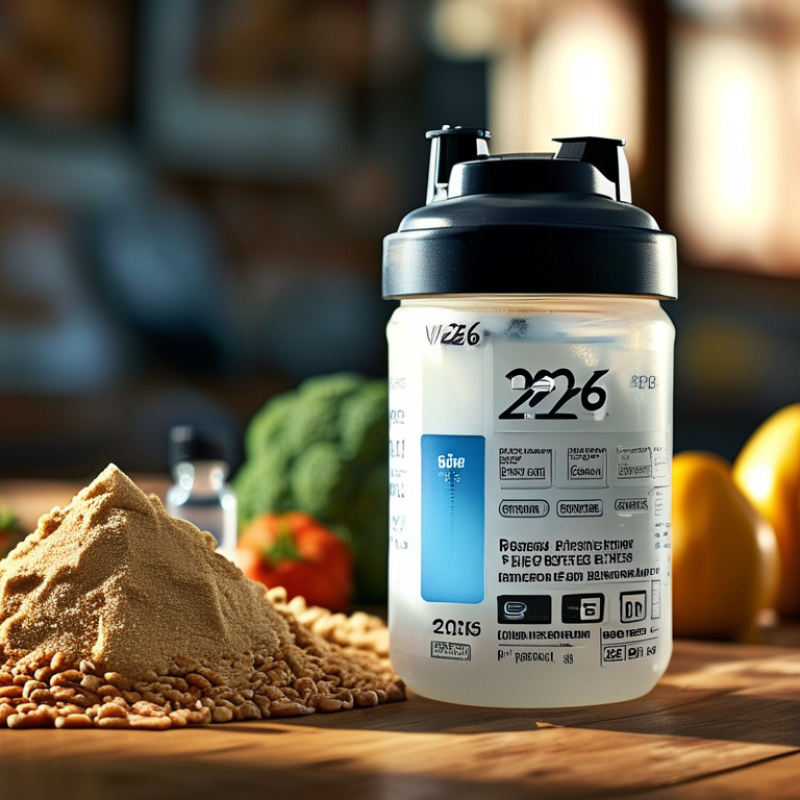
Hydrolyzed wheat protein is wheat protein broken into smaller peptides through enzymatic hydrolysis. This process can make digestion easier and improve solubility in sports drinks. It is not simply wheat flour in liquid form. Manufacturers usually mill wheat, separate protein from starch, and apply controlled enzymes. Filtration and spray-drying create a fine powder with consistent moisture and protein content.
In 2026 sports nutrition, athletes may use it in recovery shakes, snack bars, or training beverages. Smaller peptides can support convenient protein delivery after demanding sessions. The powder also mixes more smoothly than some traditional wheat proteins. Still, “fast” does not mean universally superior. Wheat protein is relatively low in lysine, so it may provide a less balanced amino acid profile than several other protein sources. That detail matters for athletes planning complete daily intake.
Product quality depends on hydrolysis control, testing, and transparent allergen labeling. People with celiac disease or wheat allergy should avoid it unless a qualified clinician advises otherwise. Gluten may remain after processing. I would also question claims promising dramatic muscle gains from one ingredient. Training load, total protein, energy intake, sleep, and hydration usually matter more. In practice, hydrolyzed wheat protein can be useful, but it should fill a specific nutritional gap rather than become a default choice. Some athletes may tolerate it well; others may notice digestive discomfort. That uncertainty deserves honest monitoring.
Hydrolyzed wheat protein is gaining attention in sports nutrition because enzymes break long protein chains into smaller peptides. This may support faster digestion, although hydrolysis does not repair wheat’s amino acid limitations. Protein quality still depends on its essential amino acid pattern and digestibility.
DIAAS offers a more useful view than crude protein percentage. Wheat protein often scores below high-quality dairy or egg proteins, mainly because lysine is limited. Exact values vary with wheat variety, extraction, heating, and testing methods. A powder can look impressive on a label yet provide less usable essential amino acids than expected. That matters during muscle repair.
Leucine also deserves careful attention. Many wheat proteins contain roughly 6–7% leucine, so a 25-gram serving may provide about 1.5–1.8 grams. That amount may sit below the commonly discussed 2–3 gram muscle-protein-synthesis trigger, though individual needs differ. More is not automatically better. Pairing wheat protein with a lysine-rich protein can improve amino acid balance and raise total leucine intake. Training status, age, meal size, and daily protein intake also change the response. I would not treat one DIAAS score as a final verdict; laboratory results and real meals can disagree. That uncertainty deserves more attention.
Hydrolyzed wheat protein can support practical sports nutrition when daily protein targets come first. Under ISSN guidance, exercising adults generally need about 1.4–2.0 grams per kilogram daily. Some athlete plans use 1.2–2.0 g/kg, depending on training load, energy intake, and recovery goals. A 75-kilogram athlete may therefore need roughly 105–150 grams each day. That target matters more than any single protein ingredient.
Hydrolysis breaks wheat protein into smaller peptides, which may help digestion and convenient post-training intake. However, evidence remains less extensive than research on dairy proteins. Wheat protein can also contain gluten, so athletes with celiac disease or wheat allergy should avoid it. The ISSN position stand on protein and exercise reports that evenly spaced servings, often 20–40 grams, can support muscle protein synthesis. Personal tolerance still varies. It is easy to overstate benefits.
Tips: Track total protein for three days. Add 25–35 grams after demanding sessions. Pair the powder with fruit or oats for carbohydrates. Check the ingredient label carefully.
Hydrolyzed Rice Protein Benefits are also relevant for athletes seeking plant-based options, but protein quality and amino acid balance require attention. A 2023 sports nutrition review in the Journal of the International Society of Sports Nutrition noted that plant proteins may need larger servings or complementary sources. In practice, a wheat-based shake may digest comfortably, yet it cannot replace varied meals, sufficient calories, sleep, or resistance training. My own practical caution is simple: faster digestion sounds useful, but measurable performance gains depend on the whole program.
Hydrolyzed wheat protein is not simply “faster protein.” Enzymatic hydrolysis cuts intact chains into smaller peptides before consumption. These fragments may leave the stomach sooner and reach intestinal transporters faster. Yet intact protein is also broken down during normal digestion. The practical difference may involve timing, not total protein absorbed. A 2023 review in the Journal of the International Society of Sports Nutrition reported faster amino-acid appearance with some hydrolysates, while muscle-gain results remained inconsistent.
The ISSN position stand recommends 1.4–2.0 grams of protein per kilogram daily for exercising adults, with about 20–40 grams per feeding. That target matters more than a fashionable delivery claim. A 30-gram serving still depends on leucine content, total diet, training, and tolerance. Wheat protein can contain less lysine than several animal or legume proteins. Hydrolysis does not repair that amino-acid pattern.
Small peptides are not magic.
In practice, a hydrolysate may suit athletes who dislike heavy drinks after training. It can feel lighter with water and a banana. However, “rapid” does not automatically mean “better.” I would question hypertrophy claims without controlled protein doses and daily intake. Athletes with celiac disease or wheat allergy should avoid wheat-derived products. Testing also matters, because labels may not fully describe peptide size or gluten status. References include the ISSN position stand, 2017, the Journal of the International Society of Sports Nutrition review literature, 2023, and FAO protein-quality guidance, 2013.
Hydrolysis breaks intact wheat protein into shorter peptides before consumption, which may support faster gastric and intestinal processing. The recommended total protein intake remains determined by training status rather than by whether the protein is hydrolyzed or intact.
Protein targets shown as grams per kilogram of body weight per day. Reference ranges reflect commonly cited sports-nutrition guidance: approximately 0.8 g/kg/day for healthy adults, 1.2–1.4 g/kg/day for endurance training, 1.4–2.0 g/kg/day for most athletes, and about 1.6–2.2 g/kg/day during demanding training or energy restriction. Hydrolyzed protein may change peptide delivery speed, but it does not automatically increase protein quality or replace a balanced amino-acid intake.
Hydrolyzed wheat protein may support muscle recovery when used within a complete sports nutrition plan. Enzymatic breakdown produces smaller peptides that are easier to digest. However, its essential amino acid profile varies by processing method and source. Leucine deserves special attention because it helps stimulate muscle protein synthesis. Wheat protein usually provides less leucine than high-quality dairy proteins. It may also supply less lysine, an essential amino acid often limiting in cereal proteins.
Training outcomes depend on more than one shake. Adequate total protein, energy intake, sleep, and progressive resistance training remain decisive. Some controlled research suggests hydrolyzed proteins can support post-exercise amino acid availability. Direct evidence for wheat protein and long-term muscle gain is still limited. That uncertainty matters. A faster absorption rate does not automatically mean better strength or hypertrophy.
Tips: Check the amino acid panel, not only the protein grams. Pair wheat protein with other protein sources to improve amino acid balance. A practical serving may work best after training or between meals. Watch digestion during hard sessions. The phrase Hydrolyzed Rice Protein Hair Benefits belongs to hair-care discussions, not muscle recovery claims. Individual responses can differ, and my own training experience would not replace controlled evidence. Track soreness, performance, and recovery for several weeks before changing the plan.
Hydrolyzed wheat protein can be useful when convenience and quick digestion matter. A 20 g serving fits many post-training routines. It may work well after moderate sessions or alongside a full meal. Whey protocols often use 20–30 g, but that range is not a universal rule. Body size, training load, and total daily protein still matter.
A 40 g dose supplies more protein, yet it may not produce twice the muscle-building response. Wheat protein also provides less leucine and lysine than whey. This difference deserves attention. Athletes may need a larger portion, or a balanced protein meal, to improve the amino acid pattern. In my experience, 20 g feels practical after short workouts, while 30–40 g suits heavier training or missed meals. Still, personal tolerance can change. Hydrolysis improves mixing and may support digestion, but it does not automatically make the protein superior.
Tips: Start with 20 g in water after training. Track recovery, hunger, and digestive comfort for two weeks. Increase toward 30–40 g only when your daily intake or training demands justify it. Anyone with wheat allergy, gluten-related disease, or medical restrictions should seek professional advice. The phrase Hydrolyzed Rice Protein Skin Benefits concerns a different ingredient and should not be used as evidence for sports performance.
Hydrolyzed wheat protein is gaining attention in sports nutrition because smaller peptides may digest more easily. However, hydrolysis does not automatically remove gluten. A product can still contain wheat-derived proteins and trigger reactions in people with wheat allergy or celiac disease. Check the ingredient list, allergen statement, and testing information carefully.
Regulation differs across countries, so “gluten-free” claims should not be assumed from the word hydrolyzed. Athletes with diagnosed conditions should seek advice from a qualified dietitian or clinician before using such products. In practice, contamination during manufacturing also matters. A clean label is not enough. Batch testing and transparent documentation provide stronger reassurance.
The 2026 evidence remains incomplete. Small studies often examine digestion or amino acid availability, not injury recovery, muscle gain, or long-term safety. That distinction is important. I would avoid treating promising laboratory results as proven performance benefits. The phrase “Hydrolyzed Keratin Hair Benefits” may appear in online searches, but keratin-related hair claims should not be confused with wheat protein research. More independent trials are needed, especially among women, older athletes, and people with food sensitivities. Some questions remain unanswered. That is not a failure, but it should encourage careful reading rather than confident marketing.
| Data Dimension | Evidence or Regulatory Status | Sports-Nutrition Relevance | Safety, Labeling, and Practical Interpretation |
|---|---|---|---|
| Protein digestion | Moderate mechanistic evidence | Hydrolysis breaks some intact wheat-protein chains into smaller peptides, which may support faster gastric and intestinal processing than an equivalent intact protein. | Hydrolysis does not automatically make the product nutritionally superior or suitable for every athlete. Actual digestibility depends on the degree of hydrolysis, formulation, serving size, and the athlete’s overall diet. |
| Muscle-protein synthesis | Limited direct evidence | Hydrolyzed wheat protein supplies amino acids, but evidence directly demonstrating greater post-exercise muscle-protein synthesis than intact wheat protein or other high-quality proteins remains limited. | Do not treat “hydrolyzed” as proof of superior muscle gain. Total daily protein, adequate energy, resistance training, and sufficient essential amino acids remain the primary determinants. |
| Essential amino-acid profile | Established nutritional limitation | Wheat protein generally provides less lysine than many animal proteins and several plant-protein combinations. A single wheat-protein source may therefore be less effective for maximizing anabolic stimulation per gram. | Use a balanced dietary pattern or combine complementary protein sources. The amino-acid profile should be assessed using the complete product specification, not the hydrolysis claim alone. |
| Gluten presence | High regulatory and analytical relevance | Wheat-derived hydrolyzed protein should be presumed to contain gluten unless the finished product has been appropriately tested and legally qualifies for a gluten-free claim in the target market. | Hydrolysis may change gluten proteins and can make some analytical methods more challenging, but it does not guarantee gluten removal or elimination of immune reactivity. |
| Gluten-free labeling in the United States | Defined federal threshold | For a product labeled “gluten-free,” the U.S. Food and Drug Administration generally requires gluten content below 20 parts per million, along with compliance with the applicable labeling rule. | Manufacturers need validated testing and controls for ingredients, processing, and cross-contact. A wheat-derived ingredient should not be marketed as gluten-free solely because it is hydrolyzed. |
| Gluten-free labeling in the European Union | Defined legal threshold | EU rules generally use a threshold of no more than 20 mg/kg for “gluten-free” foods; “very low gluten” has a separate regulatory meaning and should not be confused with gluten-free. | Requirements can differ by jurisdiction, and local language, allergen, and claim rules must be checked before sale. Product status should be based on the finished food, not only the raw material. |
| Wheat allergen status | Established allergen requirement | Hydrolyzed wheat protein remains a wheat-derived ingredient and may be relevant to people with IgE-mediated wheat allergy. | Hydrolysis should not be presented as an allergen-destruction step. Clear wheat disclosure, supplier documentation, and cross-contact controls are essential. |
| Celiac disease suitability | Requires strict caution | People with celiac disease require avoidance of gluten exposure. A hydrolyzed wheat protein should not be assumed safe for celiac consumers unless the finished product meets the applicable gluten-free requirements and has suitable supporting evidence. | “Wheat-free,” “low gluten,” and “hydrolyzed” are not interchangeable with “safe for celiac disease.” Medical and regulatory guidance should take priority over sports-marketing language. |
| Digestive tolerance | Individual response varies | Smaller peptides may be tolerated differently from intact wheat proteins, but hydrolysis is not a proven treatment for wheat allergy, celiac disease, non-celiac gluten sensitivity, or irritable bowel symptoms. | Athletes with gastrointestinal symptoms should review the complete formula, including sweeteners, fibers, flavorings, and serving concentration, rather than attributing all symptoms to the protein itself. |
| Recovery and performance benefits | Insufficient product-specific evidence | There is not enough high-quality, long-term human evidence to conclude that hydrolyzed wheat protein independently improves strength, endurance, recovery, or body composition beyond meeting protein needs. | Any performance claim should identify the tested product, dose, comparator, population, and study outcome. Evidence from other protein types should not automatically be transferred to hydrolyzed wheat protein. |
| 2026 evidence gap: dose response | Unresolved research question | Optimal serving size, peptide profile, degree of hydrolysis, and timing around exercise have not been consistently established for athletes. | Future trials should compare multiple doses and hydrolysis levels with matched total protein, calories, leucine, and essential amino acids. |
| 2026 evidence gap: long-term use | Unresolved research question | Long-term studies assessing muscle gain, training adaptation, gastrointestinal outcomes, allergen exposure, and adherence are scarce. | Short-term amino-acid or digestion findings should not be interpreted as proof of long-term superiority or universal safety. |
| 2026 evidence gap: gluten immunogenicity | Methodological uncertainty | Hydrolysis can alter detectable peptide fragments, creating challenges for comparing laboratory gluten measurements with real-world immune responses. | Safety assessment should use validated, fit-for-purpose analytical methods and, where relevant, clinical evidence rather than relying on a single test result. |
| Quality-control priorities | Best-practice control area | Useful quality indicators include identity testing, protein content, peptide or hydrolysis characterization, microbiological control, heavy-metal testing, allergen management, and lot traceability. | Choose products with transparent specifications and documented manufacturing controls. “Hydrolyzed” is a processing description, not an independent guarantee of purity, safety, or efficacy. |
| Overall suitability for sports nutrition | Conditional use | May be considered as one protein option for athletes who tolerate wheat and whose dietary plan meets total protein and essential-amino-acid requirements. | It is generally unsuitable for consumers who must avoid wheat or gluten unless the finished product has been specifically assessed and legally labeled for their condition. Regulatory requirements should be verified in the market of sale. |
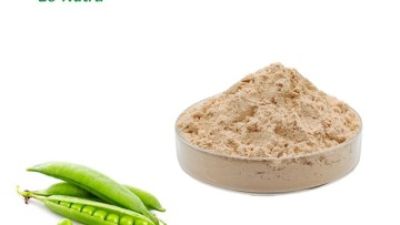
Modern plant-based nutrition is moving beyond simple protein substitution toward measurable quality, functionality, and sustainability. The Good Food Institute’s 2023 State of the Industry report valued global retail sales of major plant-based food categories at approximately US$29.4 billion, reflecting strong demand for convenient, nutrient-focused alternatives. Pea protein powder supports this trend with a yellowish appearance and standardized protein specifications of 80% or 85%, offering a practical foundation for balanced formulations.
Pea protein is valued for its plant-based protein content and suitability for a wide range of food applications. It can be incorporated into protein bars, solid beverages, vegetable-protein drinks, grain-based foods, and animal feed, helping manufacturers improve nutritional density while maintaining flexible product development. Its neutral functional profile also allows it to complement flavors, grains, and other plant ingredients in everyday nutrition products.
As consumers increasingly examine ingredient transparency and environmental impact, pea protein provides a scalable option for modern formulation strategies. The product is identified by CAS No. 222400-29-5 and supplies concentrated protein along with vitamins listed in the product specification. Selecting the appropriate 80% or 85% grade enables manufacturers to balance protein targets, texture, processing requirements, and cost across different applications.
: Enzymes break wheat protein into smaller peptide fragments before consumption. It is pre-digested. Intact protein is still digested naturally in the stomach and intestine.
Some studies report faster amino-acid appearance after hydrolysate consumption. The difference may mainly involve timing. Faster absorption does not guarantee greater muscle growth.
It may support recovery when total protein, calories, sleep, and training are adequate. Direct evidence for long-term muscle gain remains limited. The shake is not the whole plan.
Exercising adults commonly target about 1.4–2.0 grams per kilogram daily. A meal may provide roughly 20–40 grams of protein. Individual needs can differ.
Wheat protein usually contains less lysine than many animal or legume proteins. Leucine content may also be lower than in some dairy proteins. Check the amino-acid panel.
Pair it with other protein sources across the day. This may provide a broader essential amino-acid pattern. Food variety helps.
People with celiac disease or wheat allergy should avoid wheat-derived products. Hydrolysis does not automatically remove gluten. Read allergen statements carefully.
Review the ingredient list, allergen information, peptide details, and batch-testing documents. A clean-looking label is not enough. Manufacturing contamination can matter.
No. Many studies measure digestion or amino-acid availability rather than strength or muscle gain. Evidence feels incomplete. I would question strong performance claims without controlled trials.
Hydrolyzed wheat protein is wheat-derived protein broken into smaller peptides through enzymatic processing, potentially supporting faster digestion and convenient nutrient delivery for athletes. The Benefits Of Hydrolyzed Wheat Protein In Sports Nutrition may include practical protein supplementation, improved meal flexibility, and support for post-training recovery when total daily intake is adequate. However, wheat protein generally provides less leucine and a lower amino acid quality score than many complete animal or dairy proteins, so it may be most effective when combined with other protein sources or balanced across the diet.
For athletes, daily protein targets commonly fall between 1.2 and 2.0 g/kg, depending on training demands, body composition goals, and recovery needs. A serving of approximately 20–40 g can be compared with standard whey protocols, while considering individual digestion and overall amino acid intake. People with wheat allergy, celiac disease, or gluten sensitivity should avoid it unless medically advised. Current evidence supports its usefulness as a supplemental option, but more research is needed on long-term muscle and performance outcomes.