Leave Your Message
0%

So, why should you consider using Hydrolyzed Proteins when sourcing globally? Well, these proteins are really gaining popularity, especially in sports nutrition, functional foods, and specialized diets. The cool thing is, their smaller peptide chains make them easier to process and mix quickly—huge plus when you're dealing with powders that need to dissolve smoothly in cold water or when production lines are under tight time pressures.

But, it’s not just about the protein percentage. Experienced sourcing teams look at the whole picture: how the hydrolysis was done, the peptide distribution, moisture content, flavor, and even microbiological test results. A trustworthy supplier should always be able to provide an up-to-date Certificate of Analysis for each batch. Plus, having traceability records connecting the final product back to its raw materials is super important. Things like supplier audits, testing samples, and clear storage instructions also boost confidence when choosing a partner.

And, let's not forget, going global can get tricky—shipping conditions, customs paperwork, regional labeling rules—all these can influence whether the product makes it to your shelves in good shape. Hydrolyzed Proteins might perform differently depending on whether they’re used in drinks, bars, or powders. Sometimes, what tests well in the lab doesn’t always behave well on a production line—that’s a classic mistake to watch out for.

Cost’s another tricky part. A lower price tag can sometimes hide issues like weak documentation, poor solubility, or higher chances of reformulation. On the flip side, paying more doesn’t automatically mean you’re getting better quality. It's key to compare verified specs, capacity, lead times, and the level of technical support offered. If your application is really sensitive, independent lab testing can help confirm that your supplier’s claims are spot on.

In the end, making the right choice boils down to solid evidence and honest testing. By mixing formulation trials, supplier checks, and smart logistics, your company can source Hydrolyzed Proteins more reliably with a clearer idea of what to expect.
Why Choose Hydrolyzed Proteins for Global Sourcing?

Hydrolyzed Protein Defined: Processing, Peptides, and Functional Purpose

Hydrolyzed protein is protein cut into smaller peptide chains through controlled hydrolysis. Water, heat, enzymes, or acid can break selected bonds. The method changes molecular size, solubility, taste, and digestion behavior.

It is not simply “more processed” protein. Processing conditions matter. In practical sourcing work, suppliers should provide process descriptions, analytical data, allergen controls, and traceability records.

Peptide distribution often matters more than one average value. A low average molecular weight does not automatically guarantee better performance.

Peptides are short amino-acid sequences released from larger proteins. Some dissolve quickly in beverages or nutrition formulas. Others support texture, emulsification, or targeted nutritional design. Function depends on peptide profile, raw material, hydrolysis level, and final application.

Buyers should compare solubility at working pH, flavor, moisture, microbiological results, and batch consistency. Claims about absorption or biological effects need careful evidence. Laboratory findings may not predict everyday use. That gap deserves honest review. Global sourcing also requires checking documents against destination-market requirements, even when the material appears technically suitable.

Tips:

Request a representative sample and a recent certificate of analysis. Ask how hydrolysis is controlled and how peptide size is measured. Test the ingredient in your actual formula, not only in water. Record taste after heating, storage, and dilution. Keep a second qualified source when supply continuity matters. Do not treat “hydrolyzed” as a complete specification; it is only a starting point.

Set the Nutrition Target With FAO’s 0.83 g/kg/Day Adult Benchmark

Why Choose Hydrolyzed Proteins for Global Sourcing?

FAO’s adult benchmark of 0.83 g/kg/day offers a practical starting point for protein planning. For a 70-kilogram adult, that equals approximately 58 grams daily. The number is useful, but incomplete. Age, activity, health status, and total diet can change individual requirements. It should guide product design, not replace professional nutrition advice.

For global sourcing, this benchmark helps teams compare protein specifications across markets. Enzymatically Hydrolyzed Proteins can provide shorter peptide chains and may support easier formulation in beverages, powders, and specialized foods. However, hydrolysis does not automatically prove better nutrition. Suppliers should provide amino acid profiles, digestibility data, allergen controls, and batch-specific certificates of analysis. Traceability matters when raw materials cross several borders.

A simple calculation can expose gaps. If one serving delivers 20 grams of protein, a 70-kilogram adult needs roughly three servings to approach the benchmark. That may not suit real eating habits. Taste, solubility, cost, and cultural preferences still influence use. Some procurement decisions focus too heavily on protein percentage. That can be misleading. Nitrogen values alone do not show amino acid quality or actual usability. Better sourcing combines the FAO reference point with transparent testing and honest limitations.

Verify Amino Acid Quality Using FAO’s DIAAS Protein-Scoring Method

Hydrolyzed proteins can simplify global sourcing, but processing alone does not prove nutritional quality. Hydrolysis breaks proteins into smaller peptides, which may improve solubility and digestion. It cannot correct a weak amino acid profile. That distinction matters when comparing Animal and Vegetal Proteins across suppliers.

FAO’s DIAAS method offers a more precise way to verify amino acid quality. It compares each indispensable amino acid with a reference pattern, then uses true ileal digestibility. A laboratory report should identify the limiting amino acid, such as lysine in some cereal-based proteins. It should also show digestibility data, protein content, testing methods, and the production lot. A DIAAS below 100 signals that one amino acid may limit protein utilization. Higher scores require careful interpretation.

A practical sourcing review should connect the score with real material evidence. Check the certificate of analysis, batch number, hydrolysis level, moisture, and storage conditions. Independent testing can reveal differences between a supplier’s specification and the delivered powder. Small variations matter. Heat exposure during transport may also affect quality or dispersibility. One imperfect assumption deserves attention: a smooth, fast-dissolving powder can still provide an incomplete amino acid supply. DIAAS is not a complete nutrition decision, either. Taste, safety, traceability, and the intended serving size remain relevant. Use current laboratory data, not only a generic specification sheet.

Why Choose Hydrolyzed Proteins for Global Sourcing? - Verify Amino Acid Quality Using FAO’s DIAAS Protein-Scoring Method

A practical, brand-neutral sourcing comparison for evaluating protein quality, hydrolysis suitability, and lot-level DIAAS verification.
Protein Source Representative DIAAS Value1 Primary Limiting Amino Acid Why Hydrolysis May Be Considered Global Sourcing Verification Points Quality Interpretation
Milk Protein 1.18 Generally no limiting indispensable amino acid under the adult reference pattern; sulfur amino acids may be relatively lower than some other amino acids. Rapid dispersion Peptide delivery Digestibility support Confirm amino acid profile, true ileal digestibility data, allergen controls for milk proteins, moisture, ash, microbiological limits, and traceability of the raw material. High-quality complete protein. The DIAAS value of a hydrolyzed product must be measured or calculated from the finished product rather than copied from intact milk protein.
Egg Protein 1.13 No major limiting indispensable amino acid under the adult reference pattern. Improved solubility Fast processing Peptide formulation Verify egg allergen declarations, pasteurization or equivalent safety controls, amino acid assay method, oxidation indicators, microbiological results, and batch-to-batch consistency. Complete, highly digestible protein. Hydrolysis can alter peptide size and functionality but does not automatically increase the amino acid score.
Beef Protein 1.11 Usually no limiting indispensable amino acid under the adult reference pattern. Peptide solubility Convenient incorporation Digestive comfort evaluation Check species and tissue documentation, country-of-origin records, veterinary and food-safety certificates, amino acid profile, collagen-to-muscle-protein ratio, and contaminant testing. Can provide a strong indispensable amino acid profile, but the declared protein quality depends on the actual raw material composition and processing history.
Soy Protein Isolate 0.90 Sulfur amino acids, particularly methionine plus cysteine. Lower viscosity Better dispersibility Reduced intact-protein load Verify amino acid composition, true ileal digestibility inputs, antinutritional-factor controls, allergen management, GMO status where relevant, solvent or processing-residue specifications, and identity testing. High-quality plant protein, although its DIAAS is typically below many dairy and animal proteins unless the formulation is complemented with other sources.
Pea Protein Concentrate 0.82 Methionine plus cysteine; lysine is generally stronger than sulfur amino acids. Reduced grittiness Improved solubility Peptide functionality Request lot-specific amino acid analysis, digestibility evidence, pesticide and heavy-metal testing, allergen and cross-contact controls, microbial specifications, and raw-material traceability. Useful plant protein for blended formulations. Combining it with a sulfur-amino-acid-rich protein can improve the overall indispensable amino acid pattern.
Wheat Protein 0.40 Lysine; threonine may also be relatively limited depending on the material. Improved processability Reduced aggregation Functional peptides Verify gluten status and labeling requirements, amino acid profile, wheat allergen controls, pesticide residues, mycotoxins, heavy metals, and supplier-region traceability. Not a complete protein by itself under the reference pattern. It generally requires complementary proteins or amino acid fortification for a higher DIAAS formulation.
Mixed Plant-Protein Formula Formula-specific Depends on the blend ratio; lysine and sulfur amino acids are common formulation constraints. Amino acid balancing Texture improvement Flexible sourcing Calculate the indispensable amino acid profile of the finished blend, verify each component’s digestibility input, confirm blend homogeneity, and test the final product rather than relying only on individual ingredient data. A blended formula may achieve a higher DIAAS than its individual components, but the final score must be determined from the actual formulation and validated analytical data.
Method and sourcing notes:
1. Representative DIAAS values are examples reported in FAO guidance and technical literature for specific protein materials and test conditions. They are not guarantees for every hydrolyzed ingredient, supplier, country of origin, or production lot.
2. DIAAS is calculated by comparing each indispensable amino acid content with the applicable FAO reference pattern and multiplying by the true ileal digestibility of that amino acid. The lowest amino acid ratio determines the score.
3. Protein hydrolysis changes peptide size, solubility, flavor, and processing behavior, but it does not automatically improve the amino acid composition. For global sourcing, request a certificate of analysis, amino acid profile, true ileal digestibility evidence, microbiological results, contaminant testing, allergen documentation, and lot traceability for the finished hydrolyzed protein.
Reference framework: FAO, Dietary Protein Quality Evaluation in Human Nutrition, FAO Food and Nutrition Paper 92, 2013; FAO/WHO/UNU, Protein and Amino Acid Requirements in Human Nutrition, WHO Technical Report Series 935, 2007.

Assess Digestibility Gains Without Overclaiming Absorption Benefits

Why Choose Hydrolyzed Proteins for Global Sourcing?

Hydrolyzed proteins contain shorter peptide chains created through enzymatic processing. This structure may support faster digestion than intact proteins. The FAO/WHO Expert Consultation on protein quality assessment recommends ileal amino acid digestibility for clearer evaluation. It also supports the DIAAS method over broad, generalized protein claims.

The evidence is mixed. A hydrolyzed formula may empty from the stomach more quickly, but faster digestion does not guarantee greater amino acid absorption. Muscle uptake also depends on dose, meal composition, processing conditions, and individual health. In sourcing reviews, buyers should request validated digestibility data, processing details, and batch-level specifications. Proteolytic Proteins can be useful, yet the term alone proves little.

That distinction matters. A 2013 FAO report emphasized amino acid availability, not marketing language, when judging protein quality. Laboratory results should therefore separate protein digestibility from post-meal absorption. A practical test might compare intact and hydrolyzed samples using standardized in vitro digestion, then confirm results with human data where available. Small differences can disappear after cooking, blending, or storage. I have seen technical discussions treat a lower peptide size as a complete performance guarantee. It is not. Global procurement teams should record enzyme type, hydrolysis degree, allergen controls, and test methods before comparing suppliers.

References: FAO Expert Consultation, Dietary Protein Quality Evaluation in Human Nutrition, 2013; FAO/WHO, Protein and Amino Acid Requirements in Human Nutrition.

Screen Global Compliance Against FDA’s 50 g Protein Daily Value

Why Choose Hydrolyzed Proteins for Global Sourcing?

Screen Global Compliance Against FDA’s 50 g Protein Daily Value

Hydrolyzed proteins are broken into smaller peptides through controlled enzymatic processing. This can support easier digestion and faster formulation in certain products. However, hydrolysis does not automatically prove higher quality or regulatory compliance. In practice, sourcing teams should compare supplier specifications with the FDA protein Daily Value of 50 grams, based on a 2,000-calorie diet. This value supports nutrition labeling, but it is not a universal intake target for every consumer.

Global compliance requires more than checking protein percentage. Review the testing method, amino acid profile, allergen controls, heavy metal results, microbiological data, and certificate history. Confirm that the declared protein amount matches the finished product serving. A powder may test well in bulk but perform differently after blending, flavoring, or storage. Label wording also needs local review, because protein claims and daily value references vary by market. I would not assume one compliant label can travel unchanged across borders.

Tips: Request recent batch records and independent laboratory reports. Check whether the supplier explains its hydrolysis process clearly. Compare 50 grams with the actual serving size, not only the raw material specification. Keep a written review trail. It may reveal gaps before a shipment does.

Qualify Suppliers Through Codex HACCP’s Seven-Principle System

Why Choose Hydrolyzed Proteins for Global Sourcing?

Qualify Suppliers Through Codex HACCP’s Seven-Principle System

Hydrolyzed proteins can offer consistent solubility, controlled functionality, and easier formulation across markets. However, sourcing quality begins before the shipment leaves the facility. Supplier qualification should follow Codex HACCP’s seven-principle system, not rely on certificates alone.

During an audit, review the supplier’s hazard analysis for microbiological, chemical, and physical risks. Check whether critical control points match the actual process, including enzymatic hydrolysis, drying, and packaging. Critical limits should be measurable. Monitoring records should show times, values, and responsible staff. Ask for corrective-action evidence from previous deviations. Verification may include laboratory testing, calibration checks, and internal audits. Reliable records should connect each batch to raw materials, equipment, operators, and dispatch details. Traceability must work in both directions.

Tips: Request a recent batch file, not a prepared presentation. Compare specifications with test results. Confirm allergen controls and cross-contact procedures. Check storage conditions, seal integrity, and transport temperature where relevant. Ask how the supplier handles unexpected results.

A practical weakness remains. Paperwork can appear complete while plant discipline varies by shift. Walk through the production area. Observe handwashing, line clearance, and label control. Speak with quality staff privately. A second audit may reveal details missed during the first visit. This is inconvenient. It is also useful.

Rank Origin, Cost, and Resilience With FAOSTAT Trade Data

Why Choose Hydrolyzed Proteins for Global Sourcing?

Peptides Are Proteins, but hydrolysis changes how buyers assess supply. Smaller protein fragments can support specialized nutrition and formulation needs. Origin matters because processing standards, transport routes, and agricultural inputs vary by country. A supplier near dependable ports may reduce delays, even when its quotation is not the lowest.

FAOSTAT Trade Data helps rank origin, cost, and resilience with comparable trade records. I would examine export values, quantities, and unit values across several years. Unit value is a useful cost signal, not a final purchase price. Prices move quickly. Freight, testing, packaging, duties, and moisture specifications can change the landed cost. A low average value may also reflect a different product mix.

Resilience needs a wider view. Compare the number of exporting countries, concentration among leading origins, and changes during disrupted years. A diversified supply base may reduce dependence on one route or harvest. However, FAOSTAT data can contain reporting gaps, classification differences, and delayed revisions. Data needs context. I would verify trade patterns against supplier audits, certificates, production capacity, and recent shipment performance. My own analysis could still overvalue historical stability; a calm five-year trend cannot guarantee next season’s availability. That uncertainty belongs in the sourcing decision, not in a hidden spreadsheet.

Natural Hydrolyzed Oat Protein for Hair Strengthening: Benefits, Uses, and Formulation Insights

Natural Hydrolyzed Oat Protein for Hair Strengthening: Benefits, Uses, and Formulation Insights

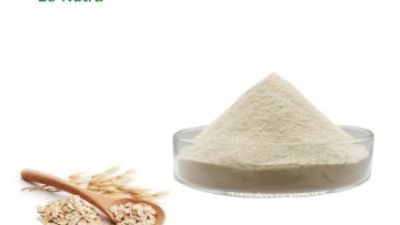
Hydrolyzed oat protein is a versatile cosmetic ingredient for modern hair-care formulas. Produced by breaking oat proteins into smaller peptides, it offers a lightweight conditioning effect while supporting moisture retention and improving the feel of dry, fragile hair. With an average molecular weight of ≤2,000 Da, the powder is suitable for shampoos, conditioners, masks, leave-in treatments, and mild cleansing products. Industry market analysis from Grand View Research indicates that consumer demand is increasingly focused on moisturizing, repairing, and multifunctional hair-care solutions, making plant-derived proteins a practical formulation choice.

The ingredient is supplied as a white to light-grey powder and forms a clear, transparent water solution, simplifying incorporation into aqueous systems. Its protein content is ≥80.0%, while total nitrogen is ≥12.5%, supporting consistent batch performance. Formulators can use it as a humectant to help maintain hydration, improve hair texture, and enhance the appearance of dry or weakened fibers. It may also contribute to a smoother, softer finish without creating a heavy sensory profile.

For product development, the cosmetic-grade material has a pH of 4.0–6.5 and can be customized by molecular-weight specification. It is also applicable to dry-skin products and mild cleansing formulas, extending its value beyond hair care. With a 24-month shelf life when properly stored, hydrolyzed oat protein supports stable, flexible formulation planning.

FAQS

: What is hydrolyzed protein?

: It is protein divided into smaller peptides through controlled enzymatic processing. This may support easier digestion and faster formulation. Hydrolysis alone does not prove superior quality.

How should protein content be compared with the daily value?

Compare the declared amount with the 50-gram daily value for a 2,000-calorie diet. Use the finished serving size, not only the raw powder specification. It is a labeling reference, not a universal intake target.

Which supplier documents should buyers request?

Request recent batch records, independent laboratory reports, and current certificates. Review amino acid profiles, allergen controls, heavy metal results, and microbiological data. Missing documents matter.

Can bulk test results predict the finished product?

Not reliably. Blending, flavoring, moisture, and storage can change the final result. Test the finished formulation when possible, especially before final labeling.

Can one protein label work in every country?

Usually not. Protein claims and daily value references vary between markets. Each destination needs local regulatory review. I would not copy one label globally.

How should origin affect sourcing decisions?

Compare processing standards, transport routes, agricultural inputs, and port access. A nearby supplier may reduce delays, even with a higher quotation. Distance is only one variable.

How can trade data help compare suppliers?

Review export values, quantities, and unit values across several years. Unit value offers a cost signal, not a final purchase price. Freight, testing, packaging, duties, and moisture requirements affect landed cost.

How can buyers measure supply resilience?

Compare exporting countries, leading-origin concentration, and performance during disrupted years. A diversified supply base may reduce dependence on one route or harvest. Historical stability can mislead. A calm spreadsheet is not a guarantee.

Conclusion

Hydrolyzed Proteins are proteins processed with water and enzymes to break larger protein chains into smaller peptides, supporting practical formulation and targeted nutrition applications. A sound sourcing strategy begins by defining the nutritional objective, using the FAO adult reference of 0.83 g protein per kilogram of body weight per day as a general benchmark. Amino acid quality should then be evaluated with the FAO DIAAS method, while digestibility improvements are assessed carefully without assuming that hydrolysis automatically guarantees greater absorption or superior outcomes.

Global supplier qualification should combine nutritional verification with food-safety and commercial evaluation. Suppliers can be reviewed against the seven principles of the Codex HACCP system, including hazard analysis, critical control points, monitoring, verification, and documentation. Buyers should also check alignment with applicable regulatory requirements, including the FDA daily value reference of 50 g protein for general labeling context. Finally, FAOSTAT trade data can help compare origins, pricing patterns, supply continuity, and resilience, enabling a balanced decision based on quality, compliance, cost, and long-term availability.

Amelia

Amelia

Amelia is a dedicated professional marketing specialist with a deep commitment to promoting natural, healthy, and innovative raw materials. As an integral part of our team, she channels her extensive knowledge into researching and marketing products that significantly enhance the fields of......
Previous China Top Herbal Extract Quality Control Testing Guide