You know, in today’s fast-changing world of nutritional supplements, Peptide Hydrolysate has really become a pretty important player. Dr. James Chen, who's quite a big name in protein biochemistry at the Nutritional Science Institute, mentions that "the benefits of Peptide Hydrolysate can seriously boost athletic performance and speed up recovery." That just goes to show how crucial it is, whether you're an athlete or someone just trying to stay healthy.
Lately, there's been a noticeable spike in global demand for top-quality Peptide Hydrolysate. Manufacturers are really tightening up their game, focusing more than ever on sourcing the best ingredients. This shift seems to be driven by what consumers want — products that are not just good, but actually effective and efficient. To keep up, companies have to keep innovating and stay ahead of the curve.
Of course, it’s not all smooth sailing. The industry still faces some challenges, like supply chain hiccups and maintaining strict quality control. Companies such as HydroPeptide Corp are putting money into advanced tech to keep their products consistent. Still, some brands are struggling to stand out from the crowd, which actually opens up opportunities for others willing to step up and fill those gaps. Overall, the quest to find the best Peptide Hydrolysate is ongoing, and everyone involved needs to stay informed, flexible, and ready to adapt.
China's Leadership in Peptide Hydrolysate Production
Peptide hydrolysates play a crucial role in various industries, ranging from nutrition to pharmaceuticals. China's position as a leader in peptide hydrolysate production is underscored by its advanced manufacturing techniques and abundant resources. With a keen focus on innovation, Chinese producers are continuously improving their processes. This results in high-quality products that meet global standards.
Manufacturers in China leverage local agricultural products, enhancing their peptide offerings. For instance, utilizing Wheat Protein Hydrolysate increases the nutritional value of supplements. However, the market faces challenges. Quality consistency can vary among suppliers, raising concerns for buyers. It’s essential to conduct thorough checks before making investments.
When considering peptide hydrolysates from China, remember this: not all suppliers are the same. Quality assurance protocols are vital. Look for manufacturers that prioritize transparency. Researching their production methods can provide insight into their reliability. In the fast-paced global market, making informed choices is essential for success in sourcing peptide hydrolysates.
Understanding Peptide Hydrolysates: Composition and Benefits
Peptide hydrolysates are gaining popularity in health and wellness products. They are derived from proteins that have been broken down into smaller peptides. This process enhances their digestibility and absorption, making them beneficial for various applications. Key components include amino acids, which are vital for muscle repair and growth. Rich in bioactive peptides, these hydrolysates can support immune function and promote overall health.
The benefits of peptide hydrolysates are manifold. They can be used to improve athletic performance and recovery. Studies show that they may help reduce muscle soreness after intense exercise. Additionally, they can enhance skin health, thanks to their hydrating and anti-aging properties. Their versatility allows them to be easily incorporated into different formulations, from dietary supplements to cosmetics.
However, the market is flooded with options, and not all peptide hydrolysates are created equal. Global buyers should assess quality and sourcing. Not every product lists complete ingredient details, which adds to consumer confusion. Transparency in sourcing and production methods is essential for trust. Understanding these aspects helps individuals make informed choices about including Pea Protein Hydrolysate Powder in their diets or beauty routines.
Market Trends for Peptide Hydrolysates in the Global Arena
The market for peptide hydrolysates has seen significant growth in recent years. According to a report by Statista, the global peptide market is projected to reach $56 billion by 2025. This surge is driven by increasing demand for protein supplements in health and wellness sectors. There is an observable rise in consumer inclination towards natural and holistic products. This trend aligns with the overall shift in dietary preferences.
Keratin Hydrolysate has emerged as a key player in the market. Its unique amino acid profile offers multiple benefits for skin, hair, and nails. Research indicates that keratin hydrolysate improves hair strength by reducing breakage and increasing elasticity. Studies show that consumers are becoming more aware of ingredient sourcing, favoring products that emphasize bioavailability and sustainability. Nonetheless, some producers still face challenges in sourcing quality raw materials. This inconsistency can affect the overall reliability of the products.
Trends indicate that peptide hydrolysates will soon be integrated into functional food and beverages. This innovation opens up new possibilities, though it raises questions about regulatory compliance. Experts emphasize the importance of transparency in ingredient labels. Adapting to these evolving market needs may require brands to rethink their sourcing and marketing strategies. The future of peptide hydrolysates looks promising, yet a cautious approach is needed to ensure sustainability and compliance.
Key Chinese Manufacturers of Peptide Hydrolysates
China has emerged as a key player in the peptide hydrolysate market, catering to global buyers. The production of peptide hydrolysates is complex. It requires both scientific expertise and high-quality raw materials. Leading manufacturers in China have specialized equipment. They focus on innovative extraction methods to enhance bioavailability. These processes ensure that the final product meets rigorous international standards.
Among the Chinese manufacturers, many have invested significantly in research and development. They prioritize creating effective peptide hydrolysates with diverse applications. These range from nutrition supplements to cosmetics. The manufacturers often collaborate with universities and research institutes, fostering innovation. However, the industry faces challenges. Quality control can vary, and not all producers maintain the same standards. Buyers must conduct thorough research to identify reliable suppliers.
Ongoing advancements in technology are crucial. They can improve production efficiency and product quality. For buyers interested in Protein Hydrolysate 20, it’s vital to assess the credibility of suppliers. Factors to consider include production methods and compliance with regulations. Ultimately, knowledge is power in making informed purchasing decisions in this dynamic market.
Quality Standards and Certifications for Peptide Hydrolysates
In the world of peptide hydrolysates, quality standards are paramount. Reliable products should meet strict guidelines to ensure safety and efficacy. Buyers must understand certifications that reflect these standards. Look for certifications from recognized bodies. They indicate that a product has undergone rigorous testing. This testing often assesses purity, potency, and possible contaminants.
However, the landscape is not without its challenges. Some producers may have outdated practices or lack necessary certifications. This raises concerns about product integrity. Buyers should investigate suppliers’ histories and quality control processes. Transparency is crucial. Verifying documentation can prevent costly mistakes. An informed buyer can make a significant difference in sourcing high-quality peptide hydrolysates.
Navigating this market requires diligence. Not all products labeled as peptide hydrolysates follow the same production methods. Each batch can vary in quality, impacting its effectiveness. Users must critically assess and choose wisely. Taking time to research can lead to better health outcomes and more effective use of peptide-based products.
Challenges Faced by Global Buyers in Sourcing from China
Sourcing peptide hydrolysates from China presents significant challenges for global buyers. According to a recent market analysis by Grand View Research, the peptide market is expected to grow at a CAGR of 7.4% from 2021 to 2028. This rapid growth attracts many buyers, yet complexities can arise during sourcing.
One major issue is quality assurance. Different manufacturers may follow varying standards. The absence of universal quality certifications can lead to inconsistent product quality. Moreover, language barriers and cultural differences can hinder effective communication. A survey by Transparency Market Research indicated that nearly 54% of buyers faced challenges related to language and documentation when dealing with Chinese suppliers.
Further complicating the process is the issue of regulatory compliance. Navigating import regulations can be daunting for buyers unfamiliar with local laws. According to the FDA, non-compliance can lead to shipment delays and hefty fines. The ever-changing regulatory landscape adds to this uncertainty. Buyers must thoroughly research and verify supplier credentials, which can be time-consuming. Engaging in this market requires patience and a proactive approach to mitigate potential risks.
Future Prospects for the Peptide Hydrolysate Industry in China
The peptide hydrolysate industry in China is growing rapidly. According to a recent market report, the global peptide hydrolysate market is projected to reach $2 billion by 2025, with China playing a significant role. The country has become a major producer, driven by rising health consciousness and demand in food supplements.
In 2022, the domestic production of peptide hydrolysates increased by approximately 15%. This reflects a growing trend among consumers seeking natural sources of protein. Several industries, including food and cosmetics, show increasing interest in these hydrolysates. They are praised for their bioactivity and digestibility, making them attractive to manufacturers worldwide.
However, challenges remain. Quality standards can vary considerably between producers. This inconsistency poses risks for international buyers seeking reliable sources. Regulatory landscapes are also evolving, and businesses must adapt to comply with stringent international regulations. Continuous innovation and transparency will be crucial for suppliers to meet global standards and ensure sustainable growth in this dynamic market.
Harnessing the Power of Mung Bean Peptide Powder: Insights from Global Market Trends and Nutritional Science Reports
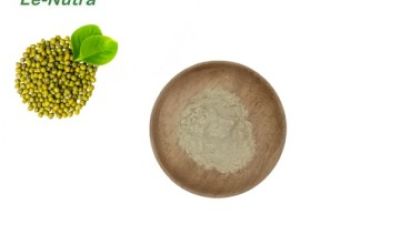
Mung bean peptide powder has garnered significant attention in recent years, particularly as global trends shift towards health-conscious dietary choices. With a high protein content of over 85%, this light yellow to off-white powder stands out as a potent source of nutrition suitable for dietary supplements. Its characteristic odor and versatile application make it an attractive ingredient for various health products. Additionally, the low moisture content, capped at 7.0%, ensures product stability and longevity.
The growing interest in plant-based proteins aligns with advancements in nutritional science, highlighting the benefits of peptides derived from mung beans. These peptides are known for their potential health benefits, including antioxidant properties and support for muscle health. As consumers increasingly seek natural, nutrient-dense supplements, mung bean peptide powder has become a valuable addition to the market. Packaged in food-grade plastic bags with an outer kraft paper covering, it is available in multiple quantities, allowing for flexible sourcing options. This versatility positions mung bean peptide powder as a key player in the evolving landscape of health and nutrition.
FAQS
: Peptide hydrolysates come from proteins that have been broken down into smaller peptides.
They can improve athletic performance, muscle recovery, and enhance skin health.
Enhanced digestibility allows for better absorption of amino acids, aiding in muscle repair and growth.
Quality assurance and communication barriers are significant challenges for buyers.
Researching supplier credentials and understanding quality certifications is crucial for buyers.
Many buyers struggle with documentation and communication due to language barriers.
Non-compliance can lead to shipment delays and fines, complicating the buying process.
A proactive approach and thorough research help reduce potential risks in sourcing.
Transparency in ingredient details and production methods is essential for trust.
No, not all products meet the same standards, making careful assessment essential.
Conclusion
China has emerged as a leading producer of peptide hydrolysates, offering a diverse range of high-quality products that cater to the global market. Peptide hydrolysates are known for their beneficial composition, including essential amino acids that promote health and wellness across various applications, such as nutrition and cosmetics. This article delves into the market trends influencing the demand for peptide hydrolysates internationally, highlighting key manufacturers in China and the importance of quality standards and certifications in ensuring product reliability.
However, global buyers face challenges when sourcing peptide hydrolysates from China, such as navigating regulatory requirements and ensuring consistent quality. As the peptide hydrolysate industry continues to evolve, future prospects look promising, with opportunities for innovation and expansion in response to burgeoning demand worldwide. Overall, China's leadership in this sector positions it as a critical player in the global peptide hydrolysate landscape.