Lately, there's been a pretty big uptick in people looking for botanical extracts to boost their immune systems. I came across a report from Grand View Research that estimates the global herbal supplements market might hit around $400 billion by 2027 — wow, right? It seems like more folks are leaning towards natural options to stay healthy, which definitely points to a shift in how we think about wellness these days.
But here’s the thing — not every botanical extract is created equal. Picking the right one isn’t just about grabbing any plant off the shelf. Quality really matters. A study in the Journal of Dietary Supplements highlighted that standardized extracts can be trusted to deliver consistent strength. Still, not all brands meet those standards, which is a bit concerning because, honestly, you want to know what you're actually getting in your supplements.
And it’s worth mentioning that some herbal extracts can interact with medications, sometimes leading to unexpected issues. So, it’s super important to do your homework. The World Health Organization reminds us that not all herbal products are equal, and choosing the right Botanical Food Supplements takes a bit of effort — thinking about both how well they work and how safe they are. If you’re serious about this stuff, chatting with knowledgeable health pros can really help you make smarter, safer choices for your health.
Understanding the Role of Botanical Extracts in Immune Support
Botanical extracts play a vital role in immune support. They offer natural compounds that can enhance our body’s defenses. Research shows that specific plants have potent antioxidant properties. Antioxidants can help reduce inflammation, a key factor in immune health. For example, echinacea has been traditionally used to combat colds. Its effectiveness varies among individuals, highlighting the need for careful choice.
Choosing the right botanical extracts for dietary supplements requires knowledge. Not all extracts are created equal. Some may stimulate your immune response, while others might not have significant effects. Quality matters. Look for extracts that are standardized for active components. This ensures you gain the full benefits. Always seek information from reputable sources and experts in herbal medicine.
When considering Botanical Dietary Supplements, reflect on your specific needs. Some extracts have strong support in scientific studies, while others may rely on anecdotal evidence. Update your knowledge frequently, as research evolves. Testing different botanical extracts can be a learning process. It may take time to find what truly works for you.
Key Factors to Consider When Selecting Botanical Extracts
When choosing botanical extracts for immune support, several factors are crucial. Start by assessing the specific benefits of each extract. For instance, echinacea is known for its immune-boosting properties. Similarly, elderberry may reduce cold duration. Understanding these benefits helps in selecting the right ones for your needs.
Quality and source are also vital. Look for extracts that are made from premium plants. Certifications like organic or non-GMO provide reassurance. Investigate the extraction methods, as they influence the potency of the extract. A gentle, low-heat process often preserves beneficial compounds better.
Finally, consider the balance of your formula. Combining multiple extracts can enhance effects but may also lead to potential interactions. While synergy is the goal, be cautious. Each herb has its own strengths and weaknesses, so blending demands careful thought. Reflect on your immune concerns and research thoughtfully.
Common Botanical Extracts Used for Immune Support
When selecting botanical extracts for immune support, understanding their benefits is crucial. Common options include elderberry, echinacea, and astragalus. Elderberry is famed for its antiviral properties. A study published in the Journal of International Medical Research reveals that elderberry extract can reduce the duration of influenza symptoms by about 4 days, highlighting its effectiveness.
Echinacea has been widely used to boost immune function. According to the Cochrane Database, echinacea effectively reduces the risk of developing a cold by 58%. Astragalus, another popular choice, contains compounds that may enhance the body’s immune response. Research indicates that extracts can stimulate immune cell production, building resilience against infections.
Selecting the right botanical extracts involves considering their extraction methods and concentrations. Some methods may yield less potent extracts. It's worth noting that not all extracts are created equal. Consulting reputable studies and industry reports will ensure a well-informed decision. This attention to detail is essential for effective immune support and for those interested in Botanical Extracts Skin Care.
Evaluating the Quality and Purity of Botanical Extracts
When selecting botanical extracts for immune support, quality and purity are crucial. The efficacy of these extracts hinges on their sourcing and processing. Look for products that provide clear information about their extraction methods. Cold pressing and steam distillation are generally reputable methods that preserve the integrity of plants. Organic certifications can also indicate higher purity levels.
Tips: Always check for third-party testing. This adds a layer of credibility to the product's claims. Avoid those that lack transparency about their ingredient sourcing or purity levels.
Botanical extracts vary in potency. This can lead to inconsistencies in immune support benefits. Consider whether the extract has been standardized, ensuring you receive a consistent dosage across batches. Not all packaging is created equal; light and heat could degrade extracts, reducing their effectiveness.
Tips: Read user reviews with discernment. Look for feedback on both effectiveness and potential side effects. Sometimes, what works for one may not work for another.
Botanical Extracts Quality Evaluation for Immune Support Supplements
Dosage and Formulation Considerations for Immune Supplements
When considering botanical extracts for immune support supplements, dosage and formulation are crucial. Research indicates that certain botanical extracts, such as elderberry and echinacea, can provide significant support for immune health. A study published in the Journal of Medicinal Food found that elderberry could reduce the duration of cold symptoms by 50%. However, the effectiveness greatly depends on the dosage used.
A common dosage for elderberry extract ranges from 300 to 600 mg daily, with some formulations containing a mixture of other immune-boosting herbs. Balancing extracts is essential. For instance, using echinacea alongside elderberry may enhance immune response, but excessive doses could lead to adverse effects. The quality and concentration of the extracts should be carefully evaluated. Extracts with high levels of active compounds may be more beneficial but can also be more potent.
Formulation also plays a role in bioavailability. Liquid extracts often offer faster absorption than capsules or tablets. However, some may prefer the convenience of pills. Manufacturers must ensure that the chosen extraction method preserves the bioactive compounds. Reports suggest that methods like water extraction may be more effective for certain botanicals. A careful approach to dosage and formulation can lead to better health outcomes, making it an important consideration for both consumers and formulators in the supplement industry.
How to Choose Botanical Extracts for Immune Support Supplements? - Dosage and Formulation Considerations for Immune Supplements
| Botanical Extract |
Common Dosage (mg) |
Active Components |
Formulation Considerations |
| Echinacea |
300-500 |
Alkamides, Cichoric acid |
Suitable for extracts; liquid and capsules preferred. |
| Elderberry |
1000-2000 |
Anthocyanins, Flavonoids |
Syrup form is popular; ensure high anthocyanin content. |
| Garlic |
600-1200 |
Allicin, Sulfur compounds |
Encapsulated forms; odorless options available. |
| Astragalus |
500-1500 |
Polysaccharides, Saponins |
Root extracts preferred; consider synergy with other herbs. |
| Reishi Mushroom |
1500-5000 |
Beta-glucans, Triterpenes |
Powder or capsule forms; check for beta-glucan content. |
Potential Interactions with Other Supplements and Medications
When selecting botanical extracts for immune support, consider their interactions with other supplements and medications. Some extracts can enhance or reduce the effects of certain drugs. For instance, echinacea is known for its immune-boosting properties but may interfere with immunosuppressive drugs. This could undermine treatment effectiveness for some individuals.
It’s crucial to consult healthcare professionals before combining these extracts with prescription medications. A lack of knowledge can lead to adverse effects. Research shows that mixing certain herbal supplements, like garlic, can impact blood pressure medications. Adjustments may be necessary to avoid complications.
Choosing the right natural ingredients for Immune Booster Tablets requires careful consideration. Always weigh the potential benefits against known drug interactions. This requires continuous reflection and staying updated on research findings. People's responses to botanical extracts vary widely. Understanding individual health conditions plays a key role in this process.
Staying Informed: Research and Trends in Immune Support Ingredients
As the focus on immune health continues to rise, understanding the ingredients in immune support supplements becomes essential. Research indicates that the global immune health market is projected to reach USD 24 billion by 2025, driven by a growing interest in natural solutions. Botanical Extracts have emerged as key players in this trend, providing a natural alternative to synthetic ingredients.
Recent studies reveal that specific botanical extracts enhance immune function. For instance, elderberry has gained attention for its antiviral properties. One study showed that elderberry extract can reduce the duration and severity of cold and flu symptoms. Similarly, astragalus, a traditional herbal remedy, has demonstrated immunomodulating effects, which can boost immune responses. However, the quality and sourcing of these extracts vary significantly, making it crucial for consumers to research product integrity.
Staying informed about these trends is vital. Many botanical extracts are not subjected to rigorous testing that pharmaceutical drugs undergo. This gap in regulation raises questions about efficacy and safety. It is essential for consumers to seek supplements backed by clinical research and to consult healthcare providers for personalized advice. The landscape of immune support ingredients is evolving, and awareness can lead to more informed choices.
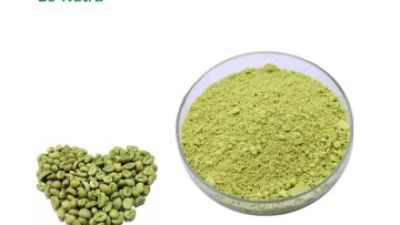
Exploring the Benefits and Uses of China Wholesale Green Coffee Bean Extract Chlorogenic Acid Powder for Supplements
Chlorogenic acid, primarily derived from China wholesale green coffee bean extract, has gained significant attention in the realm of dietary supplements due to its myriad health benefits. This extract is sourced from Coffea Arabica L and is available in various specifications, including 10%, 30%, 50%, and 98% concentrations. Its appealing appearance ranges from yellow-brown to off-white powder, making it not only effective but also versatile for inclusion in diverse health products.
One of the standout properties of chlorogenic acid is its potential to aid in weight loss, making it a popular choice for individuals seeking to manage their body weight. Additionally, this extract is known for its positive effects on cardiovascular health, such as helping to lower blood pressure and blood sugar levels. As a result, it finds applications not only in dietary supplements but also in healthy food products and various medicinal formulations. The product is safely packaged in vacuum aluminum foil bags and fiber drums, ensuring quality preservation for end users in the health and wellness sector.
FAQS
: Common extracts include elderberry, echinacea, and astragalus. Each has unique benefits for boosting immunity.
Elderberry can reduce the duration of flu symptoms by about four days, according to various studies.
Echinacea effectively reduces the risk of developing a cold by up to 58%. It's widely used for boosting immunity.
Yes, some extracts, like echinacea, may interfere with immunosuppressive drugs. Consultation with healthcare providers is essential.
Extraction methods impact potency. Not all extracts are equally effective, so careful selection matters for immune support.
The immune health market is projected to grow significantly, driven by interest in natural solutions versus synthetic ingredients.
Consider the quality and sourcing of extracts, as these can vary and affect safety and efficacy.
Individual health conditions lead to varied responses. Understanding these factors is crucial for effective immune support.
Recent studies highlight the benefits of specific botanical extracts, reflecting a growing interest in natural health solutions.
Many extracts lack rigorous testing. Research-backed supplements help ensure safety and effectiveness for consumers.
Conclusion
When selecting botanical extracts for immune support supplements, it is essential to understand their specific roles and effectiveness. Key factors to consider include the extract's source, active compounds, and historical usage in traditional medicine. Familiarity with common botanical extracts, such as echinacea, elderberry, and astragalus, can guide users in making informed choices.
Additionally, evaluating the quality and purity of these extracts is crucial, as it ensures their safety and efficacy. Dosage and formulation considerations are also important, as the appropriate amounts can significantly impact benefits. Lastly, staying informed about potential interactions with other supplements and medications is vital. By keeping abreast of research and trends in immune support ingredients, individuals can make better decisions regarding botanical extracts for immune support supplements.