Figuring out which natural ingredients are the best for your hair can feel pretty overwhelming, right? There are so many options out there, but not everything works for every hair type. It’s really important to understand what YOUR hair actually needs. Some ingredients will give your hair a nice boost of moisture, while others might end up making your hair feel heavy or weighed down.
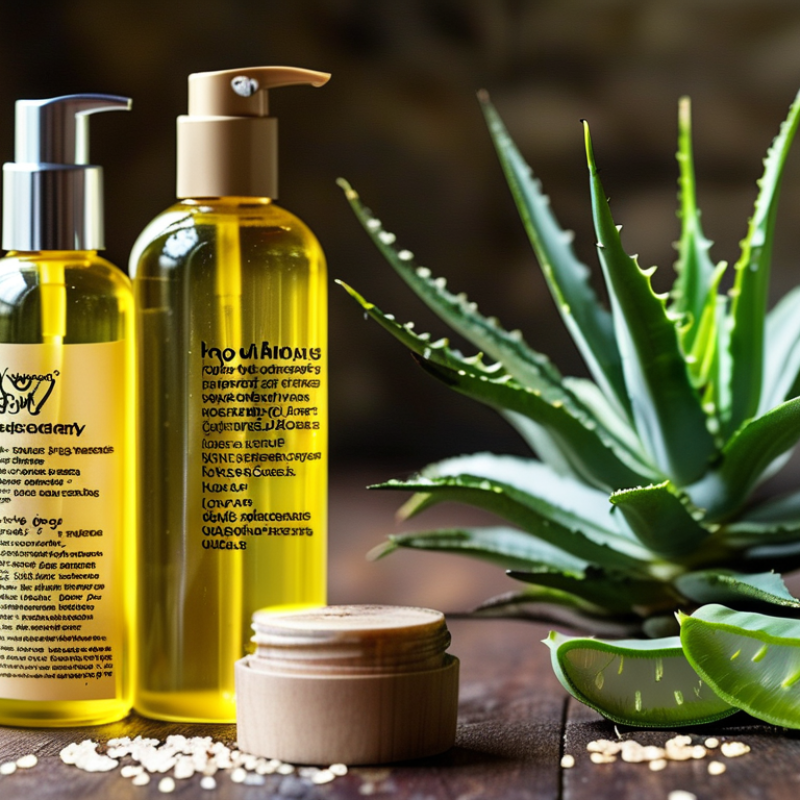
Natural ingredients like aloe vera and jojoba oil are awesome because they hydrate without leaving behind heavy residues. But here’s the thing — you gotta make sure they actually suit your hair. Trying out small amounts first is key, since what works for one person might not work for someone else.
And don’t forget to pay attention to where your ingredients are coming from. Are they organic? Were they sourced sustainably? As consumers, it’s on us to ask for transparency and clear info about cosmetic ingredients. Like with anything, finding what truly works involves some patience and a bit of trial and error. Be cautious of claims that sound way too good to be true. Honestly, focusing on quality over quantity will usually give you better results in the long run for your hair routine.
Understanding the Importance of Natural Ingredients in Hair Care
Natural ingredients play a crucial role in hair care. They offer a blend of nourishment and protection, unlike synthetic components that can often cause irritation. According to the "Consumer Insights: Natural Personal Care Products" report by Statista, approximately 54% of consumers prefer natural hair care products. This preference highlights a growing awareness of the benefits of natural formulations.
Many common natural ingredients, like aloe vera and coconut oil, are celebrated for their moisturizing properties. A study published in the Journal of Cosmetic Science found that products with natural oils improved hair hydration by 32% over synthetic options. However, not all natural ingredients are equally effective. It requires careful selection to avoid less beneficial compounds that could lead to build-up or residue.
There is also a challenge in understanding the source and processing of these natural ingredients. Labels can be misleading, with terms like "botanical" not always indicating purity. Consumers may assume that any natural product is safe, but it is essential to conduct thorough research. Evaluating the origin and extraction methods is vital to ensure quality and effectiveness. Natural doesn't automatically mean better; it demands informed decision-making.
Natural Cosmetic Ingredients for Hair Care
Identifying Common Natural Ingredients for Hair Health
When exploring natural ingredients for hair care, it’s essential to identify those that genuinely promote health and vitality. Essential oils like rosemary and lavender have been linked to improved scalp circulation, which can encourage hair growth. A study from the Journal of Cosmetic Dermatology highlighted that rosemary oil was as effective as minoxidil in promoting hair growth in a group of participants over six months.
Choosing suitable ingredients involves understanding their properties. For instance, aloe vera is renowned for its moisturizing qualities. It contains enzymes that nourish the scalp and reduce dandruff. Additionally, herbal extracts such as hibiscus are rich in amino acids, helping to strengthen hair and prevent breakage.
Tip: Always perform a patch test before trying new natural ingredients to ensure there is no allergic reaction. Understand your hair type, and choose ingredients that align with its needs. Organic and sustainably sourced ingredients often undergo fewer processing steps, ensuring higher nutrient retention.
Tip: Research Herbal Cosmetic Formulations derived from ancient practices. These formulations offer insights into what has worked for generations. Consumers should reflect on their needs and choose responsibly. Crafting your own blends can also be an engaging way to connect with your hair care routine.
Assessing the Benefits of Different Plant Oils for Hair
Choosing the right plant oils can transform your hair care routine. Each oil has unique properties that cater to different hair needs. For example, jojoba oil closely resembles natural scalp oils. It deeply moisturizes without making hair greasy. This is vital for those with oily hair types.
Coconut oil is another popular choice. Its molecular structure allows it to penetrate the hair shaft. This promotes hydration and reduces protein loss. However, some individuals may find it too heavy. It's important to test a small amount before regular use.
Argan oil is rich in essential fatty acids. It provides nourishment and enhances shine. While it’s effective, some may notice a buildup if used excessively. When crafting Cosmetic Chemistry Formulations, understanding the balance of these oils is crucial. Selecting the right combination can lead to better results. Always reflect on how your hair responds to these natural ingredients. Keep adjusting to find your perfect blend.
Evaluating Natural Extracts and Their Impact on Hair Growth
Choosing the right natural extracts for hair care is crucial.
Various studies highlight the significance of specific botanicals. For instance, a comprehensive review published in the Journal of Cosmetic Science indicates that essential oils like rosemary can improve hair growth. Researchers found a 22% increase in hair count in participants over six months using rosemary oil compared to a placebo.
Another noteworthy extract is saw palmetto. This ingredient has shown promising results in inhibiting dihydrotestosterone (DHT), a hormone linked to hair loss. According to a clinical report in the Journal of Alternative and Complementary Medicine, 60% of men experienced reduced hair loss after consistent saw palmetto application. However, individual results can vary, reflecting the complexity of hair growth factors.
When selecting natural ingredients, it’s important to consider not just effectiveness, but also potential sensitivities. Some individuals may react negatively to specific plant extracts. For example, while aloe vera is often revered for its soothing properties, it can cause irritation in sensitive individuals. Recognizing these responses is essential for a safe hair care routine.
Choosing Essential Oils for Scalp and Hair Treatments
Choosing the right essential oils is crucial for effective hair care treatments. Essential oils not only nourish the scalp but also promote healthy hair growth. According to a report from the Cosmetics Industry Association, over 75% of consumers prefer natural ingredients in their hair products. This trend highlights the growing demand for essential oils in hair care formulations.
Lavender oil is renowned for its calming properties. It can help reduce stress, which is often a factor in hair loss. Another effective oil is rosemary, known for improving circulation in the scalp. Research indicates that rosemary oil may stimulate hair growth, proving beneficial for those facing thinning hair.
However, it’s essential to dilute these oils properly. Using them undiluted can lead to skin irritation. Regardless of the perceived benefits, individual responses can vary. A patch test is always recommended. Exploring the realm of "Cosmetic And Toiletry Formulations" should involve understanding both benefits and potential risks. Being informed allows consumers to navigate the vast array of products available.
Understanding Labeling and Certifications for Natural Products
When choosing natural cosmetic ingredients for hair care, understanding labeling and certifications is crucial. Labels can often be misleading. Look for clear, concise descriptions. Terms like "organic" or "natural" can vary by brand. Research what those terms mean in the context of hair care. Certifications from trusted organizations lend credibility. These may indicate adherence to specific standards, enhancing product reliability.
Tips: Always prioritize ingredients that are well-known for their benefits. For example, oils like argan or jojoba often perform well. Investigate the source of these ingredients. Are they sustainably harvested? This information matters for ethical consumerism.
Beware of vague terms like "free from harsh chemicals." This does not guarantee the product's overall safety. Sometimes, they may use fillers that are less beneficial. Take your time to read reviews and testimonials. Others' experiences can provide insights into the effectiveness and quality of the product. Remember, natural does not automatically mean better for everyone. Individual hair type plays a significant role in what works best.
Tips for Conducting Patch Tests and Ensuring Safety in Use
Conducting a patch test is vital when exploring natural cosmetic ingredients for hair care. This simple step can reveal skin sensitivities. Apply a small amount of the product on a discreet area. Common spots include the inside of the elbow or behind the ear. Wait for 24 to 48 hours to observe any reactions. Redness or itching may indicate an allergy. It's essential to be cautious, as not all reactions occur immediately.
Understanding your skin type is crucial. Oily skin may react differently compared to dry or sensitive skin. Ingredients like essential oils can irritate some skin types. Research the properties of each ingredient thoroughly. Cosmetic & Personal Care Ingredients have diverse effects, which may not suit everyone. Consulting professionals or dermatologists can provide tailored guidance.
Safety is a continuous journey in personal care. Even if an ingredient works well today, it may not tomorrow. Environmental factors, dietary changes, or hormonal shifts could alter your skin's response. Regularly reassess your hair care products for safety and compatibility. Embrace the process and learn from any missteps along the way.
How to Choose Natural Cosmetic Ingredients for Hair Care? - Tips for Conducting Patch Tests and Ensuring Safety in Use
| Ingredient |
Benefits |
Potential Allergens |
Patch Test Recommendation |
| Coconut Oil |
Moisturizes and adds shine |
Rarely causes reactions |
Test on wrist for 24 hours |
| Aloe Vera |
Soothes scalp and reduces dandruff |
Mild irritation in sensitive individuals |
Apply small amount on skin, check after 24 hours |
| Jojoba Oil |
Balances scalp oil and promotes hydration |
Low risk of allergies |
Patch test not typically needed |
| Lavender Essential Oil |
Calms scalp and promotes hair growth |
Possible irritation for sensitive skin |
Perform a patch test on skin before use |
| Honey |
Hydrates and provides antibacterial properties |
Rare allergic reactions |
Test a small amount before full application |
Unlocking the Benefits of Hydrolysed Wheat Protein Powder in Personal Care Products
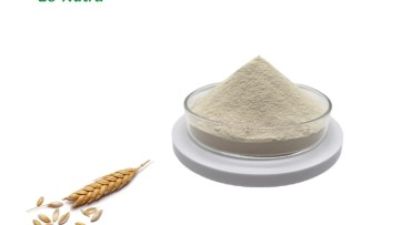
Hydrolysed wheat protein powder, a remarkable ingredient derived from wheat, is gaining prominence in the personal care industry. With its low molecular weight of less than 2000 Da, this powder boasts excellent water solubility, forming a clear liquid without visible impurities. The high protein content of 80% or more and a pH range of 5.0-6.0 further enhance its utility in various formulations. A significant advantage of this ingredient is its fast-acting properties, allowing for quick absorption and effectiveness in skin and hair care products.
The applications of hydrolysed wheat protein powder are vast, primarily due to its deep moisturizing capabilities and its ability to repair skin tissues and improve texture. In skin care, it is often incorporated into facial serums, lotions, and cleansing treatments, delivering hydration while promoting healthier skin. Similarly, in hair care, this ingredient enhances shampoos, hair masks, and conditioners by improving texture and providing anti-aging benefits. Moreover, its mild cleansing properties make it suitable for formulating gentle liquid soaps and washes, creating a comprehensive solution for personal care needs.
FAQS
: Rosemary and lavender essential oils can improve scalp circulation, encouraging hair growth.
Aloe vera moisturizes the scalp, nourishes hair, and reduces dandruff.
A patch test helps ensure there is no allergic reaction to new ingredients.
Each plant oil has unique properties, so consider your hair type and needs.
Coconut oil penetrates the hair shaft, promoting hydration but may feel heavy for some.
Saw palmetto can inhibit DHT, potentially reducing hair loss in some individuals.
While it's soothing, aloe vera can cause irritation in sensitive individuals, which is important to recognize.
Experimenting with different oils and extracts can help you create a product suited to your hair needs.
Yes, using oils excessively can lead to buildup. Adjusting usage based on your hair's response is key.
Studying ancient herbal formulations can provide insights into effective practices for hair health.
Conclusion
Choosing natural cosmetic ingredients for hair care formulations is essential for promoting healthy hair and scalp. The article emphasizes the importance of understanding the role of natural ingredients, highlighting common components that contribute to hair health. It guides readers through the benefits of various plant oils, evaluates natural extracts that encourage hair growth, and recommends essential oils suitable for scalp and hair treatments.
Additionally, the article discusses how to interpret product labels and certifications to ensure the authenticity of natural products. Safety is paramount, and it provides tips on conducting patch tests before using new formulations. By focusing on these aspects, individuals can make informed choices about natural cosmetic ingredients for hair care formulations, ultimately leading to improved hair vitality and overall well-being.