So, how do you actually choose plant protein peptides for supplements? It kind of starts with a simple but practical question: what is this ingredient supposed to do in the final product? Because a peptide can dissolve perfectly in a shaker, but then taste awful in a ready-to-drink bottle. The source matters, sure, but you also have to think about processing, quality controls, and whether there's real evidence it does what you want. Honestly, the label alone just doesn't cut it.
So there's this food scientist, Dr. David Julian McClements, who studies how plant-based foods are designed and what makes them work. One useful takeaway from his work—and this is my paraphrase, not an exact quote—is that what an ingredient does matters just as much as where it comes from. If you're buying ingredients, that means you shouldn't just stop at the plant source. You'll want to dig into the hydrolysis method, the amino acid profile, solubility data, and sensory results, too. Oh, and always ask for a current certificate of analysis. That one's easy to forget. Honestly, don't just take their word for it when they say "great quality." Ask to see how they test things and ask for results from the actual batch you're getting. Vague promises? Not good enough. And yeah, the little details matter—probably more than you'd think.
Okay, so when you're comparing botanical food supplements, don't just drop them in water and call it a day. Mix up the actual formula, let it sit for ten minutes, and then pay attention to how it looks, smells, and tastes — because that's what you're actually consuming. Also, check the allergen info carefully, and make sure their testing covers the stuff that actually matters for that product. Different markets have different rules, so it's worth checking the standards before you commit. And honestly? No single peptide is going to be the winner every time. Look, a clean ingredient list is great — but it can still be hiding a weak flavor or just not performing all that well. We might as well admit that. At the end of the day, the strongest choice is the one you can actually back up: solid evidence, clear documentation, and results you can reproduce in your own product.
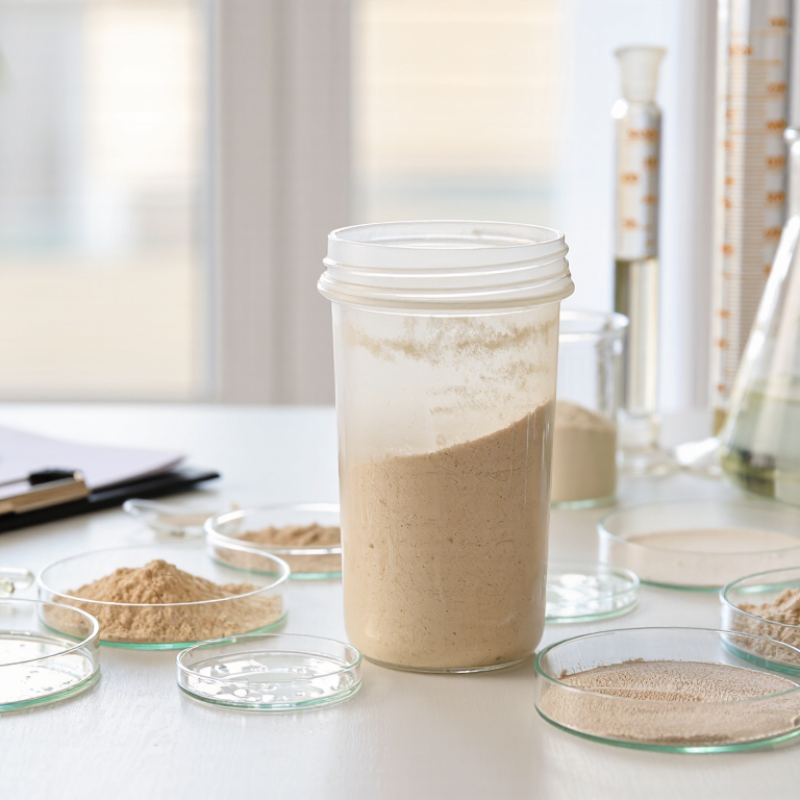
Start with the job you want the peptides to do. Are you adding protein to a breakfast smoothie, supporting a busy training routine, or choosing an ingredient for a powdered product? Your intended use affects practical choices, including serving size, flavor, and how easily the powder blends. Small details matter. A scoop that clumps in cold water may work better in oatmeal. For personal nutrition, compare the protein amount per serving with your needs, rather than judging by the scoop size alone.
Next, check the plant source and amino acid information. Pea, rice, and other plant proteins can differ in taste, texture, and nutritional profile. If you avoid certain ingredients, review the full ingredient list and allergen statement, not just the front label. For Botanical Dietary Supplements, consider how the peptides fit alongside your usual diet; they are not a substitute for varied meals. Taste matters, too. A sample stirred into your usual drink can reveal more than a polished label. I would also look for clear testing and quality information, while remembering that a certificate or claim does not tell you whether the product suits you. If you have a medical condition or specific dietary needs, ask a qualified health professional before making a change.
Plant Peptides are not interchangeable: their source shapes the amino acid profile, taste, and how a formula behaves in water. Pea protein often supplies useful lysine, while sulfur-containing amino acids such as methionine may be less abundant. Rice protein tends to contribute methionine but is relatively low in lysine, so blends can balance these gaps. Soy provides all nine essential amino acids, though allergies and flavor may matter for some users. Hemp has a distinct earthy note. Numbers matter more.
Check amino acids per serving, not only the protein figure on the label; a small scoop can change the comparison. Leucine is worth noting when evaluating support for muscle protein synthesis, but total essential amino acids and serving size matter too. Processing into peptides can affect solubility and taste, yet it does not automatically make an incomplete amino acid profile complete. Ask for a full amino acid panel and quality documentation, including contaminant testing. Even good data has limits. Values can vary by crop, extraction, and testing method, and some labels omit details. Compare products using the same serving basis, then choose a profile that fits dietary needs and tolerability.
When comparing plant protein peptides, check how peptide size is reported. Suppliers may provide an average molecular weight or a distribution, and these figures are not interchangeable. Smaller peptides can dissolve and digest readily, but size alone does not prove better absorption or results. Ask how the measurement was made and whether the data apply to the finished ingredient. A clear test method matters.
Digestibility also depends on the source protein, processing, and the rest of the formula. Plant Based Peptides from different sources can vary in taste, solubility, and amino acid profile. Try a small serving in water or a smoothie; grit or a lingering bitter note can affect daily use.
Not always. Look for human studies on the specific peptide and intended benefit, rather than relying only on lab tests. Claims about recovery, satiety, or metabolic effects should match the evidence and dose studied. I would also check allergen information and independent quality testing. A convenient peptide is not automatically a complete protein, and that distinction is easy to overlook.
Verify the ingredient before comparing claims. Ask for a lot-specific certificate of analysis, not a generic sample sheet. It should identify the protein source and report protein content, amino acid profile, microbial testing, and relevant contaminants such as lead and arsenic. Check that the laboratory and test methods are named. A polished certificate can still leave gaps.
The FAO’s 2013 report on dietary protein quality recommends evaluating digestible indispensable amino acids, rather than relying only on crude protein totals. That distinction matters: two powders can list similar protein amounts yet differ in amino acid availability. Request the method used and compare results across lots. I treat a clean certificate as a starting point, not proof. Paperwork can miss things.
Check manufacturing controls and certifications against their actual scope. A quality-system certificate may address facility processes, while independent product testing may check specific contaminants or label accuracy. Neither automatically confirms every health claim. Also review allergen controls and traceability, especially if the product combines pea, rice, or other plant proteins. One more detail: “Plant Collagen Peptides” is a search phrase, not a plant-derived collagen ingredient. Plants do not produce collagen; a plant-based supplement may instead provide nutrients involved in normal collagen formation. Ask exactly what the label means.
Plant protein peptides may come from pea, soy, rice, or blended sources. The source matters if you avoid certain foods or have a diagnosed allergy. Read the ingredient list and any “may contain” statement; production lines may handle several crops. “Plant-based” does not mean allergen-free. If the source or cross-contact controls are unclear, ask the manufacturer for specifics. Labels help, but they cannot answer every question.
Check the full additive list for sweeteners, flavors, gums, and added vitamins. These ingredients may affect taste or suitability, especially if you are sensitive to particular additives. Look for clear quality information, such as testing for microbes and heavy metals. A quality seal can be useful, but it does not replace checking what was tested and by whom. I would not treat a vague “clean” claim as proof of safety. If you have a serious allergy, health condition, or take medication, ask a qualified health professional before use.
Tips: Keep the package label and note the lot number. Try a small serving only if it is appropriate for you. Stop using it if you notice a reaction, and seek medical advice for concerning symptoms.
Plant protein peptides come as unflavoured powder, flavoured powder, and single-serve sachets. Choose a format you can use consistently. A tub may suit home smoothies, while sachets fit a work bag but often cost more per serving. Check whether the powder dissolves in water, oat milk, or your usual breakfast. A quick taste test matters. Some unflavoured peptides still have a noticeable earthy note.
Compare serving sizes by protein content, not scoop volume. One large scoop can contain less protein than a smaller serving from another product. Read the label for grams of protein per serving, ingredient sources, and any added sweeteners or allergens. Then match the serving to your meals and dietary needs. If you have a medical condition or specific protein target, ask a qualified health professional.
Price is clearer when calculated per 10 grams of protein, rather than per tub. Include shipping and the number of usable servings; a low sticker price can hide small portions. Look for accessible quality information, such as batch testing for identity and contaminants. Not every label makes this easy to verify. That is worth noticing. Even careful comparisons can overlook taste fatigue or poor mixability, so a smaller pack may be a sensible trial before buying in bulk.
Adult protein reference amounts by body weight (0.8 g per kg per day)
Use this as a baseline, not a supplement serving recommendation. Check the product label for protein per serving, then choose a powder or convenient single-serve format that fits your routine. To compare price value, calculate: price per serving ÷ grams of protein per serving × 25. Individual needs can vary, especially with age, activity level, or health conditions.
Pea protein often provides lysine, while rice tends to contribute methionine but offers less lysine. Soy contains all nine essential amino acids. Hemp can taste earthy. Crops vary, though.
No. Processing may affect solubility and taste, but it does not automatically correct gaps in the amino acid profile. Easy to assume otherwise.
Check the full amino acid panel per serving, total essential amino acids, leucine, and protein amount. Use the same serving basis. Labels may omit details.
Powder can work in a home smoothie, while sachets fit easily in a work bag. Sachets often cost more per serving. Taste first.
Compare grams of protein, not scoop volume. A larger scoop may provide less protein than a smaller one. Simple, but easy to miss.
Calculate the cost per 10 grams of protein. Include shipping and the number of usable servings. A low tub price can mislead.
Ask for a full amino acid panel, quality documentation, and batch testing for identity and contaminants. Details may be hard to find.
A smaller pack can help you test taste and mixability first. Try it with water or oat milk. One taste test may not tell the whole story.
How To Choose Plant Protein Peptides For Supplements starts with matching the ingredient to your nutrition goals and intended use, such as everyday protein support or a convenient addition to meals and drinks. Compare plant sources and their amino acid profiles, since ingredients can differ in the types and proportions of amino acids they provide. Consider peptide size, digestibility, and practical functional benefits, while avoiding assumptions that one option suits everyone.
Before choosing, review ingredient quality information, testing practices, and relevant certifications. Check the label for potential allergens, unnecessary additives, and clear safety guidance. Finally, compare the available formats and serving sizes with your routine, then assess the price in relation to the amount of protein and overall ingredient quality. A suitable choice should fit your dietary needs, be easy to use consistently, and provide transparent information that helps you make an informed decision.