Lately, the global food supplement market’s been growing like crazy. It’s pretty much fueled by more and more people waking up to how important their health is, plus a big buzz around natural and innovative products. If you look at a report from Grand View Research, they said the market was worth over over $140 billion back in 2020. And it’s not stopping there — it’s expected to grow roughly 8.2% every year from 2021 through 2028. As folks become more serious about getting the most out of their diets, knowing how to pick the right ingredients for supplements has become pretty crucial.
Over here at Xi'an Le-Nutra Ingredients Inc, we’re all about pushing the boundaries when it comes to nutraceuticals, foods, drinks, and personal care stuff — but we do it by sticking to high-quality, natural raw materials. This blog’s gonna walk you through what to keep in mind when choosing ingredients for your supplements so your products meet what consumers want and stay on the right side of regulations. The goal? Helping people feel healthier and live better overall.
Identifying Your Health Goals: Define What You Want to Achieve with Supplements
When you're trying to pick the right ingredients for a supplement,
the first thing to do is really figure out what your health goals are.
Are you hoping to boost your energy, give your immune system a bit of a lift, or just feel generally healthier?
Knowing what you want to achieve helps you pick what's actually going to work for you.
For example, if you're all about feeling more energized, ingredients like
B vitamins
or adaptogens might be just what you need.
Also, thinking about your personal health situation or any dietary restrictions is super important.
If you’re concerned about bones,
calcium and vitamin D should probably be your go-to.
On the flip side, if heart health is your focus,
you might want to look for omega-3s and
antioxidants.
By customizing your supplement choices based on your specific goals,
you’re not just being smarter about what you take—
you’re making your health routine more personal and way more effective.
So, take your time, choose wisely,
and let your health goals guide you
on this supplement journey.
Understanding Different Types of Food Supplement Ingredients and Their Benefits
When you're choosing ingredients for your supplements, it's really helpful to get a sense of the different types out there and what they actually do. You’ve got your usual suspects like vitamins, minerals, herbal extracts, and amino acids. For example, vitamins like C and D are pretty popular because they help boost your immune system and keep your skin looking healthy. Minerals such as magnesium and zinc play a big role in maintaining strong bones and keeping your metabolism running smoothly. Each of these nutrients has its own little job in your body, so picking the right ones can really fill in those nutritional gaps and keep you feeling your best.
Herbal extracts are another story — they come with a wide range of health perks. Take turmeric, for instance — everyone talks about its anti-inflammatory benefits. Then there’s ginseng, which many say can give you a nice energy boost and sharpen your brain power. Amino acids are basically the building blocks of protein, essential for muscle repair and growth, but they also help keep your overall metabolism on point. Understanding what these categories do and their benefits can really help you make smarter choices about which supplements to add to your daily routine, so you can get the most out of them and stay healthy.
How Food Supplement Ingredients Contribute to Health Benefits
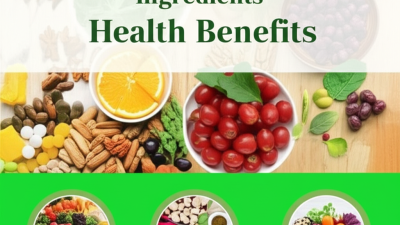
This chart illustrates the potential health benefits associated with various food supplement ingredients. Understanding these benefits can help you make informed decisions about which supplements to incorporate into your diet.
Key Factors to Consider When Selecting Quality Supplements
When you're choosing a good quality supplement, there are a few key things you should keep in mind to really get the most health benefits. First off, it’s super important to look at where the ingredients come from. Natural options tend to be absorbed better by your body compared to synthetic ones—so they’re usually more effective. It’s also a good idea to check the label for well-researched vitamins, minerals, or herbal extracts. Knowing what those ingredients do helps you make smarter choices—like collagen for your skin or omega-3s for your heart health.
Another thing to watch out for is how the supplement is made and whether it has proper certifications. When a product shows it’s been verified by trusted organizations, you can feel more confident that it’s safe and of good quality. Also, pay attention to the dose and the form—whether it's a tablet or capsule—as this can influence how easily your body can absorb and use the nutrients. If you take the time to consider all these factors, you’ll be better equipped to pick supplements that actually support your health and make you feel your best overall.
How to Read Labels: Deciphering Ingredient Lists and Dosage Information
Reading those food supplement labels can honestly feel pretty overwhelming at first, right? All those weird technical terms and long lists of ingredients—sometimes it’s hard to know where to start. My best tip? Focus on the ingredients listed at the top—that usually means they’re the most abundant. And try to look for familiar, high-quality ingredients rather than vague fillers or stuff you can’t recognize. If you see something unfamiliar, a quick online search can help you figure out what it is and whether it’s beneficial.
A few more pointers: when you’re checking out ingredient lists, it’s usually a good idea to pick products that don’t have artificial additives, preservatives, or allergens. That way, you’re more likely to find something that aligns with your health goals and dietary needs. Also, don’t forget to check the dosages—good supplements will clearly tell you how much to take per serving. That’s super important to avoid taking too much or too little.
And one last thing—look for transparency about where the ingredients come from. Labels mentioning things like ‘non-GMO,’ ‘organic,’ or ‘sustainably sourced’ are always a plus. It makes the product feel more trustworthy and likely to be better quality. Oh, and definitely chat with a healthcare professional before jumping into any new supplement routine—better safe than sorry, right?
How to Choose the Right Food Supplement Ingredients for Optimal Health Benefits
| Ingredient |
Health Benefit |
Recommended Dosage |
Possible Side Effects |
| Vitamin D |
Supports bone health and immune function |
600-800 IU per day |
Nausea, vomiting, weakness |
| Omega-3 Fatty Acids |
Promotes heart health and reduces inflammation |
250-500 mg per day |
Fishy aftertaste, gastrointestinal upset |
| Magnesium |
Supports muscle function and energy production |
310-420 mg per day |
Diarrhea, nausea |
| Probiotics |
Enhances gut health and immune support |
1-10 billion CFUs per day |
Gas, bloating |
| Vitamin C |
Boosts immune function and collagen synthesis |
65-90 mg per day |
Stomach upset, diarrhea |
Consulting with Healthcare Professionals: The Importance of Expert Advice
When it comes to choosing food supplements, chatting with healthcare pros beforehand is a total must. You see, nutrition and health are pretty complicated, and a one-size-fits-all approach just doesn't cut it. Getting advice from experts helps make sure you pick supplements that really fit your unique needs.
I read a recent study that found folks who regularly see dietitians and doctors are actually more likely to select the right supplements—and that can make a real difference in how they feel overall.
With more folks looking for personalized care these days, having a solid healthcare team is more important than ever. Take chronic conditions like diabetes, for example—dealing with that usually means talking to a few different specialists: dietitians, endocrinologists, even podiatrists.
Each of these experts has their own insights that can really impact how effective your supplements are. Plus, a report mentioned that over half of people managing chronic illnesses feel pretty overwhelmed by all the supplement options out there.
So, getting professional guidance isn't just helpful—it’s kind of essential. Working together like this not only helps you make smarter choices but also keeps you motivated to stick with your supplement plan and hit your health goals.
Sourcing and Sustainability: Choosing Brands with Ethical Practices
When you're choosing a food supplement, it's pretty important to think about where the ingredients come from and how the brands operate. A report from 2022 by the International Society of Nutraceuticals and Functional Foods showed that about two-thirds of people are more likely to buy supplements from companies that care about sustainability in their sourcing. Honestly, this just shows how more and more folks are paying attention to how what they put into their bodies affects not only their health but also the planet.
Sustainable sourcing isn’t just about picking high-quality, nutrient-packed ingredients. It also means making sure those ingredients are obtained ethically—so that workers are treated fairly and ecosystems aren’t harmed. In fact, a survey done by the Sustainability in Nutrition Initiative found that around 72% of people would be willing to pay a bit more for supplements from brands that are transparent and committed to ethical sourcing.
So, being open about where ingredients come from can really impact what people decide to buy. If consumers support brands that follow ethical practices, they’re helping promote a more sustainable future—plus, they get to enjoy the benefits of good-quality supplements in the process.
FAQS
: Consumers should prioritize the source of the ingredients, as natural supplements often provide better bioavailability compared to synthetic ones.
A well-researched ingredient list with vitamins, minerals, and herbal extracts allows consumers to make informed decisions based on specific health benefits.
The manufacturing process and certification reflect compliance with safety and quality standards, assuring consumers of the product's efficacy.
The dosage and form of supplements (like tablet or capsule) can significantly affect how easily the body can utilize the nutrients.
Expert advice ensures that individuals select supplements tailored to their specific health needs, which can enhance overall wellness.
Various experts provide unique insights that influence the efficacy of dietary supplements, especially for specific conditions like diabetes.
Over 50% of individuals with chronic conditions like diabetes report feeling overwhelmed by the plethora of supplement options available.
Choosing brands with sustainable sourcing practices reflects a growing awareness of the impact of ingredient sourcing on personal health and the environment.
Approximately 72% of consumers indicated they would be willing to pay a premium for supplements from brands committed to ethical sourcing.
Transparency can significantly impact consumer decisions, leading to increased support for brands that strive to implement positive changes in the nutrition industry.
Conclusion
When you're trying to pick the right food supplements for your health, it really starts with figuring out what your goals are. Like, are you after more energy, a stronger immune system, or maybe sharper focus? Knowing what you’re aiming for helps steer your choices in the right direction. It’s also super helpful to get familiar with different types of supplement ingredients and what they actually do—that way, you can choose products that really match what you need.
On top of that, don’t forget to pay attention to things like quality, how transparent the labels are, and whether you’ve talked to a healthcare pro. Reading those labels carefully—checking out ingredient lists and serving sizes—can save you from surprises. And chatting with a doctor or nutritionist can give you personalized advice that really makes your supplement plan work better. Oh, and think about where the ingredients come from and if the company practices sustainability—it's a small thing that really matters.
Here at Xi'an Le-Nutra Ingredients Inc, we’re all about offering innovative, natural, and healthy ingredients to support your journey toward better health. We’re with you every step of the way!