Leave Your Message
0%

When it comes to choosing the best vegetarian protein sources, honestly, it’s less about finding some magical single food and more about building balanced meals you can actually stick with. You know that famous Michael Pollan advice — “Eat food. Not too much. Mostly plants.”? It’s not exactly a protein prescription, but it’s a solid reminder to stop obsessing over the label numbers. Honestly, the right choices are the ones that actually fit you—your appetite, your budget, how you like to cook, and what your body needs. There’s no one-size-fits-all.

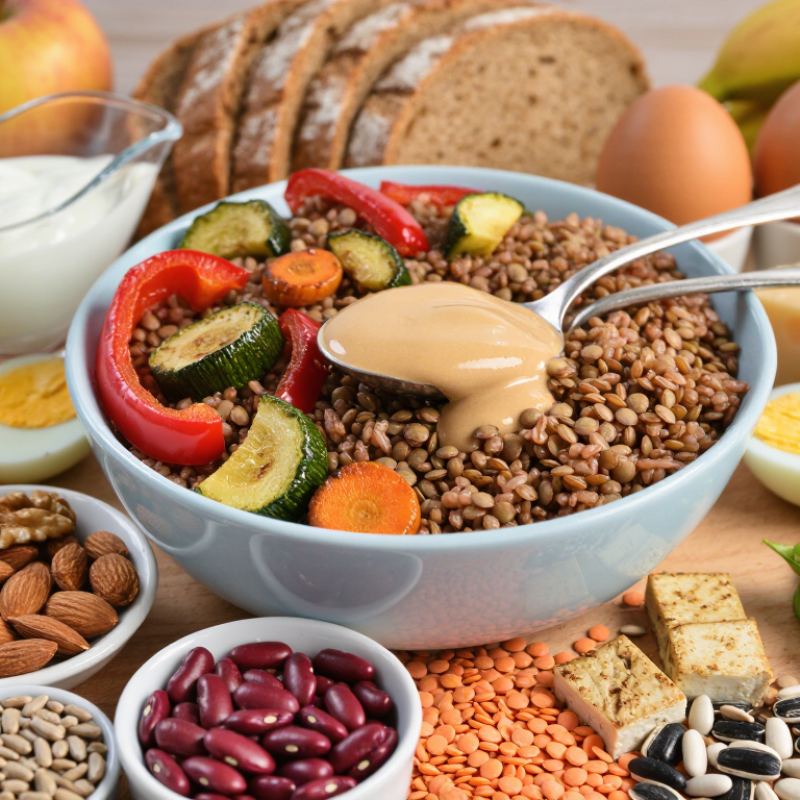
Picture a bowl with lentils, brown rice, roasted veggies, and a little tahini drizzled on top. That’s protein, fiber, and a bunch of other good stuff—but since the ingredients are familiar, you’re way more likely to make it again. You can also mix in beans, peas, tofu, tempeh, edamame, nuts, seeds, and dairy or eggs if you’re into that. Sure, some options need more prep. Others? Basically grab-and-go. And let’s be real: convenience matters.

Variety matters just as much. You don’t need one single food to do everything, right? When you compare options, look at protein per serving, but also glance at sodium, added sugar, fiber—and how processed you’re okay with. A protein bar can be a lifesaver when you’re rushing to work, but it’s not meant to replace real meals all the time. And honestly, your needs change depending on your age, how active you are, your health, and how many calories you’re taking in. If you’ve got specific health issues, talk to a qualified dietitian or doctor instead of guessing. You can be super thoughtful about what you pick, but if the portion sizes, price, or flavor aren't right, it still might not work out. That's worth paying attention to. In the next sections, I'll walk you through a simple way to compare your options and find something you'll genuinely like.
How to Choose the Best Vegetarian Protein Sources

Determine Your Daily Protein Needs

Your daily protein target depends on body weight, age, activity, and health. For many healthy adults, the recommended baseline is 0.8 grams per kilogram of body weight each day. A 70-kilogram adult would need about 56 grams. This is a general reference, not a performance goal for everyone. People who are pregnant, highly active, older, or managing a medical condition may need individualized guidance from a qualified health professional.

Tips: Check serving sizes on nutrition labels. Add protein to meals, not just snacks. Tofu, lentils, beans, eggs, dairy, nuts, and seeds can all contribute. Small choices add up.

A “Vegetarian Full Protein” approach can include foods that provide all essential amino acids, such as soy, dairy, and eggs. You can also meet your needs by eating varied plant proteins across the day; they do not have to be combined at every meal. For example, try lentils with whole-grain bread at lunch, then yogurt or tofu later. Tracking intake for a few typical days may reveal gaps, though food logs are imperfect and portions are easy to misjudge. If you feel persistently tired or have concerns about your diet, ask a registered dietitian for personalized advice.

Compare Protein Quality and Amino Acid Profiles

How to Choose the Best Vegetarian Protein Sources

Protein quality depends on more than grams per serving. The FAO’s 2013 Expert Consultation recommends assessing digestible indispensable amino acids, not protein content alone. This approach considers both amino acid balance and digestibility. Useful, but not always easy to apply at the grocery store.

A practical Vegetarian Protein List can include lentils, soy foods, grains, nuts, and seeds. USDA FoodData Central reports about 18 grams of protein in one cup of cooked lentils and a similar amount in cooked edamame. Their amino acid profiles differ: legumes tend to provide less methionine, while many grains provide less lysine. Pairing beans with rice can help balance the overall pattern. It need not happen in the same bite.

Look beyond the label. Soy foods generally offer a more balanced essential amino acid profile than many single plant sources, while nuts and seeds add useful variety. Check serving sizes, too: a small handful of almonds contributes less protein than a full cup of lentils. The comparison is not perfectly tidy; processing and digestion affect how much protein the body can use. Real meals vary. FAO’s DIAAS framework is valuable, but food-level scores do not tell the whole story of a person’s diet.

Survey Major Vegetarian Protein Sources

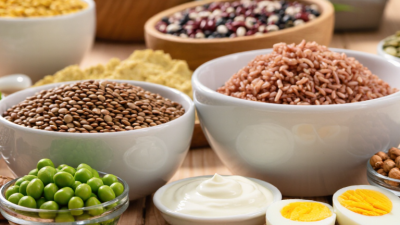
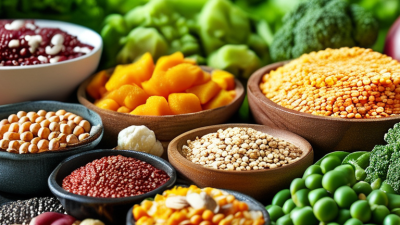
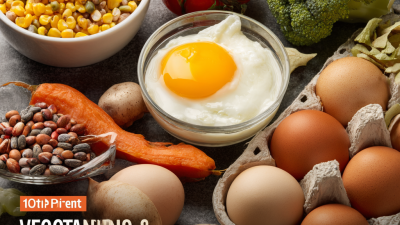
Vegetarian protein comes from more than one food group. Lentils, chickpeas, and beans offer protein alongside fiber; a bowl of lentil soup also brings iron and folate. Soy foods, including tofu, tempeh, and edamame, are versatile options. Tofu takes on the flavor of a ginger marinade, while tempeh has a firmer, nuttier bite. Seitan is protein-rich, but it contains wheat gluten, so it is unsuitable for people with celiac disease. Eggs and dairy can also contribute, depending on your eating pattern. Nuts, seeds, and whole grains add useful amounts, though their protein per serving may be lower.

Variety matters. Pairing beans with grains across the day can help provide a broad mix of amino acids; they do not need to appear in the same meal. Needs differ with body size, activity, health, and life stage, so one target will not fit everyone.

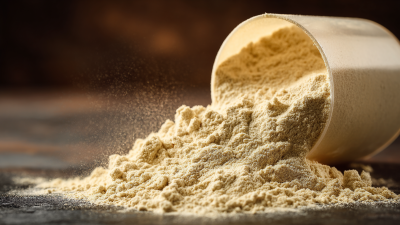
Vegetarian Protein Powder can be convenient when meals are rushed, but check its protein amount and ingredients. It should complement food, not quietly replace it.

Tips: Keep roasted chickpeas for a crunchy snack, or add edamame to rice. Compare labels, since portions and protein levels vary. I still find planning every meal tiring, so simple repeatable choices can be more realistic.

Check Nutrients, Allergens, and Processing

When comparing vegetarian proteins, check the serving size as well as the protein number. USDA FoodData Central lists about 18 grams of protein per cup of cooked lentils and roughly the same amount in cooked edamame. Those servings also differ in fiber, calories, and other nutrients. A quick scan of the nutrition panel helps prevent a protein-heavy choice from crowding out the rest of a meal. It is easy to overvalue one number. I still find it persuasive.

Allergens deserve equal attention. The FDA identifies nine major food allergens, including soy, wheat, peanuts, tree nuts, and sesame. Tofu and edamame contain soy; seitan is made from wheat gluten. Read ingredient and “contains” statements, especially on packaged patties and protein powders. Recipes and facilities can change, so an old label is not a guarantee. That detail is easy to miss.

Processing is not a simple healthy-or-unhealthy test. Compare sodium across canned beans, meatless crumbles, and seasoned tofu. FDA labeling guidance treats 20% of the Daily Value or more per serving as high in sodium; the Daily Value is 2,300 milligrams. Rinsing canned beans may reduce some surface salt, though it will not erase all sodium. Check for added oils and flavorings, too. A short ingredient list can be useful, but it is not proof of better nutrition.

Match Protein Choices to Meals and Lifestyle

A good vegetarian protein choice should fit the meal and the time you have. Stir Greek or soy yogurt into oats, then add nuts or seeds for a quick breakfast. At lunch, lentils make soup or a grain bowl heartier without much extra prep. Tofu takes on the flavor of a simple marinade, while eggs, beans, and cottage cheese work well in meals you can assemble quickly. Keep it practical. If a food needs more preparation than your schedule allows, you may stop reaching for it.

For busy mornings or after exercise, Vegetarian Protein Shakes can be convenient, especially when paired with fruit or a small snack. They do not need to replace whole foods; check the label for protein, added sugar, and ingredients that suit your needs. A mix of sources across the day can make meals more satisfying, but exact amounts depend on your body and activity. A small detail people overlook: canned beans need rinsing, and tofu may need pressing, so both take a little planning. I would not pretend every meal is perfectly balanced. Some days, a bean-and-cheese wrap is simply what fits.

Combine Sources for Variety and Balanced Intake

A varied vegetarian plate can spread protein across beans, soy foods, grains, nuts, and seeds. The National Academies set the adult protein RDA at 0.8 grams per kilogram of body weight daily; individual needs can differ. USDA FoodData Central lists roughly 18 grams in a cup of cooked lentils and about 8 grams in a cup of cooked quinoa. Pairing lentils with rice or hummus with whole-grain bread adds variety, though foods do not need to be combined at every meal. Think across the day.

The Academy of Nutrition and Dietetics’ position paper reports that appropriately planned vegetarian diets can be nutritionally adequate. Still, variety takes a little planning. Try tofu with brown rice and vegetables at dinner, then yogurt, nuts, or beans at another meal. Small choices add up. I sometimes find it easy to repeat the same two plant proteins, which can make meals dull and narrow the mix of nutrients. Rotate options, and check labels: protein amounts vary by product and serving size. For higher needs, such as during pregnancy or recovery, a registered dietitian can help tailor portions.

Hydrolyzed Peanut Protein for Personal Care: Insights from Grand View Research’s Skincare Market Report

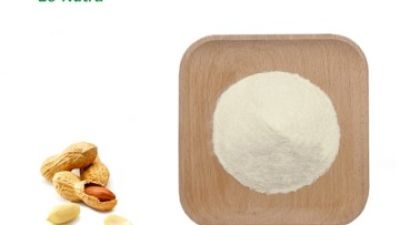
Hydrolyzed peanut protein offers a versatile ingredient option for personal care developers exploring the skincare opportunities discussed in Grand View Research’s skincare market report. As interest grows in products that support a healthy-looking, resilient complexion, peanut oligopeptides—also known as peanut peptides—can be considered for formulations focused on anti-aging and skin-firming properties. Their molecular weight is ≤2,000 Da, with customized specifications available to suit different product-development needs.

The ingredient is supplied as a white to light-yellow powder, with protein content of at least 80% on a dry basis. When dissolved in water, it forms a very clear liquid without visible impurities, supporting its use in a range of skincare and haircare formulations. In skin products, it may be incorporated into concepts designed to help improve the appearance of firmness. In haircare, it can support formulas aimed at enhancing hair strength and elasticity. These characteristics give formulators flexibility to explore hydrolyzed peanut protein across creams, serums, and other personal care formats.

FAQS

How much protein do most healthy adults need each day?

A common reference is 0.8 grams per kilogram of body weight. At 70 kilograms, that is about 56 grams daily. It is not a personal performance target.

Which vegetarian foods provide protein?

Tofu, lentils, beans, eggs, dairy, nuts, and seeds all contribute. Try lentil soup at lunch or yogurt with oats at breakfast.

Do plant proteins need to be combined at every meal?

No. Eat varied protein sources across the day. Lentils with whole-grain bread at lunch and tofu later can add variety.

What are easy protein options for busy mornings?

Stir Greek or soy yogurt into oats, then add nuts or seeds. A shake with fruit can also be convenient. Check its label.

How can I make vegetarian meals more filling?

Add lentils to soup or a grain bowl. Tofu with brown rice and vegetables works well for dinner. Keep it practical.

How much protein is in lentils and quinoa?

One cup of cooked lentils has roughly 18 grams. One cup of cooked quinoa has about 8 grams. Portions vary.

Do protein powders or shakes need to replace meals?

No. They can supplement meals or serve as a convenient snack. Check protein, added sugar, and ingredients. Whole foods still matter.

When should I seek personalized protein advice?

Pregnancy, older age, high activity, recovery, or medical conditions may change your needs. Ask a qualified health professional. Persistent tiredness is worth discussing, too.

How can I tell whether my meals have enough protein?

Check serving sizes on food labels and track a few typical days. Food logs are imperfect, and portions are easy to misjudge. Some days, plans slip.

Conclusion

Choosing the best Vegetarian Protein sources begins with understanding your daily protein needs, which can vary with age, activity level, and personal goals. Consider not only the amount of protein in each food but also its quality and amino acid profile. Beans, lentils, peas, soy foods, nuts, seeds, and whole grains all offer useful options, though their protein content and overall nutrient profiles differ.

Compare choices for nutrients such as fiber, iron, and calcium, while also checking for allergens and how processed a food is. Then match sources to your meals, preferences, budget, and routine—for example, use quick options when time is limited and heartier ingredients for filling meals. Eating a varied mix of plant proteins across the day can help create a balanced diet without relying on a single source.
Oliver

Oliver

Oliver is a dedicated marketing professional with extensive expertise in the research and production of natural, healthy, and innovative raw materials. He plays a crucial role in our company's mission to provide high-quality ingredients for nutraceuticals, food and beverage, as well as cosmetics......
Previous Top Botanical Extracts for Dietary Supplements in 2026