Leave Your Message
0%

You know how a serum can look totally fine in the bottle, but then one day you realize the scent is gone, the color's a little off, or it's gotten strangely watery? That's exactly why ingredient stability in skincare deserves more attention than just how things appear at launch. The global skincare market was worth around USD 146.7 billion in 2023, according to Grand View Research — huge, right? But a big market doesn't automatically mean stable products. Every single formula still has to prove itself.

So, there’s this document—ISO/TR 18811:2018—that lays out some guidance on stability testing for cosmetics. It’s not like a one-size-fits-all checklist, which honestly makes sense. Heat, light, oxygen, water activity, packaging, even how ingredients interact—they can all mess with your results. Take a cream in a wide-mouth jar: it’s going to face different conditions than the same formula in an airless pump. So yeah, the little stuff really matters.

So this intro is basically about how stability testing can help you spot changes—both visible and functional—that happen over time. And why you’ve got to read those results with the product’s actual storage and use in mind. There’s also a practical reality check here: accelerated testing can raise red flags, sure, but it won’t perfectly predict what’s going on in someone’s bathroom. Honestly, we should just be upfront about that gap. Okay, so this article about hydrolyzed keratin in hair products definitely gets you thinking about how ingredients actually perform. But just because something works for hair doesn't mean we can assume it'll do the same for skin. The real goal here is simple: formulate carefully, test transparently, and base claims on what you've actually observed—not on guesswork.
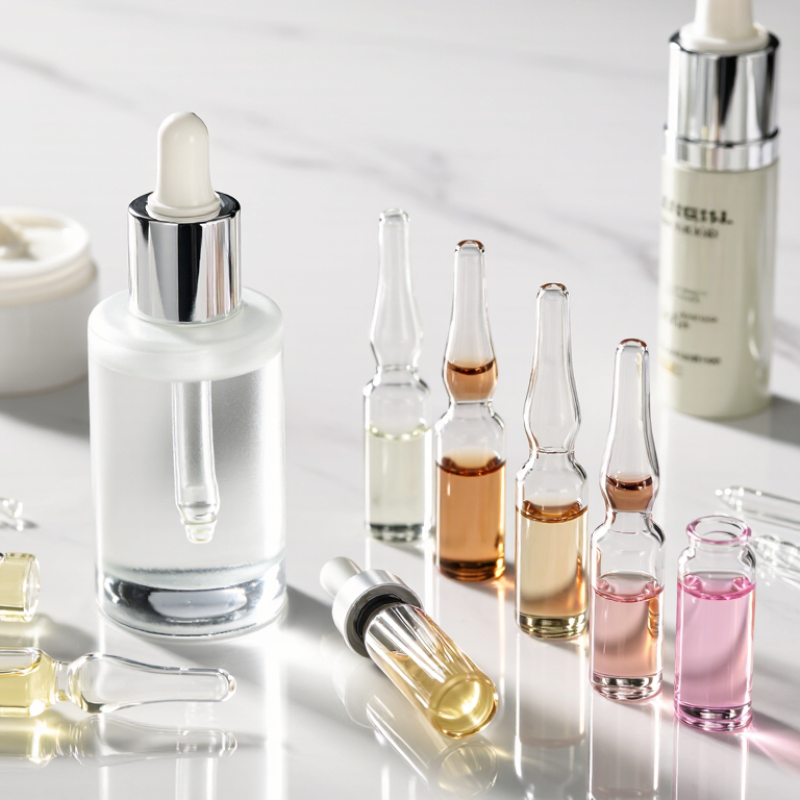
Top Cosmetic Ingredient Stability in Skincare Products?

What Ingredient Stability Means in Skincare Products

Ingredient stability describes how well a Cosmetic Ingredient keeps its intended properties over time. It may affect a product’s appearance, texture, scent, and performance. Stability depends not only on the ingredient itself, but also on the formula around it. A change in acidity, for example, can influence how certain ingredients behave.

Light, heat, oxygen, and moisture can all contribute to change. A clear jar left on a sunny windowsill may expose its contents to more light and air than a tightly closed, opaque container.

Formulas can also shift through interactions between ingredients. That matters. A product that looks and smells unchanged may still have experienced chemical changes, while a slight texture difference does not automatically prove it is unsafe.

Cosmetic stability is assessed through testing, including storage under different conditions and observation over time. These tests help identify changes in color, odor, viscosity, and other measurable properties. They cannot make every product immune to poor storage or repeated exposure to air. It is tempting to judge stability by packaging or a “natural” label, but that shortcut is imperfect. Not always. The full formula, packaging, and storage conditions all deserve attention.

Key Factors That Affect Cosmetic Ingredient Stability

Top Cosmetic Ingredient Stability in Skincare Products?

Key Factors That Affect Cosmetic Ingredient Stability

Cosmetic ingredients can change when exposed to heat, light, oxygen, or unsuitable pH. These shifts may affect a product’s color, scent, texture, or performance. Heat speeds change. Light matters, too. A vitamin-rich formula, for example, may need protection from bright light and repeated air exposure. The right packaging helps, but it cannot correct an unstable formula.

Water content and pH also shape stability. In water-based creams and serums, moisture can support microbial growth, so preservation and product testing are essential. Ingredients may also interact: a mineral compound can alter the color or availability of another ingredient. A supplier’s data for a Supplement Ingredient may not predict how it behaves in a finished skincare formula. Check stability in the complete product, not just in isolation.

Manufacturing conditions matter as well. Long heating, slow cooling, or uneven mixing can affect sensitive ingredients before a product reaches its container. Test samples under realistic storage conditions, including temperature changes and light exposure. A clear sample alone is weak evidence. A bathroom shelf can be warm, humid, and far less controlled than a laboratory. Even careful testing has limits, and packaging or user habits may complicate the picture.

Top Cosmetic Ingredient Stability in Skincare Products? – Key Factors That Affect Cosmetic Ingredient Stability

Ingredient or Ingredient Group Common Stability Concern Key Factors That Affect Stability Formulation and Packaging Considerations Practical Storage Guidance
L-Ascorbic Acid (Vitamin C) Can oxidize, which may cause discoloration and reduce the amount of active vitamin C. Oxygen, light, heat, water exposure, metal ions, and formulation pH can affect its stability. Formulators often use a suitably low-pH formula, limit exposure to air and light, and assess compatible stabilizing ingredients. Opaque, tightly closed packaging can help limit exposure. Follow the product label. Store away from heat and direct sunlight, and close the container promptly after use.
Retinol and Related Retinoids Some retinoids can degrade with exposure to light, oxygen, or heat. Stability varies by retinoid type and formula; light, air, temperature, and interactions with other ingredients may matter. Protective packaging, such as an opaque air-restrictive container, may reduce exposure. Stability should be evaluated in the finished formula. Store as directed on the label, generally away from heat and direct sunlight.
Niacinamide Generally considered comparatively stable in typical cosmetic formulations, but stability is not unlimited. Extreme pH, prolonged heat, and the overall formula can affect stability. Compatibility depends on the specific ingredients and conditions. Use a formula with a suitable pH and verify compatibility and stability in the complete product rather than relying on ingredient-level assumptions. Keep the product closed and follow the label’s storage instructions.
Alpha Hydroxy Acids (AHAs), such as Glycolic Acid The product’s acidity and performance can be affected by formulation changes or unsuitable storage. pH, water content, temperature, and interactions with other ingredients influence the finished formula. Formulators control pH and assess the stability of the complete formula. Packaging must be compatible with the product’s acidity. Use and store according to the product label; avoid prolonged exposure to excessive heat.
Peptides Some peptides may lose integrity or activity under unfavorable conditions. Stability depends on peptide structure and can be influenced by pH, heat, oxidation, water, and interactions with other formula components. Choose compatible formula conditions and packaging, and test the specific peptide in the finished product. Follow label directions and avoid unnecessary exposure to heat or air.
Botanical Extracts and Polyphenols Some plant-derived compounds can oxidize or change color, odor, or composition over time. Light, oxygen, heat, water, extraction method, and the natural variability of botanical materials can affect stability. Standardized raw materials, suitable antioxidants where appropriate, and protective packaging can help manage variability and exposure. Keep the container closed and follow the product’s storage instructions.
Unsaturated Plant Oils Oxidation can cause rancid odors and changes in color or product quality. Oxygen, light, heat, and the oil’s fatty-acid composition affect its susceptibility to oxidation. Limit air and light exposure, use compatible packaging, and consider antioxidant protection where appropriate. Store tightly closed and away from heat and direct sunlight.
Preservatives Preservative effectiveness can vary; a preservative system may not adequately protect every formula. Formula pH, ingredient compatibility, water content, packaging, and the types of microorganisms present can influence performance. Preservative selection and concentration must suit the formula. Finished products should be evaluated with appropriate microbiological testing, such as a preservative efficacy test. Keep packaging clean, avoid introducing water or contaminants, and follow the label’s use period and storage directions.
Mineral UV Filters, such as Zinc Oxide and Titanium Dioxide The filters may be physically stable, but uneven dispersion or changes in the formula can affect product uniformity and performance. Particle dispersion, settling, agglomeration, emulsion stability, and packaging compatibility are important considerations. Formulators use suitable dispersion and suspension systems and evaluate the finished sunscreen. Sun protection claims depend on testing of the complete product. Use as directed on the label. Do not rely on appearance alone to assess sun protection performance.
Water-Based Emulsions Emulsions can separate, thicken, thin, or otherwise change during storage. Temperature fluctuations, freeze–thaw cycles, ingredient compatibility, and manufacturing conditions can affect physical stability. Emulsifier choice, processing, packaging, and stability testing help determine whether the product remains uniform over its intended shelf life. Avoid freezing or prolonged heat unless the product label states otherwise.
Note: Ingredient stability depends on the complete formula, manufacturing process, packaging, and storage conditions. These are general formulation considerations, not a guarantee of shelf life or product performance.

Common Skincare Ingredients and Their Stability Profiles

Common skincare ingredients behave differently in a finished formula. Vitamin C can oxidize with exposure to air, light, and heat. A serum that darkens noticeably may have changed, though color alone cannot confirm its potency. Opaque, tightly closed packaging can reduce exposure. Retinoids are also sensitive to light and air, so their packaging and storage conditions matter. Keep them away from sunny windows. Niacinamide is generally more stable across typical skincare conditions, while exfoliating acids depend partly on the formula’s pH. The ingredient name alone does not tell the whole story.

Moisturizers often combine water, oils, and ingredients such as glycerin or ceramides. Their stability depends on the full formula, preservation, and packaging—not just one featured ingredient. Heat matters. Store products as directed, and avoid repeatedly leaving open jars in warm, humid rooms. Peptides can vary in stability, so claims about them should be assessed in the context of the specific product and its testing. The phrase “Ingredient Moisturizer Skintific” is less informative than a clear ingredient list and storage guidance. I would not treat a stability chart as a guarantee; formulas differ, and everyday handling can be imperfect.

How Formulation Choices Protect Sensitive Ingredients

Top Cosmetic Ingredient Stability in Skincare Products?
How Formulation Choices Protect Sensitive Ingredients

Sensitive ingredients can change when exposed to oxygen, light, heat, or unsuitable pH. Vitamin C derivatives, retinoids, and some plant extracts may need different protection. Skincare Actives are not interchangeable; each has its own stability needs. The formula must protect them without making the product unpleasant to use.

Formulators can limit exposure with opaque, airtight packaging, such as a pump bottle that keeps fingers away from the cream. They may also adjust pH, choose compatible oils and solvents, or add antioxidants and chelating agents. These choices matter. A jar beside a sunny bathroom window is a tougher environment than a sealed package stored in a cool cupboard. Still, packaging cannot rescue every unstable combination.

Stability testing checks how a formula changes over time and under conditions such as warmth or light. Appearance, smell, texture, and ingredient levels can all offer useful clues. No single test tells the whole story. Some trade-offs remain: a thicker barrier may protect ingredients but feel heavy on skin. That is not always elegant. Formulation decisions need evidence, repeated testing, and honest review when results fall short.

Packaging and Storage Practices That Preserve Potency

Packaging can protect a formula—or quietly undermine it. Air, light, heat, and repeated finger contact may accelerate oxidation or introduce contamination. Choose opaque, tightly sealed containers for light-sensitive ingredients, and consider airless pumps when frequent exposure is a concern. They reduce contact with air, but they do not make a formula immune to poor storage.

For storage testing, ICH Q1A(R2) uses 40°C and 75% relative humidity for six months as an accelerated condition for certain drug products. This is pharmaceutical guidance, not a universal cosmetics rule; still, it offers a useful stress-testing reference.

Test the formula in its intended package, tracking color, odor, texture, and ingredient levels over time. Small changes matter. A clear bottle left beside a sunny window is a real-world stress test, just not a controlled one.

Keep products cool, dry, and away from direct sunlight, while following the product’s own storage instructions.

Packaging choices involve trade-offs: pumps can limit exposure, yet a poorly matched pump may clog or leave product behind. I’d check compatibility rather than assume the most protective-looking package is best.

How Ingredient Stability Is Tested and Reported

How Ingredient Stability Is Tested and Reported

Stability testing tracks whether a skincare formula changes during storage. Samples are kept under defined conditions, such as room temperature, elevated heat, or light exposure. Some programs also use freeze-thaw cycles, though these do not suit every product. Testing should reflect the formula, packaging, and likely storage conditions.

At set intervals, trained evaluators check color, odor, texture, and signs of separation. Instruments can measure pH and viscosity, while validated analytical methods may track the amount of a selected active ingredient. Microbial testing is assessed separately; a preservative challenge test can help evaluate how well the formula resists microbial growth.

Small changes matter.

A useful report names the batch, container, storage conditions, test dates, methods, and acceptance criteria. It should show actual results, not simply say “passed.” For example, a table might record pH and viscosity at each interval beside agreed limits. Any unexpected shift should be documented and investigated, not quietly omitted. Accelerated testing can flag potential problems, but it does not perfectly predict every product’s real-time shelf life. That limitation deserves plain language. A tidy chart can still miss how repeated bathroom humidity or a loose cap affects use; testing plans may need better reflection of real handling.

Wholesale Cosmetic-Grade D-Panthenol: Benefits and Uses in Skincare and Hair Care

Cosmetic-grade D-Panthenol, also known as Dexpanthenol, is a versatile ingredient for skincare and hair care formulations. As a provitamin B5 derivative, it is valued for its moisturizing and conditioning properties. In skincare products, it can help support a soft, comfortable feel by attracting and retaining moisture. In shampoos, conditioners, and other hair care formulas, it can help leave hair feeling smoother and easier to manage. Its broad formulation uses make it a practical choice for manufacturers developing everyday personal care products.

Available as a white powder, this D-Panthenol is supplied in cosmetic grade and packaged in 25 kg drums for wholesale purchasing. The product has a stated shelf life of 24 months when stored appropriately. With 10 years of experience in the natural ingredients industry, the supplier offers payment options including T/T, Western Union, PayPal, and Alibaba Assurance Account. Formulators can incorporate the ingredient into suitable product designs according to their specifications and processing requirements.

FAQS

What does ingredient stability mean?

It means an ingredient keeps its intended properties over time. Changes may affect a product’s color, scent, texture, or performance.

What can affect stability?

Heat, light, oxygen, moisture, and pH can all matter. A sunny windowsill may expose a clear jar to extra light and air.

Does unchanged appearance prove a product is stable?

No. Chemical changes may happen without obvious visual signs. A small texture shift also does not automatically mean a product is unsafe.

How does packaging help protect a formula?

A tightly closed, opaque container can reduce exposure to light and air. It cannot fix an unstable formula. Not always.

Why test ingredients in the finished product?

Ingredients can interact with each other. A mineral compound, for example, may affect another ingredient’s color or availability. Results from an ingredient alone may not predict the finished formula.

What happens during stability testing?

Samples are stored under defined conditions, such as room temperature, heat, or light. Evaluators check color, odor, texture, and separation. Instruments may measure pH and viscosity.

Is microbial testing part of stability testing?

It is assessed separately. A preservative challenge test can help evaluate resistance to microbial growth in water-based products. Small changes matter.

What should a stability report include?

It should name the batch, container, conditions, dates, methods, and acceptance criteria. Look for measured results, such as pH and viscosity beside agreed limits.

Can accelerated testing predict exact shelf life?

It can flag potential problems, but it cannot perfectly predict real-time storage. Bathroom humidity or a loose cap may change how a product is used. The limits deserve honest review.

Conclusion

Cosmetic Ingredient Stability In Skincare Products refers to how well an ingredient retains its quality, effectiveness, and intended properties over time. Stability can be influenced by factors such as light, heat, air, moisture, pH, and interactions with other ingredients. Different skincare ingredients respond differently to these conditions, so understanding their individual stability profiles helps guide product development and everyday use.

Formulation choices can help protect sensitive ingredients, while suitable packaging and storage practices may reduce exposure to conditions that cause them to degrade. Stability testing evaluates how a product performs over time under defined conditions, and clear reporting helps communicate its expected quality and storage needs. Together, careful formulation, protective packaging, and systematic testing support skincare products that remain consistent and effective throughout their intended use.

Oliver

Oliver

Oliver is a dedicated marketing professional with extensive expertise in the research and production of natural, healthy, and innovative raw materials. He plays a crucial role in our company's mission to provide high-quality ingredients for nutraceuticals, food and beverage, as well as cosmetics......
Previous How to Choose Plant Protein Peptides for Supplements?