Leave Your Message
Sure, 2026 is right around the corner, and Supplement Ingredient trends are getting interesting. It’s not just about flashy flavors or pretty labels anymore. People are actually doing their homework—asking tougher questions about evidence, where ingredients come from, and what they really do in the body. And the numbers back that up: according to the Council for Responsible Nutrition’s 2024 Consumer Survey, 75% of U.S. adults are taking dietary supplements. That’s a lot of people, which means choosing the right ingredients matters more than ever. And honestly, it kind of raises the bar for how clearly we communicate, you know?
So, market forecasts? Everyone's buzzing about growth. Grand View Research pegged the global dietary supplements market at around $192.7 billion in 2023, and they're expecting it to keep climbing right through 2030. But here's the thing—just because the market's expanding doesn't mean every new supplement ingredient actually delivers. You know, Steve Mister over at CRN keeps hammering on about how crucial consumer trust is and how we need responsible industry practices. Makes you think, right? That principle is actually a pretty handy test for any 2026 trend – you've got to wonder, is the evidence keeping up with the marketing? Anyway, we couldn't find a verified, verbatim quote from Mister on this exact forecast, so we're paraphrasing his position here instead of using quotation marks.
So, here's the deal. These seven tips are all about the stuff that actually matters—like where the ingredients come from, how good they really are, whether the research behind them is legit, and whether the product fits into your everyday routine. And honestly, clear labels beat flashy claims every time. You've got to look at the evidence, not just the marketing. Trends tend to outpace the science, you know? Even ingredients that look promising deserve a closer look. I think that's a tension worth keeping in mind.
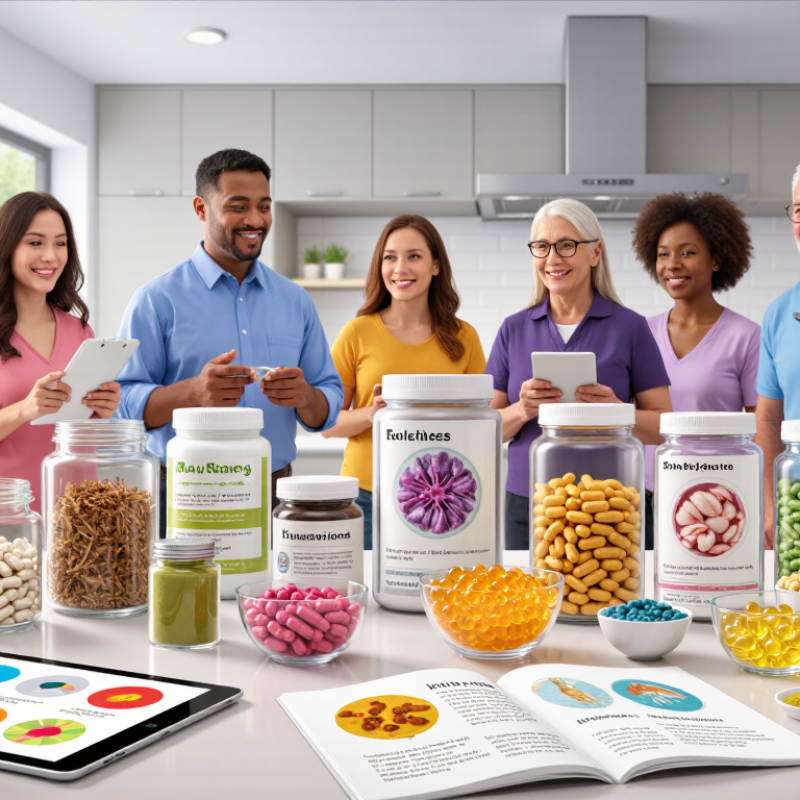
In 2026, ingredient interest is likely to reflect everyday needs: steady energy, digestive comfort, and healthy aging. Consumers are also asking sharper questions about source, dose, and evidence. A vivid label is no longer enough. Dietary Supplement Ingredients must make sense beyond the front panel, with clear amounts and a credible reason for inclusion.
Scientific scrutiny is shaping the conversation too. Researchers and product teams are paying closer attention to bioavailability, ingredient consistency, and how study results apply to real people. A result from a small, tightly controlled trial may not predict the same outcome for every shopper. That distinction deserves plain language, not a confident leap. Small details matter.
Traceability and environmental impact may influence choices, but these claims need careful support. Buyers may want to know where a botanical was grown or how a fermentation-derived ingredient was made. Yet better sourcing does not automatically mean better results. The trend signals are sometimes noisy, and I would not treat a popular ingredient as proven simply because it appears in many new products. Clear documentation, sensible serving sizes, and honest limits can help consumers and professionals judge what is useful.
How to read this table: These are evidence-informed ingredient signals, not a ranked market forecast. Consumer interest can change quickly; scientific support varies by ingredient, dose, product, and intended use. No brands or company data are included.
| 2026 Ingredient Signal | Consumer and Scientific Force | Relevant Ingredient Examples | Evidence and Data Point | Practical Tip for Evaluation | Reliable Reference |
|---|---|---|---|---|---|
| 1. Make fiber a mainstream formulation priority | Interest in digestive and metabolic health is creating opportunities for everyday foods and supplements that help close fiber-intake gaps. | Psyllium, inulin, beta-glucan, resistant starch, and partially hydrolyzed guar gum. | U.S. dietary reference values for adults ages 19–50 are 25 g/day for women and 38 g/day for men; the general reference is 14 g per 1,000 kcal. Needs vary by age, sex, and energy intake. | Specify the fiber type and grams per serving. Assess tolerability, water-use directions, and gradual-introduction guidance rather than relying on a broad “gut health” claim. | National Academies: Dietary Reference Intakes for energy, carbohydrate, fiber, fat, fatty acids, cholesterol, protein, and amino acids |
| 2. Differentiate protein by use, not just grams | Consumers often seek convenient protein formats for meals, active lifestyles, and healthy aging. Research and product evaluation increasingly focus on protein quality, serving size, and context. | Whey, casein, soy, pea, and blended plant proteins. | The U.S. adult Recommended Dietary Allowance for protein is 0.8 g per kg of body weight per day. This is a population reference, not an individualized target or a recommendation to use supplements. | Show protein per serving and the source. Consider amino-acid profile, allergen disclosure, taste, texture, and whether the product fills a genuine dietary need. | National Academies: Protein and amino-acid reference values |
| 3. Keep creatine in evidence-led performance conversations | Interest in strength training and performance supports continued attention to creatine, while consumers need clear distinctions between well-studied uses and broader wellness claims. | Creatine monohydrate. | NIH’s Office of Dietary Supplements describes evidence that creatine can improve performance in repeated, short-duration, high-intensity activities. Results do not establish benefit for every activity or population. | Identify the specific form and amount per serving, avoid unsupported promises, and direct people with medical conditions or medication questions to a qualified health professional. | NIH ODS: Dietary Supplements for Exercise and Athletic Performance |
| 4. Treat microbiome ingredients as strain- and product-specific | Growing attention to the gut microbiome is encouraging interest in probiotics and prebiotics, but scientific results cannot be generalized from one organism or product to all others. | Named Lactobacillus and Bifidobacterium strains; prebiotic fibers such as inulin. | NIH notes that probiotic effects can depend on the specific strain, dose, and health condition. Evidence for one strain or use does not automatically support another. | Look for complete strain identification, viable amount through the end of shelf life, storage instructions, and a clearly defined intended use. | NIH ODS: Probiotics Fact Sheet for Health Professionals |
| 5. Position omega-3s with precise, non-overstated claims | Interest in healthy dietary patterns keeps EPA and DHA relevant, but supplement claims should reflect the difference between eating seafood and taking an isolated supplement. | EPA and DHA from fish oil or algal oil; ALA from foods such as flaxseed and chia. | NIH ODS distinguishes omega-3 forms and summarizes evidence across health outcomes. Evidence for a particular outcome should not be presented as proof that all omega-3 supplements prevent disease. | State the EPA and DHA amounts separately, identify the source, and avoid treating total oil weight as equivalent to active omega-3 content. | NIH ODS: Omega-3 Fatty Acids Fact Sheet for Health Professionals |
| 6. Pair magnesium interest with dose and safety clarity | Interest in sleep, muscle function, and general wellness draws attention to magnesium; clear labeling helps consumers distinguish food intake from supplemental intake. | Magnesium citrate, chloride, lactate, oxide, and glycinate. | The U.S. tolerable upper intake level for adults is 350 mg/day from supplements and medications, not from magnesium naturally present in food. The limit is based mainly on adverse gastrointestinal effects. | Declare elemental magnesium per serving, explain the serving size, and account for potential interactions and the different upper-limit treatment of food versus supplements. | NIH ODS: Magnesium Fact Sheet for Health Professionals |
| 7. Demand substantiation and safety detail for botanicals | Interest in plant-based and “natural” products can drive botanical innovation, while evidence, extract composition, and interaction risks vary substantially. | Ashwagandha, turmeric/curcumin, and other botanicals with clearly identified plant parts and preparations. | For ashwagandha, NCCIH reports that some preparations may help with stress or insomnia in the short term, but evidence is limited for many other uses; safety and interactions also require consideration. | Identify the species, plant part, extract ratio or standardization, and daily dose. Review safety, contraindications, and claim wording before making a product decision. | NCCIH: Ashwagandha—Usefulness and Safety; U.S. FDA: Dietary Supplements |
Tranexamic acid is used in cosmetic formulations designed to improve the appearance of uneven skin tone and visible discoloration. As a water-soluble ingredient, it can be incorporated into suitable water-based products, such as serums, lotions, and creams. Formulators should consider the full formula, including pH, processing conditions, and compatibility with other ingredients, and assess the finished product for stability and skin tolerance.
For ingredient selection, check the powder’s specification, solubility, quality documentation, and analytical testing method. This material is supplied at 80 mesh and is soluble in water; HPLC is used as the testing method. An ISO certificate is available, and the stated shelf life is two years when stored appropriately. Free samples can help formulators evaluate handling and compatibility in preliminary development work.
Payment options include T/T, Western Union, PayPal, and Alibaba Assurance Account. Delivery is available within three working days, subject to order arrangements. These details can support practical sourcing decisions alongside formulation requirements and quality checks.
Protein blends, creatine, and omega-3 ingredients may interest people focused on strength, mobility, and everyday nutrition. Benefits depend on diet, health, and product quality. Details matter.
Check ingredient amounts, independent quality testing, and evidence for the specific ingredient and form. Polished claims alone prove little.
Psyllium can help increase daily fiber intake. Add it gradually and drink enough water. Small changes count.
Look for strain identification, dose, storage stability, and relevant human studies. Evidence for one strain does not automatically support another. This gets overlooked.
Fibers such as inulin may support beneficial gut microbes, but tolerance varies. Bloating can occur, so clear directions matter.
Start with a specific consumer need, then check research, serving size, stability, and label clarity. A popular ingredient may not fit every formula.
Yes. A powder should mix smoothly, while a capsule should allow a manageable serving. Convenience helps, but it does not prove effectiveness.
No. Supplements cannot replace them. A clinician or dietitian can help assess ingredients, especially when medications or chronic conditions are involved.
No. An ingredient intended for topical products is not automatically suitable for dietary use. Product changes deserve a fresh review, not a quick label edit.
Dietary Supplement Ingredient Trends 2026 reflect growing interest in healthy aging, metabolic wellness, and digestive health, alongside closer attention to the science behind ingredient choices. Understanding what consumers need—and what research can support—helps product developers evaluate ingredients for different goals, including maintaining everyday wellness and supporting a healthy gut microbiome.
Choosing an ingredient involves more than following a trend. Consider the quality of evidence, safety information, applicable regulatory requirements, bioavailability, delivery format, and how ingredients may work together. Sustainable sourcing and transparent supply chains also matter when assessing long-term value. By weighing these factors against the needs of the intended audience and the purpose of the product, businesses can make more informed, responsible decisions about formulation and ingredient selection.