Leave Your Message
0%

Hydrolyzed proteins have really been catching a lot of attention in the nutrition world lately. I came across a report from Research and Markets that says the demand for these proteins is projected to grow at around 5.2% annually from 2021 to 2026. Seems like more and more people who are into healthy living are really into them! Big brands like Optimum Nutrition and Quest Nutrition have already started incorporating hydrolyzed proteins into their products, especially to appeal to athletes and fitness buffs.

But here’s the thing—if you’re thinking about adding hydrolyzed proteins to your diet, it’s good to understand what makes them unique. They’re generally easier to digest, which is a plus. However, some folks might experience side effects, like stomach issues—something a 2022 study from the Journal of Nutrition highlighted, with a few users reporting gastrointestinal discomfort. So, it’s worth paying attention to how your body reacts.

To really get the most out of these proteins, you want to pick high-quality options. Not every hydrolyzed protein is the same, and some products might lack certain essential amino acids or even pack in unnecessary additives. Doing a bit of homework on the brand and product can make a real difference. Basically, balancing quality and nutritional content is key—get that right, and you'll be in a better spot to enjoy the benefits!

Hope that helps clear things up a bit!
Top Tips for Using Hydrolyzed Proteins Effectively?

Understanding Hydrolyzed Proteins: Definition and Benefits

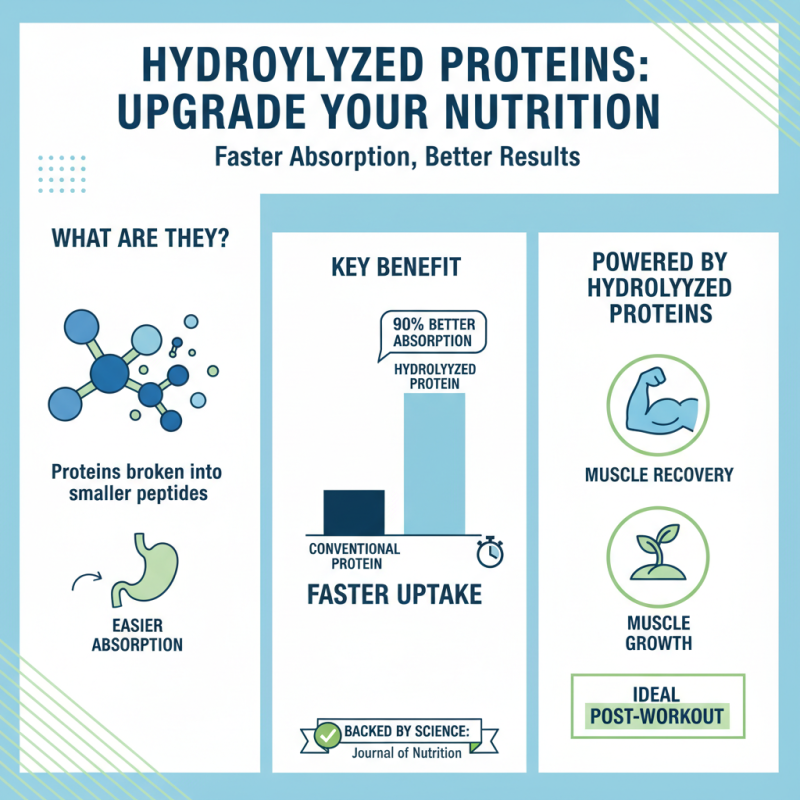
Hydrolyzed proteins are proteins broken down into smaller peptides. This process enhances their absorption. Enzymatically Hydrolyzed Proteins are popular in dietary supplements. According to a report by the Global Protein Market, the demand for hydrolyzed protein is growing. It is expected to reach USD 6.4 billion by 2025.

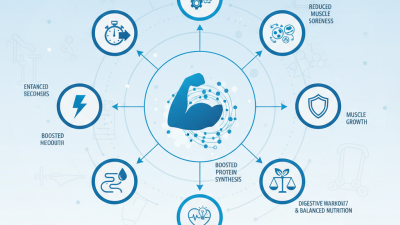
The benefits are significant. They are easy to digest, making them suitable for sensitive stomachs. Athletes often prefer hydrolyzed proteins for quicker recovery after exercise. Studies show they enhance muscle growth more effectively compared to intact proteins. However, some may find the taste less appealing. This aspect needs consideration for those incorporating them into shakes or bars.

Research highlights their role in improving gut health. One study noted that hydrolyzed proteins can reduce intestinal inflammation. However, not everyone reacts positively. Some individuals may experience mild digestive issues. It's essential to start with smaller servings to assess tolerance. Adding them to meals can be a practical approach while monitoring the body's response.

Types of Hydrolyzed Proteins: What You Need to Know

Hydrolyzed proteins are gaining popularity for their bioavailability and quick absorption. Understanding the different types can enhance their effectiveness. There are mainly two categories: animal-based and Vegetal Proteins. Animal-based proteins, like whey, provide a complete amino acid profile. They are favored for muscle recovery. In contrast, vegetal proteins, such as pea and soy, are excellent for those following plant-based diets. Each type offers unique benefits and challenges.

When incorporating hydrolyzed proteins, consider timing and dosage. Consuming them post-workout can maximize muscle repair. Yet, not everyone needs the same amount. Experiment with different servings to find what suits you. Too much can lead to digestive discomfort. It's essential to listen to your body.

Additionally, pay attention to your dietary balance. Relying solely on hydrolyzed proteins may neglect other nutrients. Combining them with whole foods can provide a more rounded diet. Finding this balance is crucial for overall health. Sometimes, it takes trial and error to get it right.

Hydrolyzed Protein Types and Their Benefits

This chart illustrates the protein content of various types of hydrolyzed proteins per 100 grams. Whey hydrolyzed protein has the highest protein content, followed closely by collagen hydrolyzed protein, which is notable for its benefits for skin and joints.

How to Incorporate Hydrolyzed Proteins into Your Diet

Top Tips for Using Hydrolyzed Proteins Effectively?

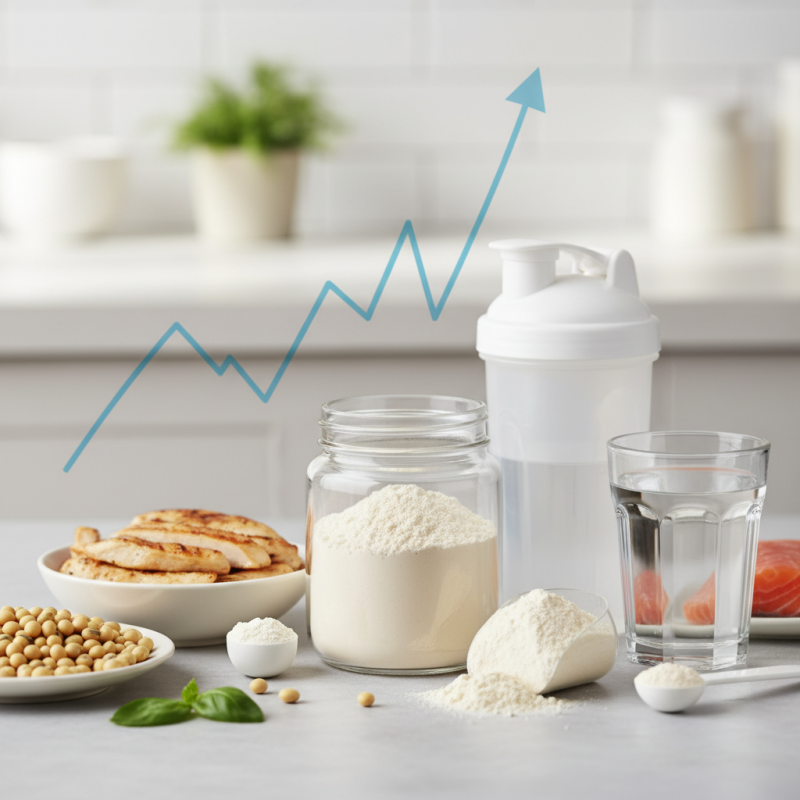
Incorporating hydrolyzed proteins into your diet can enhance your nutrition effectively. These proteins are broken down into smaller peptides, making absorption easier for your body. A report by the Journal of Nutrition highlights that hydrolyzed proteins can be absorbed up to 90% better than conventional proteins. This can support muscle recovery and growth, especially after exercise.

One effective way to include hydrolyzed proteins is through protein powders. Mix them into smoothies or your morning oats for a nutrition boost. Alternatively, add them to baked goods. Studies show that hydrolyzed proteins can maintain their benefits even when heated.

Tip: Start with small amounts. Too much at once can lead to digestive discomfort for some people. Monitor your body’s response. Pair hydrolyzed proteins with carbohydrates post-workout. This combination can facilitate quicker recovery and replenishment of glycogen stores. Adjust based on your body’s feedback to find what works best for you.

Optimal Timing for Consuming Hydrolyzed Proteins

Timing plays a crucial role when consuming hydrolyzed proteins. Many fitness enthusiasts wonder when the best moment is to take them. Consuming hydrolyzed proteins post-workout can maximize muscle recovery. This is when your muscles are crying out for nutrients. After exercise, your body is primed to absorb protein quickly.

Another effective time is in the morning. Your body has fasted overnight, and it needs fuel. A protein shake can jumpstart your metabolism and provide energy. On days when your meals are delayed, a hydrolyzed protein supplement can serve as a quick solution.

However, some might not realize the importance of personal routine. Everyone's body reacts differently. You may find that the timing needs adjustment based on your unique schedule or workout practices. Listening to your body is essential. Do you feel energized? Or is there fatigue lingering? Reflecting on these signs can help refine your approach.

Top Tips for Using Hydrolyzed Proteins Effectively

Timing Recommended Dosage Ideal Scenario Benefits
Post-Workout 20-30g Muscle Recovery Accelerates recovery and muscle growth
Morning 15-25g As a Breakfast Supplement Kickstarts metabolism and provides immediate energy
Before Bed 10-20g Night-Time Recovery Supports overnight muscle repair
Between Meals 15g Snack Alternative Helps to maintain muscle mass and curb hunger

Dosage Recommendations for Hydrolyzed Proteins

When incorporating hydrolyzed proteins into your diet, understanding the right dosage is crucial. The recommended amount typically varies based on individual goals and body weight. Many fitness enthusiasts aim for 1.0 to 2.0 grams of protein per kilogram of body weight. However, not everyone needs the same amount. It's essential to consider your level of physical activity too.

For those focused on recovery or muscle gain, a higher dosage might seem appealing. Yet, megadosing can lead to digestive discomfort or nutrient imbalances. Listening to your body is key. Some individuals find their optimal dosage by starting low and gradually increasing it. Tracking how you feel can help in this process.

Another consideration is timing. Some prefer taking hydrolyzed proteins post-workout for enhanced recovery. However, eating whole foods at other times offers diverse nutrients too. Reflect on your routine. Do you feel satisfied, or are you constantly hungry? Balancing hydrolyzed protein intake with whole food sources is vital for sustainable results.

Potential Side Effects and Considerations for Use

Top Tips for Using Hydrolyzed Proteins Effectively?

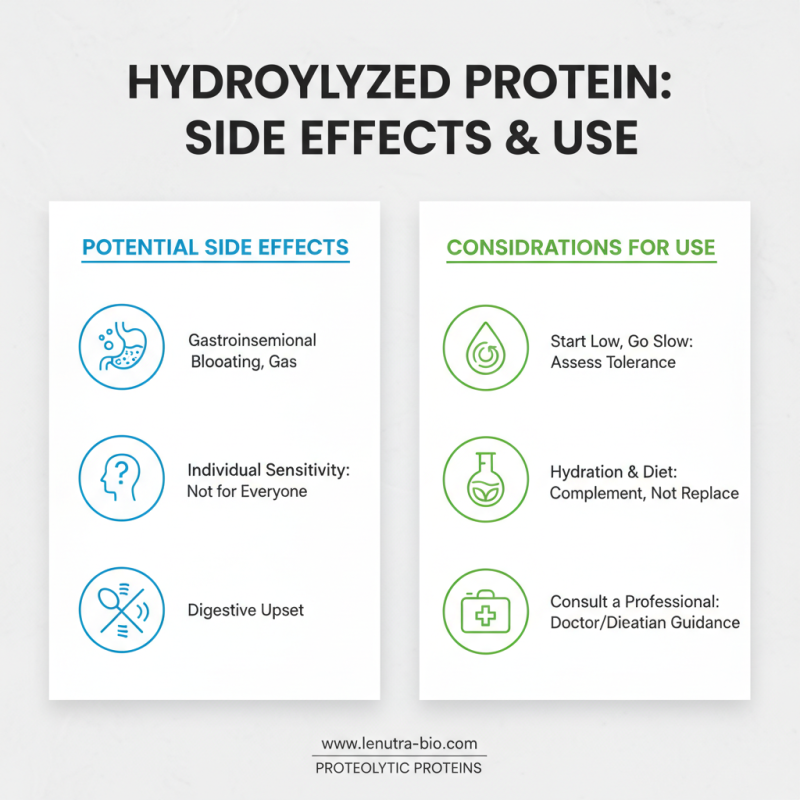
Hydrolyzed proteins, or Proteolytic Proteins, can be beneficial for muscle recovery and overall health. However, it’s essential to consider potential side effects before use. Some people may experience gastrointestinal discomfort. This includes bloating or gas after consumption. It’s a reminder that not all supplements suit everyone.

When trying hydrolyzed proteins, start with a small dose. This allows your body to adapt. If you notice any adverse effects, it may be wise to reassess your intake. Look for signs like increased fatigue, which some users report. The quality of the protein source can also impact results.

Stay hydrated while using hydrolyzed proteins to aid digestion. Listen to your body, and make adjustments as needed. If you're unsure, consult a healthcare professional. Personal tolerance varies widely. Taking these considerations into account can help you maximize benefits.

Tips for Selecting Quality Hydrolyzed Protein Products

When selecting quality hydrolyzed protein products, pay attention to the source of the protein. Opt for proteins derived from clean, sustainable sources. Peptides Are Proteins that come from these sources and are easier for the body to absorb. Look for products that specify their source, whether it’s animal or plant-based. Sustainable sourcing can impact both quality and environmental footprint.

Consider the protein content per serving. A product should contain at least 15 grams of protein per serving for effectiveness. Verify the breakdown of amino acids as well. A higher diversity of amino acids indicates a better product. Remember that some brands may exaggerate their claims. Don't hesitate to read reviews and seek third-party testing. This information sheds light on the real quality of the product.

Check for additives and fillers. Quality hydrolyzed proteins should have minimal additional ingredients. Too many extras can dilute the benefits. Clear labeling is essential; if it’s not clear, think twice before purchasing. Peptides are proteins that do the heavy lifting in muscle recovery. Reflect on how these choices can improve your nutrition. Quality matters, and so does awareness in your selection process.

Harnessing the Benefits of Cosmetic Grade Hydrolyzed Potato Protein for Enhanced Skin and Hair Care

Harnessing the Benefits of Cosmetic Grade Hydrolyzed Potato Protein for Enhanced Skin and Hair Care

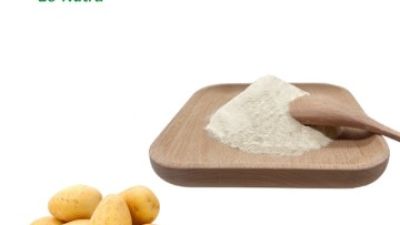
Harnessing the benefits of hydrolyzed potato protein brings a new dimension to skin and hair care formulations. This ingredient, known for its impressive protein content of over 80%, is derived from potatoes and is produced to have a low molecular weight of less than 2,000 Daltons, allowing for easier absorption by the skin and hair. Its clear and transparent water solubility makes it an ideal addition to various cosmetic products, enhancing their overall effectiveness and sensory qualities.

The advantages of hydrolyzed potato protein extend beyond basic moisturization. Known for its soothing properties, it effectively calms the skin while significantly boosting hydration levels. This makes it particularly beneficial for those with dry or sensitive skin types. In hair care, it serves a dual purpose by not only providing nourishment but also helping to reduce static, leading to softer and more manageable hair. With its versatile applications, this protein can be seamlessly incorporated into a wide range of formulations, from creams and serums to shampoos and conditioners, ensuring enhanced results in both skin and hair care routines.

FAQS

: What are hydrolyzed proteins?

: Hydrolyzed proteins are proteins broken down into smaller peptides for better absorption.

Why are hydrolyzed proteins beneficial?

They are easy to digest and support muscle growth, making them ideal for athletes and those with sensitive stomachs.

When is the best time to consume hydrolyzed proteins?

Post-workout and in the morning are effective times for consumption to support recovery and boost energy.

Can everyone consume hydrolyzed proteins?

Not everyone reacts positively. Some may experience digestive discomfort, such as bloating or gas.

How should I start using hydrolyzed proteins?

Begin with a small dose to assess your body's tolerance and adjust as needed.

Is the taste of hydrolyzed proteins always pleasant?

The taste may not appeal to everyone, so consider this when adding them to shakes or bars.

What should I do if I feel fatigue after consuming?

Reflect on your body's signals. Increased fatigue could indicate a need for adjustment in your intake.

How does hydration relate to hydrolyzed protein use?

Staying hydrated can support digestion and enhance the benefits of hydrolyzed proteins.

Do all hydrolyzed proteins provide the same results?

Quality varies among protein sources, so results may differ based on the product used.

How can I know if hydrolyzed proteins are right for me?

Listen to your body. If adverse effects occur, it might be time to reassess your intake.

Conclusion

Hydrolyzed proteins are specialized forms of proteins that have been broken down into smaller peptides, enhancing their digestibility and absorption. They offer various benefits, including improved muscle recovery and support for overall health. Understanding the different types of hydrolyzed proteins is crucial for selecting the right option that fits individual dietary needs.

To effectively incorporate hydrolyzed proteins into your diet, consider optimal timing, such as post-workout for muscle repair, and adhere to recommended dosages. It’s also essential to be aware of potential side effects and select high-quality products to maximize benefits. By following these tips, individuals can harness the power of hydrolyzed proteins to enhance their nutrition and wellness.

Amelia

Amelia

Amelia is a dedicated professional marketing specialist with a deep commitment to promoting natural, healthy, and innovative raw materials. As an integral part of our team, she channels her extensive knowledge into researching and marketing products that significantly enhance the fields of......
Previous Navigating Challenges in Sourcing the Best Plant Concentrate: Key Insights for Global Buyers