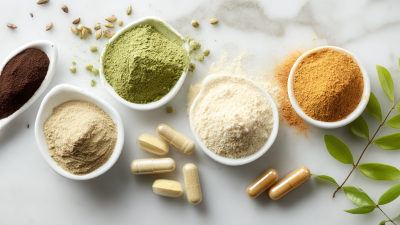
As the world’s really starting to shift towards health-focused products, the Botanical Peptide market is booming. You’d even notice this at events like the
138th China Import and Export Fair in 2025 — it was clear that interest is growing. According to a recent report from Grand View Research, the global peptides market is projected to hit around
$55.4 billion by 2027, with botanical peptides catching everyone’s eye thanks to their natural sources and health perks.

Companies like Xi'an Le-Nutra Ingredients Inc are right in the thick of things, focusing on developing, researching, and marketing innovative natural raw materials. Their efforts align perfectly with what consumers are craving these days—more health and wellness options—and they’re especially pushing for botanical peptides to be used in nutraceuticals, foods, drinks, and personal care items. As the industry keeps evolving,
I honestly see companies like Xi'an Le-Nutra playing a huge role in unlocking the full potential of botanical peptides—you know, really meeting the increasing demand for natural, effective ingredients that people can trust.
Emerging Trends in Botanical Peptide Market Growth at 2025 China Import and Export Fair
The botanical peptide market is really looking at some exciting growth opportunities, especially as we get closer to the 2025 China Import and Export Fair. A recent report from Grand View Research predicts that globally, the market for botanical peptides might hit around $300 million by 2025, with an annual growth rate of about 8.3%. This upward trend is largely fueled by the growing interest in plant-based ingredients within the health and wellness world. People are increasingly aware of the benefits these botanical peptides can offer—like their bioactive properties that help boost skin health and support cellular functions.
As big names in cosmetics and dietary supplements start showing off their latest innovations at the fair, it’s definitely worth keeping an eye on new products that make use of botanical peptides. According to MarketWatch, the clean beauty movement and focus on sustainability are really pushing this market forward. More brands are now focusing on transparency—being open about where their ingredients come from and how they’re made. It’s a win-win situation; it attracts eco-conscious consumers while also pushing companies to do more research into nutrient-rich plant sources.
A little tip if you're heading to the fair: think about partnering up with suppliers who prioritize sustainable practices. Also, it’s super helpful to stay updated on any regulatory changes in China regarding the import and export of these ingredients. By keeping your finger on the pulse of current trends and regulations, your business can better position itself in this fast-moving industry. Overall, it’s an exciting time for botanical peptides, and those who stay informed and adaptable could really benefit from the growth ahead.
Rising Demand for Plant-Based Ingredients in Nutraceuticals and Cosmeceuticals
Lately, there's been a pretty noticeable boom in the demand for plant-based ingredients, especially in the world of nutraceuticals and cosmeceuticals. People are becoming way more conscious about their health and wellness these days, which is driving this shift. According to the latest reports, the global market for cosmeceuticals is expected to see some serious growth — climbing from around USD 15.7 billion in 2021 to over USD 22.3 billion by 2032. This trend really shows how much folks are turning towards natural sources for their beauty and health products, and it’s definitely giving a boost to the botanical peptide market.
One pretty interesting thing to keep an eye on is the skyrocketing market for broccoli seed aqueous extracts. Back in 2024, it was valued at about USD 20.5 million, but projections suggest it could jump to roughly USD 49.1 million by 2034. That’s a solid growth rate — showing just how popular and versatile botanical extracts are becoming, especially in skincare and dietary supplements. They’re not just antioxidants anymore — these extracts also have anti-inflammatory benefits, fitting right into the trend of clean, plant-based formulations that so many people are after.
Quick tip: When you’re picking cosmeceutical products, don’t forget to look at the label—make sure there are natural ingredients listed. They can really boost your beauty routine without causing any nasty side effects. And while you’re at it, adding some nutraceuticals to your diet might not only support your overall wellness but also give you some cool health perks from botanical sources. Just a little something to consider if you're into keeping things natural and healthy!
Market Analysis: China's Botanical Peptide Industry Valuation Expected to Exceed $1 Billion by 2025
The botanical peptide industry in China is really on the rise these days, and estimates suggest it'll hit over $1 billion by 2025. A big reason for this boom? People are increasingly into natural, plant-based products — they’re seen as healthier and more sustainable, you know? As folks become more health-conscious, the interest in botanical peptides, which are known for their potential to boost nutrition and overall well-being, keeps growing. It’s pretty exciting to see how much demand there is now.
On top of that, Chinese companies aren’t just sticking to the local market — they’re stepping into the global scene more and more. They've been pouring more resources into R&D, which is leading to new and improved ways of processing and extracting these peptides. That means products made today are better in quality and more effective, catching attention from both domestic and international buyers. The upcoming 2025 China Import and Export Fair is going to be a big showcase for these advancements, giving industry folks a chance to connect, collaborate, and stay on top of global trends. It’s really helping China strengthen its spot in this fast-growing botanical peptide market.
Impact of Technological Innovations on Botanical Peptide Extraction Processes
Lately, big things are happening with new tech turning how we extract botanical peptides upside down. It’s pretty exciting — more folks are focusing on
plant-based bioactive peptides (PDBPs), and researchers are coming up with smarter ways to pull them out, isolate them, and keep them active and effective. Techniques like
ultrasound-assisted extraction and pulsed electric fields are really starting to catch on because they make the process way more efficient while protecting the goodies inside.
Honestly, these advances aren’t just good for medicine and health products — they also match the growing demand for natural, safe ingredients across different industries.
If you're into the benefits of botanical peptides, it’s worth checking out brands that use these advanced extraction methods. That way, you’re more likely to get products
with high bioactivity and safety. Also, diving into recent research can be super helpful — it gives you the latest scoop on new techniques and how these peptides are being used.
Staying up-to-date with these trends is key if you want to make the most of what PDBPs can offer for your health and wellness routines.
Consumer Preferences Shift Towards Sustainable and Eco-Friendly Peptide Sources
Lately, it's pretty clear that folks are really leaning towards sustainable and eco-friendly sources of peptides. If you’ve been paying attention, you'll notice that more and more people are looking for plant-based proteins—they want healthier options that don’t harm the environment. In fact, the global market for plant proteins is expected to hit over $20 billion by 2025, with plant-derived peptides leading the charge. It honestly shows that consumers now expect products that really match their values when it comes to caring for the planet.
On top of that, new processing techniques are changing the game when it comes to extracting and using these peptides. For example, recent breakthroughs in getting peptides out of algae and other water plants suggest that these ingredients could become a cornerstone of a more sustainable food system. As more people become conscious about responsible consumption—think vegan diets and cruelty-free products—companies are putting more effort into developing eco-friendly peptide solutions. We're seeing more investment in R&D, all aimed at making plant-based peptides more effective and abundant, so they can meet the demands of a pretty picky but thoughtful crowd of consumers.
Emerging Trends in Botanical Peptide Market Growth at 2025 China Import and Export Fair
Regulatory Landscape and Its Influence on Botanical Peptide Market Expansion in China
So, when you look at the botanical peptide market in China, the rules and regulations really play a big role in how much it can grow and what it can achieve. As more folks prefer natural, plant-based ingredients, the regulators have become pretty strict about making sure products are safe and effective. That means there are all these detailed guidelines on sourcing, manufacturing, and labeling botanical peptides — all essential for keeping consumer trust alive and supporting sustainability in the industry.
At the same time, these changing rules actually push companies to be more innovative. They're not just trying to check boxes but are also experimenting with new extraction techniques and formulations to make botanical peptides more bioavailable and effective. The Chinese government seems to be pretty supportive of the herbal and pharma sectors, which helps things move along smoother — making it easier for both local and international players to get into the market. As companies get the hang of these regulations, they’re not only strengthening their own positions but also helping the overall growth of the botanical peptide scene in the region.
Unlocking the Potential of Mung Bean Peptide Powder: Benefits, Uses, and Recipes for a Healthier You
Unlocking the Potential of Mung Bean Peptide Powder: Benefits, Uses, and Recipes for a Healthier You
Mung Bean Peptide Powder is a remarkable addition to the world of dietary supplements, renowned for its high protein content of over 85%. This light yellow to off-white powder boasts a characteristic odor, making it a unique and nutritious option for health enthusiasts. With a moisture level of less than 7% and an ash content of no more than 6.5%, it maintains its purity, ensuring that you get the highest quality product for your health needs.
Incorporating Mung Bean Peptide Powder into your daily diet can provide a plethora of benefits. Rich in amino acids, it supports muscle recovery and growth while also contributing to overall wellness. This versatile ingredient can be easily blended into smoothies, protein shakes, or baked goods, enhancing the nutritional profile of your meals. Available in food-grade packaging of 15kg or 25kg, it can be customized to suit various dietary requirements and preferences, making it an ideal choice for both individual consumers and supplement manufacturers looking to elevate their offerings.
FAQS
: The global botanical peptide market is expected to reach USD 300 million by 2025.
The botanical peptide market is anticipated to grow at a CAGR of 8.3%.
The growth is driven by increasing demand for plant-based ingredients in the health and wellness sector, as botanical peptides promote skin health and improve cellular functions.
The rise of clean beauty and sustainable practices is propelling the growth of botanical peptides, with brands focusing on transparency in sourcing and manufacturing processes to appeal to environmentally conscious consumers.
The global market for cosmeceuticals is projected to grow from USD 15.72 billion in 2021 to over USD 22.28 billion by 2032.
The market for broccoli seed aqueous extracts, for example, is projected to grow from USD 20.5 million in 2024 to USD 49.1 million by 2034.
Botanical extracts possess antioxidant properties and offer anti-inflammatory benefits, aligning with the trend toward cleaner, plant-based formulations.
Professionals should consider establishing partnerships with suppliers that prioritize sustainable practices and stay informed about regulatory changes regarding the import and export of these ingredients in China.
Checking for natural ingredients can significantly enhance your beauty routine without harmful side effects.
Incorporating nutraceuticals may support overall wellness while providing unique health benefits derived from botanical sources.
Conclusion
So, I came across this article talking about the pretty exciting growth happening in the Botanical Peptide market—especially after the 2025 China Import and Export Fair. Turns out, the industry’s worth is expected to go over a billion dollars, which is huge! There’s definitely been a big jump in demand for plant-based ingredients, especially in areas like nutraceuticals and cosmeceuticals. It really feels like people are more interested these days in sustainable and eco-friendly options, and this trend kind of confirms that.
On top of that, technological advances are making a real difference—improving how these botanical peptides are extracted and, in turn, boosting product quality and effectiveness. The regulatory side of things is also shaking things up, shaping how these peptides are used and accepted across different markets. As someone working in natural ingredients research and production, Xi'an Le-Nutra Ingredients Inc really sees the potential in botanical peptides to meet what health-conscious consumers are now craving. It’s an exciting time for this space!