Leave Your Message
0%

You might think stability in skincare is just about how a product looks, but honestly, it’s so much more than that. It can affect the texture, the smell, the color—even how reliably the product works over time. That moisturizer might look perfectly smooth when it first comes out of the mixing tank, and then suddenly separate after being exposed to temperature changes a few too many times. Or a serum’s color could subtly shift when sensitive ingredients meet light or air. These changes might seem small, but they actually matter a lot.

Honestly, stability isn't about one magic ingredient—it's the whole formula that matters. Things like how ingredients get along, pH, packaging, how it's manufactured, even storage, all have a say. You can put samples side by side in different conditions and watch for changes in how they look, smell, or feel. That gives you useful clues, but it won't cover every possible scenario. People handle products differently in the real world, so there's always something that slips through the cracks.

Sure, this Hydrolyzed Keratin In Hair Products thing is from hair care, not skincare. But it’s a great example of a lesson we all need to remember: an ingredient only behaves the way its environment lets it. So don’t just take the supplier’s word for it — always look at how each ingredient works inside the actual product you’re making. They should also write down their test methods and actually dig into any unexpected results. Honestly, not every formula is going to stay perfect—worth admitting. But here's the thing: careful testing, good packaging, and clear storage instructions can go a long way in preventing avoidable changes. Stability work isn't a one-time promise, though; it's an ongoing effort.
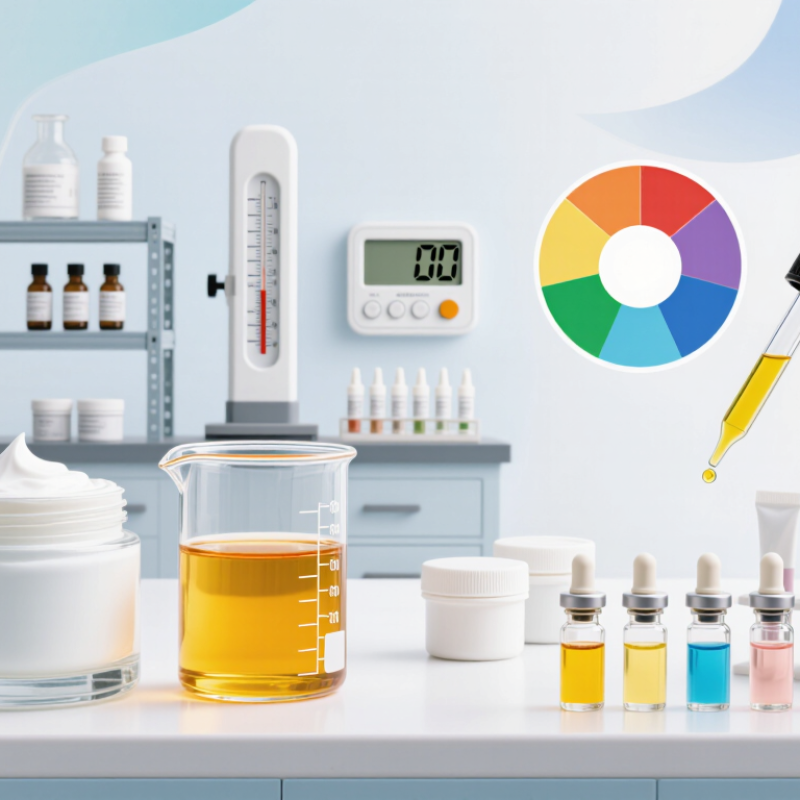
How to Ensure Cosmetic Ingredient Stability in Skincare?

Define Ingredient Stability and Its Role in Skincare

Ingredient stability describes how well a Cosmetic Ingredient keeps its chemical identity, physical properties, and intended function during storage and use. It is not simply a question of whether a cream still looks smooth.

Heat, light, oxygen, water, and contact with other ingredients can change a material over time. That matters. A fragrance may fade, an oil may oxidize, or a powder may absorb moisture and clump. Each change can affect product performance, feel, or safety.

In skincare, stability helps formulators choose compatible ingredients, packaging, and storage conditions. For example, a light-sensitive ingredient may need an opaque container, while a water-based formula needs suitable preservation and testing. Stability is assessed under defined conditions, including temperature and time, and the finished product matters as much as each ingredient alone.

Looks can mislead. A clear serum may have changed chemically, while a slight shift in color does not always mean a product has failed. Results depend on the formula and its specifications.

Stability does not mean an ingredient remains unchanged forever; it means its quality stays within acceptable limits for a defined period. That distinction deserves careful attention.

Assess Ingredient Compatibility and Formulation Risks

Ingredient compatibility should be checked before a formula is scaled up. Acids, water, oxygen, and trace metals can change how sensitive actives perform. For example, Pinnell and colleagues’ 2001 study found that topical L-ascorbic acid needed a pH below 3.5 for skin absorption; that finding concerns absorption, not a guarantee of shelf stability. Small shifts matter. Check pH, appearance, odor, and active content over time, then repeat testing in the intended container. Glass and plastic can interact differently with a formula.

Tips: Compare ingredients in the complete base, not just in a beaker. Review supplier stability data, then test under expected storage conditions. ISO 11930:2019 describes preservative-efficacy testing for cosmetics; it helps assess microbial protection, but does not replace chemical stability testing. A Supplement Ingredient added to a skincare concept also needs compatibility review, especially if it brings salts, moisture, or a different pH. Keep clear records of batch conditions. A neat-looking sample can still be changing chemically.

One blind spot is assuming that a stable raw material stays stable after mixing. Heat, light, and packaging headspace can alter results. Accelerated tests help screen risks, but real-time checks remain important; the prediction is not the product’s full story.

Select Packaging That Limits Light, Air, and Moisture Exposure

Light, oxygen, and moisture can gradually weaken sensitive skincare ingredients. Packaging is part of the formulation’s protection, not just its presentation. Opaque or amber containers reduce light exposure, while well-sealed pumps limit repeated contact with air. Airless packs can help, but they do not remove every trace of oxygen. Small details matter: a loose cap or a jar opened with damp fingers can undermine careful formulation work. A dark bottle helps, but it is not a magic shield.

The ICH Q1B photostability guideline uses an exposure benchmark of at least 1.2 million lux-hours and 200 watt-hours per square metre of near-ultraviolet light. ICH Q1A(R2) also describes six-month accelerated testing at 40°C and 75% relative humidity. These are pharmaceutical testing benchmarks, not automatic cosmetic requirements; brands should validate packaging with their own formulas.

For searches such as “Ingredient Moisturizer Skintific,” ingredient lists alone cannot show how well a product is protected. Ask whether the final pack was tested under light, temperature, and humidity stress. Packaging tests can miss real bathroom habits, too.

That is worth remembering.

Control Temperature, pH, and Manufacturing Conditions

How to Ensure Cosmetic Ingredient Stability in Skincare?

Temperature, pH, and manufacturing conditions can shift a formula from smooth to separated. Heat speeds many degradation reactions, while cold can cloud oils or disrupt emulsions. Use controlled stability studies across realistic storage and shipping temperatures; ISO/TR 18811:2018 notes that cosmetic stability methods should be selected for the specific product. A single “accelerated” test cannot predict every bathroom shelf.

pH matters, too. Some active ingredients lose potency outside their preferred range, and pH changes can affect preservative performance. Set a target range, then measure pH during production and after stability testing. Keep mixing speed, addition order, and hold times consistent. Small process changes matter. For microbial protection, ISO 11930:2019 provides challenge-test criteria, including a 3-log bacterial reduction by day seven for Criterion A. This tests preservative efficacy, not chemical stability—an easy distinction to overlook.

Tips: Log batch temperature and pH, and retain samples in clear, labeled containers. Check for odor shifts, color changes, crystals, or separation at planned intervals. Record results, even when they seem unremarkable; those quiet batches can reveal useful patterns. Temperature excursions during filling deserve review, not guesswork.

Validate Stability Through Appropriate Testing

A stability plan should test the finished formula, not just isolated Skincare Actives. Heat, light, oxygen, and packaging can alter color, odor, viscosity, or active concentration. ISO/TR 18811:2018 explains that cosmetic stability protocols should reflect each product; it does not set one universal test schedule. A practical study may compare samples under controlled room-temperature, elevated-temperature, light-exposure, and freeze–thaw conditions. Measure pH and active levels with suitable analytical methods, then inspect the product for separation, discoloration, and odor changes. Small shifts matter. A clear serum can still lose potency.

Preservation needs separate verification. ISO 11930:2019 describes preservative efficacy testing, including Criterion A benchmarks: bacteria should fall by at least 3 log units by day 7, while yeast and mold should fall by at least 1 log unit. The test also checks that counts do not rise again at later time points. These are microbiological criteria, not proof that an active ingredient remains stable. Use them alongside chemical and physical testing. Test the actual package, too; a pump, jar, or liner may affect exposure to air and light. Real formulas surprise. I would question any protocol that tests only one batch or one storage condition. Temperature chambers are useful, but real-world handling can be messy.

How to Ensure Cosmetic Ingredient Stability in Skincare? - Validate Stability Through Appropriate Testing

Test Area Example Conditions What to Measure Example Checkpoints Example Evaluation Criteria Why It Matters
Real-time storage stability Store the finished product in its intended packaging under the labeled storage conditions; protect from light when the packaging is opaque. Appearance, color, odor, pH, viscosity, and signs of separation or precipitation. Baseline, then at regular intervals such as 1, 3, 6, 9, and 12 months. No unacceptable change in appearance, odor, or performance; pH and viscosity remain within product-specific limits. Tracks changes under conditions most representative of normal storage.
Accelerated temperature stability Evaluate sealed samples at several temperatures, for example 4°C, 25°C, and 40°C. Use a justified study duration and sampling schedule. Physical appearance, color, odor, pH, viscosity, and, where relevant, active-ingredient content. Baseline and scheduled intervals, for example 2, 4, 8, and 12 weeks. Compare results with baseline and predefined, product-specific specifications; investigate meaningful trends or failures. Helps identify temperature-related changes sooner; accelerated results do not automatically establish shelf life.
Freeze–thaw cycling Use a documented cycle appropriate to the formula, such as alternating approximately 24-hour holds at −5°C and 40°C for five cycles. Phase separation, cracking, syneresis, precipitation, color, odor, pH, and viscosity after each cycle and after recovery to room temperature. Before cycling, after each cycle, and after final equilibration. No unacceptable irreversible separation or other defined physical failure; confirm any changes against product-specific limits. Challenges the formula with repeated temperature transitions that may occur during handling or transport.
Light stability Expose samples to a controlled light source; compare with matched samples protected from light. Follow a documented exposure plan. Color, odor, appearance, and relevant light-sensitive ingredient content where an analytical method is available. Baseline and at the end of each planned exposure interval. No unacceptable change relative to the protected control; confirm packaging provides adequate protection for the product. Identifies photodegradation risks for light-sensitive ingredients and finished formulas.
Packaging compatibility Store filled product in the intended container and closure under relevant temperature and orientation conditions. Leakage, dispensing function, package deformation, discoloration, odor transfer, and changes in product mass or appearance. Baseline and alongside real-time or accelerated stability checkpoints. No leakage, unacceptable package damage, or product changes attributable to the packaging system. Packaging can affect protection, dispensing, and contact between the formula and container materials.
Microbial quality and preservation Test the finished formula using suitable microbiological methods; conduct a preservative efficacy test appropriate to the product and intended use. Microbial quality and the ability of the preservation system to control challenge organisms over the test period. At formulation development and when changes to formula, process, or packaging could affect preservation. Meet applicable microbiological specifications and the acceptance criteria of the selected preservative efficacy method. Physical stability alone cannot demonstrate adequate microbiological protection.
Ingredient or active assay Analyze selected stability-indicating ingredients in samples stored under the chosen study conditions. Ingredient concentration and, where relevant, degradation products using a suitable validated or qualified analytical method. Baseline and defined intervals throughout the study. Results remain within the product-specific specification; investigate trends that may affect safety or intended performance. Some ingredient changes are not visible through appearance, pH, or viscosity checks alone.

Note: Conditions, intervals, methods, and acceptance limits shown are examples for planning. They should be justified for the specific formula, packaging, intended use, and applicable requirements; no single stability protocol or numerical limit is suitable for every skincare product.

Set Storage, Shelf-Life, and Quality-Control Requirements

Cosmetic ingredients do not all age in the same way. Heat can speed oxidation, while light may weaken sensitive ingredients. Store raw materials in their recommended conditions, using sealed, clearly labeled containers. Keep them away from sunny windows, radiators, and damp sinks. Small details matter.

Set a storage range for each ingredient and finished product, then monitor it with a thermometer or temperature logger. Avoid repeated freeze-thaw cycles unless testing shows they are acceptable. Shelf life should come from stability data, not guesswork or a supplier’s general estimate. Test samples in their intended packaging under real-time conditions, and use accelerated testing as supporting evidence. Record changes in color, odor, texture, pH, and active content. Keep records.

Quality checks should happen at defined points: incoming materials, production, and finished-product release. Microbial testing is important, especially for water-based formulas. Packaging also deserves attention; a jar can expose a cream to fingers and air, while a pump may limit contact. Neither format guarantees stability. A product may look normal while its performance has changed, so appearance alone is not enough. Review results and revise storage instructions or dating when evidence points to a problem. Some uncertainty remains, particularly when real-world use differs from controlled testing.

How Premium Neopentyl Glycol Diheptanoate Enhances Modern Cosmetic Formulations

As skincare consumers seek increasingly sophisticated formulations, ingredient selection must balance product performance, clear specifications and suitability for cosmetic use. Grand View Research’s 2024 skincare market report valued the global market at approximately USD 146.7 billion in 2023 and projected a 4.8% compound annual growth rate from 2024 to 2030. This growth reflects ongoing demand for skincare innovation and creates opportunities to develop products with carefully selected functional ingredients. Neopentyl Glycol Diheptanoate is offered in cosmetic grade for skincare applications, with collagen production support listed as its intended function.

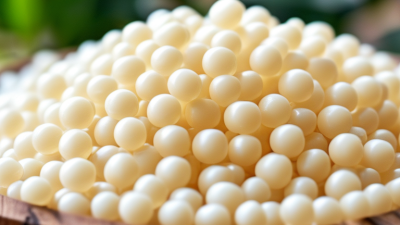
The product specification describes Neopentyl Glycol Diheptanoate as a white powder, with a stated shelf life of 24 months. Formulators should assess its compatibility, handling and performance in the intended formula during development. Supplied in 25 kg drums, it is available with payment options including T/T, Western Union, PayPal and Alibaba Assurance Account. The supplier also reports 10 years of experience in the natural ingredients industry, providing relevant background for customers evaluating ingredient sourcing and supply requirements.

FAQS

Why should ingredient compatibility be checked before scaling up a formula?

Ingredients can interact with acids, water, oxygen, or trace metals. Check the complete formula, not only a small beaker sample.

Does a pH below 3.5 guarantee that L-ascorbic acid stays stable?

No. A study linked this pH range with skin absorption, not guaranteed shelf stability. Test the formula over time.

What changes should stability checks track?

Record pH, color, odor, texture, and active content. Small changes matter.

Can a stable ingredient become unstable after mixing?

Yes. Heat, light, and air in the package can affect the finished formula. Raw-material stability is not the whole story.

How should ingredients and finished products be stored?

Follow their recommended temperature ranges and use sealed, labeled containers. Keep them away from sunny windows, radiators, and damp sinks.

How should a product’s shelf life be decided?

Use stability data from samples in their intended packaging. Accelerated tests can help, but real-time results still matter.

Does packaging affect product stability?

It can. A jar exposes cream to fingers and air, while a pump may reduce contact. Neither format guarantees stability.

Why is appearance alone not enough for quality control?

A product may look normal while its performance has changed. Check microbial quality, especially in water-based formulas, and review the records. Some uncertainty remains.

Conclusion

Cosmetic Ingredient Stability In Skincare Products is essential for maintaining a formula’s quality, performance, and intended appearance throughout its usable life. Stability depends on how ingredients interact with one another and how they respond to factors such as light, air, moisture, temperature, and pH. Assessing compatibility early can help identify formulation risks, while suitable packaging can reduce exposure to conditions that may cause unwanted changes.

Careful control of manufacturing conditions supports consistent batches, and appropriate stability testing can reveal changes in texture, color, scent, or other key properties over time. The results help inform storage guidance, a reasonable shelf life, and ongoing quality-control requirements. Together, these steps create a practical approach to preserving product consistency from formulation through storage and use.

Amelia

Amelia

Amelia is a dedicated professional marketing specialist with a deep commitment to promoting natural, healthy, and innovative raw materials. As an integral part of our team, she channels her extensive knowledge into researching and marketing products that significantly enhance the fields of......
Previous China Top 10 Hydrolyzed Protein Manufacturers
Next What Is a Supplement Contract Manufacturing Checklist?