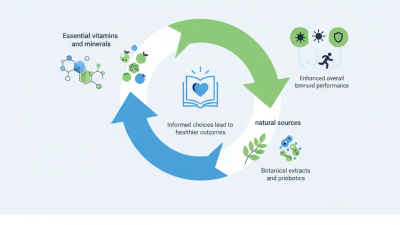
In today's world, where everyone seems pretty focused on staying healthy, the importance of Supplement Components has really started catching people's attention. According to a report from the Council for Responsible Nutrition, almost 77% of Americans are taking dietary supplements regularly — that's quite a lot, huh? These components—stuff like vitamins, minerals, and other nutrients—are super important for keeping our bodies in check. The thing is, a lot of us don’t get all the essential nutrients from our diets alone, which can lead to deficiencies that might mess with our health in the long run.
Research shows that certain supplement components can actually help fill in those nutritional gaps. Take vitamin D, for example — studies have linked taking it to healthier bones and a stronger immune system. In fact, a study published in the Journal of Nutrition revealed that around 42% of adults in the U.S. are vitamin D deficient. That really puts into perspective just how vital it is to think about adding the right supplements into our daily routines.
Now, here’s the tricky part — navigating the supplement world can feel a bit overwhelming. Not all products are created equal, and some may not deliver what they promise or meet quality standards. It’s so important to be careful when choosing brands — stick to trusted ones known for good sourcing. Basically, figuring out which components you actually need can be a bit confusing, so doing some research and maybe even chatting with a healthcare professional can make a huge difference. Bottom line? Informed choices are your best bet when it comes to supporting your health with supplements.

Understanding the Role of Supplement Components in Health
Understanding the components of dietary supplements can significantly impact your health journey. Vitamins, minerals, and botanicals each play a specific role. For instance, vitamin D supports bone health, while magnesium aids in muscle function. These components interact within our bodies, promoting various physiological processes.
Tips: Always check labels for dosage recommendations. Not all supplements are necessary for everyone. Individual needs vary, and it’s wise to consult a healthcare professional.
Some people overlook the importance of quality in supplements. Not all products are created equal. Look for third-party testing to ensure purity and potency. A lack of regulation may lead to questionable ingredients. This inconsistency can affect your health outcomes over time.
Tips: Keep a dietary journal to track how you feel after taking supplements. Take note of any changes. This insight can guide future choices, helping you understand your body better. Regularly revisiting your health goals is key to staying on track.
Basic Nutrients: The Building Blocks of a Healthy Body
Basic nutrients are crucial for maintaining a healthy body. These components include vitamins, minerals, proteins, fats, and carbohydrates. According to the National Institutes of Health (NIH), a well-balanced diet ensures we get the essential nutrients required for optimal health. Each nutrient has a specific role. For example, vitamin D supports bone health, while omega-3 fatty acids contribute to heart health.
Research reveals alarming trends in nutrient deficiency. A 2022 report from the World Health Organization highlighted that over 20% of adults lack adequate vitamin D. Furthermore, around 60% of the population does not meet the recommended intake of fiber, a vital component for digestive health. These statistics underscore how neglecting basic nutrients can lead to long-term health issues.
Ironically, many individuals focus on cosmetic products rather than foundational health. This trend can result in overlooking the importance of basic nutrients in our diets. Makeup Components may enhance appearance temporarily, but they can’t replace the necessity of good nutrition. Awareness of nutrient intake should be a priority. Investing in our health through proper nutrition can yield lasting benefits.
Vitamins: Essential Micronutrients for Optimal Functioning
Vitamins are crucial micronutrients that support many bodily functions. According to the World Health Organization, deficiency in essential vitamins is a major public health issue. For instance, vitamin D deficiency affects over 1 billion people globally. This deficiency can lead to weakened bones and increased risk of chronic diseases.
Vitamin C, known for its immune-boosting properties, is also vital for collagen production. Research indicates that insufficient intake can impair wound healing and skin health. Studies report that about 25% of individuals do not meet the recommended daily allowance for vitamin C. This can lead to fatigue and increased susceptibility to infections.
Moreover, the prevalence of nutritional deficiencies calls for a reevaluation of dietary habits. Many individuals may not consume adequate fruits and vegetables, leading to gaps in essential vitamins. Incorporating a variety of foods can help. Yet, busy lifestyles often make it challenging to maintain a balanced diet. Regularly taking the time to assess nutritional intake can foster better health outcomes.
Minerals: Supporting Vital Processes and Metabolism
Minerals play a crucial role in supporting vital processes within the human body. They assist in functions like muscle contraction, nerve transmission, and overall metabolism. A lack of essential minerals can lead to various health issues. For instance, low magnesium levels may cause muscle cramps and fatigue. Iron deficiency can result in anemia, impacting energy levels.
Incorporating the right Dietary Components into meals is vital. Foods rich in potassium, such as bananas and sweet potatoes, help regulate blood pressure. Calcium is essential for bone strength and can be found in dairy products and leafy greens. However, many people overlook these vital nutrients, focusing instead on macronutrients like carbohydrates and proteins. This oversight can have lasting effects on overall health.
It's essential to reflect on our dietary habits. Are we including a variety of minerals in our diet? Many might struggle to understand the importance of these nutrients. Education on minerals and their benefits can empower individuals to make better food choices. In the end, prioritizing minerals is a step towards a healthier lifestyle.
Herbal Extracts: Natural Boosters for Immunity and Wellness
Herbal extracts have gained attention for their potential health benefits. These natural substances can support your immune system and overall wellness. Many individuals turn to these extracts as part of their daily health routine. They may provide a safer alternative to synthetic supplements.
For instance, elderberry is known for its immune-boosting properties. Research suggests it can help reduce the duration of cold symptoms. Another example is echinacea, which some studies indicate may enhance immune function. These herbal products contain antioxidants and vitamins that contribute to better health. However, effectiveness can vary from person to person.
Consider herbal extracts as a complementary approach to maintaining health. While they can be beneficial, relying solely on them without proper diet and lifestyle may not yield results. It is vital to assess your own needs and consult a healthcare professional when necessary. Embracing a holistic view of wellness can lead to more informed choices about herbal remedies.
Amino Acids: The Importance of Protein Building Blocks
Amino acids serve as the fundamental building blocks of protein. Our body requires these vital components to function smoothly. They play a key role in muscle repair, immune function, and hormone production. Without enough amino acids, we risk fatigue, muscle loss, and weakened defenses.
Some people overlook the importance of amino acids in their daily diet. They may stick to familiar foods and miss out on essential nutrients. It's crucial to incorporate a variety of sources to ensure sufficient intake. Lean meats, dairy products, and legumes are excellent choices. However, individuals with dietary restrictions can face challenges.
Missing amino acids can lead to noticeable health issues over time. Some might not realize their impact until symptoms arise. Cosmetic Components of our skin reflect our internal health. For instance, collagen synthesis relies heavily on specific amino acids. Neglecting these nutrients can affect our appearance. Finding a balanced approach to nutrition is essential, but it can be a journey.
Potential Risks of Over-reliance on Supplements for Nutrients
Over-reliance on supplements can lead to serious health risks. Many people assume that taking vitamins and minerals will replace the need for a balanced diet. However, this mindset can be misleading. Essential Dietary Components are crucial for maintaining overall health, and supplements often lack the complex interactions found in whole foods. For example, the fiber in fruits and vegetables plays a vital role in digestion, something supplements don't provide.
Moreover, consuming excessive amounts of certain supplements might result in toxicity. Fat-soluble vitamins like A, D, E, and K can accumulate in the body over time. This accumulation can cause adverse effects, such as liver damage or impaired vision. Additionally, the body might become reliant on these external sources, potentially leading to nutrient deficiencies when supplements are not available.
Focusing solely on capsules or powders can also detract from mindful eating. Food offers diverse flavors, textures, and nutrients that supplements cannot replicate. It’s essential to remember that while supplements can offer support, they should not be a substitute for nutritional food. Reflecting on our choices encourages a more holistic approach to health, emphasizing the importance of a well-rounded diet rich in Essential Dietary Components.
FAQS
: Dietary supplements include vitamins, minerals, and botanicals, each serving a specific health function.
Labels provide dosage recommendations. Individual needs vary, and not all supplements are necessary for everyone.
Supplement quality varies significantly. Choose products with third-party testing for purity and potency to avoid questionable ingredients.
Basic nutrients include vitamins, minerals, proteins, fats, and carbohydrates. They maintain various bodily functions and overall health.
Over 20% of adults lack enough vitamin D. Around 60% do not meet the recommended fiber intake.
Many focus on cosmetic products over essential nutrition, resulting in gaps in vital dietary components.
Vitamins support various bodily functions. For example, vitamin D helps bones, while vitamin C boosts the immune system.
A busy life can make it hard to maintain a balanced diet, leading to insufficient intake of essential vitamins.
Keeping a dietary journal may help you note feelings after taking supplements and guide future choices.
Regular assessments can help identify gaps in nutritional intake, fostering better health outcomes over time.
Conclusion
Supplement components are crucial for maintaining and enhancing overall health. This article explores the various roles these components play in our well-being, starting with basic nutrients, which serve as the essential building blocks of a healthy body. Vitamins and minerals are highlighted as vital micronutrients that support optimal bodily functions and various metabolic processes. Furthermore, herbal extracts are examined for their ability to naturally boost immunity and overall wellness, while amino acids are recognized as critical elements in protein synthesis necessary for growth and repair.
However, the article also addresses potential risks associated with an over-reliance on supplements for nutrients. While supplement components can provide significant health benefits, it is important to approach their use thoughtfully to avoid negative consequences. Balancing these components with a nutritious diet is essential for achieving optimal health and well-being.