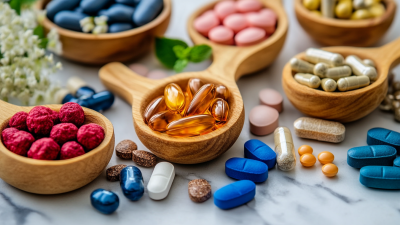
You know, over the past few years, the global market for food supplement ingredients has really taken off! By 2025, it's projected to hit around $200 billion, and it's all thanks to more and more people focusing on their health and wellness.
Looking ahead to 2025, we're going to see some pretty exciting stuff with new technologies and innovative formulas that are set to change the game in the nutraceutical world.
Companies like Xi'an Le-Nutra Ingredients Inc are leading the charge, putting in a ton of research into developing natural and healthy raw materials.
They're really trying to meet the growing demand in nutraceuticals, food and beverages, not to mention cosmetics and personal care.
Plus, with a strong emphasis on sustainability and effectiveness, the way advanced technology gets integrated into these food supplements promises to boost their bioavailability and functionality.
This means consumers will really get to enjoy the health benefits they’re after, and it’s definitely influencing the future of dietary supplements!

Innovative Nutritional Technologies Revolutionizing Supplement Formulation
You know, the world of dietary supplements is really gearing up for some cool changes in 2025. We're seeing a wave of innovative nutritional technologies that are literally reshaping how supplements are made. One of the big players here is artificial intelligence (AI). It's not just a buzzword anymore; it's helping us discover new ingredients, like these awesome plant peptides that make supplements work better and absorb more efficiently. The use of AI to spot functional ingredients, such as hemp for gut health, shows just how fast things are moving in product development these days. Recent reports suggest that the global supplements market is set to go over $250 billion by 2025! That’s a huge deal—brands really need to jump on these cutting-edge technologies if they want to keep up.

And there’s more! Advances in how we process mushrooms are also making it easier to use resources wisely and support sustainable nutrition, which is super important. As more people focus on gut health, we're seeing a rise in popular supplements that are packed with bioactives and fiber. Can you believe that around 70% of consumers are on the lookout for gut health support? This trend just highlights how crucial it is for brands to create products that meet that demand. The future of supplements is definitely leaning toward a data-driven, health-focused approach, which is really exciting for brands looking to innovate and boost consumer wellness.
Key Ingredients Shaping the Future of Health Supplements in 2025
You know, the dietary supplement scene in Japan is really on the brink of taking off by 2025! Health consciousness is booming, and innovative ingredients are totally shaking things up. Industry reports suggest we're looking at a market hitting around $18.4 billion, with all kinds of formats like tablets, capsules, liquids, and powders, which is giving consumers plenty to choose from. When it comes to what's hot right now, vitamins, minerals, enzymes, and fatty acids are really leading the charge. This just shows how aware folks are becoming about the role nutrition plays in feeling good overall.
What's super interesting is that probiotics are really picking up steam, especially among younger people who are getting into all sorts of health routines. The "2025 Nutrition Report" points out that the probiotic segment is growing faster than anything else in the health supplement world. It looks like demand is set to skyrocket along with the rest of the market. And get this, while the global health and nutrition supplements sector is expected to see retail sales hit a whopping $139.9 billion by 2025, China's probiotic market alone is projected to exceed a staggering 137.7 billion yuan by 2026. This really highlights a big shift toward preventative health and personalized nutrition globally.
Exploring the Future of Best Food Supplement Ingredients in 2025 Technology Trends - Key Ingredients Shaping the Future of Health Supplements in 2025
| Ingredient |
Functionality |
Key Benefits |
Source |
Technology Trend |
| Collagen Peptides |
Skin Health |
Improves skin elasticity and hydration |
Animal and marine sources |
Bioavailability enhancement |
| Turmeric Extract (Curcumin) |
Anti-inflammatory |
Reduces joint inflammation and pain |
Turmeric root |
Synergistic formulas |
| Probiotics |
Gut Health |
Supports digestion and immune function |
Fermented foods, dairy |
Targeted strains |
| Omega-3 Fatty Acids |
Heart Health |
Lowers cholesterol and inflammation |
Fish oil, algae |
Sustainable sourcing |
| Adaptogens (e.g., Ashwagandha) |
Stress Support |
Reduces stress and anxiety |
Herbal sources |
Formulation innovation |
Sustainability Trends in Food Supplement Production and Ingredients
Looking ahead to 2025, the food supplement scene is gearing up for some pretty exciting changes, all thanks to sustainability trends that are shaking things up. It’s not just about where the ingredients come from anymore; it's also about how they’re made. As more people start to care about the planet, we’re seeing a growing appetite for supplements that use sustainably sourced goodies like botanical extracts, vitamins, and minerals. Manufacturers are really stepping up their game, focusing on eco-friendly practices. They want to make sure their products hit all the right nutritional notes while also aligning with our values around living sustainably.
And get this—tech innovations are really reshaping how these ingredients are developed and marketed. Thanks to some cool new venture technologies, we’re entering a new era of personalized nutrition. This means that supplements can now be tailored to fit our individual diets and health goals. It’s a game changer, especially in niche markets like pet food nutrition, where we’re seeing more personalized options and alternative protein sources popping up. As brands tune in to what consumers want, I think we can expect a lively market ahead, full of transparency and sustainability initiatives that’ll carry us into the next decade.

The Role of Personalization in Future Supplement Products
Looking ahead to 2025, it's super clear that
personalization in food supplements is really taking center stage.
It’s not just about finding something that works, but people want products that are specifically designed for their own health needs and tastes.
I came across this interesting report from Grand View Research that predicts the personalized nutrition market is going to hit a whopping
$11.5 billion by 2026! This growth is largely thanks to leaps in technology and folks becoming more aware of what nutrition can actually do for them.
With all the buzz around artificial intelligence and data analytics, brands are now able to whip up tailored supplementation plans that consider everything from your genetics to your lifestyle and health goals.
If you're looking to nail down the best personalization for yourself, a smart move is to take those online assessments offered by reputable supplement companies—just make sure they’re rooted in solid scientific data.
These assessments can help guide you toward specific ingredients that really fit your unique needs. Plus, why not keep a health journal?
Recording how different supplements make you feel can really help you tweak your regimen for the best results.
Oh, and let’s not forget about the cool factor of wearable technology!
With the rise of smart devices that track biometrics, companies are better equipped to adjust their products based on real-time data from users.
This trend is not just about keeping people engaged; it also encourages a more open relationship between brands and their customers.
By exploring these personalized options, you’ll find supplements that truly resonate with your health journey.
Emerging Scientific Research Impacting Food Supplement Ingredients
As we step into the future of food supplement ingredients, there’s some pretty exciting scientific research on the horizon that's ready to change the way we think about and use these substances. Breakthroughs in biotech and nutrition science are uncovering some really cool ways to tweak our formulations, which could lead to better health solutions for all of us. Researchers are digging into things like bioavailability and how different nutrients work together, so it’s super important for consumers to keep up on these advancements—they could totally shape your dietary choices.
A little tip for you: when you’re on the hunt for food supplements, try to choose ones that are supported by clinical studies showing they actually work. Ingredients like adaptogens and nootropics are really starting to catch on since research is highlighting their potential to boost brain function and help us manage stress better.
Looking ahead to 2025, the idea of personalized nutrition—where your diet is tailored to your genetic makeup and gut bacteria—seems like it's becoming a reality. This customized approach to dietary supplements means you can really hone in on what your specific health needs are like never before.
And speaking of tips, it might be a good idea to chat with a nutritionist who can take a look at your unique health profile. This personalized strategy can definitely steer you in the right direction when it comes to picking the supplements that fit your lifestyle and goals. Plus, keeping your eyes peeled for trendy ingredients like plant-based proteins and functional mushrooms can give your supplement routine a nice boost.
Consumer Behavior Shifts Influencing Supplement Ingredient Choices
As we look ahead to the future of food supplement ingredients, it’s super important to understand how consumer behavior is changing. By 2025, folks are really going to care about transparency and sustainability like never before. They're becoming way more conscious about what they’re putting into their bodies and are on the hunt for supplements that not only work but are also ethically sourced. This shift means there’s going to be a bigger demand for clean labels—where you can easily see what’s in a product and where those ingredients come from. Brands that can actually show they’re committed to sustainability are probably going to have a leg up in the market.
And let’s talk about the rise of personalized nutrition. This is going to shake things up when it comes to what ingredients are used in supplements. People are leaning more towards tailored solutions that meet their specific health needs, and tech advancements are really driving this change. So, manufacturers are going to have to get creative with their ingredient formulations to hit those individual health goals—whether folks are looking to boost their immunity or improve their mental wellness. As more people embrace this personalized approach, they’ll naturally gravitate towards products that resonate with their lifestyles and values. It's exciting to see how this is going to shape the supplement industry moving forward!
Exploring the Future of Best Food Supplement Ingredients in 2025
This chart illustrates the projected consumer preferences for various food supplement ingredients in 2025, highlighting the impact of technology trends and shifts in consumer behavior.
The Role of Natural Hydrolyzed Black Bean Protein Powder in Enhancing Nutritional Intake: Insights from Recent Dietary Supplement Studies
The increasing interest in plant-based diets has led to a surge in the popularity of various supplements, particularly those derived from legumes. Among these, hydrolyzed black bean protein powder stands out as an exceptional source of nutrition. Derived from the Glycine max (L.) Merr. plant, this white to off-white powder is rich in essential amino acids, making it an ideal choice for those looking to enhance their dietary protein intake. Recent studies have shown that incorporating hydrolyzed black bean protein into one’s diet can significantly support muscle growth and recovery, a benefit particularly valued by athletes and fitness enthusiasts.
Beyond its athletic benefits, hydrolyzed black bean protein is also a powerful ally for weight management. Its plant-based nature and unsaturated fat composition make it a healthy choice for individuals seeking to control their weight without sacrificing nutrition. With applications ranging from health care supplements and sports nutrition to protein bars and functional foods, this versatile ingredient can seamlessly fit into various dietary regimes. The stability of the product, when stored in cool, dry conditions, ensures that users can enjoy its nutritional advantages for up to 24 months, making it a practical addition to any health-conscious kitchen.
FAQS
: Personalization is becoming crucial as consumers seek supplements tailored to their individual health needs and preferences, with the personalized nutrition market projected to reach $11.5 billion by 2026.
Consumers can take online assessments from reputable supplement companies, track their health with a journal, and make informed adjustments to their regimen based on their unique requirements.
Wearable technology allows companies to monitor real-time biometrics, enabling them to tailor product offerings, enhance user engagement, and foster transparency with consumers.
Consumers should choose supplements that are backed by clinical studies demonstrating efficacy, particularly those with ingredients like adaptogens and nootropics, which have shown potential benefits for cognitive function and stress resilience.
Innovations in biotechnology and nutrition science are reshaping the understanding of supplement ingredients, focusing on bioavailability and the synergistic effects of combining nutrients.
The incorporation of personalized nutrition based on genetic and microbiome analysis is becoming increasingly common, allowing individuals to target their specific health needs more effectively.
Collaborating with a nutritionist can help individuals analyze their unique health profiles, ensuring they select supplements that align with their health goals and lifestyle.
Consumers should keep an eye on trending ingredients like plant-based proteins and functional mushrooms, which offer innovative benefits for supplementation.