You know what? The global market for herbal extracts is really taking off! It's expected to hit around USD 8.5 billion by 2025, and a big part of that is thanks to people wanting more natural ingredients in their nutraceuticals, foods and drinks, and even cosmetics. Xi'an Le-Nutra Ingredients Inc is stepping up as a leader in this space, diving into cutting-edge research and finding cool new ways to produce herbal extracts.
We’re using the latest tech and focusing on sustainable sourcing to really cater to those industry innovators out there who care about health and wellness. In this blog, we’re going to dig into what's next for herbal extracts. We'll highlight some amazing success stories from the industry and share key strategies for global sourcing that can help businesses really shine in this competitive market.
Future Trends: The Rise of Herbal Extracts in the Global Market
You know, the whole herbal extracts scene is really blowing up these days! People are becoming more and more interested in
natural and health-focused products, and it’s not just a passing fad.
For instance, the global skincare market is projected to be worth around $115.65 billion
in 2024, and it’s expected to skyrocket to about $194.05 billion by 2027.
That’s a huge leap! And guess what?
Herbal extracts, especially green tea extracts, are stepping into the spotlight.
They’re popping up not just in beauty products, but in health and wellness items too.
Research shows that green tea extracts are going to be super important in this growth.
Consumers are on the lookout for products that boost their beauty game and offer health perks at the same time.
How cool is that?
On another note, there’s this whole buzz around adaptogens. You know, stuff like ashwagandha,
which is really catching on for its stress-relief powers. The market for ashwagandha extracts is expected
to go beyond a whopping USD 1,787.2 million by 2025!
It’s amazing how these herbal extracts are becoming essential for overall wellness.
And let's not forget lemon balm extracts—they're also getting a lot of love thanks to their
benefits in easing stress and supporting immunity.
As more folks turn to herbal remedies, the herbal supplements market is gearing up for a big boom too,
with estimates suggesting it could hit around USD 160.6 billion by 2030.
It’s exciting to see how everything's evolving!
The Power of Digital Transformation in Sourcing Herbal Products
You know, digital transformation is really changing the game when it comes to sourcing herbal products. It’s awesome how stakeholders can now tap into tech to make supply chains way more efficient and transparent. A recent report from Grand View Research found that the global herbal supplements market could hit a whopping USD 8.3 billion by 2025, growing at around 8.9% annually. That’s a big leap in demand! To keep up, businesses really need a solid digital setup that brings together data analytics, blockchain tech, and automation to make sourcing a breeze.
Thanks to these digital tools, folks in sourcing are getting way better at tracking where herbal extracts come from and how good they actually are. Plus, with more consumers wanting transparency, you can see why platforms that dish out real-time data on sourcing practices are becoming so popular. A study from MarketsandMarkets even points out that using digital technologies in supply chains can cut operational costs by up to 30%. How cool is that? By jumping on board with these innovations, companies can not only sharpen their procurement strategies but also build stronger ties with suppliers who really care about sustainable and ethical sourcing. This kind of forward-thinking is going to be crucial for any business that wants to lead in the competitive herbal market.
Market Analysis: Herbal Extracts Projected to Reach $26 Billion by 2027
You know, the herbal extracts market is really shaking things up these days! It’s on track to hit a jaw-dropping $26 billion by 2027. That’s largely thanks to more folks wanting natural and sustainable products. This shift is changing the game for demand, and it’s also pushing businesses to get creative with their extraction methods and product designs. Companies are jumping on this golden opportunity, seeing how herbal extracts can really boost health and wellbeing.
As these innovative sourcing pros dive into this booming market, they’re gonna need a solid plan to keep up the competition. A big part of that is getting a good grasp of local farming practices and making sure they’re sourcing top-notch raw materials to meet the growing demand. By teaming up with suppliers and investing in sustainable farming, businesses can maintain a reliable stream of herbal extracts while doing their part for the planet. So, yeah, adapting to these market shifts is gonna be super important for unlocking the full potential of herbal extracts and driving growth in the coming years.
Sustainability Practices: Key Strategies for Ethical Sourcing of Extracts
You know, in the past few years, we’ve really seen a spike in the demand for herbal extracts. This has led companies to take a good, hard look at how they source their ingredients. It’s become super important for brands to embrace sustainability since consumers are all about ethically sourced products these days. A great way for savvy global sourcers to make an impact is by building direct relationships with local farmers.
By teaming up with them, businesses can ensure fair trade practices, help out the local economy, and still get their hands on top-notch ingredients. Plus, this kind of partnership builds trust, encourages the sustainable farming of herbs, and helps protect biodiversity while supporting those age-old farming methods.
But that’s not all—another big piece of the puzzle when it comes to ethical sourcing is having transparency in the supply chain. Nowadays, companies are using tech to trace their herbal extracts all the way from the farm to the final product. This kind of openness not only boosts consumer confidence but also keeps everyone accountable at each step of production.
By showcasing sustainable practices like organic farming and eco-friendly extraction methods, brands can really stand out in a crowded marketplace. And hey, when businesses start incorporating sustainability metrics into their sourcing decisions, they’re not just ticking boxes—they’re aligning their goals with taking care of our planet and its people, which is a win-win for all!
Consumer Insights: Growing Demand for Natural Products Influencing Market Dynamics
The increasing consumer demand for natural products is reshaping market trends across various sectors, particularly in skincare and beauty. Reports indicate that the global skincare market is poised for significant growth, with creams, lotions, and sprays leading in popularity. As consumers become more health-conscious, the trend is shifting towards effective, natural ingredients that promise enhanced skincare benefits. The rise in awareness about the potential side effects of synthetic ingredients further fuels this demand, pushing companies to innovate with herbal extracts and essential oils that align with consumer preferences for authenticity and purity.
In the beverage sector, the healthy energy drinks market is projected to grow from USD 4.17 billion in 2023 to USD 6.37 billion by 2030, highlighting a robust compound annual growth rate (CAGR) driven by the shift towards natural, invigorating options. This growth reflects a broader trend where consumers are increasingly seeking out beverages that not only boost energy but also incorporate natural ingredients for overall wellness. Similarly, the natural hair care products market is expected to reach USD 16.99 billion by 2030, with a CAGR of 9.4%, signifying that consumer insights are effectively transforming the landscape of both beauty and wellness industries, demanding products that are not only effective but also harmonious with nature.
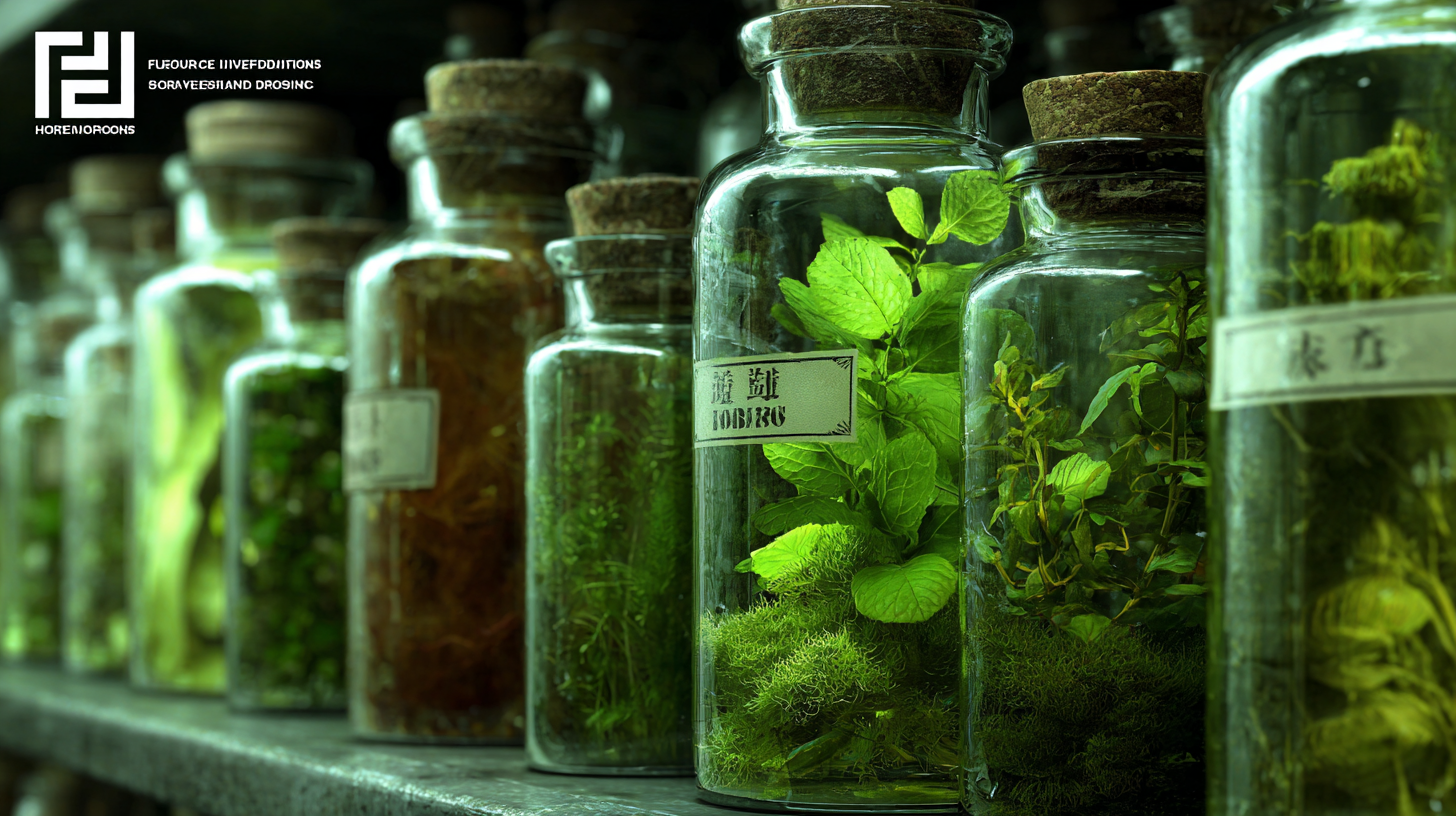
Innovative Technologies: How AI and Blockchain are Revolutionizing Sourcing Processes
You know, in the fast-paced world of herbal extracts, things are changing pretty quickly. Innovative technologies are really shaking things up when it comes to how we source these ingredients. Take Artificial Intelligence, for example – it’s super cool how it helps streamline supply chain management. It sifts through tons of data to predict what’s needed, optimize inventory, and beef up quality control. So, with these AI insights, folks in sourcing can really make smart choices. This way, they can align their products with what the market wants while still sticking to ethical and sustainable practices.
And then there’s blockchain technology, which is such a game-changer! It brings a whole new level of transparency and traceability to sourcing herbal ingredients. Thanks to this decentralized ledger system, everyone involved can keep an eye on products from the farm right to the shelf. This not only boosts consumer trust but also helps tackle problems like fraud and contamination head-on.
**A Few Tips for Sourcing Effectively:**
1. Don’t shy away from technology; investing in AI tools that help with predictive analytics can really amp up your supply chain efficiency.
2. Consider adopting blockchain platforms to ensure your products are transparent – it’s a great way to build trust with your consumers and suppliers alike.
3. Make sure to regularly check in on your sourcing strategies. The market can change quickly, and staying adaptable will help keep your business competitive and sustainable.
Future Innovations in Herbal Extracts and Essential Strategies for Global Sourcing Visionaries
| Innovation Area |
Description |
Technologies Used |
Impact on Sourcing |
Future Prospects |
| AI-Driven Quality Control |
Using AI to analyze the quality of herbal extracts in real-time. |
Artificial Intelligence, Machine Learning |
Increases efficiency and reduces errors in quality assessments. |
Potential for widespread adoption to ensure product integrity. |
| Blockchain Traceability |
Ensuring the origin and journey of herbal ingredients through blockchain technology. |
Blockchain, IoT |
Enhances transparency and trust between producers and consumers. |
Growing demand for traceable sources in the market. |
| Smart Sourcing Platforms |
Platforms that use AI to match suppliers with specific sourcing needs. |
AI, Cloud Computing |
Streamlines the sourcing process, reducing time and costs. |
Increasingly important for global sourcing strategies. |
| Enhanced Data Analytics |
Leveraging big data to predict trends in herbal extract demand. |
Big Data, Analytics Software |
Informs better strategic decisions for sourcing. |
Essential for adapting to market changes rapidly. |
| Sustainable Harvesting Technologies |
Innovations in extraction methods that preserve biodiversity. |
Biotechnology, Sustainable Technologies |
Supports sustainable practices in sourcing. |
Aligns with growing consumer demand for sustainability. |
FAQS
: The increase in consumer demand for natural and health-oriented products is the primary driver of the rise of herbal extracts in the global market.
The global skincare market, valued at $115.65 billion in 2024, is projected to reach approximately $194.05 billion by 2027.
Green tea extracts are gaining popularity in health and wellness products and are expected to significantly contribute to the expansion of the herbal extracts market.
The global ashwagandha extract market is set to surpass USD 1,787.2 million by 2025.
Consumers are shifting towards herbal remedies due to a growing awareness of the potential side effects of synthetic ingredients, looking for products that offer authenticity and purity.
The healthy energy drinks market is projected to grow from USD 4.17 billion in 2023 to USD 6.37 billion by 2030, reflecting a strong interest in natural and invigorating beverage options.
The market for herbal supplements is expected to reach approximately USD 160.6 billion by 2030.
The natural hair care products market is expected to grow to USD 16.99 billion by 2030, driven by consumer demand for effective products that align with natural and health-conscious preferences.
Creams, lotions, and sprays containing effective, natural ingredients are leading in popularity as consumers become more health-conscious.
Adaptogens, such as ashwagandha, are increasingly recognized for their stress-relief properties, driving steady market growth from 2025 to 2035.