Looking ahead, the world of plant extract innovations is really set to shake things up when it comes to creating more sustainable solutions across a bunch of industries — think nutraceuticals, food and drinks, and cosmetics.
I recently came across a report from MarketsandMarkets that says the global market for plant extracts is expected to jump from around USD 19.4 billion back in 2021 to about USD 28.3 billion by 2026. That’s a solid CAGR of about 7.5%, which really shows how people are now craving natural, innovative ingredients that support health and wellness.
Here at Xi'an Le-Nutra Ingredients Inc, we’re all in — focusing on researching, crafting, and sharing these natural goodies. Our goal is to not just follow market trends but also stick to sustainable practices together. As we dive into the latest in plant extract innovations, it’s clear they’re really shaping up to offer solutions that resonate with eco-conscious folks and industries looking to do their part for a greener future.
Exploring the Role of Plant Extracts in Sustainable Product Development
Lately, plant extracts have really become a key part of creating more sustainable products. They’re a natural alternative to some of those synthetic ingredients we see everywhere. These extracts come from all kinds of plants, and not only do they boost how well products work, but they also fit in perfectly with what many people are looking for these days — eco-friendly and responsible options. Thanks to their rich mix of bioactive compounds, plant extracts can act as natural preservatives, antioxidants, and even fight off microbes, making them super appealing in everything from cosmetics to food and medicines. It’s pretty exciting because industries are really trying to cut down on their environmental impact and go for greener, more sustainable formulations.
Plus, bringing plant extracts into product development isn’t just good for the planet — it also promotes biodiversity and better agricultural practices. When companies source ingredients responsibly and support native plant species, they help protect ecosystems while also supporting local communities. And with traditional herbal knowledge gaining popularity again, it’s like reconnecting us with nature and encouraging folks to make more informed, conscious choices. As research continues, we're bound to see even more innovative uses of plant extracts, paving the way for a future where good products and sustainability go hand in hand.
Key Innovations in Plant Extract Technologies for Eco-Friendly Solutions
Lately, there's been a real buzz around sustainable solutions, and it’s driving some pretty exciting innovations in how we extract things from plants. Techniques like supercritical CO2 extraction and cold pressing have really changed the game—allowing companies to unlock more of what plants have to offer without harming the environment. These methods not only help preserve those valuable bioactive compounds but also cut down on the need for nasty solvents and energy-hungry processes that used to be the norm. It’s pretty cool, right?
And let’s not forget about how amazing plant biodiversity is—there’s just so much untapped potential out there. Because of that, we’re seeing all kinds of new plant-based materials and compounds popping up as alternatives to synthetic chemicals, especially in things like cosmetics, medicines, and even food. For example, some bioactive plant extracts are now being used in eco-friendly packaging—thanks to their natural antimicrobial properties, they can help keep products fresh longer and cut down on plastic waste. As more research comes out, we're discovering even more ways to use plants in sustainable ways, making products that are better for us and the planet at the same time.
The Future of Plant Extract Innovations
This chart illustrates the key innovations in plant extract technologies over the past five years, showcasing their potential impact on sustainable solutions.
The Benefits of Utilizing Plant-Derived Ingredients in Industries
Lately, there's been a huge buzz around sustainability, and you can really see it in how many industries are turning to plant-based ingredients. From skincare to food, using natural extracts just makes sense—they’re not only gentler on the environment compared to synthetic stuff, but they also come with some pretty awesome health perks. For example, plant extracts can be super rich in antioxidants, help keep your skin hydrated, and even jazz up the flavors in recipes—all while cutting back on chemicals and non-renewable resources.
When you're adding these plant-based ingredients into your products, it’s really important to focus on quality and making sure they’re sustainably sourced. Always go for certified organic options if possible—that way, you can be confident they’re free from nasty pesticides and harvested responsibly. Also, thinking about how well these extracts get absorbed matters. Picking formulations that boost bioavailability can make a big difference in how effective they actually are.
Another thing I’d suggest is mixing up different kinds of plant extracts. Combining various botanicals can create some pretty cool synergy, making your products work even better. Plus, it’s a smart move from a sustainability perspective, since it encourages using a wider array of plant sources and promotes biodiversity. All of this not only leads to healthier, more effective products but also helps support the planet—it's kind of a win-win, right?
Challenges and Solutions in the Integration of Plant Extracts
 As the demand for more sustainable solutions keeps growing, integrating plant extracts into various industries is facing a few hurdles. According to a recent report by Grand View Research, the global market for plant extracts is expected to hit around $28.9 billion by 2025, thanks to consumers getting more interested in natural products. That said, traditional extraction techniques often give pretty low yields and might not capture all the good stuff in the plants. This can be a real challenge for manufacturers trying to include these innovative ingredients into their products.
To tackle these issues, many companies are turning to cutting-edge extraction methods like supercritical fluid extraction and ultrasound-assisted extraction. These newer approaches don’t just boost the amount they get out of the plants—they also help keep the extracts stable and bioactive, which is a big plus. On top of that, working closely with researchers and manufacturers plays a huge role in getting past regulatory hurdles and keeping quality in check. Having solid testing procedures helps reduce the risk of contamination and inconsistency, which is super important.
Tip: When you're sourcing plant extracts, make sure to choose suppliers who are transparent about how they extract ingredients and where their raw materials come from. That way, you’re more likely to get products that are both effective and created with respect for the plants' sustainability.
Tip: Keep an eye on the latest research in the field. Checking out industry reports and scientific journals can really give you a leg up—spotting new applications and making smarter choices for greener, more sustainable solutions.
Future Trends in Plant Extract Research and Market Opportunities
Lately, there’s been a noticeable jump in the demand for plant extracts, mainly because folks are eating more processed foods and drinks. people want snacks and beverages that are not just quick and easy but also pack a punch in flavor. Extracting oils and proteins from specific herbs and spices seems to do the trick—they give you that quick burst of flavor while still keeping things tasty and aromatic. This whole trend has really opened up a bunch of opportunities in the market for functional extracts. These are used in all sorts of stuff—food, drinks, dietary supplements, and even personal care products.
As this market keeps growing, it’s a good idea for brands to consider adding more plant-based ingredients to their products—it can really boost their appeal. Here’s a quick tip: make sure you’re sourcing top-notch raw materials because the strength and flavor of the extracts really depend on the quality of the plants you start with. Also, with more people wanting products with 'clean labels,' transparency is key. Brands should be upfront about what’s in their extracts and how they benefit, especially to catch the eye of health-conscious customers.
Oh, and by the way, the latest research shows that natural preservatives and supplements are becoming more popular. It looks like consumers are leaning toward healthier, more natural options. So, my advice? Keep an eye on the latest trends and new research—it’s a great way to spot opportunities for innovation. Staying ahead of the curve will help you stay competitive in this sustainable, ever-changing market.
Case Studies of Successful Plant Extract Applications in Sustainability
You know, these days, the whole world of sustainability is really starting to blend more and more with cool new uses for plant extracts. It’s pretty exciting to see how they could totally shake up different industries. Take, for example, this fascinating story from a top materials company over in Shandong, China — they’ve figured out how to turn corn cobs into high-quality rubber. Seriously, who would’ve thought that something we usually throw away could become such a valuable material? This kind of innovation not only cuts down on waste but also pushes us toward a more circular economy. It’s a win-win situation and honestly shows how clever science can lead the way toward greener manufacturing practices.
Over in South America, the market for seaweed extract biostimulants is booming—growing fast, actually. People are starting to realize that natural solutions like these could really make a difference in farming. These biostimulants help plants grow better and get stronger, and they’re a much friendlier alternative to those synthetic fertilizers that can sometimes cause more harm than good. As more farms jump on this bandwagon, we’re already seeing some pretty positive results in crop yields and soil health. It’s clear that plant extracts are playing a big part in pushing agriculture toward more sustainable methods, and honestly, the future looks bright for more innovations that, in the end, are good for the planet.
The Future of Plant Extract Innovations Shaping Sustainable Solutions
| Application Area |
Plant Extract Type |
Sustainable Benefit |
Case Study Reference |
| Cosmetics |
Aloe Vera Extract |
Moisturizing and soothing properties |
2022 Skin Care Innovations |
| Food Additives |
Rosemary Extract |
Natural preservative properties |
2023 Food Science Advances |
| Textiles |
Hemp Fiber Extract |
Biodegradable and durable material |
2021 Sustainable Fashion Reports |
| Pharmaceuticals |
Turmeric Extract (Curcumin) |
Anti-inflammatory and antioxidant effects |
2022 Health Innovations Review |
| Cleaning Products |
Citrus Extracts |
Natural antibacterial properties |
2023 Eco-Friendly Cleaning Solutions |
Exploring the Health Benefits of Rosa Roxburghii Extract: Insights from Recent Antioxidant Research and Market Trends
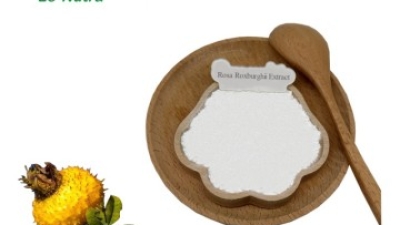
Rosa Roxburghii, commonly known as the China rose, has gained significant attention over the years due to its impressive antioxidant properties and health benefits. Recent research highlights the extract from this fruit as a powerful source of natural antioxidants, which play a crucial role in neutralizing free radicals in the body. Clinical studies suggest that the antioxidant capacity of Rosa Roxburghii extracts can help improve immunity and enhance digestive health. For instance, a recent report published in the "Journal of Nutritional Science" indicates that the antioxidant levels in Rosa Roxburghii fruit extracts are significantly higher than those found in other commonly used fruits, underscoring its potential as a health supplement.
In the realm of product offerings, Rosa Roxburghii Extract is available in various specifications, including 20,000iu/g, 50,000iu/g, and 100,000iu/g. This white to off-white powder is not just limited to the health supplement market; it also shows promising applications in cosmetics and food additives, thanks to its multifunctional properties. Its certifications, such as ISO9001, HALAL, and NON-GMO, enhance its appeal to quality-conscious consumers. The versatility of Rosa Roxburghii extract positions it favorably amid current market trends that favor natural, plant-based ingredients. Industry reports indicate that the global market for natural antioxidants is expected to grow at a CAGR of approximately 7% over the next five years, making this extract a valuable addition to your product lineup.
As health enthusiasts continue to seek out effective natural solutions, Rosa Roxburghii Extract stands out for its unique combination of health benefits and market viability. With its well-documented properties and a robust profile in antioxidant research, this extract not only meets consumer demand but also paves the way for innovations in health products. The packaging in vacuum aluminum foil bags and fiber drums ensures the quality is maintained, providing a two-year shelf life when stored correctly—making it not only a smart choice for consumers but also a reliable option for manufacturers.
FAQS
: Plant extracts are nature-derived alternatives to synthetic ingredients that enhance product efficacy while meeting consumer demands for eco-friendly solutions. They offer benefits such as natural preservatives, antioxidants, and antimicrobial properties, making them valuable across various industries.
The use of plant extracts promotes biodiversity and sustainable agricultural practices by sourcing ingredients from responsible suppliers and supporting indigenous plant species, which helps preserve ecosystems and boosts local economies.
Challenges include minimal yields from traditional extraction methods and difficulty in capturing the full range of beneficial compounds, which can hinder manufacturers from effectively incorporating these solutions.
Companies are adopting advanced extraction technologies such as supercritical fluid extraction and ultrasound-assisted extraction to enhance yields and ensure the stability and bioactivity of the extracts.
Collaboration between researchers and manufacturers is essential to address regulatory barriers and implement robust testing protocols, helping to mitigate risks associated with contamination and variability in plant extracts.
Consumers should prioritize suppliers who provide transparency regarding their extraction methods and ingredient sourcing to ensure the effectiveness and sustainability of the plant materials used in products.
The demand for plant extracts is rising due to greater consumer awareness of natural products and a collective shift towards sustainable solutions in various industries, with the global market projected to reach $28.9 billion by 2025.
Engaging with industry reports and scientific journals can provide insights into innovative applications and research, enabling consumers to make informed choices for sustainable solutions.
Plant extracts are being used in a range of sectors, including cosmetics, food, and pharmaceuticals, due to their beneficial properties and alignment with eco-friendly practices.
Traditional knowledge and the rise of herbalism foster a connection to nature, encouraging consumers to make informed choices and explore the benefits of plant-based ingredients in their products.
Conclusion
Hey, have you checked out the blog titled "The Future of Plant Extract Innovations Shaping Sustainable Solutions"? It dives into how plant extracts are playing a pretty important role in creating more eco-friendly products across different industries. The article points out some really exciting breakthroughs in plant extract tech that are actually helping us move toward greener solutions. Plus, it talks about how using plant-based ingredients is super beneficial—whether it’s in health supplements, foods, cosmetics, or personal care stuff. Of course, there are hurdles to overcome when it comes to working with these extracts, but thankfully, new solutions are popping up all the time, making collaboration easier and more efficient.
The blog also looks ahead to future trends in plant extract research and points out some pretty promising market opportunities that come with these innovations. It’s full of real-world examples showing how plant extracts are already making a difference—pretty inspiring stuff! And since Xi'an Le-Nutra Ingredients Inc. is really leading the charge in researching and producing natural raw materials, the insights shared here are pretty valuable if we want to build a greener, more sustainable future using plant extracts.
All in all, it’s a great read if you’re into how nature’s ingredients can really shape the future of sustainability.