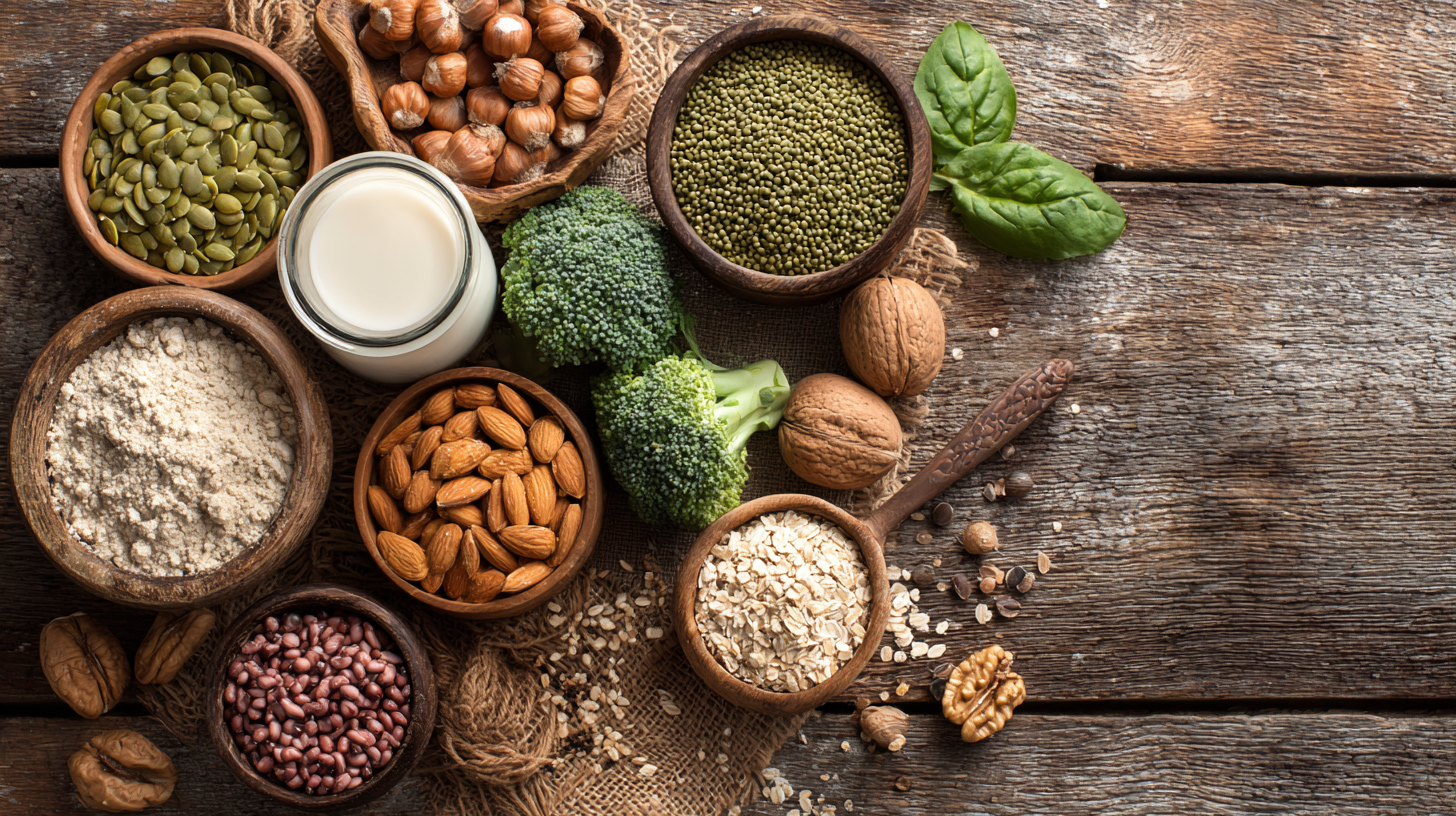
Lately, there’s been a real buzz around health and sustainability, and because of that, more folks are tuning into Plant Protein as an essential part of a healthy diet. If you look at the stats from Global Market Insights, the plant protein market is expected to hit over $20 billion by 2026 — mainly thanks to more people going vegetarian or flexitarian. Here at Xi'an Le-Nutra Ingredients Inc., we’re super passionate about developing and offering natural, healthy, and innovative raw materials. Our focus on unlocking the nutritional power of plants just fits so well with the worldwide shift toward plant-based eating. This guide is all about sharing the amazing health benefits of Plant Protein, showing how it can help support your well-being while also being part of a more sustainable food future.
Understanding the Role of Plant Protein in Human Nutrition and Health Benefits
Plant protein is honestly a pretty big deal when it comes to our nutrition. It’s a great alternative to animal proteins, especially as more folks are shifting towards
plant-based diets for health reasons or because they just want to do the right thing ethically. What’s cool is that plant proteins are packed with
essential amino acids, vitamins, and minerals—these support muscle growth, help our bodies repair, and keep us running smoothly overall. And the best part? They usually have less
saturated fat and cholesterol compared to animal sources, so they’re better for your heart and can even help lower the risk of chronic illnesses.
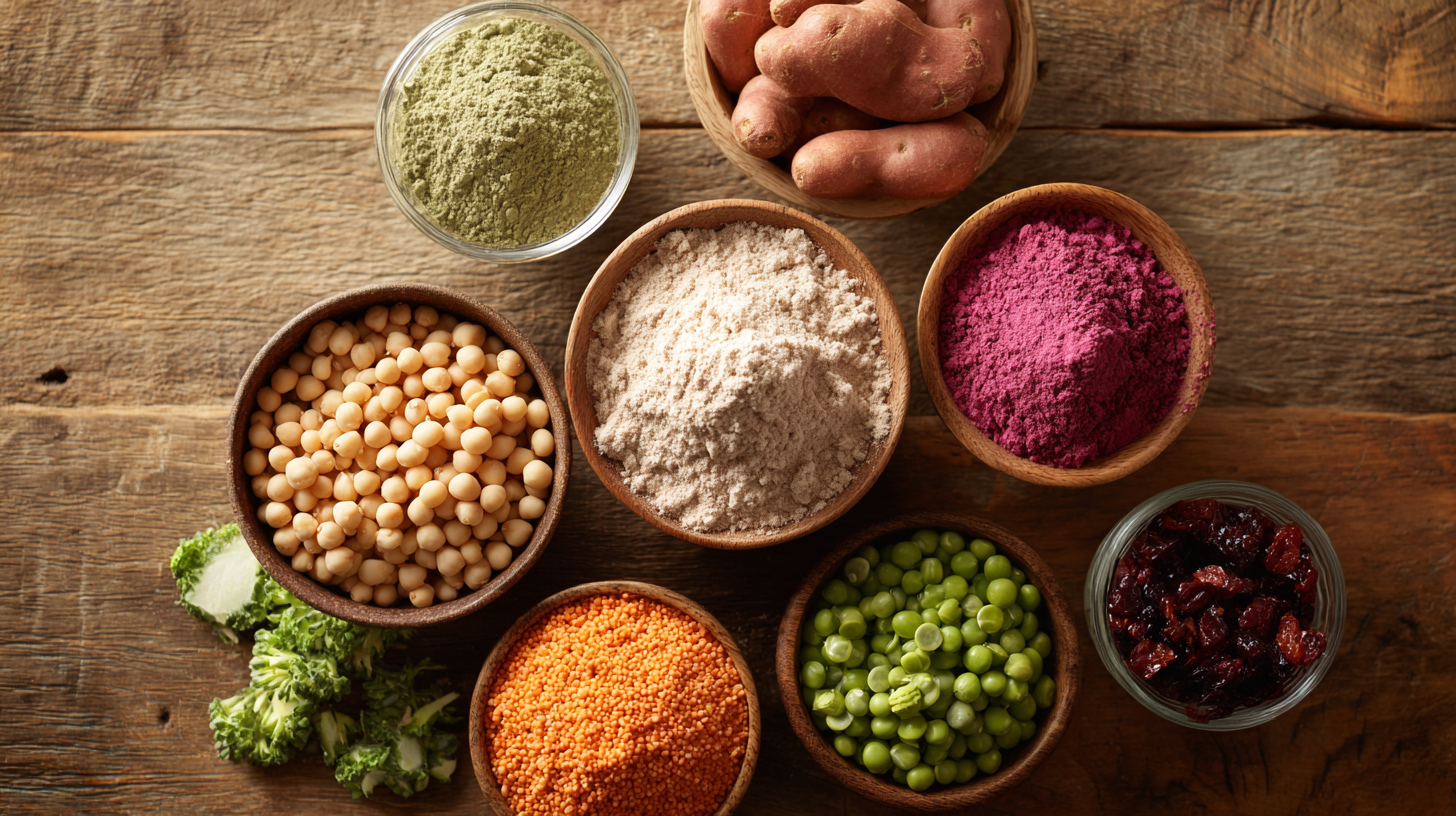
Plus, plant proteins aren’t just good for you nutritionally. Their high fiber content helps keep your digestion happy and supports gut health.
Fiber’s also great for maintaining a healthy weight, controlling blood sugar levels, and keeping your digestive system on point. Mixing in a variety of plant-based foods like beans,
nuts, seeds, and whole grains gives you a wider range of nutrients, making your diet more balanced.
Overall, choosing more plant proteins not only boosts your health but also helps support a more sustainable food system—doing good for yourself and for the planet at the same time. It’s a
win-win, really!
Comparative Analysis: Plant Proteins vs. Animal Proteins in Diets
Lately, there's been quite a bit of buzz and debate around whether plant proteins are truly better for us compared to good old animal proteins. If you dig into the latest research, you'll see that plant-based options like vegan burgers and sausages are actually offering some pretty impressive health perks — sometimes even surpassing traditional meat. This is especially interesting considering how more and more people around the world are jumping on the plant-based bandwagon, looking for healthier and more sustainable diets. Of course, everyone agrees that animal proteins pack a punch when it comes to essential amino acids, but plant proteins are really starting to shine too — they’ve been linked to better weight management, and helping keep blood sugar in check, which is pretty cool.
In different parts of Europe and Asia, studies are showing that plant-based foods are getting easier to digest and deliver nutrients efficiently, which kind of throws a wrench into the old idea that animal foods are always the best nutrient source. Plus, people focused on building muscle and strength are realizing that plant proteins can totally support their goals. As more folks turn to plant-based options, it’s not just about personal health anymore — it’s also about making our food systems more sustainable and kinder to the planet.
Key Sources of Plant Protein: Legumes, Nuts, Seeds, and Whole Grains
Lately, plant protein has really become a big deal in modern diets—especially with so many folks looking to eat more plant-based. You know, staples like beans, lentils, chickpeas, nuts, seeds, and whole grains are all fantastic sources of plant protein. Each of these brings its own kind of nutrition to the table, which is pretty great for overall health. According to the Food and Agriculture Organization, legumes—like beans, lentils, and chickpeas—are actually some of the most protein-packed plant foods. They give you around 20 to 30 grams of protein in a cooked cup, and they’re also loaded with fiber, which keeps your digestion on point and helps keep blood sugar steady.
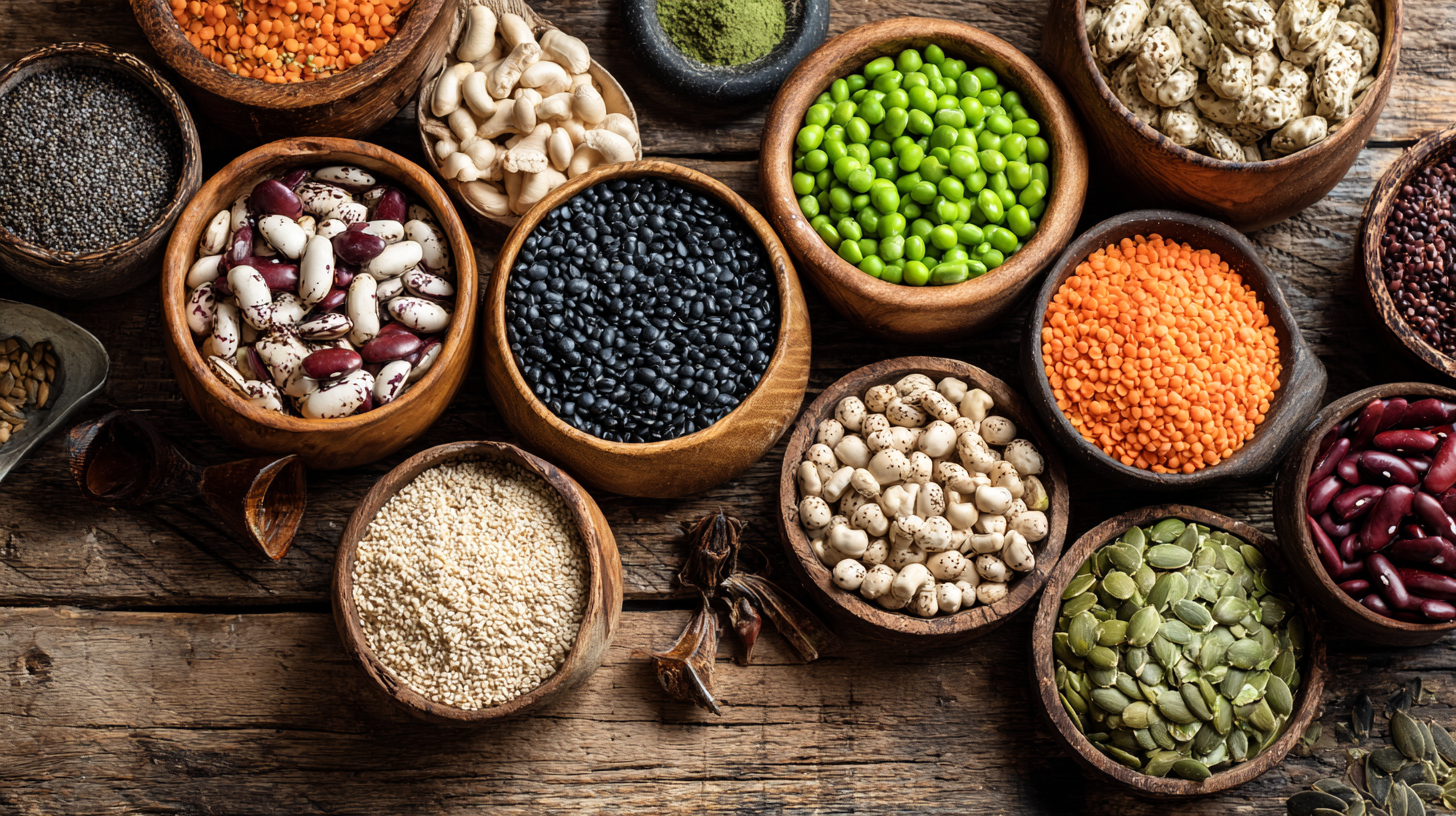
Then there are nuts and seeds—those are totally underrated powerhouses. Not only do they pack in healthy fats and a bunch of vitamins and minerals, but they also contribute a good chunk of protein. For example, just an ounce of almonds has about 6 grams of protein, plus vitamin E and magnesium—great for your heart and helping to cut down inflammation. Whole grains like quinoa and farro are also key players; quinoa, especially, is a complete protein, meaning it has all nine essential amino acids. One cup of cooked quinoa packs in roughly 8 grams of protein—so, honestly, they’re perfect for rounding out a balanced meal. Adding these plant-based protein sources into your diet can really boost your nutrition and support your overall health in a pretty natural, satisfying way.
Nutritional Profile of Popular Plant-Based Proteins: A Data-Driven Insight
Lately, plant-based proteins have really been catching on. More folks are looking for ways to boost their health through better nutrition, and these foods fit right in. Think about lentils, chickpeas, quinoa, or even hemp seeds — they all pack a pretty impressive nutritional punch and can really suit a bunch of different diets. For example, a cup of cooked lentils offers about 18 grams of protein, plus essential vitamins and minerals like iron and folate. And quinoa? It’s a complete protein, meaning it has all nine essential amino acids — super handy for vegetarians and vegans.
If you’re trying to add more plant proteins into your meals, a good tip is to mix and match different sources. Pairing legumes with whole grains, like black beans with brown rice or chickpeas with whole wheat pita, not only boosts the quality of your protein but also bumps up the nutrients in your meals. Oh, and don’t forget about snacks! Roasted edamame or nut butter on whole-grain toast can help keep your energy steady throughout the day. Once you start putting this into practice, you'll see how powerful plant-based eating can be for your overall health — it’s pretty rewarding stuff.
Optimizing Plant Protein Intake for Athletic Performance and Muscle Health
Athletes and fitness buffs are always on the lookout for ways to boost their performance and bounce back faster. One thing that often gets overlooked but is actually super important is getting enough plant-based protein. You might think that going the plant route means sacrificing protein, but that’s totally a misconception. There are tons of plant foods like lentils, chickpeas, quinoa, and a bunch of nuts and seeds that pack a punch with high-quality protein. Plus, they’ve got all those essential amino acids your body needs for muscle repair and growing stronger.
To make the most of plant protein, it helps to mix things up and include different sources in your meals. For instance, pairing legumes with grains creates a complete protein, which is a win from a nutritional standpoint. Timing also matters—having some plant protein before or after workouts can really support muscle recovery and growth. If you’re often on the go, smoothies or protein bars made from plant stuff can be a lifesaver, making sure you stay fueled without much fuss. Overall, by tapping into the variety of plant proteins out there, athletes can seriously level up their game and keep their muscles healthy long-term.
Comprehensive Guide to Plant Protein: Unlocking the Nutritional Power of Plants for Optimal Health
| Plant Source |
Protein Content (g per 100g) |
Amino Acid Profile |
Bioavailability |
Best Uses |
| Lentils |
9.0 |
Rich in lysine and good amounts of leucine |
High |
Soups, stews, salads |
| Chickpeas |
8.9 |
Balanced amino acid profile |
Moderate |
Hummus, salads, curries |
| Quinoa |
4.1 |
Complete protein with all essential amino acids |
High |
Salads, grain bowls, side dishes |
| Hemp Seeds |
31.6 |
Rich in omega-3 and omega-6 fatty acids |
High |
Smoothies, yogurt, salads |
| Tofu |
8.0 |
Good source of methionine |
High |
Stir-fries, soups, salads |
Addressing Common Myths About Plant Proteins and Nutritional Deficiencies
People often get the wrong idea about plant proteins, which leads to a bunch of misconceptions about their nutritional value and whether they can cause deficiencies. One popular myth? That plant-based proteins don’t have all the essential amino acids. But honestly, that's not quite true—things like quinoa, chia seeds, and soy actually give you complete proteins. And if you're eating a variety of plant foods, like rice and beans together, you can totally meet your amino acid needs and still enjoy a pretty diverse, tasty diet.
Another common worry is whether plant proteins pack enough iron and vitamin B12. It's true that some plant foods contain non-heme iron, but adding foods high in vitamin C—say, citrus or bell peppers—can really help your body absorb that iron better. Plus, if you're on a plant-based diet, you can get B12 from fortified foods or supplements, so you’re covered. By breaking down these myths, we can really show just how beneficial plant proteins are for our health and encourage a more open-minded view when it comes to nutrition.
Plant Protein vs. Animal Protein: Nutritional Comparison
Transform Your Hair Care Routine: Unveiling the Benefits of Small Molecular Hydrolyzed Wheat Protein Powder
Transforming your hair care routine starts with understanding the ingredients that make a difference. One of the standout components to consider is Hydrolyzed Wheat Protein Powder. This innovative ingredient is composed of small molecular peptides that penetrate deep into the hair shaft, leading to remarkable benefits. With a molecular weight of less than 2000Da, this protein is not only water-soluble but also showcases a clear liquid form devoid of impurities, ensuring it efficiently moisturizes and nourishes your hair.
The advantages of Hydrolyzed Wheat Protein include its ability to deeply moisturize, repair skin tissues, and improve both skin and hair texture—making it a must-have in your hair care arsenal. Its fast-acting nature and enzyme stability mean it delivers immediate results while promoting long-term benefits, such as anti-aging effects. Whether used in shampoos, hair masks, or conditioners, this powerful ingredient enhances overall hair health, resulting in stronger, shinier locks that feel soft to the touch.
Incorporating Hydrolyzed Wheat Protein into your regimen can elevate your hair care experience. Look for products boasting a protein content of over 80% and a high glutamate content that guarantees nourishment. From mild cleansing products to luxurious hair treatments, this remarkable protein truly offers transformative power for your hair care routine.
FAQS
: Plant protein offers essential amino acids, vitamins, and minerals, supports muscle growth and overall bodily function, and is lower in saturated fat and cholesterol, promoting heart health and reducing chronic disease risks.
Plant proteins are high in fiber, which helps maintain a healthy weight, controls blood sugar levels, and improves digestive health.
Key sources include legumes (like beans, lentils, and chickpeas), nuts, seeds, and whole grains.
Legumes can offer about 20-30 grams of protein per cooked cup, alongside dietary fiber which is crucial for digestion.
Nuts and seeds deliver healthy fats, vitamins, and minerals, with almonds, for example, providing about 6 grams of protein per ounce along with vitamin E and magnesium.
Yes, quinoa is a complete protein, containing all nine essential amino acids, and provides roughly 8 grams of protein per cooked cup.
By choosing plant proteins, individuals support sustainable food systems, contributing to personal well-being and environmental health.
Including a variety of plant proteins fosters a broader range of nutrients, promoting a more balanced diet and optimal health.
Yes, plant-based diets can contribute to reduced risks of chronic diseases due to lower saturated fat and cholesterol content.
Fiber aids digestion, helps maintain a healthy weight, and regulates blood sugar levels, making it an essential component of plant proteins.
Conclusion
Hey there! In our all-in-one guide to plant proteins, we’re diving into how vital these plant-based powerhouses are for our nutrition and the huge list of health benefits they offer. We’ll compare them with animal proteins, pointing out how awesome sources like beans, nuts, seeds, and whole grains really are. Looking at the nutritional profiles of popular plant proteins, we give you real data to show why they should be part of a balanced diet.
We also chat about how eating enough plant protein can give your athletic performance a boost and help keep your muscles healthy. Plus, we tackle some of those common myths about plant proteins and address worries about missing out on nutrients. Since Xi'an Le-Nutra Ingredients Inc. is all about pushing natural, innovative ingredients, this guide is a must-read if you’re trying to unlock the full nutritional potential of plants for your health. It’s all about making smarter food choices and feeling your best!