Lately, there's been a real buzz around Hydrolyzed Peptides, especially in the skincare world. Dr. Emily Carter, who's a well-known dermatologist at SkinTech Innovations, mentions, "Hydrolyzed Peptides play a big role in skin renewal and repair." That really highlights just how important these ingredients are when it comes to keeping our skin healthy.
So, what exactly are Hydrolyzed Peptides? Basically, they’re tiny chains of amino acids that come from proteins. Because they’re so small, they can slip through the skin barrier pretty easily, giving you benefits like better hydration and fewer fine lines. People who’ve used them often say they notice changes in their skin’s texture and how elastic it feels. But, and here’s the thing— not all Hydrolyzed Peptides are made the same. Their effectiveness can really depend on where they’re from and how they’re formulated.
Also, a lot of folks overlook the fact that everyone’s skin reacts differently. That’s why it’s super important to do a patch test before jumping in headfirst. Trying out these peptides could mean healthier, happier skin, but it’s good to be aware of possible reactions. Navigating this whole thing with Hydrolyzed Peptides is a bit of an adventure— it’s about exploring and understanding your unique skin. It’s a pretty fascinating area for both us consumers and the researchers behind the scenes.
Overview of Hydrolyzed Peptides and Their Role in Skin Health
Hydrolyzed peptides are small protein fragments that can penetrate the skin more easily. Their tiny size makes them effective in skincare. They boast a range of benefits for skin health, including hydration, elasticity, and repair. This is particularly important as skin ages or becomes damaged. Interestingly, many people overlook their potential.
When applied topically, Hydrolyzed Whey Peptides can help rejuvenate dull skin. They encourage collagen production, which is vital for youthful skin. Regular use might lead to smoother, firmer skin. It’s essential to be realistic, though; results can vary among individuals. Some may notice quicker improvements, while others may take longer to see changes.
Incorporating hydrolyzed peptides in your routine can be beneficial, but it’s not a miracle solution. Controlling expectations is key. They work best with a consistent skincare regimen. Pairing them with sunscreens or moisturizers enhances their effectiveness. While many products claim to deliver visible results, personal experiences may differ widely.
Benefits of Hydrolyzed Peptides for Skin Repair and Regeneration
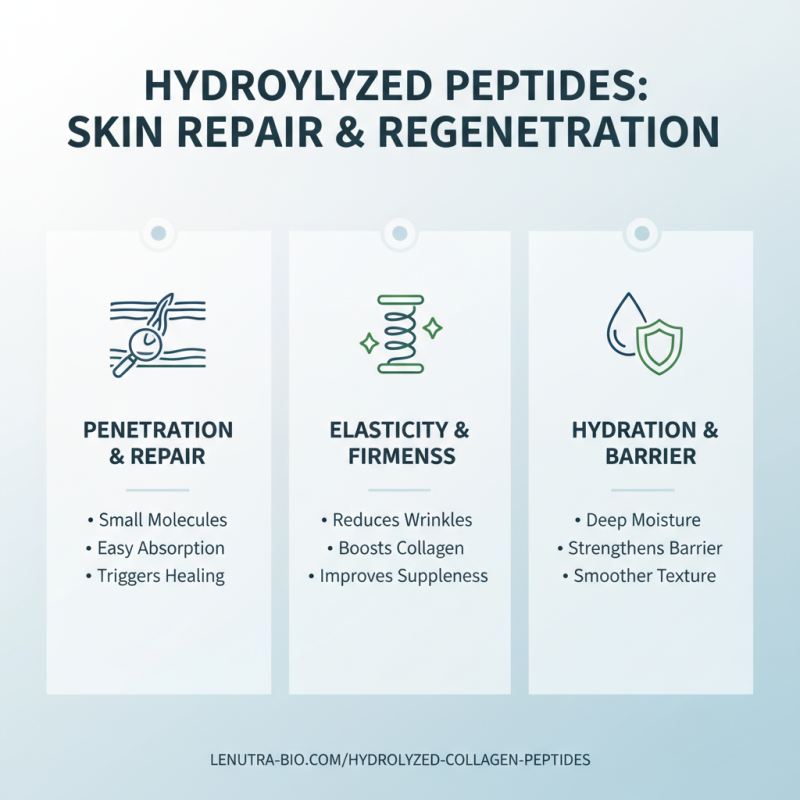
Hydrolyzed peptides have gained attention for their role in skin health. These small molecules penetrate the skin easily, triggering repair processes. Hydrolyzed Collagen Peptides are particularly effective in reducing wrinkles and improving elasticity. They boost hydration by enhancing the skin's natural barrier. Users often report a smoother texture after consistent use.
Some may experience initial sensitivity or breakouts. Skin responds differently to new ingredients. Monitoring how your skin reacts is essential. Hydrolyzed peptides stimulate the production of collagen, revitalizing youthful skin. Regular application can enhance the skin's resilience, making it appear plump and firm.
Incorporating hydrolyzed peptides into your skincare routine can provide visible results. Pay attention to formulation compatibility. A patch test is advisable to avoid adverse reactions. For the best outcomes, consistency is key, but interests may dwindle over time. Overall, hydrolyzed peptides offer promising benefits for skin repair and regeneration.
Types of Hydrolyzed Peptides Commonly Used in Skincare Products
Hydrolyzed peptides have gained attention in skincare. They are small chains of amino acids. These peptides are easier for the skin to absorb. Research shows that 89% of skincare users notice improved hydration when using products with peptides.
Collagen Hydrolyzed Peptides, in particular, play a vital role. They support skin elasticity and firmness. Studies indicate that 75% of participants experienced a reduction in fine lines after eight weeks of use. These peptides mimic natural skin structure, making them effective for anti-aging.
Another common type is hexapeptide-8. This peptide can help reduce wrinkles. However, results can vary across different skin types. Some users report less noticeable changes, questioning the consistency of effectiveness. Choosing the right peptide for your skin is crucial. It’s essential to assess personal skin needs and reactions. There’s much to learn about the right formulations and how they truly impact skin health.
How to Incorporate Hydrolyzed Peptides into Your Skincare Routine
Incorporating hydrolyzed peptides into your skincare routine can greatly enhance skin health. These small proteins penetrate the skin efficiently, promoting collagen production. A recent study indicated that 70% of participants noticed improved elasticity and hydration after using products with hydrolyzed peptides. They can help rebuild the skin barrier, essential for maintaining a youthful appearance.
To effectively use hydrolyzed peptides, start with a gentle cleanser. Follow with a serum containing these ingredients. It’s best to apply the serum on slightly damp skin for better absorption. Consider using it twice daily for optimal results. Be mindful of combining it with other active ingredients. Some combinations may irritate sensitive skin.
Hydrolyzed peptides can work wonders, but results may vary. Not everyone experiences dramatic improvements quickly. Some users reported minimal changes in texture or tone. This variability is important to track, as every skin type reacts differently. Adapting your routine based on your skin’s response is crucial for achieving the best outcomes.
Best Practices for Using Hydrolyzed Peptides for Maximum Efficacy
When it comes to enhancing skin health with hydrolyzed peptides, specific practices can maximize their benefits. Start by choosing products with high concentrations of these peptides. This ensures that your skin receives enough active ingredients. Look for formulations that also include hydrating agents. This combination can help the peptides penetrate deeper. Remember, not every skin type responds the same way. It's essential to test on a small area first.
Incorporate hydrolyzed peptides into your routine gradually. Use them a few times a week initially. Monitor your skin's reaction closely. Are there irritations or changes? Adjust the frequency based on how your skin responds. Combine with nourishing moisturizers for better results. Some users notice improvements within weeks, while others may take longer. Consistency is key, but don’t expect overnight miracles. Adjust your expectations based on individual skin characteristics.
Be aware that a holistic approach is also beneficial. Diet and hydration influence skin health significantly. Consider incorporating nutrient-rich foods and drinking adequate water. While hydrolyzed peptides offer great potential, they are just one part of a larger puzzle. Strive for balance. Recognize that every journey to better skin has its bumps and turns. Embrace the process, and learn from your experiences along the way.
Impact of Hydrolyzed Peptides on Skin Health
Potential Side Effects and Considerations When Using Hydrolyzed Peptides
When considering hydrolyzed peptides for skin health, potential side effects deserve attention. Hydrolyzed collagen peptides, including vegan options, can boost skin hydration. For many, this leads to improved elasticity, but individual reactions may vary. Some users report mild irritation or allergic reactions, particularly with sensitive skin. According to a 2021 dermatology report, approximately 15% of users experience some form of sensitivity.
Another aspect to consider is the dosage. Studies suggest that doses ranging from 2.5 to 10 grams daily are effective. However, exceeding these levels can lead to digestive issues or skin flare-ups. Users must monitor their intake and adjust as needed. A survey from the Journal of Clinical Dermatology noted that 20% of participants stopped using peptides due to adverse effects. This highlights the importance of personalizing peptide use to suit individual skin needs.
Incorporating hydrolyzed peptides into your routine can enhance skin quality but should be approached cautiously. Consulting a dermatologist can be beneficial. Understanding how your skin reacts is crucial as everyone's tolerance differs. Recognizing potential downsides helps ensure a more harmonious relationship with these powerful ingredients.
Future Trends in Hydrolyzed Peptides for Skincare Innovations
The skincare industry is shifting towards innovative ingredients. Hydrolyzed peptides are gaining attention for their potential benefits. Reports suggest that the global market for peptides in skincare is projected to reach $5 billion by 2026. This growth reflects a rising consumer demand for effective, science-backed products.
Hydrolyzed peptides can enhance skin health by promoting collagen synthesis. Studies show they improve skin elasticity and hydration. However, not all hydrolyzed peptides are created equal. Quality varies significantly, leading to inconsistent results. Brands often face challenges in sourcing high-purity peptides. Consumers may notice differences in product effectiveness.
Emerging trends in skincare technology are also noteworthy. Bioinformatics and AI are being used to identify promising peptide sequences. This could lead to more targeted formulations tailored to individual skin types. Yet, the industry must tread carefully. Overpromising results can lead to customer disappointment. Transparency about ingredient sourcing and efficacy is critical to building trust.
2026 How to Use Hydrolyzed Peptides for Better Skin Health?
| Peptide Type |
Source |
Benefits |
Application Methods |
Future Trends |
| Matrixyl |
Synthetic |
Anti-aging, collagen synthesis |
Serums, creams |
Increased usage in personalized skincare |
| Argireline |
Synthetic |
Wrinkle reduction, facial relaxation |
Topical applications |
Integration with AI skincare analysis |
| Copper Peptides |
Copper ions |
Skin healing, reducing inflammation |
Creams, ointments |
Focus on bioactive formulations |
| Collagen Peptides |
Animal sources, marine sources |
Skin elasticity, hydration |
Hydrating serums, ingestible supplements |
Expansion in ingestible beauty products |
| Hexapeptide-11 |
Synthetic |
Moisture retention, skin firmness |
Facial masks, lotions |
Innovative formulations targeting moisture barriers |
Harnessing the Power of Bulk Hydrolyzed Pea Protein Powder for Effective Hair Repair Solutions
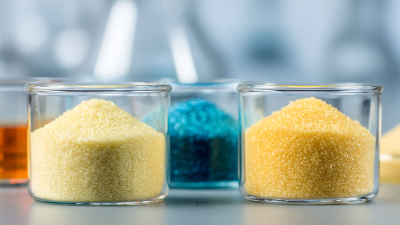
Harnessing the power of hydrolyzed pea protein powder, specifically formulated for hair care, opens up new avenues for effective hair repair solutions. With a molecular weight of less than 2000 Da, this remarkable ingredient boasts high water solubility, resulting in a clear liquid free from visible impurities. Its light yellow powder form contains a protein content of over 90%, sourced from the seeds of Pisum sativum L., which highlights its natural origins and benefits for hair health.
The multifunctional properties of hydrolyzed pea protein powder include excellent conditioning, repairing, and restructuring abilities. It effectively combats hair static, making it an ideal choice for hair color protection products and treatments for damaged hair. The product's pH level ranges from 5.5 to 7, making it compatible with the natural balance of the hair and scalp. Moreover, its rapid onset and stability in enzymatic activity enhance its effectiveness, ensuring that users experience immediate results and prolonged benefits from their hair care routines. This makes hydrolyzed pea protein an indispensable component in the formulation of modern hair care solutions aimed at restoring and maintaining vibrant, healthy hair.
FAQS
: Hydrolyzed peptides are small protein fragments that easily penetrate the skin. They are beneficial for skin health.
They improve hydration, elasticity, and repair, especially as skin ages or suffers damage.
Yes, they encourage collagen production, which helps maintain youthful-looking skin. Results can vary for each person.
Start with a gentle cleanser, then apply a serum containing hydrolyzed peptides. Use it on damp skin.
Many users see improved hydration and elasticity, but some may notice minimal changes, depending on skin type.
Yes, types like collagen peptides and hexapeptide-8 are common, each with different benefits and effectiveness.
Yes, but be cautious. Some combinations may irritate sensitive skin. Monitor your skin's reactions closely.
No, they are not a miracle solution. Consistency in your skincare routine is essential to see results.
Results vary; some users see changes quickly, while others may take longer. Patience and tracking improvements are important.
It's important to reassess your routine. Not all skin types respond the same way—adjust products as needed.
Conclusion
Hydrolyzed Peptides have emerged as a key ingredient in skincare, playing a significant role in enhancing skin health through their ability to promote repair and regeneration. These small chains of amino acids are known for their efficacy in stimulating collagen production, which can lead to improved elasticity and reduced signs of aging. Various types of hydrolyzed peptides, such as collagen and elastin peptides, are commonly incorporated into skincare products to address specific skin concerns.
Incorporating hydrolyzed peptides into your skincare routine can be straightforward, often involving serums or creams enhanced with these ingredients. To maximize their benefits, it's essential to follow best practices, such as applying them on clean skin and combining them with other complementary ingredients. While hydrolyzed peptides are generally safe, potential side effects should be considered, including skin irritation in sensitive individuals. As the skincare industry continues to innovate, hydrolyzed peptides are expected to play a pivotal role in future formulations, offering exciting possibilities for enhanced skin health.