Lately, there's been a real surge in demand for Hydrolyzed Plant Protein. I mean, folks in the industry, like Dr. Emily Johnson from GreenTech Foods, are highlighting just how important it is to nail the manufacturing process. She once mentioned, “Quality control is the backbone of any Hydrolyzed Plant Protein manufacturing,” and honestly, she’s spot on. Getting it right really is key to keeping the product’s quality intact.
When we talk about protein production, both animal and plant proteins play pretty big roles. But the way they’re made? Completely different story. For Hydrolyzed Plant Protein, it’s all about precision. You need to carefully control enzymatic reactions that break down the protein structures just right. Even the most experienced manufacturers can run into hurdles, especially since raw material quality can be all over the place, really affecting the final outcome.
Paying attention to the nitty-gritty details is absolutely essential. Manufacturers are always checking and tweaking their processes — it’s a continuous game of fine-tuning. The ultimate aim? Producing a consistent, top-notch protein alternative that meets the rising market demands. It’s a work in progress, but that’s what keeps things interesting, right?
Understanding Hydrolyzed Plant Proteins and Their Benefits
Hydrolyzed plant proteins have gained significant attention in recent years. These proteins are created through a process of enzymatic hydrolysis, breaking down complex proteins into smaller peptides. This process enhances their digestibility and allows for better absorption in the body. As a result, hydrolyzed plant proteins are increasingly popular in health supplements and food products.
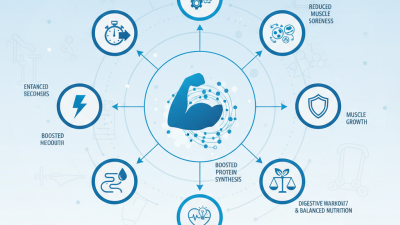
Understanding the benefits of hydrolyzed plant proteins is crucial. They provide a rich source of amino acids, essential for muscle repair and growth. Additionally, these proteins are often hypoallergenic, making them suitable for individuals with sensitivities to dairy or soy. Athletes may find that incorporating hydrolyzed plant proteins into their diets can lead to improved recovery times. However, it is essential to pay attention to the manufacturing process. Not all hydrolyzed proteins are created equal, and the quality can vary.
While the advantages of hydrolyzed plant proteins are notable, the production process can lead to inconsistencies. Factors such as temperature, enzyme type, and processing time play a significant role in the final product's quality. Small variations can result in changes to taste, texture, and nutritional profile. Manufacturers must continuously refine their methods to ensure that the proteins meet consumer expectations. This ongoing reflection can help address any inconsistencies and maintain high standards in the final product.
Key Steps in the Hydrolyzed Plant Protein Manufacturing Process
The manufacturing process of hydrolyzed Plant Protein involves several key steps that ensure high-quality output. First, selecting the right raw materials is crucial. Preferred options often include soy, pea, and hemp. These legumes are rich in essential amino acids, making them ideal for protein extraction. Studies show that using non-GMO sources can improve the final product's appeal.
Processing techniques significantly influence the efficacy of hydrolyzed plant protein. Enzymatic hydrolysis is commonly used. This procedure breaks down proteins into smaller peptides, enhancing their solubility and digestibility. Careful control of temperature and pH levels is essential to avoid denaturation, which can compromise protein functionality. Regular audits of these parameters can prevent undesirable outcomes.
Incorporating efficient filtration and purification methods can enhance the quality of the final product. Ultrafiltration helps remove unwanted compounds, ensuring a cleaner protein concentrate. Regular evaluations of equipment can help identify potential issues that may arise, ensuring a smoother manufacturing process. Providing training sessions for staff on these methodologies could lead to positive results in production quality.
Hydrolyzed plant protein is increasingly sought after in various industries. With the global market for plant-based proteins expected to grow substantially, continuous optimization of the manufacturing process is essential. Through diligent monitoring and innovation, producers can meet the rising demand for high-quality hydrolyzed plant protein.
Top 5 Hydrolyzed Plant Protein Manufacturing Process Tips
| Tip |
Description |
Key Considerations |
| 1. Choose Quality Raw Materials |
Select high-quality plant sources to ensure optimal protein extraction. |
Assess protein content and purity of raw plants. |
| 2. Optimize Hydrolysis Conditions |
Adjust pH, temperature, and enzyme concentration for effective hydrolysis. |
Monitor reaction times to avoid over-hydrolysis. |
| 3. Implement Process Automation |
Utilize automation for consistent quality and efficiency. |
Invest in reliable control systems and sensors. |
| 4. Quality Control at Every Stage |
Conduct regular testing to ensure protein quality and safety. |
Establish a strict quality management system. |
| 5. Ensure Effective Drying Techniques |
Use appropriate drying methods to preserve protein functionality. |
Consider vacuum drying or spray drying for better results. |
Selecting Quality Plant Sources for Protein Hydrolysis
When selecting quality plant sources for protein hydrolysis, it’s crucial to consider the nutritional composition and bioavailability of proteins. According to a report from the Food and Agriculture Organization (FAO), soy, peas, and rice are among the top sources of plant protein. These sources provide essential amino acids that contribute to a balanced diet. However, the quality of extraction processes can greatly affect the yield and functionality of the protein.
The process of hydrolysis can vary based on the starting plant material. For instance, legumes tend to have a higher concentration of protein, but also contain antinutritional factors. A study published in the Journal of Agricultural and Food Chemistry highlighted that pre-treatments like soaking and heat treatment can mitigate these factors, enhancing protein digestibility by over 30%.
Operators must also evaluate sustainability in sourcing practices. Many plants require extensive water resources and land. The World Resources Institute emphasizes the need for more sustainable agricultural practices. Sourcing protein sustainably can be a challenge, but it is essential for long-term feasibility. There’s always room for improvement. Exploring alternative plant sources may yield better sustainability and nutritional profiles.
Top 5 Hydrolyzed Plant Protein Manufacturing Process Tips
Optimal Enzyme Selection for Hydrolysis of Plant Proteins
Selecting the right enzymes is crucial for efficient hydrolysis of plant proteins. Many enzyme types exist, and each serves a unique purpose. Proteases, for example, break down proteins into smaller peptides. Choosing the right protease can significantly impact the yield and quality of your final product.
A key consideration is the source of the enzyme. Plant-based enzymes often work better with certain protein types. They can yield higher hydrolysis rates and enhance the nutritional profile of the protein. Testing different enzymes on your specific plant protein can lead to more effective results.
Processing conditions also play an important role. Temperature, pH, and time can affect enzyme activity. It's essential to monitor these factors closely. Small adjustments can lead to improvements in hydrolysis efficiency. Sometimes, what seems optimal might not be, so experimentation is vital.
Controlling pH and Temperature During Hydrolysis
Controlling pH and temperature during the hydrolysis of Green Plant Protein is crucial for achieving optimal results. The pH level directly impacts enzyme activity. An ideal pH range ensures maximum efficiency in breaking down proteins into peptides. Monitoring this level closely can prevent denaturation, which adversely affects protein quality. A small shift in pH can lead to significant variations in the final product.
Temperature control is equally important. Higher temperatures may speed up the hydrolysis process but can also lead to protein degradation. Finding the right balance is essential. A gradual increase allows better control over enzymatic activity, ensuring that high-quality peptides are produced. Inadequate temperature management can result in inconsistent products. Regular calibration of your equipment is necessary to maintain accurate readings.
Despite these guidelines, mistakes can happen. Variations in raw materials might affect pH and temperature readings. Equipment malfunctions can also disrupt controlled conditions. Regular training for staff involved in the hydrolysis process can enhance awareness and reduce errors. Refining these processes over time leads to higher quality Green Plant Protein. Each step taken is a move towards better production practices.
Post-Hydrolysis Processing: Purification and Concentration Techniques
Post-hydrolysis, the purification and concentration of hydrolyzed plant proteins, such as
Peanut Plant Protein,
require careful attention. Centrifugation can effectively separate unwanted solids from liquids.
This method is crucial for achieving a clear solution, yet it may not eliminate all impurities.
Another common technique is membrane filtration, which uses semi-permeable membranes to separate proteins based on size.
While effective, this process can lead to protein loss if not optimized correctly.
Drying techniques, including spray drying and freeze-drying, are essential for final product concentration.
Spray drying involves spraying a liquid feed into hot air, creating fine powder.
However, excessive heat can degrade heat-sensitive compounds.
Freeze-drying retains more of the protein’s natural structure but requires complex equipment.
The choice of method often depends on the target market and intended use.
Each technique presents its challenges, demanding constant refinement and adaptation based on the specific properties of the Peanut Plant Protein.
The balance between efficiency and product quality is a continuous learning process for manufacturers.
Quality Control Measures for Hydrolyzed Plant Proteins
Quality control is crucial in the hydrolyzed plant protein manufacturing process. Maintaining high-quality standards ensures the safety and efficacy of the final product. One key measure involves testing raw materials before they enter production. Raw plant sources must be analyzed for contaminants and nutrient composition. This step lays the foundation for producing Perfect Plant Protein.
Another important tip is to monitor the hydrolysis process closely. Factors such as temperature and pH can significantly affect the protein's quality. Frequent checks during hydrolysis can prevent issues like under-hydrolysis or over-hydrolysis. Utilizing real-time monitoring systems can help in maintaining optimal conditions.
Regular testing of the final product is also essential. It should include nutrient profiling and sensory evaluations. These tests ensure that the hydrolyzed plant protein meets nutritional specifications and consumer expectations. Feedback from these evaluations is vital for ongoing improvements. Quality control in hydrolyzed plant protein production is not just about compliance; it’s about striving for perfection in each batch.
FAQS
: The right enzyme can significantly impact the yield and quality of plant protein.
No, they work better with specific protein types, offering higher hydrolysis rates.
Temperature, pH, and time can significantly influence enzyme effectiveness during hydrolysis.
It separates unwanted solids from liquids, achieving a clearer solution but may leave some impurities.
It can effectively separate proteins but may lead to some protein loss if not optimized properly.
Spray drying distributes liquid into hot air for powder, while freeze-drying retains structure but is complex.
It ensures safety, efficacy, and maintains high standards for the final product.
Raw materials must be analyzed for contaminants and nutrient composition to ensure quality.
Close monitoring prevents issues like under or over-hydrolysis, ensuring better quality outcomes.
To ensure that the final protein meets nutritional specifications and consumer expectations for quality.
Conclusion
The Hydrolyzed Plant Protein Manufacturing Process involves several critical steps to ensure high-quality protein products. First, understanding the benefits of hydrolyzed plant proteins is essential, as they are known for their improved digestibility and bioavailability. The manufacturing process starts with selecting quality plant sources, followed by optimal enzyme selection to effectively break down proteins during hydrolysis.
Controlling pH and temperature is crucial during the hydrolysis phase, as these factors significantly impact protein structure and functionality. After hydrolysis, post-processing techniques such as purification and concentration are employed to achieve the desired product quality. Finally, implementing rigorous quality control measures ensures that the hydrolyzed plant proteins meet industry standards and consumer expectations, resulting in a reliable and superior product.