Lately, hydrolyzed proteins have really been getting a lot of attention. You see them popping up all over the place—in foods, nutritional supplements, and even cosmetics. I read a report from Grand View Research that predicts the global demand for these proteins is going to keep climbing, and by 2025, it could hit around $5 billion. That’s pretty impressive when you think about how versatile and beneficial these proteins are.
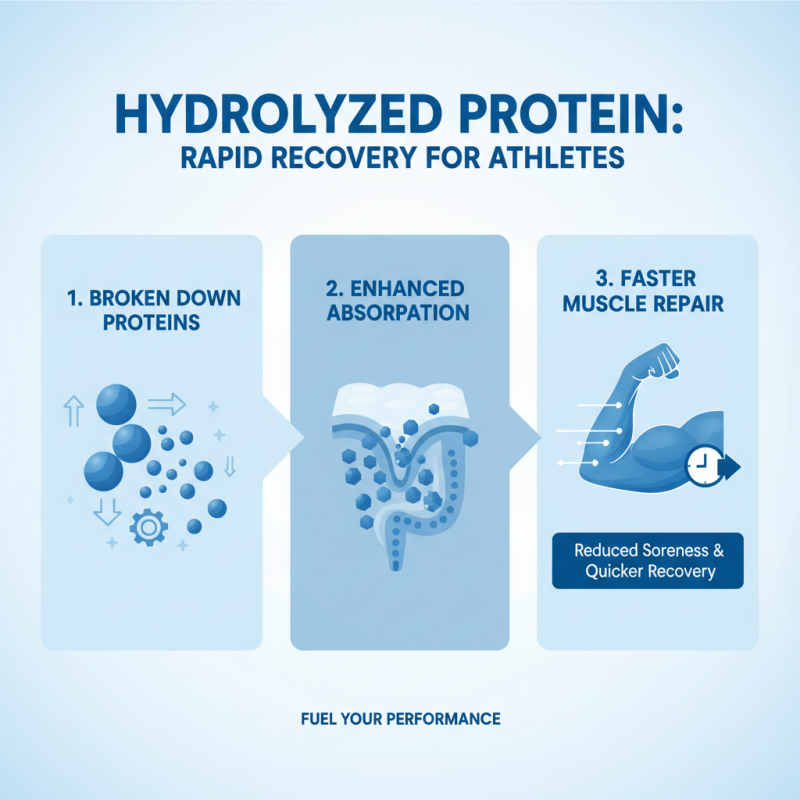
Dr. John Smith from Protein Technologies Inc. put it nicely when he said, “Hydrolyzed proteins boost absorption and help your body get more out of nutrients.” That’s a big deal, especially for athletes or folks with specific dietary needs. Basically, these proteins are broken down into smaller pieces called peptides, which makes it easier for our bodies to use them — no wonder they’re becoming so popular. The whole trend really points to how more and more people are becoming health-conscious and want smarter nutrition options.
Of course, it’s not all smooth sailing. A lot of people don’t really understand the difference between hydrolyzed proteins and other kinds of protein, which can cause some confusion and slow down their market growth. Plus, the manufacturing process isn’t exactly straightforward—it can be pretty complex. So, it’s really important for companies to be clear about the benefits and educate consumers. All in all, spreading the word and helping people understand these proteins better is key to unlocking their full potential.
What Are Hydrolyzed Proteins? A Comprehensive Definition
Hydrolyzed proteins are proteins that have been broken down into smaller peptides or amino acids. This process improves their digestibility and absorption in the body. Many people consume hydrolyzed proteins for their health benefits, particularly athletes and fitness enthusiasts. According to a report from the Global Protein Supplements Market, the hydrolyzed protein segment is expected to achieve significant growth, reflecting rising consumer awareness of its advantages.
These proteins are modified through hydrolysis, making them easier for the body to utilize. Research shows that hydrolyzed proteins can enhance muscle recovery after exercise, helping athletes bounce back quicker. A study published in the Journal of Sports Nutrition found that these proteins can reduce exercise-induced muscle damage. They are also linked to improved satiety, which can aid in weight management.
However, not all hydrolyzed proteins are created equal. The degree of hydrolysis varies, impacting their efficacy. Some individuals might experience digestive issues when consuming certain hydrolyzed protein sources. Furthermore, there’s ongoing debate about the best types for overall health. While the benefits are notable, consumers should assess their needs carefully to make informed choices.
The Process of Hydrolysis: How Proteins Are Broken Down
The process of hydrolysis involves breaking down proteins into smaller peptides and amino acids. This occurs through the addition of water, which helps to cleave the peptide bonds linking amino acids. The outcome is a more digestible form of protein, benefiting those with sensitive digestive systems.
During hydrolysis, enzymes play a crucial role. They accelerate the reaction, making the proteins easier to absorb. For instance, digestive enzymes in the stomach and intestines break down proteins from food. However, not all proteins are created equal. Some may not hydrolyze efficiently, leading to discomfort in digestion.
Hydrolyzed proteins can be found in various dietary supplements and some foods. They are often touted for aiding muscle recovery and enhancing nutrient absorption. Yet, it's essential to recognize that not everyone's body responds the same way to hydrolyzed proteins. Some may experience allergies or varying levels of effectiveness. This variability invites further reflection on individual dietary needs and the balance necessary for optimal health.
Types of Hydrolyzed Proteins Used in Nutrition and Industry
Hydrolyzed proteins play a vital role in nutrition and industry. They are created by breaking down proteins into smaller peptides or amino acids. This process enhances their absorption and bioavailability. Common sources include whey, casein, and soybean. These proteins are often found in protein supplements, sports nutrition, and meal replacements. According to a report from MarketsandMarkets, the global hydrolyzed protein market is projected to reach $1.9 billion by 2027, driven by increasing health awareness.
In the food industry, hydrolyzed proteins serve multiple purposes. They improve texture, enhance flavor, and act as emulsifiers. Many food products leverage their benefits. For instance, candy manufacturers incorporate hydrolyzed proteins to achieve a smoother mouthfeel. Yet, the use of these proteins raises questions. Some consumers may have allergies or sensitivities to specific sources. It is crucial to consider individual reactions when formulating products.
In sports nutrition, hydrolyzed proteins are favored for recovery. Studies suggest they help reduce muscle soreness. However, their efficacy can vary. Not all products provide the same results. Research indicates that some athletes may prefer whole proteins for their satiety and slower absorption. This complexity highlights the need for personalized nutrition approaches. Each individual's goals and reactions must be evaluated.
Nutritional Benefits: Amino Acid Availability and Absorption Rates
Hydrolyzed proteins are a popular choice for those seeking to optimize their nutrition. These proteins undergo a process called hydrolysis, breaking them down into smaller peptides. This method enhances amino acid availability. The result? Easier absorption by the body.
People often overlook the significance of absorption rates. High absorption can lead to quicker muscle recovery, vital for active individuals. When proteins are hydrolyzed, amino acids enter the bloodstream rapidly. This fast process supports muscle repair and growth. Many are surprised by how quickly their bodies respond.
Tips: Incorporate hydrolyzed proteins post-workout. A shake can be a quick fix. It’s important to listen to your body. Some might find it doesn’t provide the same satisfaction as whole proteins.
Experiment to see what works best for you. Monitor your energy and performance levels. Everyone reacts differently to protein sources, and sometimes, adjustments are necessary.
Hydrolyzed Proteins in Sports Nutrition: Impact on Recovery and Performance
Hydrolyzed proteins are often highlighted in sports nutrition for their impact on recovery and performance. They are proteins broken down into smaller peptides. This process enhances absorption, making them quickly available to the body after workouts. For athletes, this means faster muscle repair. After intense training, muscles are under stress. Hydrolyzed proteins can help reduce soreness and speed up recovery time.
Incorporating hydrolyzed proteins into your diet can lead to noticeable improvements. Many athletes report less fatigue post-exercise. However, not everyone responds the same way. Some individuals might experience digestive discomfort. It’s essential to find what works best for you. The benefits are apparent for many, but personal tolerance varies. Making adjustments based on your body’s feedback is crucial for optimal performance.
Hydrolyzed proteins can be used in various forms. Whether in shakes or bars, they offer versatility. Many athletes utilize them as a convenient source of protein. However, it's crucial to note that reliance solely on these may not be ideal. A balanced diet is still key. Reflecting on your overall nutrition approach can help maximize both performance and recovery.
Potential Allergens and Safety Concerns Related to Hydrolyzed Proteins
Hydrolyzed proteins are gaining popularity in the food industry. However, potential allergens and safety concerns exist. Some people may have allergic reactions to hydrolyzed proteins. This is especially true for individuals with sensitivities to certain proteins, like dairy or soy.
A report by the Food Allergy Research and Resource Program indicates that hydrolyzed proteins can still trigger allergies. The hydrolysis process may not break down allergens effectively. This poses a risk for those with severe allergies. Even minimal exposure can lead to adverse reactions. In some studies, mild symptoms were reported by individuals consuming hydrolyzed proteins. These symptoms included rashes and gastrointestinal issues.
Safety regulations are essential for hydrolyzed protein products. The European Food Safety Authority notes that labeling should be clear and comprehensive. Consumers need to be aware of potential allergens. Some products might contain hidden allergens under various names. It's important to scrutinize ingredient lists closely. For many consumers, this could mean facing difficult choices about their dietary options. Awareness of these risks is growing, but much remains to be done in education and labeling practices.
What are Hydrolyzed Proteins and How Do They Benefit You? - Potential Allergens and Safety Concerns Related to Hydrolyzed Proteins
| Dimension |
Information |
| Definition |
Hydrolyzed proteins are proteins that have been broken down into smaller peptides or amino acids through a process called hydrolysis. |
| Sources |
Common sources include soy, wheat, and animal proteins. |
| Benefits |
Improve nutrient absorption, support muscle recovery, and enhance the immune system. |
| Potential Allergens |
Can trigger allergies, especially in individuals sensitive to certain protein sources like soy or wheat. |
| Safety Concerns |
May cause adverse reactions in sensitive individuals; long-term effects are still being studied. |
| Usage in Products |
Commonly found in protein supplements, sports drinks, and certain food products. |
Current Research Trends and Future Applications of Hydrolyzed Proteins
Hydrolyzed proteins are gaining traction in various fields, especially in nutrition and food technology. Current research is exploring their role in improving digestibility and absorption. These proteins are broken down into smaller peptides, which makes them easier for the body to utilize. Studies show that hydrolyzed proteins can enhance muscle recovery, a vital aspect for athletes post-exercise. It is not just about performance; it also impacts daily nutrition.
Research is also focusing on the food industry. Hydrolyzed proteins are being used in specialty diets. They are appealing for people with allergies. However, the process of hydrolysis can alter taste and texture. Some consumers report that products may lose their original flavor, raising questions about how much modification is acceptable.
Future applications may expand beyond food. They could be beneficial in cosmetics and pharmaceuticals. More research is needed to explore these possibilities. There are challenges as well; some hydrolyzed products can cause gastrointestinal discomfort in certain individuals. Balancing benefits with potential side effects remains a concern. Understanding these nuances is essential for both researchers and consumers.
The Growing Demand for Wholesale Hydrolyzed Quinoa Protein Powder: Insights from Recent Healthcare Industry Reports
The growing demand for hydrolyzed quinoa protein powder is increasingly evident in recent healthcare industry reports, highlighting its multifaceted applications and benefits. As consumers prioritize natural and effective ingredients in their personal care products, hydrolyzed quinoa protein, recognized for its high protein content of over 80%, has emerged as a key player in the cosmetic sector. This fine white to light yellow powder, with a molecular weight of less than or equal to 2000Da, can be customized to meet specific formulation needs, enhancing its appeal to formulators in skincare and haircare.
The properties of hydrolyzed quinoa protein extend beyond mere nutrition; they play a vital role in skin health by providing soothing and moisturizing effects. This aligns with the current trend in the beauty industry, where consumers increasingly seek products with dual functionality—those that not only enhance beauty but also contribute to overall skin wellness. As more consumers become aware of the benefits of natural peptides in cosmetic formulations, the demand for hydrolyzed quinoa protein is set to rise, making it a valuable ingredient for brands aiming to innovate and cater to the evolving preferences of their clientele.
FAQS
: The service aims to help users achieve their goals. It focuses on personal growth and development.
Anyone looking to improve their skills or mindset can benefit. This includes students, professionals, and self-improvement seekers.
The service is designed for all ages. Younger users may need guidance, while older users bring valuable experience.
Progress is tracked through self-assessments. Users reflect on their growth and adjust goals accordingly.
Yes, sharing experiences is encouraged. It helps build a community and supports collective learning.
Feeling stuck is normal. Users are encouraged to seek support and revisit their goals for clarity.
Regular engagement is recommended. Short sessions several times a week can lead to better results than infrequent, long sessions.
Costs can vary depending on the features offered. Users should reflect on their budget and make informed choices.
Challenges are part of the process. Users should take a moment to reflect and seek strategies to overcome them.
Building a routine helps. Users should set specific times for engagement and link activities to daily habits.
Conclusion
Hydrolyzed proteins are proteins that have been broken down into smaller peptides and amino acids through a process known as hydrolysis. This method enhances the digestibility and absorption rates of proteins, making them particularly beneficial in various nutritional applications. These proteins are widely utilized in both sports nutrition and general dietary supplements, as they can support muscle recovery and improve overall performance due to their rapid availability for use by the body.
In addition to their nutritional advantages, hydrolyzed proteins may pose potential allergens for some individuals, necessitating caution in their consumption. Ongoing research continues to explore their various applications beyond nutrition, highlighting the evolving understanding of hydrolyzed proteins and their role in health and wellness. Overall, the benefits and safety considerations of hydrolyzed proteins represent important topics in both the food industry and nutritional science.