Hydrolyzed Wheat Protein is really catching some buzz in the world of sports nutrition lately. People are starting to see what makes it special — it’s becoming a pretty popular addition to many athletes' diets. Both pros and nutrition experts are recognizing the benefits it can bring to the table.
One of the coolest things about this protein is its impressive amino acid profile. It can actually help speed up muscle recovery after those tough, intense workouts. Plus, it’s super easy to digest, which is kind of a big deal for athletes who need quick energy and recovery. That said, not all hydrolyzed wheat proteins are exactly the same — the quality can really vary from one product to another.
Most athletes who’ve tried it seem to have positive experiences, but there are still some folks who aren’t totally convinced about how effective it really is. Personal stories about Sports Nutrition Ingredients often differ quite a bit. More research could help clear up how well it fits into different training routines. Still, overall, hydrolyzed wheat protein looks pretty promising when it comes to boosting athletic performance — and people seem to be increasingly interested in giving it a shot.
Benefits of Hydrolyzed Wheat Protein in Sports Nutrition
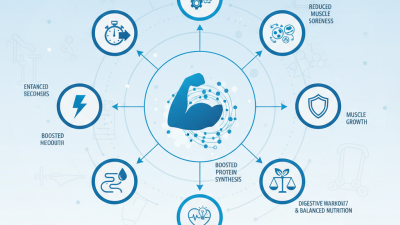
Hydrolyzed wheat protein is gaining attention in sports nutrition. This ingredient is valued for its high bioavailability. Athletes benefit from better muscle recovery and growth when they consume it. The protein is quickly absorbed by the body, delivering essential amino acids directly to muscles. This rapid absorption supports post-workout recovery, making it a smart choice for athletes.
Beyond muscle recovery, hydrolyzed wheat protein supports endurance. It provides a clean source of energy, helping athletes maintain performance during training. Many athletes find that they experience less fatigue after workouts. This protein can also enhance hydration, as it helps retain moisture in the muscles. Such benefits contribute to a better overall performance on the field.
Incorporating hydrolyzed wheat protein can be challenged by dietary restrictions. Some might be concerned about gluten sensitivity. It's important for individuals to consider their unique needs. Engaging with a nutrition expert can provide personalized guidance. While this protein offers remarkable benefits, optimal results depend on individual factors.
Understanding Hydrolyzed Wheat Protein: Composition and Properties
Hydrolyzed wheat protein has gained popularity in sports nutrition for its unique properties. This protein is derived from wheat through a process called hydrolysis. Hydrolysis breaks down proteins into smaller peptides, making them easier to digest and absorb. This is especially beneficial for athletes who need quick nutrition and recovery.
The composition of hydrolyzed wheat protein includes essential amino acids that support muscle repair and growth. It contains glutamine, which helps reduce exercise-induced fatigue. Additionally, this protein has a high moisture-binding capacity, aiding in hydration. As athletes take it before or after workouts, they might notice improved strength and endurance over time.
However, some may experience digestive discomfort or allergic reactions. It's essential to pay attention to individual responses to any protein supplement. This is where a keen understanding of one's body is crucial. Not everyone will have the same experience with hydrolyzed wheat protein, and that’s perfectly normal. The journey of finding the right nutrition often requires some trial and error.
Benefits of Hydrolyzed Wheat Protein in Sports Nutrition
How Hydrolyzed Wheat Protein Supports Muscle Recovery and Growth
Hydrolyzed wheat protein offers numerous benefits for muscle recovery and growth. It consists of smaller peptides, which are easier for the body to digest and utilize. Research indicates that these smaller proteins can be more readily absorbed than their whole protein counterparts. In a study published in the Journal of Protein Research, it was shown that peptides derived from hydrolyzed wheat protein can enhance muscle protein synthesis, crucial for recovery after intense workouts.
The amino acid profile of hydrolyzed wheat protein is another important factor. It is rich in essential amino acids, particularly glutamine, which plays a pivotal role in muscle recovery. According to data from the American Journal of Clinical Nutrition, higher levels of glutamine in post-workout nutrition can reduce muscle soreness. This allows athletes to train harder and more frequently, contributing to improved overall performance.
Athletes may struggle to find suitable plant-based protein sources that support their nutritional needs. Hydrolyzed wheat protein fills this gap, offering an excellent alternative for those looking to enhance muscle recovery. However, some people experience allergic reactions to gluten, which is present in wheat. It's essential to consider individual dietary restrictions before incorporating this protein source into a routine. Further research is needed to better understand its long-term effects on muscle health.
The Role of Hydrolyzed Wheat Protein in Enhancing Athletic Performance
Hydrolyzed wheat protein has gained attention in sports nutrition. Research shows it can enhance athletic performance. According to a study published in the Journal of Sports Science, athletes who consumed hydrolyzed wheat protein reported a noticeable increase in endurance. This protein form breaks down quickly, allowing muscles to recover faster after intense workouts.
Additionally, hydrolyzed wheat protein is rich in essential amino acids. These acids play a crucial role in muscle repair and growth. An analysis from the International Journal of Sports Nutrition indicates that athletes need higher amino acid intake for optimal performance. Hydrolyzed wheat protein can meet these needs effectively.
However, not all athletes respond similarly to hydrolyzed wheat protein. Individual variations in metabolism and digestion may affect its benefits. Some may experience bloating or discomfort, which warrants further exploration and consideration. Understanding these nuances can help athletes make informed choices in their nutrition strategy.
Comparing Hydrolyzed Wheat Protein to Other Protein Sources
Hydrolyzed wheat protein stands out in sports nutrition for its unique advantages. Unlike casein or whey, hydrolyzed wheat protein offers rapid absorption. Studies show it can increase amino acid levels in the bloodstream by up to 25% faster than conventional protein sources. This rapid uptake can enhance muscle recovery post-exercise.
Furthermore, the digestibility of hydrolyzed wheat protein is noteworthy. Research indicates that athletes consuming hydrolyzed protein experienced less gastrointestinal discomfort compared to those consuming soy or pea protein. This can be crucial during intense training. The protein is broken down into smaller peptides, which aids in quicker digestion and nutrient delivery.
However, it is essential to consider individual dietary needs. Some may have sensitivities to gluten. While hydrolyzed wheat protein is lower in gluten, it is not completely gluten-free. Athletes with specific dietary restrictions should weigh their options. The evolving research continues to explore the balance of protein sources for optimal athletic performance.
Potential Allergies and Considerations for Using Wheat Protein
Using hydrolyzed wheat protein can be beneficial for athletes, but potential allergies should be a top concern. Some individuals may experience allergic reactions due to wheat-based products. Symptoms can include skin rashes, gastrointestinal discomfort, and respiratory issues. Understanding one’s sensitivity to gluten or wheat is crucial.
When considering hydrolyzed wheat protein, testing for allergies beforehand may be wise. Consulting with a healthcare professional can provide personalized advice. Be aware of hidden sources of wheat in supplements or sports nutrition products. Always check labels and ingredients carefully.
Dealing with allergies isn't easy. If symptoms arise, it might be necessary to switch to other protein sources. Exploring alternatives to hydrolyzed wheat protein, such as pea or soy protein, can help maintain nutritional needs. This ensures that your body receives the essential amino acids without triggering allergic reactions. Gradually introduce any new protein into your diet to monitor for any adverse effects closely.
Incorporating Hydrolyzed Wheat Protein into Your Sports Diet
Incorporating hydrolyzed wheat protein into your sports diet can significantly enhance muscle recovery and performance. Research indicates that hydrolyzed proteins are rapidly absorbed, making them effective post-workout. A study published in the Journal of Sports Sciences found that whey hydrolysates improved muscle protein synthesis by 30% in athletes compared to intact protein sources. This rapid absorption is ideal for athletes who need quick recovery after intense training sessions.
Hydrolyzed wheat protein is a rich source of essential amino acids. These amino acids play a crucial role in muscle repair and growth. According to nutrition experts, a diet incorporating approximately 20 grams of hydrolyzed wheat protein can help meet the recovery needs of athletes. Including this protein can also support immune function during rigorous training periods.
When integrating hydrolyzed wheat protein into your routine, consider timing. Consuming it within 30 minutes after workouts can maximize its benefits. Mixing it with smoothies or post-workout shakes can make it more enjoyable. Additionally, getting feedback from your body after incorporating it is essential. Some individuals may experience digestive issues with protein hydrolysates, which may require adjustments in dosage or timing to optimize comfort and benefits.
FAQS
: Hydrolyzed wheat protein is a protein derived from wheat through hydrolysis, breaking it into smaller, easily digestible peptides.
Athletes often benefit, as it supports quick nutrition and recovery after workouts.
It contains essential amino acids and glutamine, promoting muscle repair and reducing fatigue.
Yes, some individuals may experience digestive discomfort or allergic reactions to wheat.
Pay attention to your body's response and consider consulting a healthcare professional for allergy testing.
Explore alternative protein sources, like pea or soy protein, to avoid allergic reactions and ensure nutrition.
Consume about 20 grams post-workout within 30 minutes for optimal recovery benefits.
Some people may experience digestive issues; adjustments in dosage or timing might be necessary for comfort.
Mixing it with smoothies or post-workout shakes can make it more palatable and enjoyable.
Very important! Individual experiences vary, and paying attention to feedback can help optimize your intake.
Conclusion
Hydrolyzed wheat protein has gained recognition for its numerous benefits in sports nutrition, making it an appealing choice for athletes and fitness enthusiasts. The composition and properties of hydrolyzed wheat protein allow for easier digestion and absorption, which is crucial for effectively supporting muscle recovery and growth. By enhancing athletic performance through improved endurance and reduced fatigue, this protein source stands out when compared to others on the market.
However, it is essential to consider potential allergies and individual dietary needs when incorporating hydrolyzed wheat protein into a sports diet. Overall, understanding the benefits of hydrolyzed wheat protein in sports nutrition can help athletes optimize their training and recovery, leading to better overall results.