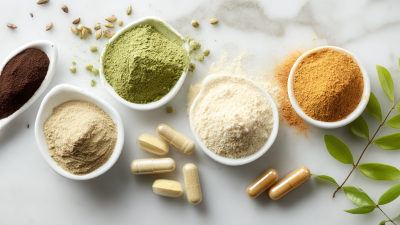
As we get closer to 2026, it’s pretty important for folks in the industry to get a grip on what's coming in Supplement Ingredient trends. These days, consumers are way more aware of what they’re putting into their bodies, which means they’re expecting more transparency, quality, and proven results from supplement ingredients. Companies like Herbalife and GNC are definitely picking up on this — they’re focusing on innovative ingredients that are backed by solid science.
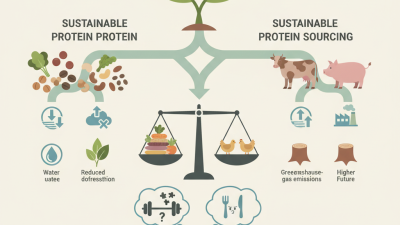
Looking at the market, you can see a clear shift toward plant-based and more sustainable options. Ingredients like adaptogens and probiotics? They’re all the rage right now. But hey, not every trend sticks around forever — some will fade out or change as people’s tastes evolve. That’s why brands need to stay on top of these shifts and really pay attention. It’s crucial they evaluate how effective and safe new ingredients are — which means investing in good quality testing and making sure their sources are ethical.
The tricky part? Balancing the need to innovate with maintaining consumer trust. Building that trust means companies need to do a better job educating their customers about what’s in their products. Clear, honest info really helps build confidence in these ingredients. In the end, understanding these emerging patterns can help brands create better, more appealing products. But, they also need to stay alert — because trends are great for guidance, but navigating them carefully is the real key.
Understanding the Importance of Dietary Supplement Trends
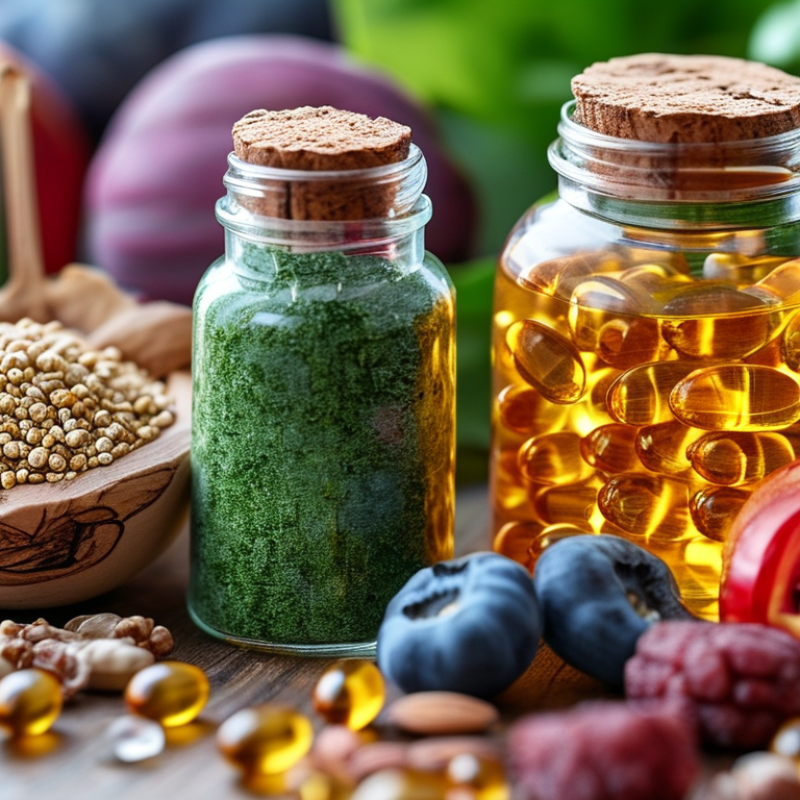
Understanding dietary supplement trends is crucial. As consumer preferences evolve, so do the ingredients sought after. Key elements now include natural sources, adaptogens, and sustainability. People increasingly value transparency in sourcing. This shift reflects a growing awareness of health and wellness.
Recent research highlights the importance of understanding these trends. For instance, many people are shifting to plant-based Dietary Supplement Ingredients. They seek alternatives to synthetic compounds. As consumers become savvier, they demand ethical practices. This poses a dilemma for industries that may struggle to meet increasing standards.
Trends often reflect societal values. While some ingredients rise to prominence, others may fade. It’s important to ask why certain ingredients thrive. Are they genuinely beneficial, or are they simply trendy? Reflecting on these questions helps ensure that we prioritize health over hype. Keeping an eye on evolving dietary supplement trends will lead to more informed choices in the future.
Dietary Supplement Ingredient Trends for 2026
Key Factors Influencing Ingredient Trends in Dietary Supplements
Identifying dietary supplement ingredient trends for 2026 requires a keen understanding of evolving consumer preferences and scientific advancements. As health consciousness rises, consumers seek natural and sustainable ingredients that align with their wellness goals. Trends show a growing demand for adaptogens, which promise stress relief and enhanced mental clarity. This demand is not just a whim; it's backed by increasing research into the benefits of these ingredients.
Another factor influencing these trends is the focus on personalized nutrition. Consumers are moving away from one-size-fits-all supplements. They want products tailored to their unique health needs. Data from recent studies indicate that this shift is reshaping the market landscape. Ingredients that resonate with individual health journeys tend to Boost Dietary Supplement Ingredients. This personalization draws attention to the importance of transparency in sourcing and formulation.
However, challenges remain. The surge of interest can also lead to misinformation. In a world rich with options, discerning genuine benefits from marketing hype is crucial. Ensuring that supplements undergo rigorous testing is an ongoing concern. As we approach 2026, both consumers and manufacturers must prioritize education and awareness to navigate this complex environment effectively. Investing in reliable sources and scientific validation will fortify the future of dietary supplements.
Analyzing Consumer Preferences and Demographics for 2026
As we look toward 2026, understanding consumer preferences is essential. Recent reports show that nearly 70% of consumers prioritize natural ingredients in dietary supplements. Demographics play a significant role in these preferences. Younger consumers, particularly Millennials and Gen Z, express a strong inclination toward transparency and sustainability.
Interestingly, the demand for Robust Dietary Supplement Ingredients has surged. In 2023, research indicated that 55% of shoppers prefer supplements backed by scientific studies. These consumers are often well-informed and seek products that resonate with their lifestyles. This trend underscores the importance of catering to specific demographic needs, particularly among health-conscious individuals.
Yet, some gaps remain. A 2022 survey revealed that only 30% of consumers felt familiar with emerging ingredients. This presents an opportunity for brands to educate their audience about effective, innovative ingredients. Continuing to address these gaps while focusing on consumer values will enhance brand loyalty in the evolving market landscape.
How to Identify Dietary Supplement Ingredient Trends for 2026?
| Ingredient |
Popularity Score (out of 100) |
Primary Demographic |
Trend Type |
| Vitamin D |
85 |
Adults 30-50 |
Nutritional |
| Collagen |
78 |
Women 25-45 |
Beauty |
| Omega-3 Fatty Acids |
72 |
Adults 40+ |
Heart Health |
| Probiotics |
88 |
Young Adults 18-30 |
Digestive Health |
| Ashwagandha |
76 |
Adults 25-45 |
Stress Relief |
Identifying Innovative Ingredients in Dietary Supplement Innovations
The dietary supplement industry is constantly evolving. With 2026 approaching, identifying innovative ingredients is crucial. Trends often emerge from consumer interests. People are seeking more natural solutions, and this affects ingredient development significantly. Adaptogens, for instance, are gaining popularity. These substances help the body adapt to stress and promote overall wellness.
Furthermore, there is a noticeable shift towards ingredients backed by science. Consumers are becoming more informed. They demand transparency and evidence about health claims. Ingredients that demonstrate efficacy through clinical studies attract attention. Ingredients like probiotics and prebiotics are no longer novelties. They are now staples in many formulations, reflecting a deeper understanding of gut health.
While these trends are promising, the industry faces challenges. Not all innovative ingredients are safe or effective. Regulatory oversight can be inconsistent, leading to confusion. Brands must prioritize ethical sourcing and thorough testing. Innovation should not sacrifice safety or quality. The quest for the next big ingredient requires discernment. Balancing creativity and responsibility is essential in diet supplement innovations.
Researching Regulatory Developments Impacting Supplement Ingredients
When exploring dietary supplement ingredient trends for 2026, understanding regulatory developments is crucial. Regulatory bodies often influence ingredient choices in the supplement market. Keeping abreast of these changes helps ensure compliance and safety in formulations. Different regions may adopt various regulations, which can affect ingredient availability and usage.
Emerging trends highlight the importance of transparency. Many consumers demand to know the origins of their supplements. They prefer ingredients that are ethically sourced and scientifically validated. For example, shifts toward plant-based ingredients have gained momentum due to regulatory endorsements in certain jurisdictions. However, not every ingredient is well understood, leading to potential pitfalls in product development.
Another challenge lies in new regulatory frameworks. They may change the landscape of Cosmetic Ingredients used in supplements. This requires constant monitoring and adaptability from manufacturers. Industry professionals must engage with ongoing research to navigate these complexities. Collaboration with regulatory experts is vital, as the landscape continues to evolve rapidly. Keeping an eye on these trends is not just about anticipating consumer preferences; it's about building a trustworthy brand that aligns with regulatory standards.
Monitoring Scientific Research for Emerging Dietary Ingredients
Monitoring scientific research is crucial for identifying emerging dietary ingredients. Researchers publish studies that highlight new discoveries. Observing patterns in these studies helps professionals stay ahead of trends. Ingredients that show potential in clinical trials often gain attention swiftly.
The landscape of dietary supplements evolves continually. Some ingredients may seem promising but lack robust evidence. Others might hype only to fade. It’s essential to critically evaluate each study. Look for peer-reviewed articles that outline methodologies and results. Reliable data is key to understanding which trends are worth tracking.
Staying informed involves accessing databases and journals. Subscribing to relevant newsletters helps. Engage with academic conferences and seminars where new research is presented. This networking adds depth to your understanding of evolving dietary trends. Balancing enthusiasm for new findings with critical analysis keeps your insights credible and relevant.
Forecasting Market Demands and Economic Influences on Supplements
As we look toward 2026, understanding the economic influences on dietary supplements becomes critical. The global dietary supplements market was valued at approximately $140 billion in 2020 and is projected to reach $230 billion by 2027, with a compound annual growth rate (CAGR) of 8.4%. This growth indicates a rising consumer interest in health and wellness.
Shifts in socioeconomic factors strongly affect market demands. For instance, a report from Nielsen suggests that 72% of consumers now prioritize health over price. This trend shows that individuals are willing to invest more in quality supplements. Additionally, reports from Mintel indicate a rising awareness of mental health, with 45% of U.S. adults stating they seek supplements for cognitive support.
Environmental factors also play a role. Increased health concerns about ingredient sourcing and sustainability resonate with consumers. Almost 60% of shoppers prefer products with eco-friendly packaging. These tendencies reveal a more health-conscious clientele that values transparency and authenticity. As the market evolves, brands must adapt to these insights, reflecting consumer values while navigating complex economic landscapes.
Exploring the Efficacy of Gentle D-Mannose Powder in Promoting Urinary Tract Health: Insights from Recent Industry Studies
Recent industry studies have shed light on the efficacy of D-Mannose in promoting urinary tract health. This simple sugar, known chemically as D-Mannose (CAS NO.: 3458-28-4), has gained recognition for its role in maintaining urinary tract integrity and preventing bacterial adherence. One of the significant findings indicates that D-Mannose can significantly reduce the frequency of urinary tract infections (UTIs) by preventing pathogens, particularly E. coli, from binding to the urinary tract walls. A recent report highlighted that patients using D-Mannose supplements experienced a reduction in UTI occurrences by approximately 50%.
The gentle formulation of D-Mannose powder, typically available as a white crystalline powder with a specification of 99%, offers a user-friendly option for those seeking natural alternatives to support urinary tract health. Packaged in vacuum aluminum foil bags, this product preserves its purity and effectiveness, making it an ideal choice for consumers. Additionally, bulk options such as 25kg fiber drums with double-layer food-grade poly bags ensure accessibility for both individual consumers and businesses.
Moreover, emerging data also suggests that regular intake of D-Mannose may promote an overall better urinary tract environment, reducing inflammation and discomfort associated with UTIs. As the body absorbs D-Mannose rapidly, it appears to be a desirable option for those seeking preventative care without the side effects commonly associated with traditional pharmaceuticals.
FAQS
: Evolving consumer preferences and scientific advancements drive these trends. Health consciousness is rising, leading to an interest in natural ingredients.
Adaptogens promise stress relief and mental clarity, backed by increasing research into their benefits.
Consumers prefer products tailored to their unique health needs, moving away from one-size-fits-all solutions.
Consumers seek ethically sourced and scientifically validated ingredients. They want to know where their supplements come from.
Misinformation and the need for rigorous testing pose significant challenges in providing safe and effective products.
Regulatory changes can affect ingredient availability and usage. Compliance is essential for safety in formulations.
Continuous research helps manufacturers adapt to new regulations and consumer demands, ensuring their products remain relevant.
Education and awareness are key. Investing in reliable sources and scientific validation can help navigate this complex landscape.
Regulatory endorsements in certain regions have increased momentum for plant-based ingredients.
Engaging with regulatory experts and monitoring compliance is vital for aligning with evolving standards and consumer expectations.
Conclusion
Understanding Dietary Supplement Ingredient Trends for 2026 is crucial for industry stakeholders aiming to stay competitive. Key factors influencing these trends include evolving consumer preferences, demographic shifts, and an increasing focus on innovative ingredients that address health concerns. By analyzing these elements, companies can identify emerging ingredients that cater to health-conscious consumers.
Moreover, regulatory developments and ongoing scientific research play a significant role in shaping these trends. Staying informed about these factors will help businesses forecast market demands and their economic implications on the supplement industry. Monitoring these Dietary Supplement Ingredient Trends 2026 will enable companies to adapt their product offerings accordingly, ensuring they meet consumer needs and comply with regulations.