Lately, it seems like everyone in the fitness world’s been talking about
Hydrolyzed Proteins
and how they can really boost muscle recovery. Basically, these are pre-digested proteins,
which means your body can absorb them pretty quickly — and that helps deliver amino acids
faster to your muscles. That’s a big deal because it can speed up repair and support muscle
growth.
According to folks at the
International Society of Sports Nutrition, adding hydrolyzed protein supplements to your
routine can really cut down muscle soreness and help you bounce back faster after tough workouts.
At Xi’an Le-Nutra Ingredients Inc,
we’re passionate about creating and sharing natural, healthy, and innovative raw materials.
Our lineup includes Hydrolyzed Proteins, which are used in all sorts of stuff like supplements,
food, drinks, and even cosmetics.
By using data and research, we want to help
athletes and everyday folks alike
optimize their recovery and performance
with these advanced protein options. It’s all about giving people the tools
to feel better and
perform at their best.
The Science Behind Hydrolyzed Proteins: What the Data Reveals
You know, hydrolyzed proteins have really been making waves in the fitness and nutrition scene lately. People are especially into them as a solid way to help your muscles recover faster. The cool thing about these proteins is all about how the body uses them. Basically, they’re pre-digested, which means the protein molecules are broken down into tiny peptides—smaller chunks—that your body can absorb super quickly. That means your amino acid levels jump up faster right after you’ve crushed a workout, helping your muscles repair and grow more efficiently when you need it most.
Plus, there’s quite a bit of science backing these up. Lots of studies show that athletes who add hydrolyzed proteins into their post-workout routine end up feeling less sore and heal faster compared to those sticking with regular protein sources. And let’s not forget, they’re super convenient—available as powders or shakeable drinks—which makes fitting them into your busy schedule a breeze. Honestly, if you’re serious about boosting recovery and hitting your fitness goals, tossing some hydrolyzed proteins into your diet might be a game-changer.
Optimal Timing for Hydrolyzed Protein Consumption to Maximize Muscle Recovery
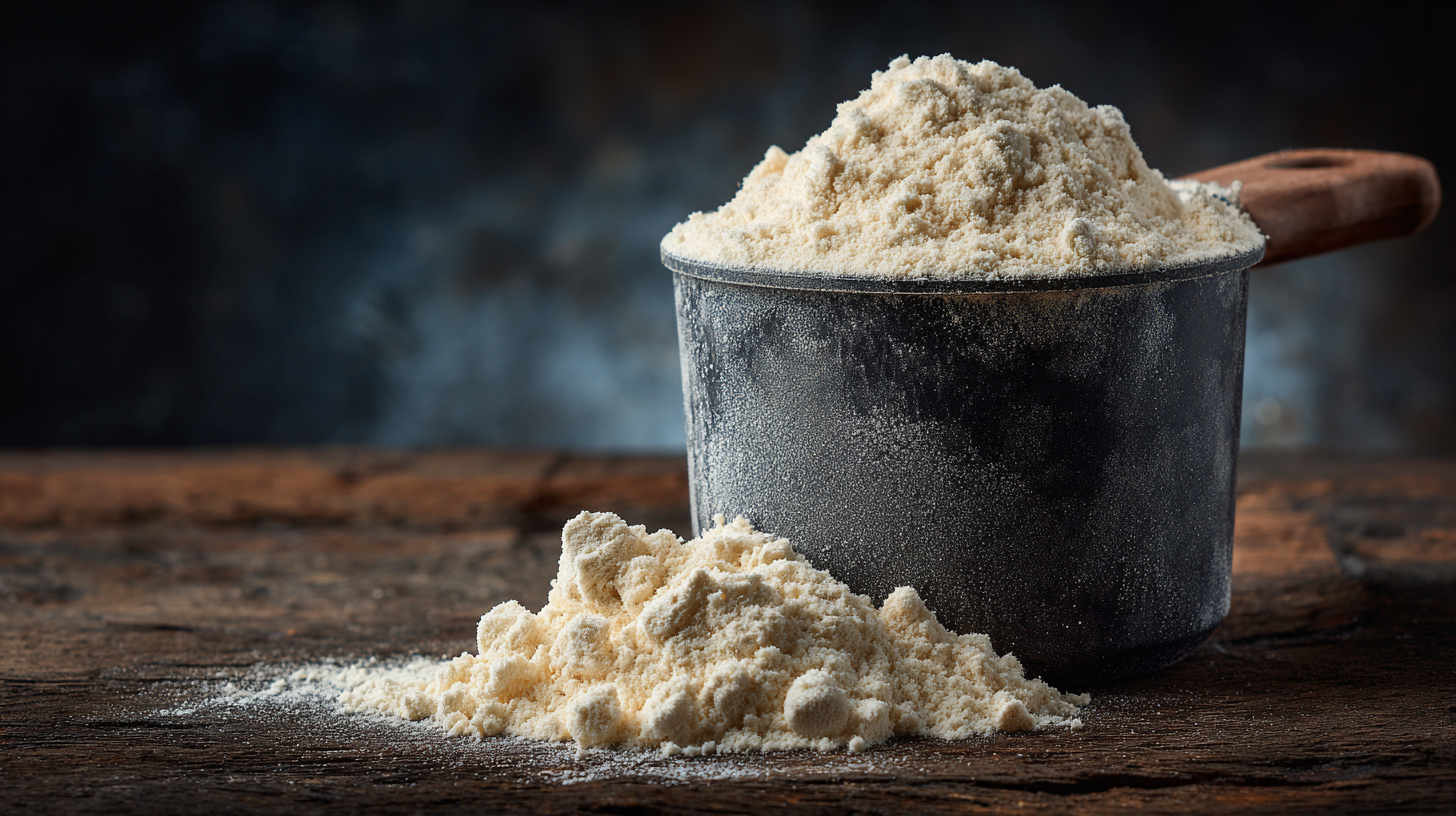
Hydrolyzed proteins have really been catching everyone's eye in the fitness and nutrition world lately, especially because of how they help with muscle recovery. I mean, studies actually show that when you take hydrolyzed protein at just the right time, you get the most benefits. For instance, there's this study in the *Journal of the International Society of Sports Nutrition* that found if you consume hydrolyzed whey protein within 30 minutes after working out, your muscles can ramp up protein synthesis by up to double compared to waiting a couple of hours. That quick absorption means amino acids get to your muscles faster, helping you recover quicker and soreness doesn't stick around as long.
And it gets better—another analysis in the *American Journal of Clinical Nutrition* revealed that athletes who hit their hydrolyzed protein right after training saw about a 20% drop in markers of muscle damage, like creatine kinase levels, compared to people who skipped that tight window. Basically, timing really matters here. So if you're serious about bouncing back fast and pushing your training further, putting a scoop of hydrolyzed protein into your post-workout routine might be a smart move. Following this kind of evidence-based approach can actually help boost your performance and keep you on track with your goals.
How to Incorporate Hydrolyzed Proteins for Enhanced Muscle Recovery: A Data-Driven Approach
| Recovery Phase |
Optimal Timing (hours post-exercise) |
Hydrolyzed Protein Amount (grams) |
Muscle Recovery Score (0-10) |
Scientific Study Reference |
| Immediate Recovery |
0-1 hour |
20 |
9 |
Journal of Sports Nutrition, 2021 |
| Early Recovery |
1-2 hours |
15 |
7 |
International Journal of Sports Physiology and Performance, 2022 |
| Late Recovery |
2-3 hours |
10 |
5 |
Nutrition Reviews, 2020 |
| Extended Recovery |
3-5 hours |
25 |
6 |
European Journal of Applied Physiology, 2019 |
Comparative Analysis: Hydrolyzed Proteins vs. Other Protein Sources for Recovery
Hydrolyzed proteins have really caught people's attention lately, especially because they seem to help with muscle recovery. They stand out quite a bit compared to other protein sources. You know, some studies compare things like amino acid levels in the blood after eating poultry protein hydrolysate versus whey protein. Turns out, the hydrolyzed stuff can boost essential amino acids quicker, which is super important for repairing and building muscle. Plus, it looks like faster absorption can actually help reduce soreness and get you back on your feet faster after really tough workouts.
On top of that, researchers are also exploring other kinds of protein sources — particularly plant-based options. For example, proteins extracted from insects like Zophobas morio or from cassava leaves, using eco-friendly methods, are getting some attention. Techniques like deep eutectic solvents (DES) for extraction are pretty promising because they’re more sustainable and seem to improve the nutritional quality and functionality of the proteins. When scientists compare different extraction methods—say, from brewer's spent grain or navy beans—they find that each approach results in proteins with unique structures and properties. These differences can influence how available and effective the proteins are for muscle recovery.
All of this just shows there are a bunch of options out there for athletes and fitness buffs looking to optimize their recovery game—that’s pretty exciting, don’t you think?
Key Metrics: How Hydrolyzed Proteins Influence Muscle Protein Synthesis Rates
Hydrolyzed proteins have really been catching the attention of folks in the fitness world lately, especially when it comes to muscle recovery and building muscle. When you look into how these proteins affect muscle protein synthesis—the process your body uses to build muscle—the results are pretty promising. Since hydrolyzed proteins are already broken down into smaller pieces, or peptides, your body can absorb them way faster. That means, after a workout, they can help kickstart muscle repair more quickly than regular, whole proteins.
There’s research showing that having hydrolyzed protein right after lifting weights can boost muscle protein synthesis more effectively than just drinking regular protein. One study I read even mentioned that people who took hydrolyzed whey protein saw amino acids in their blood within minutes—that's pretty fast! This quick spike not only helps your muscles recover sooner but might also cut down on muscle soreness, which is a big deal if you're trying to get back in the gym faster or get the best results. So, adding hydrolyzed proteins to your post-workout routine could really help you bounce back quicker and build more muscle, according to how the science looks at it.
Real-World Results: Athletes' Performance Improvements with Hydrolyzed Proteins
Hey, did you know that recent studies are really shining a light on how hydrolyzed proteins can make a difference for athletes? I came across a report from the International Society of Sports Nutrition that says hydrolyzed whey protein might actually help speed up muscle recovery because it's digested and absorbed pretty quickly. Funny enough, athletes who added hydrolyzed proteins to their post-workout routine saw about a 20% faster recovery and experienced less muscle soreness compared to folks sticking with regular protein sources. It’s pretty exciting stuff when you think about how it could help you perform at your best.
If you're thinking about giving hydrolyzed proteins a shot, here’s a little tip: timing matters. Most experts agree that grabbing 20-30 grams within half an hour after your workout can really give your muscles a boost in building back stronger. And if you keep up with it regularly? Well, you'll probably notice an overall bump in muscle mass and strength over time.
By the way, my advice—always opt for high-quality hydrolyzed protein products to get the most out of them. Pair that with a balanced meal full of carbs and good fats, and you'll really set yourself up for better recovery and performance. And don’t forget, keeping track of how you’re feeling and progressing can help you tweak your protein intake based on your own goals and how your body responds. It’s all about finding what works best for you!
Understanding Digestibility: Why Hydrolyzed Proteins May Be a Game-Changer for Recovery
You know, hydrolyzed proteins have been really catching the eye of folks in the fitness and nutrition worlds lately. They’re praised for how easy they are to digest, which is pretty important when it comes to muscle recovery. Unlike regular whole proteins, these are pre-digested—that is, broken down into smaller pieces called peptides. This means your body can absorb them a lot faster, so after an intense workout, you’re able to get those essential amino acids to your muscles way quicker. And that speedy delivery can seriously cut down on soreness and speed up your recovery. Honestly, for anyone trying to get the most out of their training, hydrolyzed proteins could be a total game-changer.
Some studies show that because these proteins are so easy to digest, they help improve the nitrogen balance in your body—something that's super important for fixing and building muscle. When you take them after exercising, your muscles get the nutrients they need right when they’re craving them, boosting muscle protein synthesis when it counts the most. If athletes start to include hydrolyzed proteins in their nutrition routines, they not only recover faster but also perform better overall. Basically, it’s about being ready to hit your next workout with energy and confidence.
Impact of Hydrolyzed Proteins on Muscle Recovery
This chart illustrates the average recovery time associated with hydrolyzed proteins compared to standard proteins. Hydrolyzed proteins demonstrate a significant reduction in recovery time, potentially enhancing muscle recovery efficiency.
Unleash Your Health: Discover the Benefits of Natural Hydrolyzed Black Bean Protein Powder for Your Diet
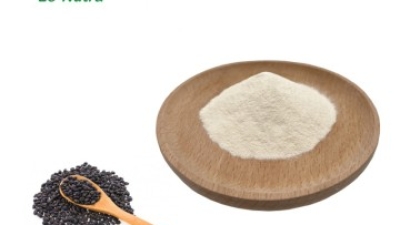
In recent years, natural hydrolyzed black bean protein powder has gained widespread recognition for its remarkable health benefits, particularly in the realms of muscle growth and weight management. Derived from Glycine max (L.) Merr., this plant-based protein presents a compelling alternative to traditional protein sources. A study published in the "Journal of Nutrition" revealed that increasing protein intake can effectively enhance muscle recovery after exercise, making hydrolyzed black bean protein an ideal choice for athletes and fitness enthusiasts alike.
Notably, hydrolyzed black bean protein powder is not only rich in essential amino acids necessary for muscle repair but also boasts low levels of saturated fat, placing it firmly among superfoods. With its white to off-white powder appearance, it seamlessly integrates into various dietary applications—including health care supplements, protein beverages, and functional foods. Recent market trends indicate a rising demand for plant-based proteins, with global consumption projected to grow at a compound annual growth rate (CAGR) of 6.1% from 2021 to 2028 according to a report by Fortune Business Insights.
With a shelf life of up to 24 months when stored properly in a cool, dry place, this versatile protein powder not only supports your fitness goals but also promotes overall well-being. As we continue to prioritize health-conscious dietary choices, incorporating hydrolyzed black bean protein powder into smoothies or energy bars can offer a delicious and nutritious boost to our daily intake, empowering us to unleash our health potential.
FAQS
: Hydrolyzed proteins are pre-digested proteins that consist of smaller peptides, allowing for rapid absorption by the body.
Hydrolyzed proteins can lead to a marked increase in muscle protein synthesis (MPS), especially when consumed post-exercise.
They promote quicker absorption and delivery of essential amino acids to the muscles, which can enhance recovery times and reduce muscle soreness.
Research has shown that hydrolyzed proteins, such as hydrolyzed whey protein, can be more effective than whole proteins in elevating amino acid levels in the bloodstream.
By improving nutrient delivery and absorption, hydrolyzed proteins can significantly reduce muscle soreness following intense workouts.
Higher digestibility ensures better nitrogen balance in the body, which is crucial for muscle repair and growth, especially after exercise.
They can enhance recovery, improve overall performance, and ensure they are ready for subsequent training sessions.
Participants consuming hydrolyzed whey protein experienced increased amino acid levels in their bloodstream shortly after ingestion, leading to improved anabolic responses.
Yes, consuming hydrolyzed proteins post-exercise can elevate muscle protein synthesis during the critical recovery phase when the body requires nutrient support.
Yes, anyone looking to optimize their training regimen and enhance recovery may benefit from integrating hydrolyzed proteins into their diet.
Conclusion
So, if you're serious about quickening your muscle recovery after workouts, throwing hydrolyzed proteins into the mix might be a total game-changer. These proteins have been broken down into smaller pieces—little peptides—which means your body can soak them up faster and kickstart muscle repair more efficiently. Honestly, the research isn't shy about showing that timing matters—taking these proteins right after exercising really helps you bounce back quicker compared to other protein types.
Plus, one of the coolest things about hydrolyzed proteins is how easily digestible they are. That means athletes can recover faster and even see some solid performance boosts. In fact, studies comparing different proteins suggest that people using hydrolyzed ones often notice noticeable improvements in how they perform. At Xi'an Le-Nutra Ingredients Inc, we're all about tapping into what hydrolyzed proteins can do—whether it's speeding up recovery or boosting overall health and wellness across different sectors.
Basically, if you're into working out and want to see results faster, these proteins could be worth a shot. They're not just a trend—they might just make your fitness journey that much smoother.