You know, as more people are jumping on the plant-based bandwagon these days, it's pretty clear that adding vegetarian protein to our daily meals is more important than ever. I came across a report from Grand View Research that says the global market for plant-based proteins is expected to hit a whopping $40.5 billion by 2025—talk about a huge shift in what folks are looking for!
 At Xi'an Le-Nutra Ingredients Inc, we're really passionate about developing natural, innovative ingredients that fit right into this changing landscape. We love finding creative ways to incorporate vegetarian protein into different recipes, so you get all the essential nutrients without sacrificing flavor or variety. This blog's all about sharing some fun, easy ideas to boost your diet with vegetarian protein and enjoy all those health perks without feeling bored in the kitchen.
Exploring the Benefits of Vegetarian Protein for a Healthier Lifestyle
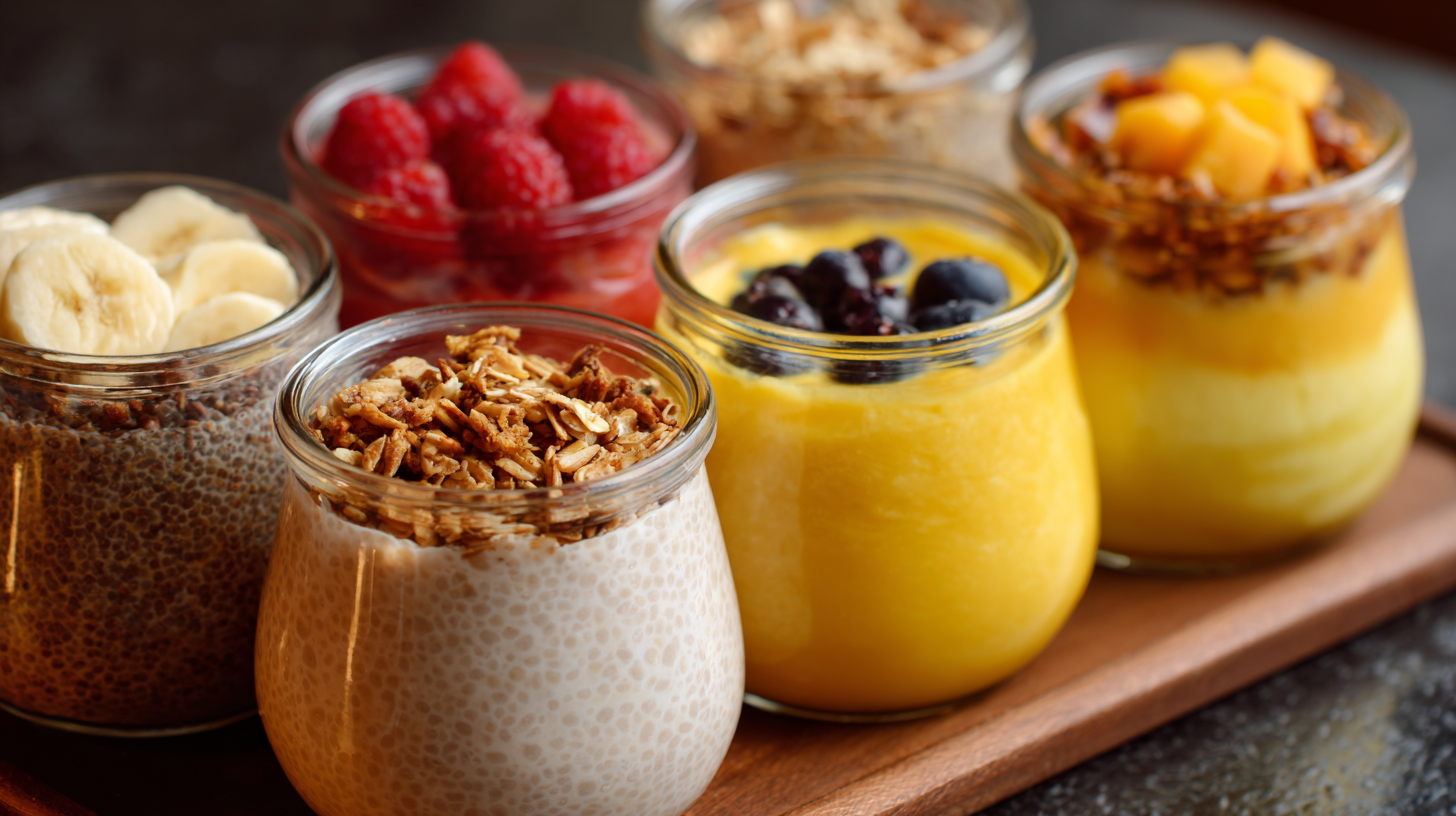 Switching up your meals with more vegetarian proteins is a pretty great way to support a healthier lifestyle, you know? Instead of sticking to traditional meats, try adding in stuff like beans, lentils, quinoa, or chickpeas. They’re packed with fiber, which is awesome for digestion and can even help you keep a healthy weight. Plus, they tend to be lower in saturated fat, so it’s good for your heart, and they’re loaded with all kinds of nutrients that make you feel good overall. When you start experimenting with more plant-based proteins, you get to enjoy a bunch of new flavors and textures while feeding your body what it needs.
And honestly, jumping on the vegetarian protein train isn’t just good for you—it’s better for the planet too. Growing plants takes way less water and land than raising animals, so you’re reducing your ecological footprint without even trying hard. Whether it’s tossing lentils into salads, adding chickpeas to stews, or making quinoa bowls, these little tweaks can jazz up your meals while doing something positive for the environment. Honestly, it’s not just about eating differently, it’s like embracing a whole new lifestyle that’s healthier, more sustainable, and a bit more creative in the kitchen. Plus, it’s kinda fun to mix things up and discover what you really enjoy, right?
Creative Breakfast Ideas: Start Your Day with Plant-Based Proteins
You’ve probably heard it a million times—breakfast is often called the most important meal of the day. And honestly, adding in some plant-based proteins can really boost how nutritious your morning meal is. According to the Plant-Based Foods Association, sales of plant proteins shot up by over 27% just last year! That just goes to show more folks are getting interested in including veggie-based sources in their daily eats. Starting your morning with a protein-packed breakfast not only keeps you feeling full longer but also helps you stay energized throughout the day.
One really easy and tasty way to get some plant protein in the morning is through smoothies. Think about blending leafy greens like spinach with pea protein powder, almond milk, and a banana—makes for a super satisfying and delicious breakfast. Or, if you’re into something a bit different, overnight oats with chia seeds and almond butter are fantastic for a quick, protein-boosting breakfast. Plus, these options are flexible—you can tweak them to suit your taste buds or what you have in the pantry.
A little tip: To keep your breakfast balanced, try combining your protein with healthy fats—like some avocado or a handful of nuts—and complex carbs, such as whole grains or fresh fruit. Don’t be afraid to get creative with different plant proteins, like hemp seeds or edamame—they're easy to throw into salads or grain bowls and make for a really satisfying start to your day.
Nutritious Lunch Options: Easy Ways to Add Veggie Proteins to Salads
When it comes to lunch, adding some vegetarian protein to your salads can totally turn a simple meal into something more nourishing and satisfying. One quick trick? Toss in things like chickpeas or black beans. Not only do they pack a punch of plant-based protein, but they also add this nice texture and flavor that goes really well with fresh greens. Just half a cup of beans here and there can really bump up your protein and make the salad more filling without making it heavy.
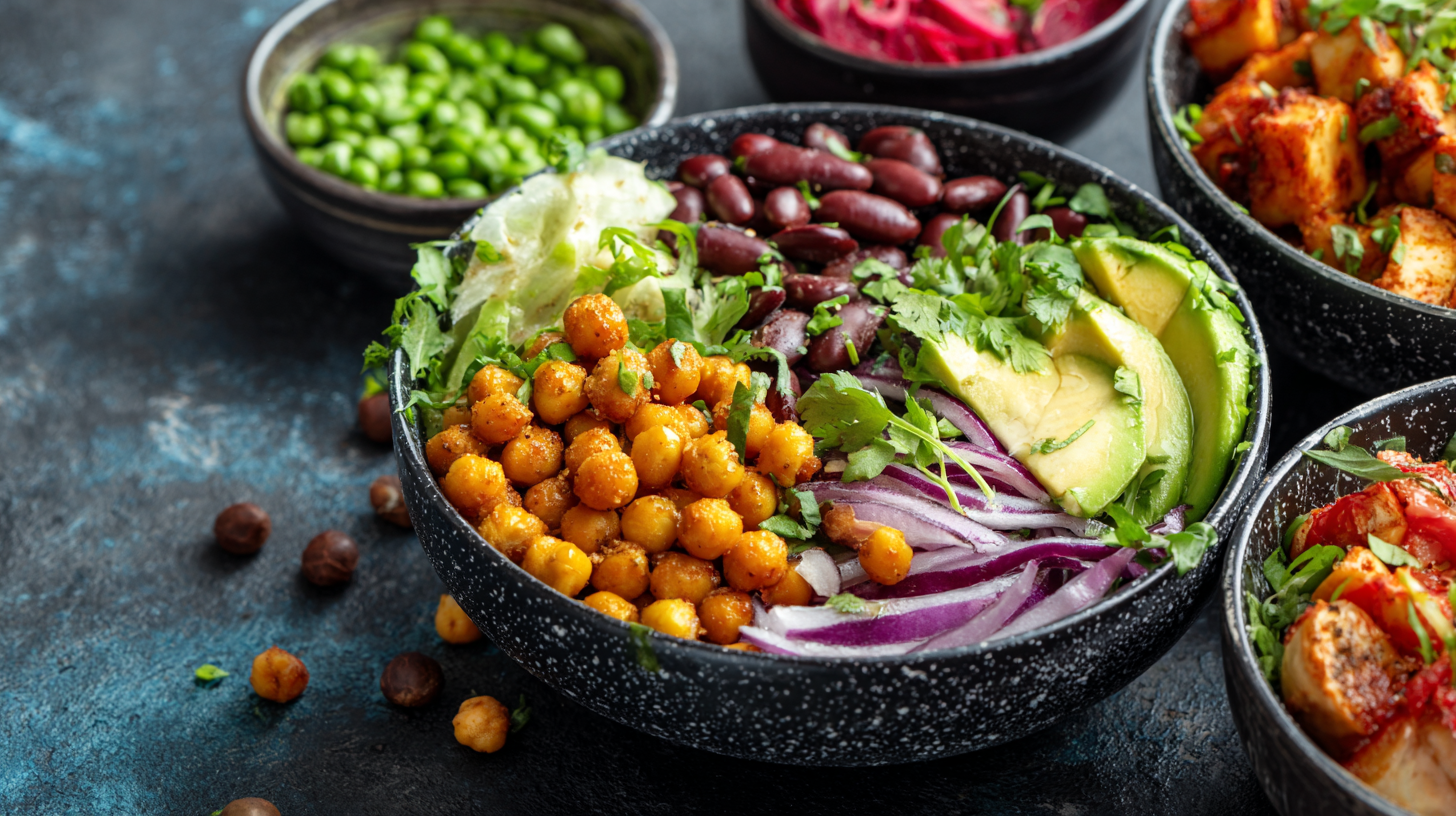
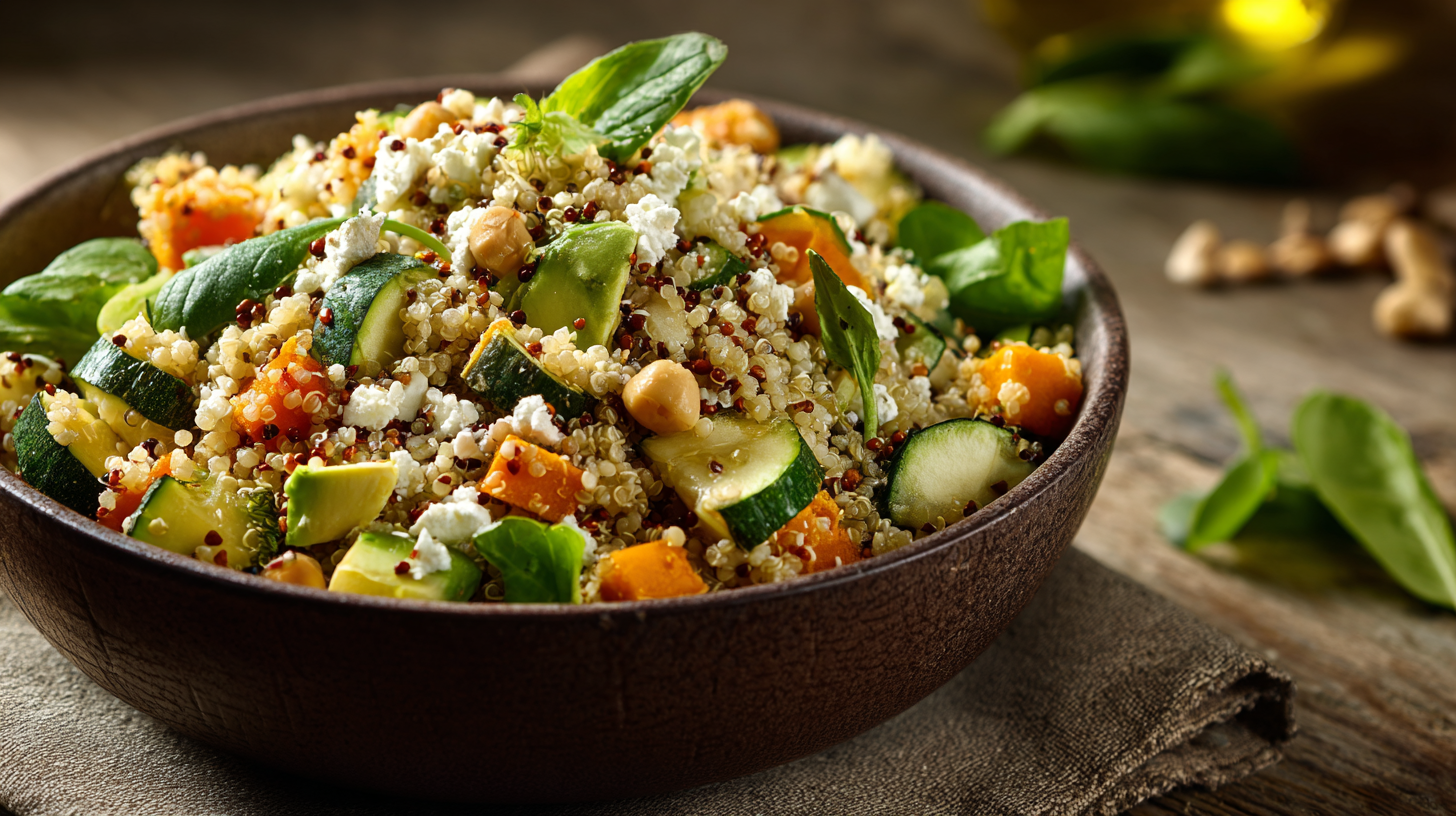
And if you're feeling a bit more adventurous, why not try using grains like quinoa or farro as your salad base? They're not only super rich in protein but also have this lovely chewy texture that makes the whole thing more interesting to eat. Mixing cooked quinoa with some chopped veggies, herbs, and a bit of light dressing can give you a vibrant, hearty salad that hits the spot. Plus, if you're into tofu or tempeh, try baking or marinating them first—the flavor really soaks in, and they add an extra layer of protein. All these little tips make your lunch feel fresh, fun, and good for you, no matter what you're craving that day.
Delicious Dinner Recipes: Innovative Vegetarian Protein Dishes for Every Palate
Incorporating vegetarian proteins into your meals is a great way to not only stay healthy but also support a more sustainable lifestyle. Did you know that, according to the Plant-Based Foods Association, the plant-based foods market is expected to hit over $74 billion by 2027? Crazy, right? This growing shift towards veggie-centric options opens up all sorts of chances to get creative with flavors—think delicious dishes that can suit just about any palate.
One fun dinner idea you might want to give a shot is quinoa-stuffed bell peppers. Quinoa, which is a complete protein containing all nine essential amino acids, pairs really well with a variety of veggies and spices, making it super versatile. And if you're into experimenting, lentils are fantastic—they’re loaded with protein and fiber. A hearty lentil shepherd’s pie can be a total winner—comforting, nutritious, and satisfying.
Tip: When you’re incorporating vegetarian proteins, it’s worth mixing different sources to really boost the flavor and nutrition. For example, blending chickpeas with tahini makes a creamy, protein-packed hummus that goes really well with a bunch of dishes. Also, don’t forget that legumes are super versatile—throw them into salads, soups, or stews for an easy way to add protein and texture that keeps your meals interesting and filling.
Snacks on the Go: Quick Vegetarian Protein Boosts for Busy Days
Feeling busy and constantly on the move can really make it tough to stick to a balanced diet, especially when you're trying to get enough protein. Luckily, there are plenty of vegetarian snack options that are quick, tasty, and nutrient-packed. One of my favorites has got to be roasted chickpeas—they're super crunchy, can be seasoned however you like, and are so easy to make ahead of time. Just pop them in the oven, and boom, you've got a high-protein snack ready to go—perfect for munching on while you're running errands or taking a quick break.
Another handy snack idea is nut butter—spread it on apple slices or whole-grain crackers for a hit of sustained energy. It's packed with healthy fats and protein, so you stay full longer. Plus, it’s super convenient to pack a little container of your favorite nut spread and take it with you. When hunger hits, you'll have a quick, nourishing boost right at your fingertips. And if you want to give your protein intake an extra boost, toss some chia or hemp seeds into smoothies or yogurt—that way, you’re maximizing nutrition in a really easy, portable way. These snacks can help keep you energized all day long, and they make sticking to a vegetarian diet a lot easier without sacrificing your protein needs.
Innovative Ways to Incorporate Vegetarian Protein into Your Daily Meals
| Snack |
Protein Source |
Protein Content (g) |
Quick Tips |
| Chickpea Salad |
Chickpeas |
15 |
Mix with veggies and lemon dressing |
| Nut Trail Mix |
Mixed Nuts |
7 |
Prepare in advance for easy snacking |
| Greek Yogurt Parfait |
Greek Yogurt |
10 |
Add fruits and granola for flavor |
| Hummus with Veggies |
Hummus |
8 |
Pair with carrot or celery sticks |
| Peanut Butter Rice Cakes |
Peanut Butter |
6 |
Top with banana slices for extra energy |
Incorporating Legumes and Grains: Diverse Proteins for Every Meal
Incorporating legumes and grains into your meals is such a great way to boost your protein intake, and it also keeps things interesting flavor-wise. Think about lentils, chickpeas, and black beans—they're not just rich in protein but also full of fiber, making them perfect for all sorts of dishes. You might want to try a hearty lentil soup on a chilly day or whip up a quick, refreshing chickpea salad. And here's a little tip: mixing legumes with whole grains like quinoa or brown rice isn’t just tasty; it also amps up the protein and makes your meal really satisfying. For example, a quinoa bowl topped with roasted veggies and a handful of lentils looks colorful and tastes even better.
You can also easily sneak beans and grains into your breakfast. How about blending almond milk with a scoop of protein-rich quinoa and a banana for a smooth, filling smoothie? Or maybe those breakfast burritos with scrambled eggs, black beans, and a whole grain tortilla—super delicious and keeps your energy up all morning. Honestly, trying out these combos means you get to enjoy all kinds of flavors and textures, turning protein-packed veggie meals into something you actually look forward to every day.
Innovative Ways to Incorporate Vegetarian Protein into Your Daily Meals
This chart illustrates the various sources of vegetarian protein from legumes and grains, highlighting their protein content per 100 grams.
Unlocking Radiant Skin: The Power of Fast Delivery Cosmetic Grade Hydrolyzed Soy Protein Powder
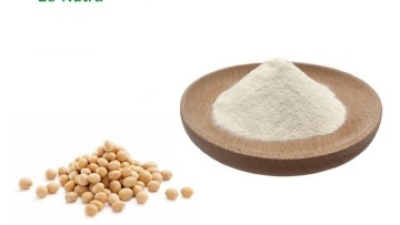
In the pursuit of luminous and youthful skin, innovative ingredients are at the forefront of cosmetic formulations. One such powerhouse is Hydrolyzed Soy Protein Powder, derived from Glycine max (L.) Merr. Its impressive molecular weight of less than 2000 Da ensures superior absorption and efficacy in skin care products. With a protein content exceeding 90%, this versatile ingredient has gained recognition not just for its nutritional properties but also for its profound impact on skin health.
Hydrolyzed Soy Protein Powder actively promotes collagen synthesis, a critical factor in skin firmness and elasticity. According to industry reports, enhanced collagen levels can lead to noticeable improvements in skin hydration, significantly reducing the appearance of fine lines and promoting a plump, youthful complexion. Furthermore, the protein’s remarkable water solubility creates a very clear liquid devoid of impurities, making it an ideal candidate for various applications, including skin and hair care products. This ingredient also fortifies hair, addressing damage caused by dyeing and perming, thus serving a dual purpose in beauty regimes.
The clinical versatility of Hydrolyzed Soy Protein Powder extends to mild cleansing products, where it serves as a gentle yet effective component for maintaining healthy skin. With a pH range of 5.5-7.5, it aligns well with the skin’s natural balance, ensuring that it can cleanse without causing irritation, thereby reinforcing its role in radiant skin. As the beauty industry continues to innovate, the incorporation of such adaptive ingredients highlights a growing trend towards delivering fast-acting, transformative results for consumers seeking to unveil their skin’s natural radiance.
FAQS
: Vegetarian proteins are rich in fiber, lower in saturated fat, and provide essential nutrients that aid digestion, help maintain a healthy weight, and reduce the risk of heart disease.
Plant-based proteins require significantly less water and land to produce compared to animal proteins, helping to minimize your ecological footprint.
You can make smoothies with leafy greens and protein powder, or try overnight oats with chia seeds and almond butter. These options are nutritious and customizable.
Aim for a mix of macronutrients by pairing your protein source with healthy fats (like avocados or nuts) and complex carbohydrates (such as whole grains or fruits).
Incorporate ingredients like beans (chickpeas or black beans), quinoa, farro, or marinated baked tofu and tempeh to transform salads into nutritious meals.
A protein-rich breakfast helps with satiety and contributes to better energy levels throughout the day, setting a positive tone for your meals.
Yes, the high fiber content in vegetarian proteins aids digestion and promotes a feeling of fullness, which can help in maintaining a healthy weight.
Consider incorporating beans, lentils, quinoa, chickpeas, hemp seeds, and edamame, as they offer a variety of flavors and textures.
Mix cooked grains like quinoa with diced vegetables and herbs, or use a variety of legumes and marinated soy products to create vibrant and tasty salads.
Absolutely! Many plant-based protein sources can be mixed and matched with different ingredients to suit personal taste preferences and dietary needs.
Conclusion
Today, more folks are looking to live healthier, and adding vegetarian protein into your daily meals can really make a difference. In this post, I want to share some creative ideas for sneaking plant-based proteins into every meal—starting with easy and energizing breakfast options that kickstart your day. When it comes to lunch, you'll find simple ways to turn boring salads into nutritious masterpieces with veggie proteins. And for dinner, we’ve got some tasty vegetarian recipes that are sure to satisfy a variety of tastes.
Plus, I get it—life gets busy, so I’ll also share quick snack ideas perfect for when you're on the move but still want that little protein boost. Using ingredients like legumes and grains, we show just how versatile vegetarian protein can be—making it straightforward to nourish your body all day long. Here at Xi'an Le-Nutra Ingredients Inc, we're all about supporting these healthy eating habits with our innovative raw materials, designed to boost the quality of nutraceuticals and food products alike.