Look, immune health supplements aren't magic. The ingredients in them are chosen for very specific biological roles—not because one capsule is going to supercharge your immunity overnight. Vitamin C, for instance, helps keep normal immune function on track, while zinc is involved in helping immune cells grow and do their job. Then there's vitamin D, which also plays a part in immune function, but whether you actually need it as a supplement depends on what you're getting from food and sunlight and your overall health. The NIH Office of Dietary Supplements has made this point pretty clearly: the evidence varies a lot depending on the nutrient and the outcome you're looking at. And honestly, that distinction is important to keep in mind.
It's no secret that plenty of people are popping dietary supplements these days. In fact, a 2024 survey by the Council for Responsible Nutrition found that a solid 75% of U.S. adults are taking them regularly. But here's the catch—just because something's popular doesn't mean it's actually effective. Dr. Andrea Wong, who wears two hats as a nutrition scientist and the Council's senior VP for scientific and regulatory affairs, has been pretty vocal about the need for evidence and responsible supplement use. Honestly, her advice is a good reminder: you shouldn't just judge an ingredient by its flashy label. What really matters is the research behind it, the dose, and the overall product quality. The bold label alone? That doesn't cut it.
Okay, so when you actually read a supplement label, start with the ingredient form and amount—not the fancy marketing. Compare the serving size to the daily value, and look for clear sourcing and quality testing info. Products like Immune Booster Tablets might throw in vitamin C, zinc, or botanicals, but formulas vary a lot. And here’s the catch: a crowded label can look pretty convincing. But it can also hide doses that are worth a second look. So, this guide is all about why you see the same kinds of ingredients popping up in these products, what the research actually says, and where things get a bit murky. Let's be real: nothing you pop in pill form is going to replace a good diet, getting enough sleep, or seeing a doctor if something's not right.
What Immune Health Supplements Are Designed to Support
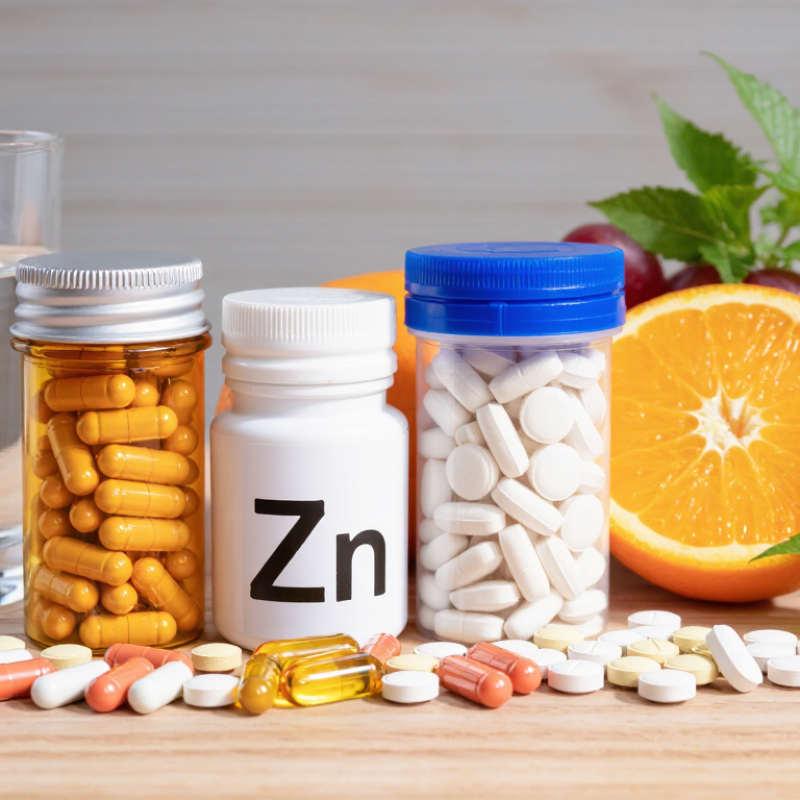
Immune health supplements are generally designed to support normal immune function, not prevent every infection or replace medical care. Their ingredients may include vitamin C, vitamin D, zinc, or plant extracts such as elderberry. Each has a different role, and effects can depend on a person’s diet, health, and the amount used. More is not automatically better.
The phrase Health Supplement Actives refers to ingredients selected for a product, but the label alone cannot show how useful it will be for you. Check the dose and serving size, and consider whether you already get the nutrient from food or another supplement. A clinician or pharmacist can help identify possible interactions, especially if you take medication or have a health condition. That distinction can feel less exciting. It matters. Sleep, varied meals, and basic hygiene still count; a capsule cannot stand in for them. Evidence for some ingredients is limited or mixed, so cautious expectations are sensible.
How the Immune System Uses Nutrients and Other Compounds
Immune health supplements draw on nutrients the body uses to maintain barriers and coordinate immune responses. Vitamin C supports collagen formation in skin and other tissues. Zinc helps immune cells develop and communicate. Protein supplies amino acids used to build antibodies and cellular machinery. Small details matter. A varied diet usually provides many of these materials, while a confirmed deficiency may change what a person needs. More is not automatically better; excessive amounts of some nutrients can cause harm.
Other compounds may affect immune processes in different ways. Vitamin D, for example, is involved in immune regulation, but taking extra does not guarantee fewer infections. Botanical Food Supplements may contain plant compounds such as polyphenols, yet their effects can vary with the plant, preparation, dose, and available evidence. Not magic. Labels deserve a careful look: check the amount per serving and avoid assuming that “natural” means risk-free. Some ingredients can interact with medicines or be unsuitable during pregnancy or for certain health conditions. Evidence is uneven. That uncertainty is worth acknowledging, especially when a product makes broad claims about “boosting” immunity. A clinician or pharmacist can help assess a supplement alongside a person’s diet, medications, and health history.
Why Are These Ingredients Used in Immune Health Supplements?
Recommended daily intake for vitamin C and zinc in adults aged 19 and older
Vitamin C supports immune cell functions and the skin and other barriers that help protect the body. Zinc supports the development and function of immune cells. These values are recommended dietary allowances, not supplement doses; needs can vary by age and life stage.
Sources: NIH Office of Dietary Supplements; National Academies Dietary Reference Intakes. Adult RDA values shown: vitamin C, 75 mg/day for women and 90 mg/day for men; zinc, 8 mg/day for women and 11 mg/day for men.
Key Ingredient Categories Found in Immune Health Supplements
Why Are These Ingredients Used in Immune Health Supplements?
Key Ingredient Categories Found in Immune Health Supplements
Immune health supplements often combine nutrients that support normal body functions. Vitamin C helps protect cells from oxidative stress, while vitamin D contributes to normal immune function. Zinc also plays a role in immune-cell activity. These nutrients are not interchangeable, and more is not automatically better. A label may show a large serving, but that does not prove the product works better. Evidence and appropriate amounts vary by ingredient and person.
Some formulas include probiotics, which are live microorganisms, or plant ingredients such as elderberry and echinacea. Research on these varies, and results may depend on the specific strain, extract, or dose. “Natural” does not always mean suitable for everyone. Supplements can interact with medicines or be inappropriate for certain health conditions. It is worth checking the full ingredient list, not just the front label. I find this easy to overlook when packaging emphasizes one familiar nutrient.
Tips: Compare serving sizes and daily values. Check for overlapping ingredients if you use several products. Ask a qualified health professional about personal risks, especially during pregnancy or when taking medication. Keep expectations modest; supplements do not replace sleep, balanced meals, or medical care.
How Common Ingredients May Contribute to Immune Function
Why Are These Ingredients Used in Immune Health Supplements?
How Common Ingredients May Contribute to Immune Function
Immune-health formulas often contain vitamin C, vitamin D, and zinc. These nutrients support normal immune processes; they are not guarantees against infection. The NIH Office of Dietary Supplements lists adult recommended daily amounts of 75–90 mg for vitamin C, 600 IU for vitamin D at ages 19–70, and 8–11 mg for zinc. Needs vary with age, sex, diet, and health status. More is not automatically better.
There is some measurable evidence, but it deserves careful reading. The NIH’s vitamin C fact sheet reports that regular supplementation shortened common-cold duration by about 8% in adults in reviewed studies. That is a modest effect, not proof that vitamin C prevents colds. Zinc and vitamin D also play important biological roles, yet benefits from supplements depend partly on a person’s existing nutrient status. A clinician can help assess individual needs.
The phrase “Collagen Peptides Gut Health” may appear alongside immune claims online, but collagen peptides are not established as immune-support ingredients. Probiotic effects, meanwhile, can differ by strain and product. Labels can make a formula look simple. The evidence often isn’t. Read amounts carefully, and consider whether the ingredients address a real dietary shortfall.
What Research Says About Ingredient Effectiveness
Vitamin C, vitamin D, and zinc appear in immune health supplements because the body needs them for normal immune function. Research suggests correcting a deficiency can help restore that function. It does not show that taking extra amounts reliably prevents infections in people who already get enough. That distinction matters. In studies of vitamin C, regular use may slightly shorten some colds, while results for preventing them are less convincing. Zinc findings depend on the dose, form, and timing studied.
Evidence varies. Vitamin D research has reported possible benefits in some groups, but results are mixed, and baseline levels may matter. Plant ingredients such as echinacea and elderberry have also been studied, yet preparations differ widely. That makes comparisons difficult. A capsule’s ingredient list cannot tell you whether its dose matches the research, or whether the formula was tested as a whole. Small details count: a person with low vitamin D has a different starting point from someone with adequate levels. More is not automatically better. Supplements can cause side effects or interact with medicines, so a clinician or pharmacist can help assess a specific product and personal needs.
How Formulation, Dosage, and Safety Shape Ingredient Choice
Immune health supplements are shaped by more than ingredient popularity. Formulators consider the ingredient’s purpose, dose, form, stability, and how it fits with other nutrients. Botanical Dietary Supplements may use different plant parts or extract strengths, so a plant name alone does not explain the amount or composition. Details matter. The CDC’s National Center for Health Statistics reported that 57.6% of U.S. adults used dietary supplements in 2017–2018 (NCHS Data Brief No. 399, 2021). That reach makes clear labeling important.
Dose and safety help determine whether an ingredient belongs in a formula. The NIH Office of Dietary Supplements sets adult upper limits of 2,000 mg daily for vitamin C and 40 mg daily for zinc. These are ceilings, not intake goals. A formula should account for nutrients already present in other supplements, and for possible medication interactions. Botanical evidence can also vary by preparation; this is easy to overlook when labels emphasize familiar plant names. More ingredients do not automatically mean better support.
Tips: Compare the amount per serving with reliable reference guidance, and check the full ingredient list for overlap. If you take medication, are pregnant, or have a health condition, ask a qualified health professional before using a supplement.
Premium NAD Powder for NMN Levels & Metabolism: A Data-Led Outline Informed by Grand View Research Industry Reports
Nicotinamide adenine dinucleotide (NAD) is a coenzyme involved in cellular energy metabolism and oxidation-reduction reactions. NMN is a precursor the body can use in NAD biosynthesis, so interest in NMN levels and metabolism often centers on how these molecules relate to cellular energy pathways. A data-led market outline, informed by industry-report themes such as ingredient demand, product formats, and quality expectations, can describe this context without treating market growth as proof of health benefits. NAD supplementation should not be presented as a guaranteed way to increase NMN levels or slow aging.
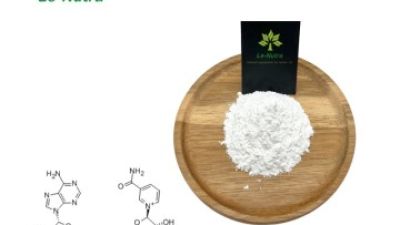
The ingredient described here is a white crystalline powder with a stated purity of 99% and CAS No. 53-84-9. Its other name is nicotinamide adenine dinucleotide. It is positioned for antioxidant, anti-inflammatory, cell-repair, and healthy-aging applications; these are product-function descriptions, not assurances of clinical outcomes. For handling and supply, it is packed in vacuum aluminum foil bags, with 25 kg quantities supplied in fiber drums lined with a double food-grade poly bag. Clear specifications and packaging information help buyers assess ingredient consistency and suitability for their intended formulation.
Conclusion
Immune health supplements are designed to support the body’s normal immune functions, not to replace a balanced diet or medical care. The immune system relies on a range of nutrients and other compounds to maintain and coordinate its activity. Ingredients For Immune Health Supplements may include vitamins, minerals, plant-derived compounds, and other nutrients, each considered for its potential role in supporting processes such as immune cell function and the body’s natural defenses.
Research on individual ingredients varies, and evidence may depend on the nutrient, amount, and population studied. That is why ingredient choices should consider both scientific findings and practical factors, including formulation, dosage, quality, and safety. More ingredients do not necessarily mean greater benefit, and suitability can differ from person to person. Understanding what each ingredient is intended to contribute helps explain why it may be included and encourages thoughtful, informed choices about supplement use.