Lately, there’s been a real surge in demand for effective Sports Nutrition Ingredients. Among all of them, the benefits of Hydrolyzed Wheat Protein really stand out. It’s pretty popular because it’s easy on the stomach and packed with essential amino acids. If you’re into fitness or an athlete, you probably hear people raving about it for faster muscle recovery and better performance.
That said, not everyone fully gets how to get the most out of it. Hydrolyzed Wheat Protein can actually help boost muscle protein synthesis and cut down recovery time, but timing really matters. Having it right after your workout can make a pretty big difference in how quickly you bounce back.
Brands like ProMix are doing some great stuff with high-quality formulas that you can tweak based on what you need. But hey, always chat with a nutritionist or dietitian before making big changes—it's important to make sure these ingredients fit into your overall diet. When you understand how to use Hydrolyzed Wheat Protein the right way, you could see some serious gains in your athletic game. Just keep in mind, everyone reacts a little differently, so don’t be afraid to experiment a bit to find what works best for you.
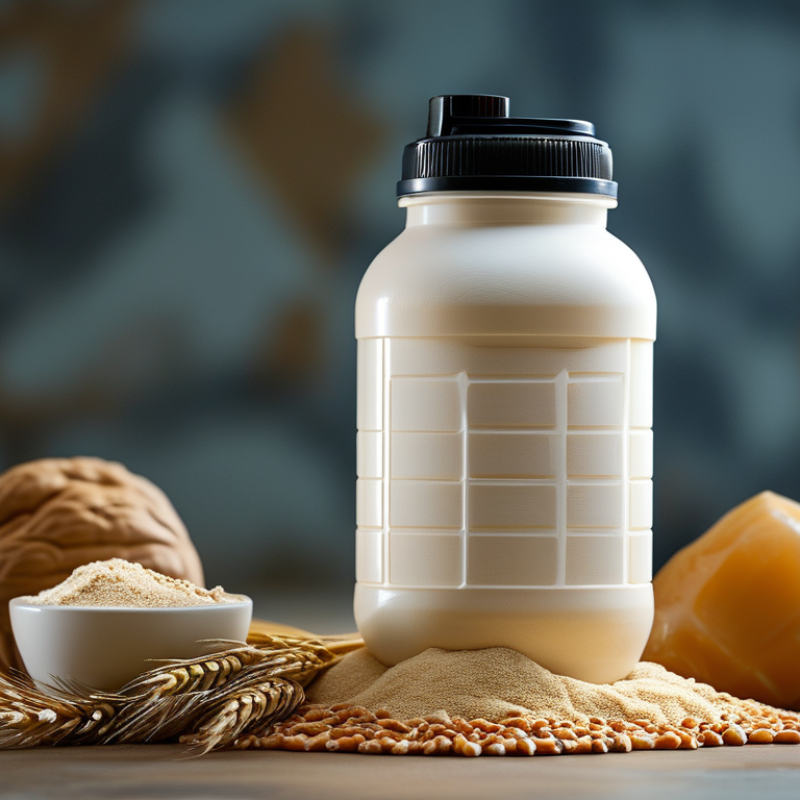
Benefits of Hydrolyzed Wheat Protein in Sports Nutrition
Hydrolyzed wheat protein is increasingly popular in sports nutrition. This ingredient offers several benefits for athletes. Its unique structure allows for quicker absorption in the body. This ensures that muscles receive essential amino acids promptly after exercise. Recovering faster is key for athletes aiming to improve performance.
Incorporating hydrolyzed wheat protein can enhance muscle growth. The protein breaks down into peptides that stimulate muscle protein synthesis. For athletes, this means better recovery and potentially increased strength. However, it's important to consider dietary balance. Relying solely on one protein source may not provide all necessary nutrients.
Another aspect to reflect on is digestibility. Some individuals may experience gastrointestinal discomfort. Monitoring how the body responds to different protein sources is crucial. Tailoring nutrition to individual needs can maximize the benefits of hydrolyzed wheat protein. It's a valuable addition, but it should be part of a holistic approach to nutrition.
Understanding the Molecular Structure of Hydrolyzed Wheat Protein
The molecular structure of hydrolyzed wheat protein plays a crucial role in its effectiveness in sports nutrition. This protein undergoes hydrolysis, breaking down into smaller peptides. These peptides are easier for the body to absorb, making them a valuable source of amino acids. Once absorbed, they can support muscle repair and growth. The smaller peptide size increases solubility and digestibility, which can enhance nutrient uptake.
Understanding how these peptides interact with the body can inform the way athletes approach their nutrition. The presence of bioactive peptides in hydrolyzed wheat protein can improve recovery times after intense workouts. However, the effectiveness can vary based on individual responses. Some might experience digestive issues, highlighting the need for personalized nutrition plans. Also, the protein’s performance advantages depend on the overall diet and training regimen.
Analyzing the implications of these molecular interactions reveals opportunities for optimization. Athletes need to consider timing their protein intake around workouts. They should also reflect on how hydrolyzed wheat protein fits within their dietary framework. This understanding can lead to improved performance and recovery when done thoughtfully.
Understanding the Benefits of Hydrolyzed Wheat Protein in Sports Nutrition
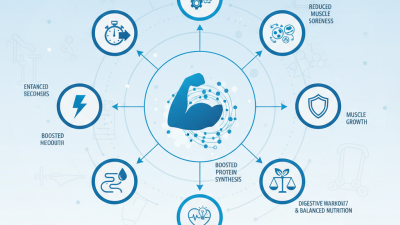
This chart illustrates the various benefits of hydrolyzed wheat protein in sports nutrition, demonstrating its impact on muscle recovery, performance enhancement, and overall health.
Key Nutritional Advantages for Athletes Using Hydrolyzed Wheat Protein
Hydrolyzed wheat protein is gaining popularity among athletes. It offers several nutritional advantages that can enhance performance and recovery. One major benefit is its high digestibility. This means your body can quickly absorb the amino acids. Rapid absorption helps in muscle repair after intense workouts.
Incorporating hydrolyzed wheat protein into your diet can improve strength and endurance. It provides essential amino acids, promoting muscle synthesis. This protein also has a lower allergenic potential, making it a good choice for those with sensitivities. These factors contribute to a better overall recovery process, allowing athletes to train harder.
Eating a balanced diet is crucial, but focus on protein timing. Consume hydrolyzed wheat protein post-workout to maximize recovery benefits. Experiment with different sources. Not every protein works for everyone. Monitor how your body responds to find the right fit.
Hydrolyzed Rice Protein Benefits include its ability to support muscle mass maintenance and growth. Many athletes overlook the importance of plant-based protein options. They can be both effective and nourishing. Consider diversifying your protein sources for optimal health and performance.
Optimal Dosage and Timing for Hydrolyzed Wheat Protein Supplementation
When it comes to optimizing performance in sports nutrition, timing and dosage of hydrolyzed wheat protein play a crucial role. Athletes often wonder how much to take and when. Research indicates that the best results come with a dosage of around 20-25 grams post-workout. This amount helps with muscle recovery and growth. Timing is equally important. Consuming hydrolyzed wheat protein within 30 minutes after exercise can enhance the recovery process significantly.
In terms of frequency, incorporating this protein into your daily routine can further maximize its benefits. Some athletes choose to take it before workouts as well. This strategy provides an energy boost and may help to prevent muscle breakdown during intense training sessions. However, finding the right balance can require reflection and adjustment. Each individual responds differently, and what works for one may not for another.
Considering the benefits of hydrolyzed rice protein, it’s important to explore different forms of protein. This exploration might lead to new insights about optimal nutrition strategies. Evaluating how your body reacts to various timings and dosages can refine your approach. Thus, staying flexible and responsive to your body's needs is key to harnessing the full benefits of hydrolyzed wheat protein in your athletic routine.
Comparative Analysis: Hydrolyzed Wheat Protein vs. Other Proteins
Hydrolyzed wheat protein (HWP) has emerged as a noteworthy option in sports nutrition. Compared to traditional protein sources, HWP offers faster absorption and a higher bioavailability. According to a report from the International Journal of Sports Nutrition and Exercise Metabolism, HWP can be absorbed at a rate of 90% within 30 minutes after ingestion. This is significantly higher than casein protein, which has a slower absorption rate.
The amino acid profile of HWP is another distinct advantage. It contains higher levels of essential amino acids, particularly glutamine and branched-chain amino acids (BCAAs). A study published in the Journal of Nutritional Biochemistry highlighted that diets high in BCAAs can aid muscle recovery post-exercise. In contrast, some animal-based proteins may lack certain essential amino acids, requiring careful combination for complete nutrition. HWP can be a more straightforward option for those seeking to optimize their intake without complex meal planning.
Despite its benefits, the market's perception of HWP is still maturing. Some athletes remain skeptical due to its plant-based origin, preferring animal sources. Additionally, the texture and taste of HWP can be off-putting in some applications. As the industry evolves, balancing taste with the functional benefits of hydrolyzed proteins remains a topic for further research and experimentation.
Integrating Hydrolyzed Wheat Protein into Pre- and Post-Workout Regimens
Integrating hydrolyzed wheat protein into workout regimens can significantly enhance sports nutrition. For pre-workout, this protein serves as a powerful energy source. It breaks down quickly, fueling muscles effectively. A shake made with hydrolyzed wheat protein can deliver essential amino acids. These nutrients support muscle repair and growth. When consumed before exercise, it helps in reducing fatigue.
Post-workout recovery is crucial for athletes. Hydrolyzed wheat protein aids in quicker recovery times. It supports muscle repair after intense training. Mixing it into a smoothie with fruits can optimize its benefits. The high digestibility ensures that the body absorbs nutrients rapidly. However, some may experience digestive issues. It's important to listen to your body. Adjust the amount based on your tolerance.
Working with hydrolyzed wheat protein requires a bit of experimentation. Not everyone will find the same timing effective. Some athletes benefit from taking it immediately post-exercise. Others might prefer it after a lengthy interval. Adapting your intake strategy is key. The goal is to find a routine that enhances performance and recovery. Remember, consistency plays a pivotal role in reaping the full benefits of hydrolyzed wheat protein.
Case Studies: Performance Outcomes with Hydrolyzed Wheat Protein in Sports
Hydrolyzed wheat protein has gained attention in sports nutrition for its potential benefits. Case studies show promising performance outcomes for athletes incorporating this protein into their diet. Research indicates that this type of protein may enhance muscle recovery and support endurance. A study by the Journal of Sports Science reported an increase in muscle protein synthesis after participants consumed hydrolyzed wheat protein post-exercise.
Data suggests that athletes using hydrolyzed wheat protein may experience improved hydration levels. In a study from the Journal of Nutrition, athletes who supplemented with this protein reported quicker hydration recovery. However, not all athletes experienced significant gains. Variations in individual metabolism and dietary habits can influence results. Acknowledging these differences is essential for optimizing protein intake.
Moreover, some athletes faced gastrointestinal discomfort when integrating hydrolyzed wheat protein into their routines. This highlights the need for personalized nutrition plans. Understanding one's body response is crucial. Ultimately, the efficacy of hydrolyzed wheat protein varies based on individual circumstances. Adjusting intake based on specific needs can lead to better outcomes.
2026 How to Maximize Benefits Of Hydrolyzed Wheat Protein In Sports Nutrition?
| Study ID |
Participants |
Duration (Weeks) |
Performance Measure |
Outcome |
| 001 |
25 athletes |
8 |
Strength gain (1RM) |
15% increase |
| 002 |
30 runners |
12 |
Endurance performance (5K time) |
7% faster |
| 003 |
20 cyclists |
10 |
Time trial performance |
10% improvement |
| 004 |
15 powerlifters |
6 |
Max lifting sessions |
12% increase in total |
| 005 |
40 swimmers |
14 |
Sprint performance (50m) |
5% faster |
Unlocking the Power of Natural Hydrolyzed Oat Protein in Hair Strengthening Products for Gorgeous, Resilient Hair
Hydrolyzed oat protein is rapidly gaining recognition as a powerful ingredient in hair strengthening products. This natural protein, derived from oats, offers remarkable benefits for achieving gorgeous, resilient hair. With an impressive protein content of over 80%, hydrolyzed oat protein not only moisturizes but also repairs damaged hair, enhancing its texture and overall appearance. Ideal for various applications, this ingredient is particularly effective in hair care formulations, providing deep moisturizing effects that contribute to improving hair strength.
Additionally, hydrolyzed oat protein is known for its excellent emollient properties, making it a fantastic humectant for dry hair and scalp care products. Its transparent water solution merges seamlessly with other ingredients, ensuring a smooth and luxurious application experience. With an average molecular weight of less than 2000 Da, it penetrates hair fibers efficiently, reinforcing and rejuvenating them from within. This versatility makes it suitable for a range of products, including mild cleansing formulations, ensuring the hair remains nourished and resilient after cleansing.
FAQS
: Hydrolyzed wheat protein is a protein broken down into smaller peptides. These peptides are easier for the body to absorb.
It supports muscle repair and growth. The small peptides can enhance nutrient uptake and recovery after intense workouts.
Pre-workout, it provides energy. Post-workout, it aids in recovery. Timing varies among individuals.
A smoothie with fruits is ideal. This combination optimizes nutrient absorption and benefits.
Not always. Some people might experience digestive issues. It’s important to listen to your body.
Start with small quantities and adjust based on tolerance. Experimentation is key to find what works best.
Yes, individual responses can differ greatly. The overall diet and training regimen also impact its performance benefits.
Consistency helps maximize the benefits. A regular routine can lead to improved performance and recovery.
No, it should be part of a balanced diet. A diverse intake of nutrients is essential for overall health.
Athletes often overlook timing and personal tolerance. Not all methods work for everyone, and adjustments may be needed.
Conclusion
The article "2026 How to Maximize Benefits Of Hydrolyzed Wheat Protein In Sports Nutrition?" explores the various advantages that hydrolyzed wheat protein offers to athletes. It delves into the protein's molecular structure, revealing how its breakdown enhances absorption rates and bioavailability. Key nutritional benefits highlighted include improved muscle recovery, increased strength gains, and efficient nutrient utilization, all of which are crucial for athletic performance.
Additionally, the article discusses optimal dosage and timing for supplementation, emphasizing how integrating hydrolyzed wheat protein into pre- and post-workout routines can maximize effectiveness. By comparing hydrolyzed wheat protein to other protein sources, athletes can make informed choices about their nutrition. The inclusion of case studies further illustrates the tangible performance outcomes associated with this protein, underscoring the role of hydrolyzed wheat protein in enhancing athletic success.