Hey, in the world of hair care these days, people are definitely leaning more and more toward using natural ingredients in their products. I mean, experts like Dr. Emily Carter, who's a well-known formulation chemist at PureEssence Labs, often talk about how powerful nature can be. She’s quoted saying, "Nature offers some pretty amazing benefits that can totally change up your hair routine." It’s all about how botanical compounds and organic extracts can make a real difference.
Choosing natural ingredients isn’t just good for your hair; it also helps you steer clear of all those harsh chemicals. Folks are pretty savvy these days and are looking for safer options, which is why brands are jumping on the plant-based bandwagon. Stuff like argan oil and aloe vera are super popular because they really nourish your hair. That said, there are still some hurdles—mainly, sourcing top-quality ingredients consistently isn’t always easy.
The beauty industry really needs to step up when it comes to sustainability and being transparent. Not everything labeled as "natural" is necessarily effective or even safe. It’s super important for brands to be upfront about where they’re getting their ingredients from. As more and more people want products made with genuine natural ingredients, the responsibility is on brands to make sure they actually deliver real benefits and don’t just use buzzwords.
Natural Ingredients in Hair Care: An Overview
Natural hair care is increasingly popular among consumers. A report by Grand View Research shows that the global natural hair care market is expected to reach $13.21 billion by 2028. This indicates a significant shift toward organic and plant-based ingredients in hair products.
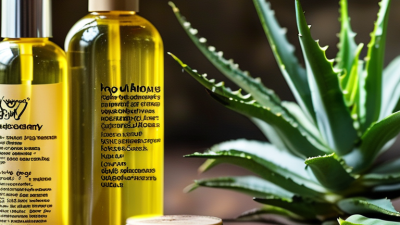
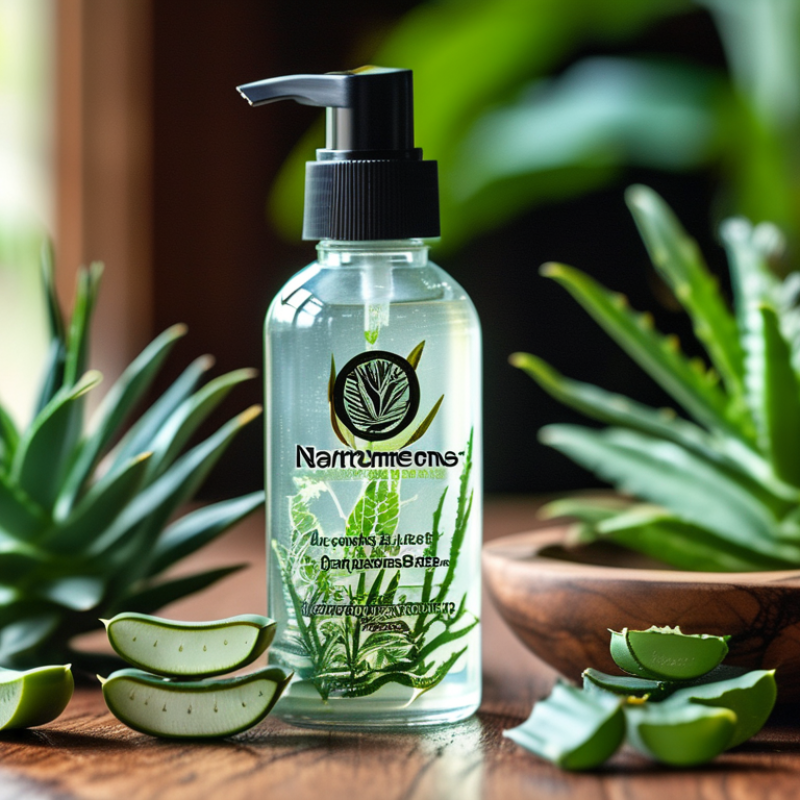
Natural ingredients can offer effective benefits. For instance, aloe vera is known for its soothing properties. It moisturizes hair and reduces dandruff. Similarly, coconut oil helps to hydrate hair, preventing breakage. Furthermore, tea tree oil is effective in combating scalp issues due to its antibacterial properties. These ingredients not only enhance hair health but also support environmental sustainability.
Tips: Always check ingredient labels. Look for products with high concentrations of natural components. Avoid items with synthetic additives that can harm your hair over time.
However, not all natural ingredients work for everyone. Some individuals might experience allergic reactions. Patch testing new ingredients is essential. A thorough understanding of your hair type will aid in selecting the right products, leading to better care tailored to your needs.
Benefits of Using Natural Ingredients for Hair Health
Natural ingredients have gained significant attention in the hair care industry. Many consumers are shifting towards products featuring these components. A recent survey indicated that over 70% of users prefer hair products containing natural ingredients.
The benefits of using natural ingredients in hair care are noteworthy. They typically provide essential nutrients that support healthy hair growth. Ingredients like aloe vera and coconut oil promote hydration and shine. Studies show that natural oils can reduce dandruff and enhance scalp health. Herbal Cosmetic Formulations often incorporate these elements for their healing properties. They help to alleviate issues such as irritation and dryness.
However, not all natural ingredients are universally beneficial. Some individuals may have allergies that cause reactions to specific botanicals. It's crucial to consider personal sensitivities. Choosing products based solely on "natural" claims can be misleading. Users should research ingredients carefully to understand their effects. Balancing the desire for natural with individual hair needs is key.
Popular Natural Oils and Their Effects on Hair
Natural oils have gained attention for their benefits in hair care. These oils are rich in nutrients and can address various hair concerns. Coconut oil is especially popular due to its deep conditioning properties. It penetrates hair strands easily, preventing dryness and reducing frizz. However, some find it too heavy for their hair type, leading to greasy results.
Argan oil is another favorite among those seeking shine and softness. Packed with antioxidants, it can help repair damaged hair. Yet, its effectiveness can vary depending on how it's applied. Too much can weigh hair down, negating its advantages.
Jojoba oil mimics the natural oils produced by our scalp. It can be ideal for those with oily hair. But, its lighter texture may not provide enough moisture for very dry hair.
Exploring these oils means understanding your hair's unique needs. Each oil has its own characteristics that may or may not suit you. Experimentation is crucial but can lead to finding the perfect match. Remember, what works for one person may not work for another. So, be mindful of how your hair responds to each ingredient.
Herbal Extracts: Nature’s Remedies for Common Hair Issues
Herbal extracts have become popular in hair care for their natural benefits. Ingredients like rosemary, aloe vera, and hibiscus are often used to address common hair issues. These plants offer vitamins and antioxidants that can promote healthier hair. Rosemary, for example, is known for stimulating blood circulation in the scalp. This can encourage hair growth and reduce hair loss.
In the realm of Cosmetic Chemistry Formulations, using herbal extracts requires skillful integration. Specialists must combine different extracts to target specific problems, such as dandruff or split ends. Aloe vera helps soothe irritated scalps while providing moisture. However, not all formulations achieve the desired effect. Variability in ingredient quality can impact results. This necessitates a thorough understanding of herbal properties and chemistry.
Nature provides remedies, yet they are not always flawless. Some individuals may experience allergic reactions to certain herbs. Proper patch testing is crucial. Furthermore, the efficacy of herbal extracts can vary based on hair type and condition. Professional guidance can help maximize benefits and minimize potential downsides. Awareness of individual responses is essential for effective hair care.
Natural Ingredients for Effective Hair Care Products
| Ingredient |
Common Uses |
Benefits |
Hair Type |
| Aloe Vera |
Moisturizing |
Hydrates and soothes the scalp |
All hair types |
| Rosemary |
Stimulating scalp treatment |
Promotes hair growth and improves circulation |
Thinning hair |
| Jojoba Oil |
Conditioning |
Mimics scalp's natural oils, reduces dryness |
Dry or oily hair |
| Tea Tree Oil |
Dandruff treatment |
Antimicrobial properties help with dandruff |
Oily and dandruff-prone hair |
| Lavender |
Relaxing hair rinse |
Soothes the scalp and reduces stress |
All hair types |
How to Choose Natural Ingredients for Hair Care Products
Choosing natural ingredients for hair care products can be a rewarding journey. You will discover various options that can enhance hair health. Focus on ingredients that provide nourishment and hydration. Look for oils, extracts, and butters that are derived from plants.
Tips: Check ingredient labels carefully. Ingredients like coconut oil and shea butter can deeply moisturize. Avoid products with synthetic additives. These chemicals may lead to scalp irritation and damage.
Always consider your specific hair type. Fine hair may benefit from lighter oils, while thick, curly hair often needs richer, heavier ingredients. Understanding your hair helps refine your choices. Remember, nature offers effective solutions without harsh chemicals found in many commercial products.
Stay informed about Cosmetic And Toiletry Formulations. Research the properties of different natural ingredients. Some may not work as expected, causing hair dryness or buildup. Experiment gradually to find what works best for you. Every head of hair is unique, and so are your needs.
DIY Hair Care Recipes Using Natural Ingredients
DIY hair care is gaining popularity. Many people seek natural ingredients for effective results. Studies indicate that 78% of consumers prefer products with recognizable ingredients. This trend reflects a growing awareness of hair health.
Using simple ingredients, you can create effective hair masks. Avocado, for example, is rich in fatty acids. It nourishes the scalp and promotes hair growth. Combine mashed avocado with honey for a soothing mask. Leave it on for 30 minutes. You may see noticeable changes, but results vary for each individual.
Another effective recipe includes coconut oil. It acts as a natural conditioner. Apply it directly to dry ends to reduce breakage. A survey showed that 60% of users noticed softer hair with regular coconut oil use. However, application technique matters. Too much oil can weigh hair down. Finding the right balance is essential for optimal results.
Environmental Impact of Natural vs. Synthetic Hair Care Products
The choice between natural and synthetic hair care products significantly impacts the environment. According to a report by the Environmental Protection Agency (EPA), synthetic processes often lead to higher greenhouse gas emissions. These emissions contribute to climate change and threaten ecosystems. Natural ingredients, however, generally have a lower carbon footprint. For instance, plant-based oils and extracts require less energy for production.
While natural hair care products are appealing, they are not without challenges. The sourcing of ingredients can lead to habitat destruction. For example, the palm oil industry has been linked to deforestation. Ethical concerns arise regarding ingredient sustainability. A study published in the Journal of Cosmetic Science highlighted that 30% of consumers prefer natural products but often overlook the environmental costs of sourcing.
Data from market research firm Statista shows that the global demand for eco-friendly personal care products is growing. However, there's a significant gap in consumer understanding of “natural.” Misleading labels can create confusion. It's essential to educate consumers on the meaning of "natural" in the Cosmetic&Personal Care Ingredients context. Awareness can lead to more responsible purchasing habits and, ultimately, a healthier planet.
Unlocking Beauty: The Impact of Natural Vegan Hydrolysed Rice Protein on Hair & Skin Health—Insights from Industry Reports
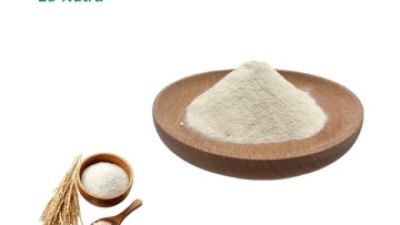
Natural vegan hydrolyzed rice protein has emerged as a game-changer in the beauty industry, particularly for hair and skin health. This innovative ingredient, characterized by its light yellow powder form and a molecular weight not exceeding 2,000 Dalton, is celebrated for its impressive protein content of over 80%. Its clear and transparent aqueous solution highlights its purity, making it an ideal choice for sensitive skin care and mild cleansing products.
The benefits of hydrolyzed rice protein extend far beyond its rich composition. Known for deep moisturizing and repairing properties, it also acts as a potent antioxidant, soothing irritated skin and promoting overall skin health. Its versatile applications in hair care products further emphasize its capability to nurture locks, delivering hydration and strength to each strand. To preserve its efficacy, this ingredient should be stored in cool and dry conditions, protected from direct sunlight and high humidity. As consumers increasingly seek natural and effective solutions for their beauty regimen, hydrolyzed rice protein stands out as a powerful ally in achieving vibrant hair and rejuvenated skin.
FAQS
: Natural ingredients provide essential nutrients that promote healthy hair growth and enhance scalp health.
Coconut oil hydrates hair, prevents dryness, and reduces frizz while promoting shine.
No, some individuals may have allergies, leading to reactions. Personal sensitivities must be considered.
Focus on options that offer nourishment. Choose oils and butters that match your specific hair type.
Not all products labeled as "natural" are beneficial. Researching ingredients is crucial to avoid misleading claims.
It is vital. Fine hair needs lighter oils, while thick, curly hair requires richer ingredients for optimal results.
Stay away from synthetic additives, as they can cause scalp irritation and hair damage.
Yes, each person's hair is unique. Experimentation can help find the right match for individual hair needs.
Using too much oil can weigh hair down and negate its benefits, causing greasiness instead of shine.
Research properties of ingredients and gradually try them to see how your hair responds to each.
Conclusion
The article titled "Natural Ingredients for Effective Hair Care Products?" explores the significance of using natural cosmetic ingredients for hair care formulations. It highlights an overview of various natural ingredients, emphasizing their numerous benefits for maintaining hair health, such as providing nourishment and reducing damage. Popular natural oils and herbal extracts are discussed, showcasing their effectiveness in addressing common hair issues like dryness and hair loss.
Furthermore, the article offers guidance on how to select suitable natural ingredients for hair care products and presents DIY recipes that allow individuals to create their own hair treatments at home. Lastly, it examines the environmental implications of choosing natural over synthetic hair care products, advocating for a more sustainable approach to beauty and hair care. Overall, integrating natural ingredients into hair care routines not only promotes healthier hair but also supports environmental well-being.