Leave Your Message
0%

Look, when it comes to pea protein vs rice protein for muscle growth, it's not really about pitting some 'superior' powder against a weak one. Honestly, both can do a decent job of helping you hit your daily protein goals—they just go about it differently. Pea tends to have more lysine, while rice brings a bit more sulfur-containing amino acids to the table. Put them together, and you've got a more complete plant-based combo. The little details are what matter, you know?

Okay, so this guide is all about China’s top 10 pea and rice protein options — but we’re not just going to take the front label at face value. Instead, we’re digging into what actually matters: protein per serving, ingredients, quality docs, taste, how well it dissolves, and real-world cost. You know that annoying clump that sinks to the bottom of your shaker? Yeah, we’re factoring that in too. And nobody wants a protein powder that tastes more like sweetener than, well, protein. Just a heads-up though: product specs can change, so treat this ranking as a starting point, not the final word. Always double-check the label or look up independent test results before you buy.

For Vegan Protein Muscle Building, the powder is really only one piece of the puzzle. Honestly, your total daily protein, how varied your meals are, how you train, and how consistent you stay all matter just as much—maybe more. Since everyone has different diets, budgets, and digestion quirks, it totally makes sense that different people would go with different products. So declaring a single winner? That’s not so neat. Honestly, a lot of these comparisons are more about marketing spin than actual numbers you can compare side by side—which is worth calling out. What I'm going for here is a down-to-earth, evidence-based look, not some guarantee that you'll see faster results.
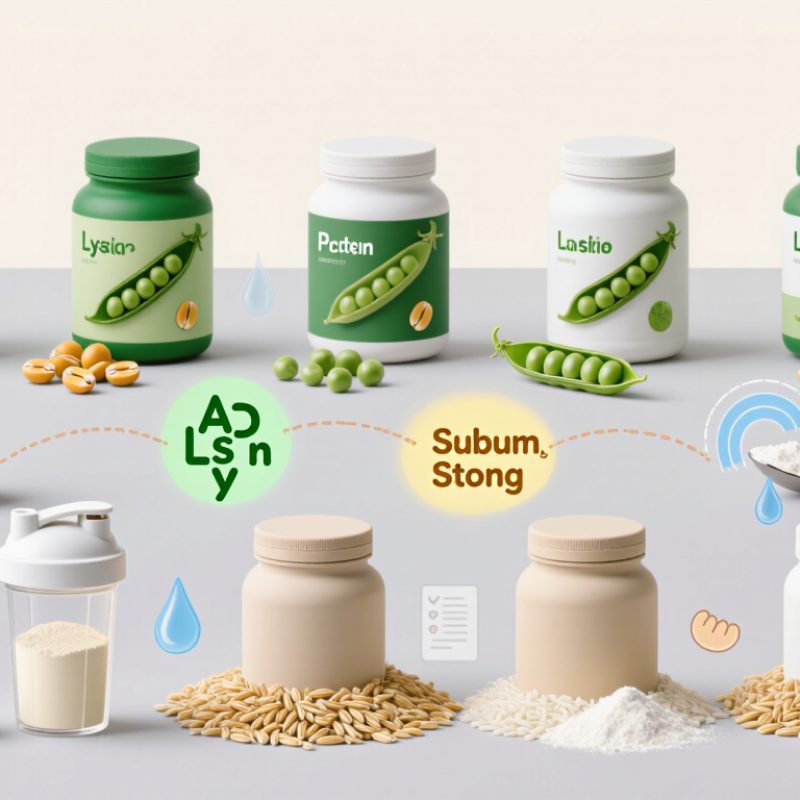
China Top 10 Pea Protein vs Rice Protein for Muscle Growth

What Are Pea Protein and Rice Protein?

Pea protein is usually extracted from yellow peas and dried into a powder. Rice protein is made by separating protein from milled rice. Both are plant-based options, but their amino-acid profiles differ. Pea protein generally provides more lysine, while rice protein tends to offer more methionine. Neither is automatically the better choice.

A 2018 peer-reviewed analysis by Gorissen and colleagues compared amino-acid profiles in commercial plant protein isolates, including pea and rice. The findings show why these ingredients should not be treated as interchangeable. The FAO’s 2013 protein-quality report recommends considering digestible essential amino acids, not protein grams alone. For Plant Based Protein Muscle Building, serving size, digestion, overall diet, and resistance training all matter. One caveat: processing can change a powder’s composition, so study samples may not exactly match the product in your kitchen.

Tips: Pair pea and rice proteins across meals for a broader amino-acid mix. Check protein per serving, too.

Sources: Gorissen et al., Amino Acids, 2018; FAO, Protein Quality Evaluation in Human Nutrition, 2013.

How Their Amino Acid Profiles Compare for Muscle Growth

Pea and rice proteins differ most in their limiting amino acids. Pea protein is generally rich in lysine but relatively low in sulfur-containing amino acids, including methionine. Rice protein tends to offer more methionine, but less lysine. The FAO’s 2013 protein-quality report recommends assessing digestible essential amino acids, rather than judging quality by protein grams alone. That distinction matters for muscle growth. A blend may help balance amino acids, but its value depends on digestibility, serving size, and the rest of the diet.

Evidence supports both sources, with caveats. In a 12-week resistance-training trial, Babault and colleagues (2015) found pea protein supplementation supported muscle-thickness gains, with outcomes comparable to whey in that study. Joy and colleagues (2013) reported similar strength and body-composition changes with rice and whey protein during training. These findings do not prove every product or dose performs equally. Training history, total daily protein, and study design can change results. A little uncertainty remains.

Tips: Check the amino-acid panel and serving size; aim for a substantial protein serving after training, not just a “complete” label. Pairing pea and rice can improve profile balance, though meals across the day matter too. Hydrolyzed Keratin For Hair Growth concerns hair-related marketing, not a proven muscle-building amino-acid strategy.

Pea vs. Rice Protein: Amino Acids for Muscle Growth

Representative amino acid content per 100 g of protein

These typical values show similar leucine levels in pea and rice protein, while pea protein generally provides more lysine and rice protein more methionine. Values vary with source and processing. Muscle growth also depends on total protein intake, overall diet, and resistance training.

How Digestibility and Serving Size Affect Protein Quality

When comparing China’s top pea and rice protein choices for muscle growth, look beyond the protein number on the front label. A scoop may weigh 30 grams but provide much less actual protein. Check the nutrition panel and compare products by grams of protein per serving. Serving size matters. A larger scoop can make a product look stronger without offering better protein quality. Pea protein is relatively rich in lysine, while rice protein tends to provide less. Their amino acid profiles can complement each other, though blends vary. Digestibility also differs between people. A powder that feels fine in water may still cause bloating after training.

Tips: Start with a modest serving and mix it with water. Notice fullness, gas, or stomach discomfort over several uses. Compare the same protein amount, not just scoop size. If you have dietary restrictions or ongoing digestive symptoms, seek guidance from a qualified professional. Small details count.

For muscle repair, total daily protein and a suitable resistance-training plan matter more than choosing a fashionable source. Spread protein across meals instead of relying on one oversized shake. The phrase “Collagen Peptides Hair Growth” refers to a different nutrition topic; collagen is not a complete protein and should not replace a balanced muscle-building protein source. Labels are useful, but they cannot predict how your body will respond. I would also avoid treating a “top 10” ranking as proof of superior digestibility; testing and personal tolerance matter.

China’s Top 10 Pea and Rice Protein Products

A China-focused top-ten shortlist should compare product formats, not claim an unsupported sales ranking. Consider pea protein isolate, pea concentrate, rice protein isolate, rice concentrate, and pea-rice blends. Also compare unsweetened powders, flavored powders, instantized powders, ready-to-drink beverages, and protein snack bars. Check protein per serving, ingredient lists, allergen statements, and amino-acid information. A scoop should dissolve without leaving a gritty layer, but texture alone cannot establish quality.

The FAO’s 2013 protein-quality report recommends DIAAS, which assesses digestible indispensable amino acids rather than protein content alone. Pea protein tends to provide lysine, while rice protein can complement its amino-acid profile; processing still matters. The International Society of Sports Nutrition’s 2017 position stand suggests 1.4–2.0 grams of protein per kilogram of body weight daily for exercising people. Needs vary, and a powder is only one food choice. Collagen Peptides And Hair Growth is a separate search topic, not evidence of muscle-building quality. Compare labels carefully; the ranking remains imperfect without transparent, independent product testing.

How to Choose the Right Protein for Your Training Goals

Choosing pea or rice protein should start with your training routine, diet, and digestion—not a “best” label. Muscle growth depends on progressive resistance training and enough total protein across the day. Many active adults can use 1.4–2.0 grams of protein per kilogram of body weight daily, adjusted for individual needs. Check the serving size: a scoop may weigh 30 grams but provide less protein. That matters. Pea protein generally supplies more lysine, while rice protein can help complement its amino acid profile. A blend may offer a broader mix, but compare the actual protein and leucine amounts on the nutrition panel.

Think about how you will use it. If you train before work, a shake stirred into oats may be easier than preparing breakfast. Pea protein can feel thick or earthy; rice protein may seem chalky in water. Small details, but they affect consistency. Try a single serving with water before buying a large container, especially if you have a sensitive stomach. I would not choose by flavor alone, though I have seen that preference decide whether a tub gets used. Pair either powder with regular meals, and spread protein across the day. A post-workout shake is convenient, not a narrow deadline. For a mostly plant-based diet, vary protein sources rather than relying on one powder for every meal.

China Top 10 Pea Protein vs Rice Protein for Muscle Growth - How to Choose the Right Protein for Your Training Goals

A practical comparison of ten selection factors for generic pea and rice protein ingredients. These are ingredient-level characteristics, not a ranking of manufacturers or products.

Comparison Factor Pea Protein Rice Protein What It Means for Training
1. Protein content Concentrates and isolates vary; check the nutrition panel for grams of protein per serving. Concentrates and isolates vary; check the nutrition panel for grams of protein per serving. Compare protein per serving rather than scoop size. Product composition and processing affect the amount.
2. Essential amino acids Provides all nine essential amino acids, but the relative amounts differ from animal proteins. Provides all nine essential amino acids, but the relative amounts differ from animal proteins. Both can contribute to daily protein intake. The amino-acid profile and serving size matter when planning a plant-based diet.
3. Limiting amino acid Methionine is typically the limiting amino acid in pea protein. Lysine is typically the limiting amino acid in rice protein. Combining complementary plant protein sources across meals can help broaden amino-acid intake.
4. Leucine Contains leucine; the amount depends on the ingredient and serving. Contains leucine; the amount depends on the ingredient and serving. Check the amino-acid information when available. A single serving’s leucine content is not identical across products.
5. Muscle-growth evidence Can support muscle growth when total protein intake, diet, and progressive resistance training are adequate. Can support muscle growth when total protein intake, diet, and progressive resistance training are adequate. No protein powder replaces training or sufficient daily nutrition; direct results depend on the overall program and diet.
6. Texture and taste May have a more earthy taste and a thicker or grainier texture, depending on processing. May have a mild or slightly cereal-like taste; texture varies by processing. Choose a powder you can use consistently in shakes, smoothies, or recipes.
7. Digestive tolerance Tolerance varies by person and formulation; some products include added ingredients that affect digestion. Tolerance varies by person and formulation; some products include added ingredients that affect digestion. Start with a modest serving if you are unsure, and review the full ingredient list.
8. Allergen considerations Pea is a legume. People with a known pea allergy should avoid it unless advised otherwise by a healthcare professional. Rice is a common alternative for some people avoiding other proteins, but rice allergy is possible. Check for allergens and cross-contact warnings on the specific product label.
9. Dietary compatibility Plant-derived and generally suitable for vegan diets when no animal-derived ingredients are added. Plant-derived and generally suitable for vegan diets when no animal-derived ingredients are added. Verify flavorings, sweeteners, and other ingredients if following a specific dietary pattern.
10. Choosing for your goal A practical option if you prefer its taste, tolerate it well, and the label provides the protein amount you need. A practical option if you prefer its taste, tolerate it well, and the label provides the protein amount you need. For muscle growth, prioritize consistent resistance training and adequate total daily protein; select the option that fits your diet and routine.

How to compare products: Review protein per serving, ingredient list, amino-acid information if provided, allergen statements, and serving cost. Values vary by product, so use the label rather than assuming a fixed composition for either protein source.

How to Use Pea and Rice Protein in a Muscle-Building Diet

For muscle growth, treat pea and rice protein as convenient foods, not shortcuts. Many active adults aim for roughly 1.4–2.0 grams of protein per kilogram of body weight daily, adjusted for training, body size, and health. A serving with 20–30 grams of protein after lifting can help meet that target, but exact timing matters less than consistent daily intake. Keep it simple.

Pea protein is often rich in lysine, while rice protein can supply more sulfur-containing amino acids. Using both across the day can broaden your amino acid intake, though every meal does not need a perfect blend. Stir pea protein into oatmeal, or blend rice protein with a banana and milk or a fortified alternative. Check the label for protein per serving, added sugar, and ingredients you may not tolerate.

Build meals around ordinary foods, too: beans with rice, tofu with vegetables, or eggs with toast if they fit your diet. Spread protein across meals rather than saving most of it for dinner. A shake is useful when lunch is rushed, but it may not keep you full like a meal. Pay attention to digestion and training progress; I would not assume one powder works equally well for everyone. Track intake for a few days, then adjust portions without chasing perfect numbers.

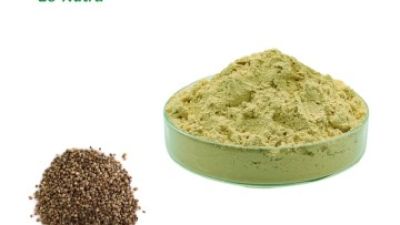
Hemp Seed Protein Powder: A Nutrient-Rich Guide to Muscle Recovery and Gut Health

Hemp seed protein powder is a plant-based ingredient for people looking to add protein to everyday meals and post-exercise routines. Made from *Cannabis sativa L.* seeds, it has a light green to brownish-green fine-powder appearance and a protein content of at least 50% on a dry basis. It provides essential amino acids that contribute to protein intake and help support muscle maintenance. Mixed into a smoothie or nutritional beverage after exercise, it can be a convenient part of a balanced recovery meal.

A varied, balanced diet also supports normal digestive health. Hemp protein powder can be incorporated into meal replacements, energy bars, bakery products, and other foods, making it easy to include in different eating plans. It is not a treatment for digestive conditions, and individual nutritional needs vary. For product buyers, available documentation includes a certificate of analysis, technical data sheet, allergen information, Non-GMO and Halal documents, and ISO 9001 certification. The powder is packed in a food-grade inner bag with an outer kraft paper bag, with 15 kg and 25 kg options and customized quantities available. A supplier with over 10 years of natural-ingredients industry experience may also provide payment options including T/T, Alibaba Assurance, Western Union, and PayPal.

FAQS

What are pea protein and rice protein?

Pea protein comes from yellow peas, while rice protein is separated from milled rice. Both are plant-based powders.

How do their amino-acid profiles differ?

Pea protein generally contains more lysine. Rice protein tends to provide more methionine. Neither is automatically better.

Can pea and rice protein support muscle growth?

Both have shown useful results in resistance-training studies. Results depend on serving size, total daily protein, digestion, and training. Not every product performs alike.

Does combining pea and rice protein help?

Pairing them can provide a broader mix of amino acids. The balance still depends on the amounts and the rest of your diet.

How much protein should active adults aim for?

Many active adults use about 1.4–2.0 grams per kilogram of body weight daily. Individual needs can differ.

What should I check on a protein powder label?

Check protein per serving, serving size, and amino-acid details such as leucine. A 30-gram scoop may contain less than 30 grams of protein.

Which powder may be easier to drink?

Pea protein can feel thick or earthy. Rice protein may taste chalky in water. Try a small serving first.

Do I need a shake immediately after training?

A shake can be convenient, but it is not a narrow deadline. Spread protein across meals. I still find that easy to overlook.

Conclusion

This guide explores Pea Protein Vs Rice Protein For Muscle Growth, explaining how these plant-based proteins differ and what their differences may mean for training and recovery. It compares their amino acid profiles, including how each contributes essential amino acids, and considers digestibility and serving size when assessing the protein you get from a meal or shake. The article also introduces ten pea and rice protein options available in China without focusing on brand names.

Choosing between the two depends on your goals, dietary preferences, and how each fits into your daily eating routine. The guide offers practical ways to select a protein for different training needs and incorporate it into a balanced muscle-building diet. It also considers using pea and rice proteins together as part of a varied approach to meeting daily protein needs.
Amelia

Amelia

Amelia is a dedicated professional marketing specialist with a deep commitment to promoting natural, healthy, and innovative raw materials. As an integral part of our team, she channels her extensive knowledge into researching and marketing products that significantly enhance the fields of......
Previous What Is a Supplement Contract Manufacturing Checklist?
Next Top 10 Protein Peptide Suppliers for Global Buyers