Navigating the world of supplements can honestly feel a bit overwhelming sometimes. That’s where a Private Label Supplement Manufacturer Guide really comes in handy—it's like your go-to resource, especially if you're sourcing products from all over the globe. Understanding Supplement Components is super important when you're trying to pick the right manufacturer. After all, each ingredient has to match what your customers need and what the market is craving right now.
Nowadays, choosing a manufacturer isn’t just about getting the lowest price. You’ve got to think about quality, reputation, and whether they follow industry standards. Do some digging into their background—check out what they’ve done before, their experience with private label supplements, that kind of stuff. This way, you’re more likely to find a partner you can trust.
And let’s not forget about quality control—it's a biggie. Some manufacturers just don’t cut it, which can lead to products that aren’t up to par. Always ask for samples so you can see for yourself before committing. Take your time and really think through your options. The right manufacturer can do wonders for your brand, but a bad choice could hold you back. So, do your homework, and make sure you’re partnering with someone who really gets it.
Understanding Private Label Supplements: An Overview for Buyers
Private label supplements offer unique opportunities for buyers seeking to enter the health and wellness market. Understanding the basics can empower you as a buyer. These products are manufactured by one company but sold under another brand's label. This arrangement allows businesses to create customized products without extensive manufacturing capabilities.
Choosing the right manufacturer is crucial. Look for firms with a strong background in quality control and ingredient sourcing. Certifications, such as GMP or NSF, indicate a commitment to safety and quality. However, not all manufacturers hold these certifications. Examine production processes to ensure reliability. Your choice can directly impact the brand's reputation.
The private label market is competitive. Buyers must ask tough questions. What are the lead times? How flexible are they with formulation changes? These inquiries often reveal underlying issues or challenges. Also, consider potential discrepancies in lead times. Underestimating demand can lead to stock shortages, while overestimating can lead to excess inventory. Balancing these aspects is crucial for successful market entry.
Key Factors to Consider When Choosing a Supplement Manufacturer
When selecting a private label supplement manufacturer, several key factors come into play.
Quality assurance is paramount. A reliable manufacturer should provide certifications such as GMP (Good Manufacturing Practices). This indicates their commitment to producing safe and effective products. Also, look for third-party testing to ensure that each supplement meets its labeled potency.
Another important consideration is the manufacturer's experience in the industry. A seasoned manufacturer understands market trends and customer demands. They can lend valuable insights into formulation, packaging, and branding. Some manufacturers may offer limited expertise, which could lead to compliance issues down the line.
Communication and support are critical too. A responsive manufacturer makes the process smoother. It is essential to feel comfortable discussing your ideas and concerns. Ask about their flexibility in meeting your needs. A manufacturer that is not adaptable may limit your ability to innovate. Be mindful of these facets during your decision-making process.
Quality Control and Compliance in Private Label Supplement Production
When venturing into private label supplement production, quality control and compliance are paramount. The global dietary supplement market is expected to reach $230.73 billion by 2027, according to Fortune Business Insights. With this growth comes greater scrutiny. Compliance with industry regulations is non-negotiable in ensuring product safety and efficacy.
Manufacturers must implement stringent quality control measures throughout production. This includes regular testing of raw materials and finished products. A study by the Journal of Food Science found that 50% of supplement labels did not accurately reflect their ingredient content. This statistic highlights the risks in the sector and the need for reliable manufacturing partners. Buyers should verify that manufacturers adhere to Good Manufacturing Practices (GMP) and third-party certifications.
Even with established protocols, challenges persist. Contamination and mislabeling can still occur, posing risks to consumers. As the industry evolves, companies must adapt and prioritize transparency. The commitment to quality and compliance not only safeguards buyers but also builds trust in the private label market.
Packaging and Branding Options for Private Label Supplements
When creating private label supplements, packaging and branding play a crucial role. Innovative designs can attract attention on crowded shelves. A well-thought-out package tells a story about the product inside. Sustainable materials are becoming popular. They resonate with eco-conscious consumers. Bright colors and unique shapes can enhance visibility. However, not every design fits every product.
Choosing the right branding can be challenging. It should align with the target market's values and needs. Logos, fonts, and colors create an identity. Original designs build trust among consumers. However, some brands may overlook market research. This can lead to mismatched identities that don't resonate. Understanding your consumers is essential for effective branding.
The formulation is just as important as the design. Each Supplement Ingredient should serve a specific purpose. Transparency in sourcing ingredients builds customer loyalty. However, finding reliable suppliers can be difficult. It’s essential to establish partnerships with trustworthy manufacturers. Quality checks and ingredient certifications matter more than you think. Ultimately, the goal is to create a product that consumers recognize and trust.
Navigating Global Regulations for Dietary Supplements
Navigating global regulations for dietary supplements can be challenging for buyers. Each country has specific rules. Understanding these can save time and resources.
Compliance with the Health Supplement Actives is crucial. Many regions have strict guidelines about what can be included in dietary products. Researching country-specific regulations helps avoid costly mistakes.
Tips: Always check for local certifications. Consult experts in regulatory affairs when needed. Building relationships with local authorities can ease the process.
Documentation is key. Keep all records organized and updated. Miscommunication can lead to delays. Be prepared for inspections or audits from health agencies.
Navigating this landscape can feel daunting. However, remaining informed and flexible will help in overcoming obstacles. Each market has unique challenges worth exploring.
Cost Considerations and Pricing Strategies for Buyers
When considering private label supplements, cost and pricing strategies play a crucial role. Global buyers need to conduct thorough research on ingredient sourcing. For instance, B12 Supplement Ingredients can vary widely in quality and cost. Reports show that premium sources for B12 can increase overall product pricing by 20-30%. Thus, understanding these costs is essential for competitive pricing.
Buyers should also consider production scale. Large orders often reduce manufacturing costs. However, there’s a risk in overcommitting to high volume without assured demand. Industry data indicates that 40% of small supplement businesses struggle with inventory management. This can lead to excess stock and wasted resources.
Lastly, transparency from manufacturers is vital. Buyers should seek manufacturers that provide clear ingredient sourcing details. A recent study revealed that 65% of consumers prioritize quality and origin over cost when choosing supplements. Balancing quality and pricing requires careful strategy and market insight. Failure to do so could impact brand reputation and sales.
Building Strong Partnerships with Supplement Manufacturers
Building strong partnerships with supplement manufacturers is vital for success in the health industry. Many global buyers often overlook the significance of choosing the right manufacturer. This selection process can be complex, influenced by factors like quality, communication, and reliability. Manufacturers must share similar values and visions. Trust isn’t built in a day; it takes time and effort.
When considering partnerships, transparency is crucial. A good manufacturer should be open about their sourcing practices and the Nac Supplement Ingredients they use. This type of information fosters trust and reduces uncertainties. It’s essential to ask questions and discuss expectations upfront. This dialogue helps align both parties’ goals.
Buyers should not ignore the importance of due diligence. Researching manufacturers’ backgrounds can prevent future challenges. Reviews and testimonials are informative, but they may lack context. Buyers need to reflect on their own practices and be prepared for potential setbacks. The ideal partnership is built on mutual respect and a shared commitment to quality.
Private Label Supplement Manufacturer Data
| Manufacturer Location |
Product Categories |
Minimum Order Quantity |
Lead Time |
Certifications |
| United States |
Vitamins, Protein Powders, Energy Supplements |
500 Units |
4-6 Weeks |
GMP, NSF, Organic |
| Canada |
Herbal Supplements, Omega-3, Probiotics |
300 Units |
3-5 Weeks |
Natural Ingredients, Non-GMO |
| Germany |
Sports Nutrition, Weight Loss, Supplements |
1000 Units |
5-7 Weeks |
HACCP, Vegan |
| United Kingdom |
Pre-workout, Vitamins, Minerals |
400 Units |
6-8 Weeks |
ISO, BRC |
| Australia |
Beauty Supplements, Joint Support, Detox |
250 Units |
2-4 Weeks |
Kosher, Halal |
Exploring the Benefits of S-Adenosyl Methionine Powder for Mood Balance and Mental Well-Being
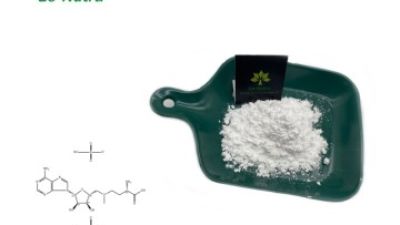
S-Adenosyl Methionine (SAM-e), a naturally occurring compound in the body, has gained attention for its potential benefits in improving mood balance and enhancing mental well-being. With various names including S-adenosylmethionine and Ademetionine, this white crystalline powder is often utilized as a food supplement and in pharmaceutical products. SToring SAM-e properly in a sealed and dried environment at temperatures between 2 to 8℃ ensures its efficacy is maintained.
One of the remarkable attributes of SAM-e is its ability to support liver function, making it suitable for individuals facing liver-related challenges such as pre-cirrhosis and gestational intrahepatic cholestasis. Furthermore, it has shown promise in alleviating symptoms of osteoarthritis and depression. This diverse range of applications highlights SAM-e's role not just in physical health but also in fostering emotional well-being. As individuals seek natural solutions for mood-related issues, incorporating SAM-e into their wellness routines may offer a gentle yet effective approach to achieving a balanced state of mind.
FAQS
: Private label supplements are products made by one company and sold under another's brand.
The right manufacturer affects product quality and brand reputation. Quality control and ingredient sourcing are key.
Look for certifications like GMP or NSF. These indicate a commitment to safety and quality standards.
Misjudging lead times can cause stock shortages or excess inventory. Balance is crucial to meet market demand.
Ask about formulation changes and flexibility. These questions can reveal potential challenges in the partnership.
Experienced manufacturers understand market trends. Their insights help avoid compliance issues and improve product development.
Larger orders can reduce costs, but overcommitting can lead to excess stock. This risk must be managed carefully.
Good communication facilitates smoother processes. You should feel comfortable addressing ideas and concerns with your manufacturer.
Buyers must research ingredient costs thoroughly. Pricing must balance quality and market competitiveness to avoid losses.
Transparency in ingredient sourcing builds trust. Many consumers prioritize quality over cost when choosing supplements.
Conclusion
The "Private Label Supplement Manufacturer Guide" serves as a comprehensive resource for global buyers interested in the burgeoning market of private label supplements. The guide begins by providing an overview of private label supplements, highlighting their growing appeal among consumers and businesses alike. It outlines key factors to consider when selecting a manufacturer, emphasizing the importance of quality control and compliance with industry standards to ensure product safety and efficacy.
Further, the guide delves into packaging and branding options that can enhance product visibility and marketability. Buyers must also be aware of the various global regulations governing dietary supplements, which vary across regions. Cost considerations and effective pricing strategies are discussed to help buyers make informed financial decisions. Lastly, the guide emphasizes the significance of building strong partnerships with manufacturers to foster collaboration and mutual success in the competitive supplement industry.