You know, the biopharmaceutical industry has really taken off in recent years! One of the exciting drivers of this growth is the newfound appreciation for Small Peptides. These little guys are turning out to be key players in developing new therapies. A recent report from MarketsandMarkets even predicts that the global peptide therapeutics market could hit a whopping $41.7 billion by 2025! That's pretty impressive, right? It really shows just how important Small Peptides are in tackling various health issues, from metabolic disorders to cancer.
 What’s even cooler is that these versatile molecules can boost a drug's effectiveness while keeping side effects at bay. So, it’s no wonder they’re at the heart of so much innovative research. Here at Xi'an Le-Nutra Ingredients Inc, we’re all about producing high-quality, natural raw materials, including these Small Peptides.
We’re just trying to meet the growing needs of the nutraceuticals, food and beverage, and cosmetics industries. As the market keeps evolving, I truly believe that by leveraging our expertise in peptide production, we can explore new opportunities for collaboration and growth in this ever-changing landscape.
We’re dedicated to embodying our promise of 'China Quality Manufacturing, Your Global Partner.'
The Significance of Small Peptides in Biopharmaceutical Innovations
You know, small peptides have really become key players in the biopharmaceutical world. It’s fascinating how these tiny chains of amino acids are making waves in drug development and therapy. They have some pretty unique biological activities that can be tapped into for crafting targeted treatments for all sorts of diseases. Their knack for modulating complex biological pathways puts them front and center when it comes to tackling pressing medical challenges—especially in areas like cancer treatment, metabolic disorders, and autoimmune diseases.
What’s even cooler is that the variety and specificity of small peptides allow scientists to design molecules that are super selective, which means they can really honk down on minimizing off-target effects. This precision not only boosts treatment efficacy but also helps reduce those pesky side effects, which is a big deal when choosing treatments today. As we see more advancements in how we synthesize and modify these peptides, the market is set to explode, opening the door for innovative solutions and really improving outcomes for patients across a wide range of health issues.
What is the Role of Best Small Peptides in Modern Biopharmaceuticals and Their Market Growth
| Parameter |
Value |
| Global Small Peptides Market Size (2023) |
$10.5 Billion |
| Projected CAGR (2023-2030) |
9.5% |
| Key Applications |
Therapeutics, Diagnostics, Drug Delivery |
| Major Therapeutic Areas |
Cancer, Diabetes, Cardiovascular Diseases |
| R&D Investment Growth (2022-2023) |
15% |
| Regulatory Approvals in 2022 |
35 New Approvals |
| Key Market Drivers |
Increased Demand for Targeted Therapies, Aging Population |
| Challenges |
High Development Costs, Stringent Regulations |
China's Leading Role in the Global Small Peptide Manufacturing Landscape
You know, China is really stepping up its game in the small peptide manufacturing scene. It’s become a big player in the global biopharmaceutical industry. With tons of investment in research and development and a solid supply chain, it's no wonder that the country is leading the charge when it comes to producing top-notch small peptides. Chinese companies are getting pretty innovative with their peptide synthesis techniques, which is making production not just more efficient, but also scalable. That’s a game changer!
And let’s not forget about the booming demand for small peptide therapeutics. They're super important in treating a bunch of different diseases, and this demand is seriously driving China's market growth. What’s cool is that local manufacturers are not just keeping things for themselves; they’re also exporting their products all over the world. This shows that there’s growing trust in China’s biopharmaceutical capabilities.
Thanks to supportive government policies and a push for international collaborations, Chinese firms are really setting new benchmarks in peptide production. They’re making a huge contribution to the overall advancement of the biopharmaceutical industry, and it’s exciting to watch this all unfold!
Market Trends Driving the Growth of Small Peptides in Biopharmaceuticals
You know, the small peptide market in the biopharmaceutical world is really taking off lately! It’s not just a fad; there are some solid market trends pushing this growth. For instance, a recent report shows that the global analysis instruments market is set to jump from about $55.94 billion in 2024 to a whopping $74.33 billion by 2033. That’s a pretty impressive compound annual growth rate (CAGR) of 3.21% if you’re into that sort of thing. This boom really highlights how much we’re leaning on advanced analytical methods when it comes to developing and producing small peptides.
On top of that, take a look at the demand for GLP-1 analogs, like semaglutide – it's a clear sign of how quickly the peptide-based therapeutics market is evolving. And wow, the competition is fierce, especially with local alternatives popping up everywhere. So, it’s crucial for companies to ramp up their production capabilities to keep up with this skyrocketing demand. As everyone races to take advantage of these trends, it looks like the small peptide microarray market is poised to thrive too, thanks to some exciting advancements in antibody discovery and a whole range of uses in pharmaceuticals and diagnostics. All these factors really emphasize just how important small peptides are becoming in modern biopharmaceutical development, especially when it comes to tackling chronic diseases effectively.
Market Trends Driving the Growth of Small Peptides in Biopharmaceuticals
Challenges and Opportunities in the Small Peptide Market
The market for small peptides is really taking off these days! With the growing demand for targeted therapies and biologics, it’s no wonder things are booming. But, like any blossoming field, it’s got its fair share of bumps in the road. One big challenge? The whole process of synthesizing and purifying these peptides can be pretty complicated, which can slow things down when it comes to producing high-quality stuff. Unfortunately, that often means higher costs and longer timelines for companies trying to roll out innovative new peptide therapies.
But hey, it’s not all doom and gloom! There’s a ton of potential in the small peptide space. Chronic diseases are on the rise, and personalized medicine is becoming a real priority. This is really spurring on investment and research into cutting-edge peptide therapeutics. Plus, we’re seeing some cool advancements in technologies like peptide synthesis and bioinformatics, which are helping to create more effective and stable peptide drugs.
And as regulations shift and adapt, they could open up even more doors for small peptide innovations, which is pretty exciting! It’s all about navigating the challenges while seizing the opportunities – that’s going to be crucial for everyone involved in this ever-evolving market.
Future Prospects: Emerging Applications of Small Peptides in Medicine
 You know, in the past few years, small peptides have really taken the spotlight in the biopharmaceutical world, and it’s easy to see why. These little guys are pretty amazing! They can actually help regulate various biological processes, which opens up a ton of possibilities for treating all sorts of health issues like metabolic disorders, cancer, and even infections. One of the coolest things about them is their size; they can penetrate tissues better and have improved bioavailability compared to the larger protein therapeutics we often hear about. That’s exactly why drug developers are so keen on them. This field is really booming, with more and more investments and research popping up, and it’s all leading to some innovative solutions that could really improve patient outcomes.
At Xi'an Le-Nutra Ingredients Inc, we totally get how transformative small peptides can be for both the nutraceutical and pharmaceutical industries. Our focus on research and producing top-notch natural ingredients keeps us right at the front of this evolving market. As the need for effective and safe therapeutic options continues to grow, we're all about finding new ways to offer cutting-edge peptide-based solutions that meet the needs of pharmaceuticals, cosmetics, and nutraceuticals. Honestly, the future looks super bright with small peptides stepping in as key players in the next generation of medical therapies!
The Impact of Regulatory Frameworks on Small Peptide Development and Export
When it comes to developing small peptides, the regulatory landscape is super important in shaping the world of biopharmaceuticals. A report from Grand View Research reveals that the global market for peptide therapeutics is expected to hit around $44.67 billion by 2025, and a big part of that growth is thanks to the rising number of regulatory approvals for peptide-based drugs. Regulatory bodies like the FDA and EMA have set up pathways that speed up the approval process for new peptide therapies, making sure patients stay safe while still pushing for innovation among biopharma companies.
On top of that, exporting small peptides really hinges on how well companies stick to international regulations. A study by Frost & Sullivan pointed out that following Good Manufacturing Practices (GMP) and keeping up with tight quality control measures are crucial for businesses looking to break into the market. It can be quite a challenge for companies trying to navigate the tricky regulatory landscape, especially if they want to expand into Europe and North America. But you know what? This kind of regulatory diligence ultimately builds trust and reliability in biological products, setting the stage for ongoing growth in global peptide exports.
Enhancing Skin Health: The Impact of Premium Soybean Peptide Powder on Cosmetic Formulations and Consumer Trends
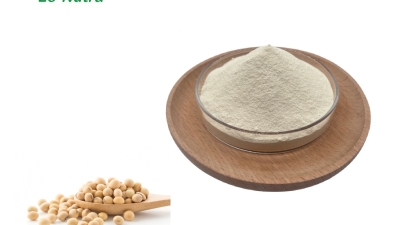
The beauty and skincare industry has been experiencing a significant transformation with the introduction of premium ingredients that enhance skin health. Among these, Hydrolyzed Soy Protein Powder, derived from Glycine max (L.) Merr, stands out as a powerful component in cosmetic formulations. Its unique properties, such as a molecular weight of less than 2000Da and a protein content exceeding 98%, make it an ideal candidate for a variety of beauty products. This light yellow powder is not only soluble in water, creating a clear liquid without visible impurities, but also boasts a range of active ingredients that provide skin-nourishing benefits.
Consumers are increasingly leaning towards products that not only improve their appearance but also contribute to their overall well-being. Hydrolyzed Soy Protein Powder serves this dual purpose effectively. Its fast-acting nature and ability to maintain enzyme stability enhance its usability in formulations ranging from hand sanitizers to hair conditioners. Additionally, the ingredient is known for promoting digestion and tackling health issues such as heart disease and obesity, aligning perfectly with the rising consumer trend of prioritizing wellness in their beauty routines. As brands continue to innovate, incorporating such nutrient-rich ingredients will likely shape the future of skincare, appealing to health-conscious consumers desirous of effective and holistic beauty solutions.
FAQS
: The growth is driven by increasing demand for advancements in analytical methods, competition in peptide-based therapeutics, particularly GLP-1 analogs, and the expansion of the small peptide microarray market.
The global analysis instruments market is projected to grow from $55.94 billion in 2024 to $74.33 billion by 2033, with a CAGR of 3.21%.
Small peptides can better regulate biological processes and have superior tissue penetration and bioavailability compared to larger protein therapeutics, making them suitable for addressing chronic diseases like metabolic disorders and cancer.
They are used for various applications including treating metabolic disorders, cancer, and infections due to their regulatory effects on biological processes.
They focus on research and production of high-quality natural ingredients, positioning themselves to provide innovative peptide-based solutions for pharmaceuticals, cosmetics, and nutraceuticals.
The future looks promising as small peptides are increasingly recognized as vital components in next-generation medical therapies, spurring innovative therapeutic solutions to enhance patient outcomes.