Leave Your Message
0%

So, you're looking to source dietary supplement ingredients from China, huh? It’s not just about comparing supplier prices — there’s a bit more to it. You really need a solid process for checking quality, documentation, manufacturing capabilities, and how smoothly you can communicate. China’s got a huge network of ingredient producers — from big GMP-certified factories to smaller, specialized ones. The real differences usually show up in how traceable they are, how consistent their tests are, and how responsive they are to questions.

Start by putting together detailed specs for your product. Make sure you specify the ingredient name, source, potency, purity, allergens, packaging details, shelf life, and what market you’re targeting. Ask for the latest Certificate of Analysis, specs, safety info, and production details. Good suppliers won’t shy away from explaining their testing methods — that’s a good sign. It’s also smart to have an independent lab do testing to verify identity, heavy metals, microbial limits, pesticides, and other key factors. Trust me, that’s not just a nice-to-have, it’s essential.

When verifying suppliers, consider things like facility audits, testing samples yourself, reviewing batch records, and checking references from other buyers you trust. Sure, platforms like Alibaba can help you find potential partners, but don’t rely on profiles alone — they don’t prove everything. A visit to the factory, a video tour, or using a qualified third-party inspector can give you a real feel for how things actually operate — stuff like cleanliness, labeling control, etc. Those little details matter. But hey, no sourcing plan is perfect. Sometimes documents are missing, samples might look better than later batches, and translation errors happen. The trick is to put controls in place to handle these hiccups.

Another thing to keep in mind: make sure the supplier can handle exports well, their packaging protects the goods, payment terms are clear, lead times are realistic, and all import requirements are covered. Be wary of suppliers making big health claims or offering vague materials — it’s a red flag. When needed, team up with experienced quality folks and customs experts to help navigate the process. Remember, your goal isn’t just to find cheap ingredients. It’s about creating a transparent supply chain that upholds quality, keeps consumers safe, and builds your business’s credibility over the long haul.
How to Source Dietary Supplement Ingredients from China?

Understanding China’s Dietary Supplement Ingredient Market

China’s dietary supplement ingredient market is broad, but it is not uniform. It includes botanical extracts, vitamins, minerals, amino acids, probiotics, and functional powders. Each category has different testing needs. Botanical materials may require identity testing and pesticide screening. Probiotic ingredients need careful control of strain identity, moisture, and storage temperature. Price alone is a poor guide.

Buyers seeking to Boost Dietary Supplement Ingredients should examine the supplier’s technical records before negotiating volume. Request a current specification, certificate of analysis, allergen statement, and traceability information. Confirm the actual manufacturing site, not only the trading office. A clean production floor matters, but documented procedures matter more. Ask how raw materials are approved and how rejected batches are handled. Small details matter.

Samples should be tested independently before a purchase order is issued. Compare the sample with the proposed production batch, because consistency can fail quietly. I once viewed fast communication as proof of reliability; that assumption was weak. Prompt replies cannot replace validated methods, stable documentation, and realistic lead times. Buyers should also review packaging, labeling, export records, and storage conditions. Some suppliers communicate well but struggle with change control. Others provide excellent laboratory data but explain delays poorly. A written quality agreement can expose these gaps before money and time are committed.

Defining Ingredient Specifications and Regulatory Requirements

How to Source Dietary Supplement Ingredients from China?

Ingredient specifications should be fixed before requesting quotations. Define botanical Latin names, plant parts, extraction ratios, assay methods, carriers, and acceptable variation. Add limits for heavy metals, pesticides, microbes, mycotoxins, allergens, and residual solvents. A clean certificate of analysis is not proof of a clean supply chain. Ask for batch-specific testing, raw-material traceability, stability data, and sample retention procedures. In practical sourcing, one overlooked carrier can change labeling and regulatory status. It happens.

Regulatory requirements depend on the destination market, not only the manufacturing location. For the United States, suppliers should support 21 CFR Part 111 records, identity testing, complaint procedures, and, when applicable, New Dietary Ingredient notification evidence. China’s applicable food standards, export documentation, and production controls also require review.

The 2024 Council for Responsible Nutrition Consumer Survey reported that 75% of U.S. adults use dietary supplements, raising pressure for consistent quality. WHO estimates that contaminated food causes about 600 million illnesses worldwide each year. That figure is broader than supplements, but the lesson remains relevant: preventive controls matter.

Request an allergen statement, country-of-origin declaration, change-control policy, and recent audit evidence. Do not accept “GMP certified” as a complete answer. Check the certificate’s scope, issuing body, expiration date, and audited site. Specifications should be reviewed by regulatory and quality professionals before contract approval, because a technically strong formula may still fail a market-specific requirement.

Finding and Screening Qualified Chinese Suppliers

How to Source Dietary Supplement Ingredients from China?

Finding qualified Chinese suppliers requires more than comparing prices. According to the 2023 Council for Responsible Nutrition Consumer Survey, 74% of U.S. adults used dietary supplements. This demand increases pressure on quality systems and supply continuity. Begin with the supplier’s legal registration, manufacturing scope, export history, and facility address. Request current GMP, HACCP, or ISO 22000 certificates, then verify them with the issuing body. A certificate is evidence, not proof.

Begin with the supplier’s legal registration, manufacturing scope, export history, and facility address.

Ask for a recent certificate of analysis, specification sheet, allergen statement, and full batch traceability record. Test identity, potency, microbiology, pesticides, solvents, and heavy metals through an independent laboratory. China’s National Health Commission and international pharmacopoeial methods can support method selection, but methods must match the ingredient. Robust Dietary Supplement Ingredients require consistent results across several batches, not one attractive sample.

Visit the facility when possible. Check raw-material quarantine areas, calibration labels, cleaning records, and temperature logs.

Speak with quality personnel, not only sales staff. The 2024 Global Dietary Supplements Market Report by Grand View Research projects continued market expansion, yet market growth does not guarantee supplier maturity. Shortcuts fail.

I would also request two or three commercial-scale batches before approval. Compare particle size, odor, color, assay, and packaging integrity. A polished audit can still miss weak deviation handling. That is an uncomfortable limitation. Keep a written risk score for quality, capacity, documentation, and communication. Reassess it after every shipment.

Verifying Manufacturing Standards, Certifications, and Testing

Sourcing Dietary Components from China requires more than comparing prices. I examine the factory’s manufacturing standards, production records, and quality procedures before discussing volume. A valid GMP certificate should show the facility address, covered products, issuing body, and expiration date. ISO 22000 and HACCP records can provide additional evidence of food safety controls. Certificates alone are not enough.

I request recent batch documents, including specifications, a Certificate of Analysis, and full ingredient traceability. The COA should identify the testing method, laboratory, batch number, and test date. Independent laboratories should verify identity, potency, microbiological limits, heavy metals, pesticides, and residual solvents when relevant. Keep samples.

A factory audit reveals details that documents may hide. I check cleanliness, calibrated equipment, pest control, staff hygiene, and labeled storage areas. I also compare retained samples with shipped materials. During one review, a neat report did not match an unclear warehouse label. That small gap deserved investigation. No verification system is perfect, so I record unanswered questions and require corrective actions with deadlines. Supplier communication matters too. Technical staff should explain deviations clearly, not simply resend certificates. Regular testing remains necessary, even after a successful initial approval.

How to Source Dietary Supplement Ingredients from China? - Verifying Manufacturing Standards, Certifications, and Testing

Verification Dimension What to Verify Relevant Standard or Document Typical Evidence to Request Acceptance Considerations
Supplier Qualification Confirm the legal identity, manufacturing address, product scope, and whether the supplier is a manufacturer, trader, or both. Chinese business registration records; relevant food or health-food regulatory records where applicable. Business license, production information, facility address, organization chart, and current product list. The contracting entity, manufacturing site, invoices, quality documents, and shipment documents should be consistent.
Food Safety Management System Evaluate hazard analysis, prerequisite programs, traceability, corrective actions, and management review. ISO 22000:2018 or FSSC 22000; HACCP principles. Valid certificate, certification scope, audit report or summary, and evidence of corrective-action closure. The certificate should cover the actual ingredient, process, and manufacturing site rather than an unrelated activity.
Good Manufacturing Practice Review controls for personnel hygiene, sanitation, equipment, production records, deviations, complaints, and recalls. Applicable Chinese food production hygiene requirements; Codex General Principles of Food Hygiene; customer GMP requirements. GMP audit report, sanitation procedures, batch records, environmental-monitoring records, and recall procedure. Use a risk-based audit. Powder handling, botanical extraction, fermentation, and encapsulation may require different controls.
China Food Hygiene Requirements Check facility hygiene, water quality, production-area zoning, pest control, and employee health controls. GB 14881, General Hygienic Regulation for Food Production. Internal hygiene audit, water-test reports, pest-control records, cleaning validation, and zoning plan. Verify that records are current, attributable, reviewed, and linked to the relevant production area.
Product Specification Define identity, source, physical form, assay, moisture, particle size, additives, allergens, and storage conditions. Approved product specification and agreed certificate-of-analysis requirements. Signed specification, technical data sheet, safety data sheet where relevant, and controlled revision history. The specification should state numerical limits, test methods, sampling plans, and retest or expiry requirements.
Identity and Authenticity Confirm that the material is the declared ingredient and detect substitution, adulteration, or undeclared blending. Pharmacopoeial monograph, validated in-house method, microscopy, chromatography, or DNA testing as appropriate. Identity test results, chromatograms or spectra, reference-standard information, and raw laboratory data when required. Choose the method according to the ingredient. DNA testing may not be suitable for highly purified or heavily processed materials.
Assay and Potency Measure the declared active constituent, marker compound, vitamin, mineral, or standardized extract content. Validated HPLC, GC, ICP-MS, titration, or applicable official monograph method. Certificate of analysis, method reference, result units, uncertainty where relevant, and batch number. Compare the result with the agreed specification and account for moisture, potency basis, and method variability.
Microbiological Safety Assess total microbial count, yeast and mold, and specified pathogens according to product risk. Applicable national or pharmacopoeial microbiological methods; product-specific limits. Microbiological test report, sampling date, laboratory method, batch number, and result limits. High-moisture, botanical, dairy-derived, and fermentation ingredients generally require a tailored microbiological risk assessment.
Heavy Metals and Contaminants Check lead, arsenic, cadmium, mercury, and other contaminants relevant to the raw material and process. GB 2762, Maximum Levels of Contaminants in Foods; destination-market requirements. ICP-MS or equivalent report, analyte list, detection limits, and sample preparation information. Limits vary by ingredient category and destination market; do not rely on a generic “heavy metals pass” statement.
Pesticide Residues Evaluate residues in herbs, botanicals, agricultural materials, and products with a known farming origin. GB 2763, Maximum Residue Limits for Pesticides in Foods; importing-country pesticide requirements. Multi-residue screening report, analyte scope, reporting limits, and laboratory accreditation details. The test panel should reflect the crop, growing region, extraction process, and legal requirements of the destination country.
Mycotoxins and Natural Toxins Assess aflatoxins, ochratoxin A, or other toxins where the material is vulnerable to mold or contamination. GB 2761, Maximum Levels of Mycotoxins in Foods; relevant destination-market limits. Mycotoxin test report, sampling plan, storage records, and results for the applicable toxin panel. Sampling is critical because mycotoxins can be unevenly distributed within a lot.
Residual Solvents Determine whether solvents were used during extraction, purification, crystallization, or processing. ICH Q3C principles and applicable destination-market requirements; process-specific specifications. Solvent-use declaration, GC test report, process flow, and validated removal controls. Testing should cover solvents actually used, not only a standard generic panel.
Allergen and GMO Status Identify intentionally added allergens, cross-contact risks, and genetically modified source materials. Destination-market allergen and GMO regulations; customer-specific policy. Allergen questionnaire, flow diagram, cleaning controls, supplier declarations, and GMO statement or test where required. A “free-from” claim should be supported by documented controls and a defined threshold.
Laboratory Competence Confirm that testing is performed by a competent laboratory using suitable, validated methods. ISO/IEC 17025 accreditation, where available; method validation and proficiency evidence. Accreditation scope, test report, laboratory address, authorized signature, and raw data for critical tests. Accreditation must cover the specific test method or analyte; a laboratory logo alone is not sufficient evidence.
Batch Traceability Trace raw materials, processing records, packaging, testing, release, and shipment for every lot. ISO 22000 traceability principles; customer traceability requirements. Lot number, production date, raw-material records, packing records, warehouse logs, and mock-recall results. A mock recall should demonstrate the ability to trace one step backward and one step forward.
Pre-Shipment Release Approve each lot against specification before dispatch and verify packaging, labeling, quantity, and shipping conditions. Purchase specification, quality agreement, agreed sampling plan, and destination-market import requirements. Final certificate of analysis, pre-shipment inspection record, packing list, photos, and retained-sample record. The certificate should match the shipped lot number, production date, test date, and approved specification.
Practical control principle: Certifications demonstrate that a management system has been assessed, while batch-specific testing confirms the identity, quality, and safety of the actual ingredient being purchased. Both should be reviewed together.

Evaluating Samples, Pricing, Minimum Orders, and Lead Times

How to Source Dietary Supplement Ingredients from China?

Evaluating Samples, Pricing, Minimum Orders, and Lead Times

Request representative samples, not only polished laboratory portions. Ask for the same specification used in regular production. Check color, odor, solubility, particle size, and packaging condition. Review the certificate of analysis against your required limits. Independent testing can verify identity, purity, microbiology, and heavy metals. Keep sealed reference samples for later comparison. Small details matter.

Compare quotations line by line. Include testing, packaging, documentation, freight, insurance, and payment terms. A low unit price can hide expensive preparation or weak quality controls. Confirm the minimum order quantity for both trial and repeat purchases. Some suppliers offer flexible trial quantities, but their prices may be less competitive. Negotiate carefully. Do not promise volumes your business cannot support.

Lead times should include production, testing, packing, and transport. Ask what happens when a batch fails internal inspection. Request a realistic schedule around factory maintenance and public holidays. Verify stock before paying a deposit. I would not treat an attractive quotation as proof of reliability. That assumption fails. A written production plan, batch records, traceability details, and responsive communication provide stronger evidence. Still, suppliers can miss deadlines, and buyers sometimes approve samples too quickly. Build inspection time into the plan, and record every agreed specification before production begins.

Managing Contracts, Quality Control, Shipping, and Import Compliance

Sourcing Essential Dietary Components from China requires more than finding a competitive quotation. Begin with a written supply contract. Define the ingredient specification, test methods, batch size, delivery date, and acceptable variation. Include clear rules for rejected goods, corrective actions, refunds, and confidential information. Payment terms should connect to inspection milestones, not only shipment. Keep every change in writing. Verbal promises can become expensive.

Quality control should operate at several points. Request a current certificate of analysis for each batch, but do not treat it as final proof. An independent laboratory can verify identity, purity, moisture, heavy metals, microbes, and other relevant risks. Review the supplier’s manufacturing records and traceability system. A remote audit may reveal gaps, yet an on-site visit gives better evidence. Retain sealed samples and compare them with delivered material. I have seen paperwork look complete while labels and lot numbers conflicted.

Shipping plans need practical detail. Confirm packaging strength, pallet treatment, temperature limits, and protection from moisture. Agree on the Incoterm and identify who handles insurance, customs documents, and port charges. Before dispatch, check the commercial invoice, packing list, certificate of origin, and transport records. Import compliance depends on the destination, so verify ingredient status, labeling duties, permits, and customs classification with qualified local professionals. Delays often begin with one missing document. Build time for inspections. Mistakes still happen.

Neutral Protease Enzyme Serrapeptase Powder for Food Supplements: Benefits, Uses, and Quality Considerations

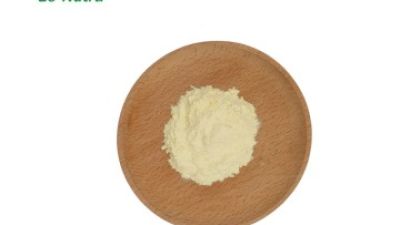
Neutral protease enzyme serrapeptase powder, also known as serrapeptase powder or pure serrapeptase, is a proteolytic enzyme ingredient developed for food supplements. It is commonly considered for formulations focused on supporting the body’s natural inflammatory response, helping maintain comfortable movement, and promoting healthy circulation. Available activity specifications include 200 SPU/mg and 2,200 SPU/mg, with customized specifications available for different formulation requirements. The powder typically appears yellowish brown to brown and should be evaluated according to its enzyme activity, purity, consistency, and suitability for the intended application.

Quality considerations are essential when selecting serrapeptase powder for supplement production. Buyers should review activity testing methods, batch-to-batch consistency, moisture control, microbiological standards, and storage recommendations to help preserve enzyme performance. Appropriate packaging also supports product stability: the material can be supplied in vacuum aluminum foil bags or packed in 25 kg fiber drums with an inner double-layer food-grade polyethylene bag. Before use, manufacturers should confirm dosage, compatibility with other ingredients, labeling requirements, and applicable food-supplement regulations in the target market.

FAQS

: How should I begin screening a Chinese ingredient supplier?

: Check legal registration, facility address, manufacturing scope, and export history. Ask for current quality certificates and verify them with the issuing organization. A certificate is evidence, not proof. Keep records of every check.

Which documents should a qualified supplier provide?

Request a recent Certificate of Analysis, specification sheet, allergen statement, and batch traceability records. The COA should show the batch number, test date, laboratory, and testing method. Missing details deserve written explanations.

What tests should independent laboratories perform?

Testing may include identity, potency, microbiology, pesticides, heavy metals, and residual solvents. Choose tests according to the ingredient’s risks. Keep sealed samples for comparison.

Why are multiple production batches important?

One attractive sample cannot prove consistent quality. Request two or three commercial-scale batches before approval. Compare assay, particle size, odor, color, and packaging condition. Patterns matter more than one perfect result.

Should I visit the manufacturing facility?

Visit when possible. Inspect quarantine areas, storage labels, cleaning records, pest controls, and temperature logs. Check equipment calibration labels. Speak with quality staff, not only sales staff.

Can quality certificates guarantee supplier reliability?

No. Certificates can confirm documented systems, but they cannot reveal every weakness. Review production records, corrective actions, and deviation handling. A polished audit may still miss practical problems.

How can I evaluate traceability and shipment consistency?

Compare shipped materials with retained samples and batch records. Check labels, packaging seals, lot numbers, and storage conditions. Unclear warehouse labeling is a warning sign. Small gaps can become expensive.

How should supplier risks be reviewed after approval?

Score quality, capacity, documentation, and communication separately. Set corrective-action deadlines for unanswered questions. Reassess the score after every shipment. The checklist is not perfect. Regular testing remains necessary.

Conclusion

How To Source Dietary Supplement Ingredients from China requires a structured approach that balances product quality, regulatory compliance, cost, and supply reliability. The process begins with understanding the Chinese ingredient market and clearly defining specifications, including composition, purity, dosage form, origin, testing requirements, and applicable regulations in the destination market. Buyers should then identify and screen qualified suppliers by reviewing their experience, production capabilities, communication practices, and documentation.

Before placing an order, verify manufacturing standards, relevant certifications, quality systems, laboratory testing, and traceability procedures. Request representative samples and compare them for consistency, performance, pricing, minimum order quantities, and lead times. Once a supplier is selected, use clear contracts covering specifications, acceptance criteria, responsibilities, payment terms, confidentiality, and remedies for nonconforming goods. Ongoing quality control, pre-shipment inspections, proper packaging, logistics planning, customs documentation, and import compliance are also essential for building a dependable and compliant ingredient supply chain.

Oliver

Oliver

Oliver is a dedicated marketing professional with extensive expertise in the research and production of natural, healthy, and innovative raw materials. He plays a crucial role in our company's mission to provide high-quality ingredients for nutraceuticals, food and beverage, as well as cosmetics......
Previous How to Source Plant Concentrate for Global Trade in 2026?