Starting a successful supplement brand in China? It’s definitely an exciting ride, but I won’t lie—it's also pretty daunting. The market for dietary supplements is booming, with projections hitting around USD 60 billion by 2025 (Frost & Sullivan). That means there's huge potential out there, no doubt. But here’s the thing: navigating such a competitive space requires more than just ambition; you need serious strategic planning and a good understanding of the industry. I remember industry expert Dr. Emily Wu once said, “Understanding consumer needs is the key to launching a successful supplement brand.” Honestly, her words really hit home—if you want to succeed, you’ve got to make sure your products actually match what people are looking for.
At the end of the day, the foundation of any good supplement brand is quality and safety. Studies show that about 70% of consumers care deeply about ingredient transparency. That’s why focusing on high-quality ingredients—like those found in Healthy Start Vitamins Ingredients—is so important. Gaining trust from your customers isn’t something that happens overnight; it takes time, effort, and genuine commitment. Unfortunately, many brands stumble because they overlook this key part.
Thinking about all the behind-the-scenes work that goes into launching a supplement brand can really help set realistic expectations. Every market has its own set of rules, cultural quirks, and consumer preferences. Some newcomers tend to underestimate these things, which can lead to costly mistakes. The best way to avoid that? Learn from those who’ve already been there—see what worked for them, what didn’t. So, jumping into 'How To Start A Supplement Brand' in China isn’t just about the product; it’s about mixing creativity, thorough research, and a resilient attitude. It’s definitely a journey worth taking, but one you’ve gotta approach smartly and with patience.
Understand the Regulatory Environment for Supplements in China
Navigating the regulatory environment for supplements in China is essential for success. The country has strict guidelines to ensure safety and efficacy. Brands must understand the laws governing Supplement Components. Familiarizing oneself with these regulations can be overwhelming. Yet, it's a critical step for any aspiring supplement brand.
The National Health Commission (NHC) oversees the registration process for dietary supplements. There are specific requirements on ingredients and labeling. One misstep can lead to delays or even rejection of the product. Brands must comply with both national and local guidelines. Engaging with a local expert can help avoid common pitfalls. This approach may uncover nuances that a foreign entrepreneur might overlook.
Moreover, obtaining necessary certifications can be a time-consuming process. It is essential to have a thorough understanding of testing and quality control protocols. The complexities of this system can distract from other business areas. Therefore, balancing compliance with innovation in Supplement Components is vital. Continuous adaptation to regulatory changes is necessary for long-term success.
Supplement Market Growth in China (2018-2023)
Identify Target Market Demographics and Trends for Supplements
Identifying target market demographics is crucial for a successful supplement brand in China. Recent trends show that younger consumers, especially those aged 18-35, are increasingly interested in health and wellness. They often seek high-quality products that align with their active lifestyles. Understanding this demographic can guide you in formulating effective marketing strategies.
In addition to age, gender plays a role in supplement preferences. Research indicates that women prioritize beauty and wellness supplements. They are more inclined to seek out products that promote skin health and weight management. On the other hand, men may focus on sports nutrition and muscle-building supplements. Tailoring your product line to these distinctions can enhance market appeal.
Cultural factors also influence buying behavior. For instance, in urban areas, there is a growing trend towards natural and organic ingredients. This reflects a broader shift toward healthier living. However, there is still skepticism about Supplement Ingredients' efficacy. Addressing these concerns with transparency and education can build trust. Engaging consumers with information about the sourcing and benefits of Supplement Ingredient can provide a strong foundation for your brand.
Develop a Unique Brand Identity and Product Line
Developing a unique brand identity and product line is crucial for a successful supplement brand in China. The market is projected to reach USD 60 billion by 2025, growing at a CAGR of 10.5%. This rapid expansion presents vast opportunities. However, establishing a distinct brand is essential to stand out among competitors.
Understanding consumer preferences is vital. Chinese consumers value transparency and quality. According to a recent survey, 74% of consumers prefer brands that openly share product information. Your brand identity should reflect these values. Focus on storytelling to connect emotionally with your audience. Use compelling visuals and clear messaging that highlight your product benefits.
Consider these points when building your brand identity:
- Create a memorable name that resonates with local culture.
- Use social media to engage with your audience, receiving feedback and insights.
- Adapt to regional preferences in packaging and marketing strategies.
Innovation in your product line is equally important. Research trending ingredients that cater to health-conscious consumers. The rise of plant-based supplements is significant in urban areas. While developing your product, ensure it meets local regulations and quality standards. This builds trust with your customers and enhances brand reputation. Reflect on your product’s uniqueness and relevance in the fast-paced market.
Create a Comprehensive Marketing Strategy for Chinese Consumers
Creating a marketing strategy for a supplement brand in China can be both exciting and challenging. Understanding local consumer preferences is crucial. Health-conscious individuals in China seek products that promise tangible benefits. This means emphasizing quality, safety, and efficacy in your brand messaging. Utilize visuals and testimonials that resonate with your target audience.
Social media platforms play a significant role in reaching Chinese consumers. Engaging with users through Weibo and WeChat can create brand loyalty. Content should be culturally relevant and aligned with local trends. Collaborating with local influencers can also enhance brand visibility. It’s vital to monitor and analyze engagement data. This allows for adjustments based on consumer feedback.
While these strategies can be effective, it's essential to avoid over-promising results. Transparency about product benefits is key. Consumers appreciate authenticity. Regularly evaluating your marketing performance helps in refining your approach. Be prepared to adapt your strategy based on shifting market dynamics. This flexibility can make your brand more resilient in the competitive landscape.
Establish Supplier Relationships and Quality Control Measures
Establishing reliable supplier relationships is crucial for any supplement brand. Start by researching local manufacturers in China. Attend trade shows to meet potential partners.
This face-to-face interaction helps build trust. You want suppliers who understand the importance of quality. Ask about their certifications and manufacturing processes. A factory visit can reveal a lot about their operations.
Quality control measures are essential in the supplement industry. Implement rigorous testing protocols for your products. This ensures that your
Health Supplement Actives meet safety standards.
Consider third-party testing for an unbiased assessment. This adds credibility to your brand. Document every step of the quality process. Mistakes can happen; it's crucial to learn from them. Address any inconsistencies as they arise, reinforcing your commitment to quality.
Building a successful supplement brand in China requires patience and diligence. Establishing partnerships takes time. Quality control is an ongoing effort. Regularly assess your supply chain to adapt and improve. Reflect on challenges and be ready to adjust your strategies. The path is complex, but it can lead to rewarding outcomes in the competitive health market.
Utilize E-Commerce Platforms for Distribution in China
E-commerce platforms offer a unique opportunity for supplement brands in China.
The online market is booming, and leveraging these platforms can significantly enhance brand visibility.
Brands can reach a wide audience without the need for traditional retail spaces.
However, competition is fierce. It's essential to find a niche and focus on quality in both product and marketing.
Building a trustworthy online presence is crucial. Customer reviews and product descriptions should be detailed and honest.
Many consumers in China rely heavily on peer reviews before making a purchase decision.
Transparency builds credibility. Brands should also engage actively on social media channels to connect with their audience.
This creates a community around the product.
Despite the advantages, challenges exist. Understanding local regulations is vital.
Not every supplement can be marketed freely. Brands must produce compliant products that meet safety standards.
Additionally, logistics and delivery systems in China can be complex.
It's worth investing in local partnerships to streamline distribution.
Addressing these hurdles early on can lead to sustained success.
Monitor Industry Trends and Consumer Feedback for Continuous Improvement
In the competitive landscape of the supplement market in China, staying attuned to industry trends is vital. Regularly monitoring emerging trends helps brands adapt quickly. This could include shifts in consumer preferences for natural ingredients or the rising popularity of functional supplements. Engaging with customers through surveys or social media can provide insights into their needs and desires.
Consumer feedback is equally crucial for continuous improvement. Analyzing reviews and suggestions allows brands to refine their product offerings. For instance, if customers express a preference for certain B12 Supplement Ingredients, brands can modify formulations accordingly. It’s essential to treat this feedback seriously. Ignoring consumer voices may lead to losing ground in the market.
Manufacturers should embrace a mindset of constant evolution. Successful brands often experiment with small batches of their products, learning what resonates best with their audience. This iterative approach enhances product quality and builds trust. Reflecting on past mistakes is equally important. Identifying what didn’t work in previous launches can guide better decision-making in the future.
Unlocking the Benefits of Natural Hydrolyzed Black Bean Protein Powder in Your Dietary Supplement Routine
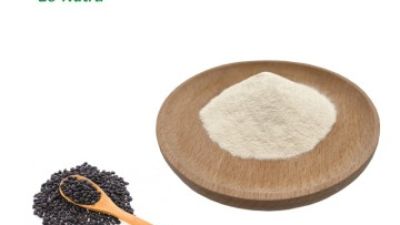
Natural hydrolyzed black bean protein powder has emerged as a powerful addition to dietary supplement routines, particularly for those seeking to enhance their muscle growth and recovery. Derived from Glycine max (L.) merr., this plant-based protein is packed with essential amino acids and has been shown to play a vital role in supporting muscle repair after intense physical activity. Research indicates that plant-based protein sources like black bean peptides can be just as effective as traditional animal-based proteins in promoting muscle synthesis, making it an ideal choice for athletes and fitness enthusiasts alike.
In addition to its muscle-building benefits, hydrolyzed black bean protein powder also supports weight management by providing a feeling of fullness and satiety, which can help curb unnecessary snacking and overall caloric intake. The presence of unsaturated fats in this powder further enhances its nutritional profile, positioning it as a superfood within the realm of health care supplements. With applications ranging from protein beverages to functional foods, this versatile powder can easily be incorporated into smoothies or energy bars, ensuring that individuals meet their protein needs efficiently.
With a shelf life of approximately 24 months under proper storage conditions, hydrolyzed black bean protein powder is not only convenient but also offers long-lasting quality. Sealed in kraft bags and stored in a cool, dry place, this product ensures optimal nutritional benefits while avoiding degradation from elements like direct sunlight and humidity. As the demand for plant-based proteins continues to grow, hydrolyzed black bean protein powder stands out as a beneficial option for enhancing dietary supplement routines and supporting overall health.
FAQS
: Understanding and navigating the regulatory environment is essential for success.
The National Health Commission (NHC) oversees the registration process for dietary supplements in China.
Complying with national and local guidelines prevents delays and rejections. Missteps can be costly.
Younger consumers aged 18-35 show heightened interest in health and wellness supplements.
Women often prioritize beauty and wellness, while men focus on sports nutrition and muscle building.
There's a growing demand for natural and organic ingredients among urban consumers.
Reliable supplier relationships ensure quality and help build trust in the supplement industry.
Brands should have rigorous testing protocols and consider third-party testing for credibility.
Transparency and education about product sourcing and benefits can build consumer trust.
Regularly assess the supply chain and reflect on challenges to make necessary adjustments.
Conclusion
Starting a successful supplement brand in China requires a thorough understanding of the regulatory environment governing health products. First, entrepreneurs must navigate complex regulations to ensure compliance. It's essential to identify the target market demographics and emerging trends, which will inform the development of a unique brand identity and product line that resonates with consumers.
A comprehensive marketing strategy tailored to Chinese consumers is crucial for brand visibility and engagement. Establishing solid supplier relationships and implementing strict quality control measures will enhance product reliability. Additionally, leveraging e-commerce platforms will optimize distribution channels, given China's strong online shopping culture. Finally, continuously monitoring industry trends and consumer feedback is vital for ongoing improvement and sustainable growth in this competitive market. This holistic approach is key to understanding "How To Start A Supplement Brand" effectively in China.