In today’s world where everyone seems super into staying healthy, it’s really important to get a good handle on Supplement Components. Basically, these are the building blocks of dietary supplements — things like vitamins, minerals, herbs, and amino acids — and each one has its own way of helping you feel better overall. It’s like they all play a different part in keeping you healthy.
Now, trying to pick the right supplements can sometimes feel pretty overwhelming. I mean, there are so many options out there, and honestly, most people just want some expert advice but don’t always know where to start. With so much info (or sometimes conflicting info), it’s easy to get confused and end up making choices that aren’t really the best. That’s why it’s so important to find trustworthy sources when you’re trying to learn about Supplement Components. When you’re well-informed, making decisions about what to take becomes a lot less stressful.
And let’s not forget — it’s also really important to fill in the gaps in your knowledge. Sometimes, marketing hype or personal biases can make us overlook key components that actually matter. So, having a solid understanding of what makes a supplement effective can really boost your confidence in choosing what's right for you. Ultimately, by learning more about Supplement Components, you can take your health journey into your own hands and feel good about the choices you’re making.
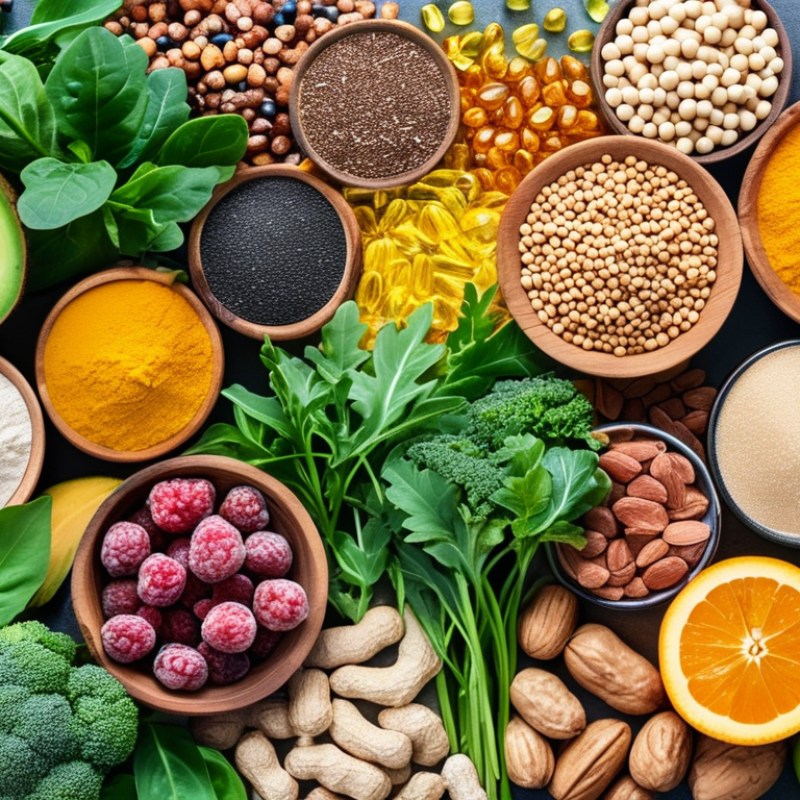
Definition of Supplement Components and Their Classification
Supplement components play a crucial role in the health and wellness industry. These components include vitamins, minerals, herbs, amino acids, and enzymes. Each category contributes unique benefits to the body. For instance, vitamins play a key role in metabolism and energy production. Minerals like calcium and magnesium support bone health and muscle function.
Understanding these classifications is essential for buyers. Vitamins can be water-soluble or fat-soluble, influencing how they are absorbed. Minerals are often divided into macro and trace categories based on the body's requirements. For example, iron is a trace mineral vital for oxygen transport in the blood. Knowing these details helps consumers make informed choices.
While many strive to improve their health with supplements, not all components match individual needs. It’s important to reflect on dietary habits and lifestyle before selecting a supplement. Some may find that natural food sources can provide similar benefits without the potential pitfalls associated with supplementation. This self-awareness can lead to better health outcomes and more effective use of supplements.
Key Nutritional Ingredients Commonly Found in Supplements
Nutritional ingredients play a vital role in supplements. They help enhance health and well-being. Many buyers look for specific components to meet their unique needs. These ingredients should be chosen carefully. Knowledge about them can ensure better choices.
Vitamins and minerals are common in supplements. They support various bodily functions. For instance, Vitamin C boosts immunity, while Calcium strengthens bones. Omega-3 fatty acids are also popular for heart health. Each ingredient has its own benefits, but the quality matters. Are these ingredients sourced responsibly? Potential buyers need to reflect on this.
Herbal extracts are another area of interest. Ingredients like turmeric and ginger offer anti-inflammatory benefits. However, the effectiveness of these components can vary. The science behind them is still evolving. Recognizing misinformation is crucial. Consumers must ensure they’re getting accurate information. Ensure the product’s label lists the Makeup Components in detail. This transparency can guide informed decisions.
Health Benefits of Vitamins and Minerals for Consumers
Vitamins and minerals are essential
Dietary Components
that play a crucial role in maintaining health. They help the body function properly and support various physiological processes.
For example, vitamin C boosts the immune system, while calcium strengthens bones.
These nutrients are vital for both physical and mental well-being.
Many consumers often overlook the importance of these dietary components. They may believe a balanced diet alone is enough. However,
inadequate intake of vitamins and minerals can lead to deficiencies.
These can cause fatigue, weakened immunity, and other health issues. It's essential to be mindful of your dietary choices and ensure you're getting these nutrients.
Moreover, not all vitamin and mineral supplements are created equal. Some may lack the bioavailability needed for effective absorption.
This can lead to wasted effort and money.
It’s wise to consult with healthcare professionals before starting any supplementation.
They can guide you on which dietary components your body truly needs.
This personalized approach can lead to better health outcomes and a more informed decision.
The Role of Amino Acids in Performance and Recovery
Amino acids play a crucial role in enhancing performance and recovery for athletes. They are the building blocks of proteins, which are essential for muscle repair and growth. When engaging in intense physical activity, these components help prevent muscle breakdown. This is particularly beneficial for anyone looking to improve their athletic performance.
Incorporating amino acids into your routine can lead to more efficient recovery. For example, branched-chain amino acids (BCAAs) can reduce muscle soreness after workouts. This can help athletes train harder and more frequently. However, not all amino acids are created equal. It's important to understand which ones align with your fitness goals.
Cosmetic Components like amino acids also extend beyond sports. They can promote skin health by supporting collagen production. This indicates a deeper connection between physical performance and overall wellness. While many athletes focus solely on their performance, neglecting recovery can lead to diminished results. Awareness of this balance is essential for optimal performance.
Understanding Herbal Extracts and Their Therapeutic Effects
Herbal extracts have gained significant attention in recent years, particularly for their therapeutic effects. Data from the National Center for Complementary and Integrative Health indicates that about 30% of adults in the U.S. have used some form of herbal remedy. This compelling statistic highlights a trend toward seeking natural alternatives in health and wellness.
Many herbal extracts, such as turmeric and ginger, are known for their anti-inflammatory properties. Studies show that curcumin, the active compound in turmeric, can reduce inflammation markers by as much as 40%. Similarly, ginger has been linked to reduced muscle pain and soreness, making it popular among athletes. However, it’s crucial to approach these extracts with caution. Not everyone responds the same way to herbal treatments, and what works for one person may not work for another.
There are also concerns regarding the quality and purity of herbal extracts. A review published in the Journal of Herbal Medicine found that more than 25% of herbal products tested contained contaminants or were mislabelled. This raises significant issues about trustworthiness in the herbal supplement market. Continuous evaluation of sources and preparation methods is essential. Buyers need to be informed and discerning when choosing herbal extracts for their therapeutic benefits.
What is Supplement Components and Their Benefits for Buyers?
| Herbal Extract |
Key Component |
Benefits |
Usage |
| Ginseng |
Ginsenosides |
Boosts energy, enhances cognitive function |
2-3 grams daily |
| Turmeric |
Curcumin |
Anti-inflammatory, antioxidant properties |
500-2000 mg daily |
| Echinacea |
Alkamides |
Boosts immune system, reduces cold symptoms |
300-500 mg 2-3 times daily |
| Ashwagandha |
Withanolides |
Reduces stress, enhances stamina |
500-600 mg daily |
| Peppermint |
Menthol |
Digestive aid, alleviates headaches |
Enteric-coated capsules as needed |
Evaluating the Importance of Probiotics and Digestive Health
Probiotics play a crucial role in digestive health. According to a report from the American Gastroenterological Association, about 70 million Americans suffer from digestive disorders. These issues can lead to discomfort and affect overall wellness. Probiotics are live bacteria that promote a healthy gut microbiome. They can help balance the gut's ecosystem, which is essential for proper digestion.
Research suggests that probiotics may aid in reducing symptoms of irritable bowel syndrome (IBS). A meta-analysis published in the Journal of Clinical Gastroenterology found that certain probiotic strains improve IBS symptoms in over 50% of cases. This statistic underscores the importance of these supplements in supporting digestive health. Moreover, a diverse gut microbiome is linked to improved immune function, making probiotics an essential dietary component for many.
Despite the benefits, not all probiotics are created equal. Their effectiveness can vary based on factors such as strain, dose, and individual health conditions. This presents a challenge for consumers looking for reliable products. Addressing these uncertainties is vital, as informed choices can significantly impact digestive health and overall well-being.
Consumer Considerations: Read Labels and Ingredient Transparency
When considering dietary supplements, ingredient transparency should be a priority for consumers. According to a report by the Council for Responsible Nutrition, 76% of supplement users read labels regularly. Understanding what goes into a supplement can greatly influence your health choices. Many consumers remain unaware of fillers, artificial colors, or preservatives that may be included in their products.
Ingredient clarity can enhance trust. Research shows products with transparent labeling have a higher credibility rating. In fact, a survey indicated that 85% of consumers prefer brands that clearly disclose ingredient origins. This level of transparency not only aids decision-making but also aligns with wellness trends that emphasize clean, natural ingredients.
However, not all labels provide clear information. Some manufacturers use jargon that obscures ingredient sources. Shoppers may find it challenging to differentiate between beneficial compounds and unnecessary additives. There’s often a gap between what consumers believe they’re buying and the reality of commercial practices. Navigating this landscape demands diligence and a critical eye.
Exploring the Nutritional Superiority of Natural Hydrolyzed Black Bean Protein Powder: Insights from Recent Dietary Supplement Market Analysis
The recent dietary supplement market analysis highlights the nutritional superiority of natural hydrolyzed black bean protein powder, shedding light on its potential benefits for health-conscious consumers. Derived from the botanical source Glycine max, this off-white powder stands out due to its rich plant-based protein content. It is not only an excellent source of essential amino acids but also contains unsaturated fats, making it a versatile addition to various dietary regimens aimed at muscle growth, recovery, and weight management.
This hydrolyzed black bean protein powder serves diverse applications ranging from health care supplements to sports nutrition. The growing trend of incorporating plant-based proteins into dietary consumption is reflected in its use in nutritious smoothies, protein beverages, and energy bars designed for active lifestyles. This product’s packaging in 20kg kraft bags provides an eco-friendly option, with customization available to meet specific consumer needs. To ensure longevity and quality, it is recommended to store the powder in a sealed container in a cool, dry place, avoiding exposure to sunlight, high temperatures, and humidity, with an impressive shelf life of up to 24 months under proper storage conditions.
FAQS
: Supplements mainly consist of vitamins, minerals, herbs, amino acids, and enzymes. Each category has unique benefits for health.
Vitamins can be water-soluble or fat-soluble. This difference affects how well they are absorbed in the body.
Minerals support various functions, like bone health and muscle function. They are categorized into macro and trace minerals.
Not all supplements fit individual needs. Understanding one's diet can lead to better health outcomes and informed choices.
Probiotics help balance the gut microbiome, aiding digestion and potentially reducing symptoms of digestive disorders like IBS.
No, probiotic effectiveness varies by strain, dose, and health conditions. Choosing the right one requires careful consideration.
A diverse gut microbiome, supported by probiotics, is linked to improved immune function. This is crucial for overall health.
Many struggle to find reliable products. The variability in effectiveness adds confusion to making informed supplement choices.
Yes, some people find natural foods can provide similar benefits as supplements, avoiding potential pitfalls associated with supplementation.
Self-awareness of dietary habits and lifestyle is important. This reflection can lead to more effective and meaningful health outcomes.
Conclusion
Supplement components play a vital role in the nutrition and wellness industry, encompassing a range of ingredients designed to support health and improve performance. These components can be classified into key nutritional ingredients, including vitamins, minerals, amino acids, and herbal extracts. Each of these elements offers specific health benefits; for example, vitamins and minerals are essential for overall well-being, while amino acids contribute to performance and muscle recovery. Herbal extracts are recognized for their therapeutic effects, and probiotics promote digestive health.
Consumers interested in supplements should prioritize understanding these components, emphasizing the importance of reading labels and ensuring ingredient transparency. By being informed about supplement components and their functions, consumers can make better choices that align with their health goals and needs. With a clear understanding of the health benefits associated with various ingredients, individuals can fully harness the potential of supplements to enhance their well-being.