Leave Your Message
0%

Getting to know what’s inside your supplements is super important if you're serious about boosting your health. These ingredients are the backbone of nutritional supplements—they help your body function better and keep you feeling your best.

Every supplement has its own mix of stuff like vitamins, minerals, or herbs. For instance, vitamin D is great for strong bones, and omega-3s are fantastic for your heart. But here’s the thing: how well they work can really differ from person to person. Sometimes what helps one person might not do much for someone else, and honestly, that’s still something researchers are trying to understand better.

As brands like HealthWave and NutriBoost keep making new products, our understanding of what's inside those supplements is constantly evolving. But, unfortunately, there’s also a lot of misinformation floating around, which can be pretty confusing. So, it’s really important to stay curious, ask questions, and stay informed about what you’re putting into your body. Knowing more about these ingredients helps you make smarter choices, especially with so many health products out there these days.

What are Supplement Components and How Do They Work?

Understanding the Definition of Supplement Components in Dietary Products

What are Supplement Components and How Do They Work?

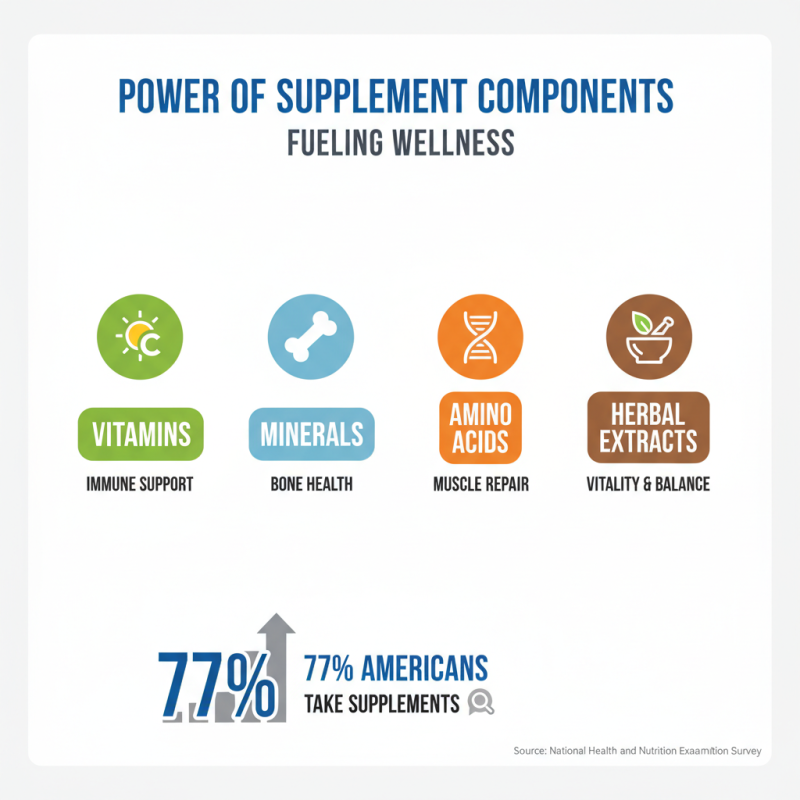
Supplement components play a crucial role in dietary products. They include vitamins, minerals, amino acids, and herbal extracts. Each component has a specific purpose. For example, vitamins support immune function, while minerals contribute to bone health. Studies indicate that 77% of Americans take dietary supplements, showing a growing interest in these components.

The effectiveness of these components relies on their bioavailability. This term refers to how well the body absorbs and utilizes nutrients. Not all supplements guarantee optimal absorption. Some may even lack essential components. A report from the Council for Responsible Nutrition states that 36% of supplement users have concerns about quality and safety.

Tips: Always read labels carefully. Look for third-party testing to ensure quality. Additionally, consider consulting a healthcare professional before starting new supplements. Understanding these factors can help prevent unmet expectations and improve your dietary choices.

Classification of Common Supplement Components: Vitamins, Minerals, and More

What are Supplement Components and How Do They Work?

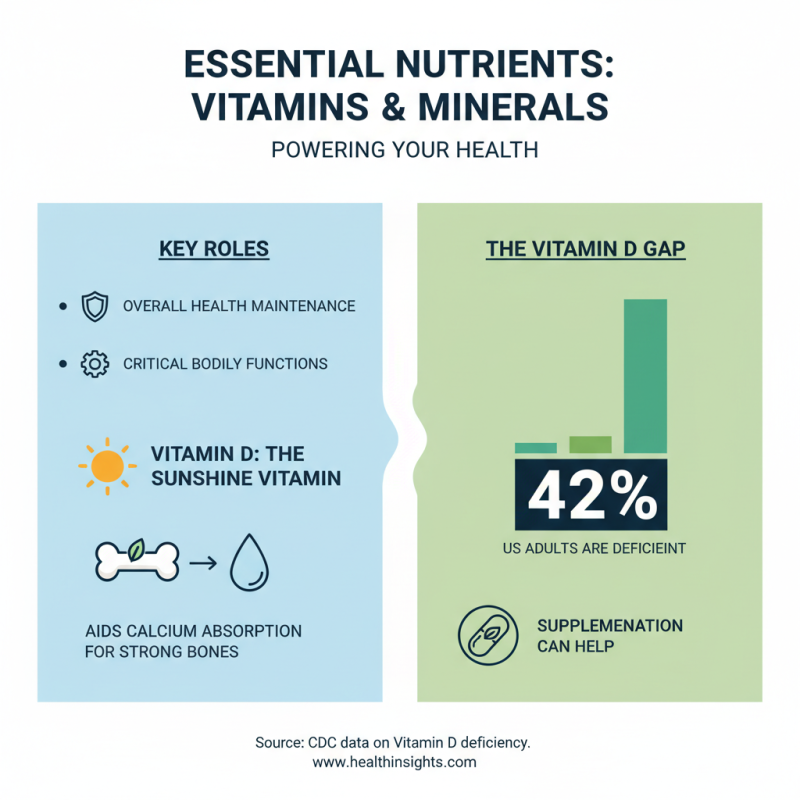
Vitamins and minerals are essential components of dietary supplements. They play critical roles in maintaining overall health. For instance, vitamin D helps with calcium absorption, crucial for bone health. Data shows that about 42% of adults in the U.S. are vitamin D deficient, highlighting the need for supplementation.

Minerals like magnesium and zinc are also vital. They support various bodily functions, from immune response to muscle function. The National Institutes of Health reports that many Americans do not meet their magnesium needs through diet alone. This underlines the importance of understanding one's nutritional gaps.

**Tip:** Consider a dietary assessment to identify which nutrients you're lacking. This can guide you in choosing the right supplements.

Another common supplement component is omega-3 fatty acids. These are known for supporting heart health. Studies suggest that omega-3 can lower the risk of heart disease. Despite this, many people do not consume enough through diet.

**Tip:** Regularly check your diet and ask health professionals about beneficial supplements. It is essential to reflect on your choices to improve your nutrition.

Mechanisms of Action: How Supplement Components Interact in the Body

Supplement components, like vitamins and minerals, play essential roles in our health. They interact in complex ways within the body to enhance wellness. For example, vitamin D helps the body absorb calcium, which is vital for bone health. When taken together, these components can boost their overall effectiveness.

Understanding how these components work together is crucial. Many people underestimate the importance of proper combinations. For instance, iron supplements require vitamin C to enhance absorption. Without the right partners, some supplements may not work effectively.

Tip: Always check combinations before adding new supplements to your routine. This careful approach can prevent potential interactions and maximize benefits. Make it a habit to research or consult a health professional. Remember, not all supplements are created equal, and their effects can vary. A thoughtful, informed strategy leads to better health outcomes.

Mechanisms of Action: How Supplement Components Interact in the Body

Clinical Evidence: Studies Supporting the Efficacy of Supplement Components

Clinical evidence plays a crucial role in understanding the efficacy of supplement components. Numerous studies have investigated how these components affect health and well-being. For instance, research shows that omega-3 fatty acids can support heart health. Participants who consumed these acids experienced lower triglyceride levels.

Another component worth noting is probiotics. Clinical trials suggest they may improve gut health. Subjects who regularly took probiotics reported fewer digestive issues. However, results can vary based on individual health conditions. Not all studies show consistent benefits, leaving room for skepticism.

**Tip:** Always consult a healthcare provider before starting any supplement. Your needs might differ from others.

The complexity of supplement components invites continued exploration. Some studies indicate that combining certain vitamins may enhance their effects. Yet, not all combinations yield positive results. It's essential to stay informed and cautious.

**Tip:** Keep a journal of how supplements affect your body over time. This can help identify what works for you.

Dosage Recommendations: How Much of Each Component is Considered Safe?

When it comes to supplement components, understanding dosage recommendations is crucial. Each ingredient has its own safe dosage range. Too little may provide no benefit, while too much can lead to adverse effects.

For instance, vitamin D is often taken to support bone health. The recommended dosage is typically around 600 to 800 IU for most adults. However, some people may require different amounts based on their health needs. It's essential to monitor your body's response.

**Tips:** Always start with a lower dose and gradually increase if needed. Listen to your body. If you feel unwell, reduce the amount.

Another example is magnesium, which many take for muscle function. A common dosage is about 310 to 420 mg daily. But individual factors, such as activity level and existing health conditions, influence what is "safe."

**Tips:** Keep a journal of how you feel with different dosages. This record can help track what works best for you. Remember, there's no one-size-fits-all approach. Adjusting the dosage may be necessary for optimal results.

Potential Interactions: Supplement Components and Prescription Medications

When considering supplement components, understanding their potential interactions with prescription medications is crucial. Many people overlook this factor. Supplements can influence how medications work. This can either enhance or hinder their effectiveness.

Some components may amplify the effects of medications, leading to unexpected side effects. For instance, a common herb can increase blood thinning effects when taken with anticoagulants. This could raise the risk of bleeding. In other cases, supplements may diminish medication efficacy, making it less effective. Certain vitamins can interfere with the absorption of prescription drugs.

Tip: Always consult with a healthcare provider before adding supplements to your routine. This ensures compatibility with your medications.

Monitoring for side effects is essential. Some individuals report feeling strange after combining supplements and prescriptions. Keeping a journal of what you take can help identify interactions. Adjustments may be needed if you notice any adverse effects. Remember, not all supplements are safe for everyone. Taking time to understand their impact is worth the effort.

What are Supplement Components and How Do They Work? - Potential Interactions: Supplement Components and Prescription Medications

Component Function Potential Interactions Considerations
Vitamin C Antioxidant, supports immune function May enhance absorption of iron; may interfere with blood-thinning medications High doses may cause gastrointestinal upset
Magnesium Supports muscle and nerve function May interfere with certain antibiotics; can enhance blood pressure medications Excessive intake may cause diarrhea
Omega-3 Fatty Acids Supports cardiovascular health May enhance effects of anticoagulants High doses may lead to bleeding issues
Curcumin Anti-inflammatory properties May interact with anticoagulant medications; possible enhancement of chemotherapeutic agents High doses can affect liver function
Probiotics Support gut health May reduce effectiveness of some immune suppressants Not recommended for those with severe immune compromise

Regulatory Aspects: FDA Guidelines on Supplement Component Labeling and Safety

When discussing supplement components, it’s essential to understand regulatory aspects, especially the FDA guidelines. The FDA does not require pre-approval for supplements. However, it mandates accurate labeling. This labeling must reflect the contents and intended effects of the supplement. Manufacturers should provide clear ingredient lists. Misleading labels can lead to serious consumer mistrust. It’s crucial for users to scrutinize these claims.

Tips: Check the labels for any unfamiliar terms. Look for third-party testing seals. These can indicate better quality control.

Furthermore, safety is a significant concern. Supplements can interact with medications or other supplements. The FDA advises consumers to consult healthcare professionals. Risky ingredients can lead to adverse effects. Transparency in labeling can improve consumer safety. However, many products still contain questionable or poorly documented ingredients.

Tips: Always ask your doctor before starting a new supplement. Keep a record of any side effects you may experience. Reflection on your health routine is key.

FAQS

: What are the main benefits of a healthy diet?

: A healthy diet boosts energy. It also supports overall well-being and improves mood. Eating well can help maintain a healthy weight.

How can I make better food choices?

Focus on whole foods. Choose fruits and vegetables over processed options. Read labels carefully. Pay attention to portion sizes.

What should I do if I crave junk food?

Cravings are normal. Try to satisfy them with healthier options. Drink water or eat a piece of fruit instead. Reflect on your choices.

How important is hydration?

Staying hydrated is crucial for health. It aids digestion and improves concentration. Aim to drink water throughout the day.

Can I indulge occasionally while maintaining a healthy diet?

Yes, moderation is key. Allow yourself treats occasionally. It can prevent feelings of deprivation. Just be mindful of portion sizes.

How can I stay motivated to eat healthily?

Set achievable goals. Tracking progress can boost motivation. Find a support system. Celebrate small victories along the way.

Is cooking at home healthier than eating out?

Generally, yes. Cooking at home gives you control over ingredients. You can avoid excess sugar and unhealthy fats.

How does stress affect eating habits?

Stress can lead to emotional eating. Often, people prefer comfort foods during stressful times. Recognizing triggers is essential for improvement.

What role does meal planning play?

Meal planning helps you stay on track. It can save time and reduce impulse eating. Plan balanced meals to ensure proper nutrition.

How can I increase my vegetable intake?

Add veggies to meals you already enjoy. Sneak them into smoothies or sauces. Try new recipes to make them more appealing.

Conclusion

Supplement components are essential elements found in dietary products that include vitamins, minerals, amino acids, fatty acids, and herbs. Understanding these components involves recognizing their classifications and the roles they play in promoting health. Each supplement component works through specific mechanisms in the body, influencing various physiological processes. Clinical studies frequently support their efficacy, highlighting the importance of evidence-based supplementation.

When considering supplement components, it is crucial to adhere to dosage recommendations to avoid potential adverse effects. Additionally, understanding potential interactions with prescription medications is vital for safe consumption. Regulatory aspects, particularly FDA guidelines, ensure that supplement component labeling is accurate and that safety standards are followed, providing consumers with necessary information for informed choices about their health.

Sophie

Sophie

Sophie is a dedicated professional marketer with a profound expertise in the natural and innovative raw materials industry. As part of a forward-thinking company that specializes in the research, production, and marketing of high-quality nutraceuticals, foods, beverages, and cosmetics, she brings a......
Previous Navigating Challenges in Sourcing the Best Plant Concentrate: Key Insights for Global Buyers
Next How to Find Wholesale High-Quality Protein Peptide Quotes for Your Business?