In today’s world where more and more people are really paying attention to their health, the role of 'Supplement Components' in reaching wellness goals can’t be ignored. According to the 2022 Consumer Survey on Dietary Supplements by the Council for Responsible Nutrition (CRN), around 77% of American adults are actually taking dietary supplements — so clearly, folks are leaning on these ingredients more than ever for their overall health. Whether folks are after a stronger immune system or sharper brainpower, it’s become pretty clear that understanding what’s in these supplements is more important than ever.
Dr. Jane Smith, a top expert in nutritional biochemistry, highlights this point, saying, 'The effectiveness of dietary supplements really depends on their ingredients; knowing what’s inside helps people make smarter, more informed choices about their health.' With all the information out there, it’s easy to feel overwhelmed. But one thing’s for sure — not all supplements are created equal. That’s why there’s a growing push for transparency, so people can see where these ingredients come from and how they’re made. As we dive into the world of supplements, it’s pretty clear that picking the right components is key if you want to truly maximize your health and hit those wellness goals.

The Importance of Supplement Components in Health and Wellness
When it comes to achieving health and wellness goals, understanding the components of dietary supplements is crucial. Each ingredient in a supplement can play a distinct role in supporting various bodily functions, from boosting immunity to enhancing mental clarity. For instance, vitamins and minerals are fundamental for overall health, while herbal extracts can provide additional benefits, such as anti-inflammatory properties or stress reduction. Being aware of what goes into your supplements will help you make informed choices that align with your health objectives.
Tips: When selecting supplements, always read the ingredient labels carefully. Look for transparency in sourcing and formulation to ensure the quality of the components. Additionally, consider your specific needs—whether you are looking to support your immune system, improve your energy levels, or enhance your mood—and choose supplements that contain relevant ingredients to meet those goals.
It’s also essential to pay attention to the recommended dosages and possible interactions with other supplements or medications. Consulting with a healthcare professional before starting any new supplement regimen can provide personalized guidance tailored to your health needs. Awareness and education about supplement components can make a significant difference in achieving optimal wellness outcomes.
Tips: Keep a health journal to track which supplements work best for you over time. Monitoring your body’s response will help you adjust your choices and find the most effective combination for your unique health journey.
Understanding Nutraceuticals: A Cornerstone of Modern Supplementation
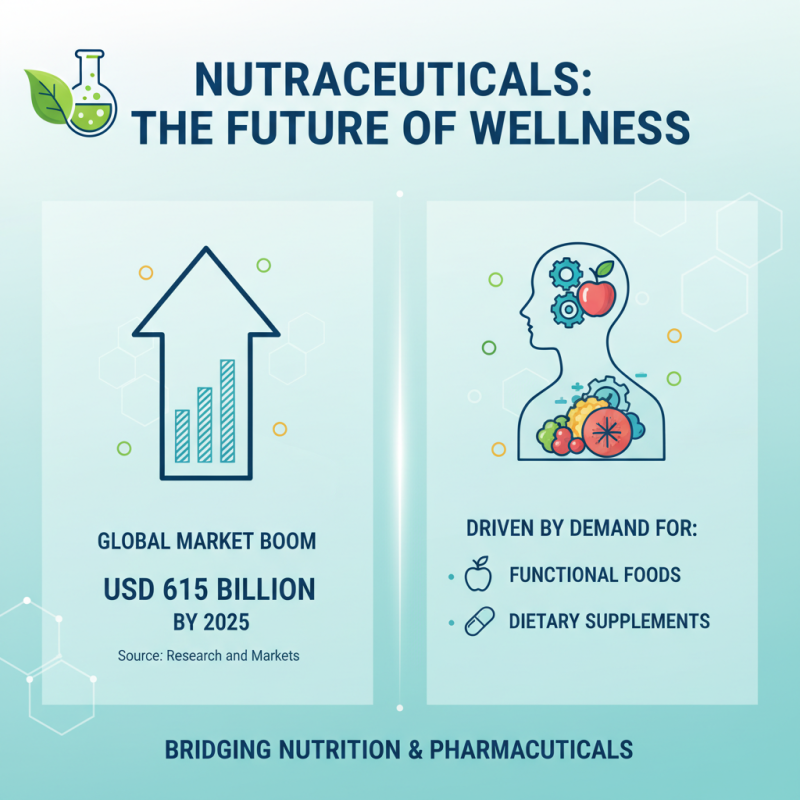
The rising interest in health and wellness has brought the spotlight onto nutraceuticals, which are increasingly recognized as a pivotal aspect of modern supplementation. According to the “Global Nutraceuticals Market” report by Research and Markets, the market is projected to reach USD 615 billion by 2025, driven by the increasing demand for functional foods and dietary supplements. This significant growth underscores the importance consumers place on health-enhancing products that bridge the gap between nutrition and pharmaceuticals.
Nutraceuticals encompass a vast range of products derived from food sources that offer health benefits beyond basic nutrition. A comprehensive study from the Nutraceuticals World reveals that over 75% of consumers are now turning to these supplements to improve their overall health and wellness metrics, including immunity, digestion, and cognitive function. These findings highlight the need for individuals to understand not only the benefits of various components but also the quality and safety standards governing nutraceuticals, as the efficacy of these supplements is closely linked to their formulations. With an informed approach to supplementation, individuals can tailor their health regimens to meet specific goals, ensuring they maximize the potential benefits of these powerful substances.
Key Nutrients: Essential Vitamins and Minerals for Optimal Health
Essential vitamins and minerals play a crucial role in achieving optimal health and wellness. These nutrients are not just supplementary; they are foundational components that support various bodily functions. For instance, vitamin C is well-known for its immune-boosting properties, while B vitamins are vital for energy production and the maintenance of healthy brain function. Vitamin D, often referred to as the "sunshine vitamin," is essential for bone health and has been linked to mood regulation. Ensuring adequate intake of these vitamins can help mitigate the risk of chronic diseases and enhance overall vitality.
Minerals are equally important and serve specific roles that are vital for daily functioning. Calcium and magnesium are essential for strong bones and muscle function, while potassium plays a critical role in maintaining fluid balance and regulating blood pressure. Zinc is another important mineral that supports immune health and aids in wound healing. Incorporating a diverse range of foods rich in these nutrients or considering appropriate supplements can help fill potential dietary gaps and ensure that the body operates at its best. Prioritizing these key nutrients is a proactive approach to achieving your health and wellness goals.
The Role of Amino Acids in Muscle Recovery and Growth
Amino acids play a crucial role in muscle recovery and growth, making them essential components in any health and wellness regimen focused on fitness. They are the building blocks of proteins, which are vital for muscle repair after intense workouts. When you engage in strength training or endurance exercises, your muscle fibers undergo stress and require amino acids to rebuild and grow stronger. This is where the importance of supplementing with amino acids comes into play.
To optimize muscle recovery, consider incorporating branched-chain amino acids (BCAAs) into your post-workout nutrition. Research suggests that BCAAs can significantly reduce muscle soreness and accelerate recovery time. In addition, ensure that you consume a balanced diet that includes a variety of protein sources to supply all essential amino acids. This will not only support muscle growth but also enhance your overall performance.
Tips: Always prioritize timing your amino acid intake around your workouts. Consuming them within a 30-minute window after exercising can maximize muscle protein synthesis. Furthermore, stay hydrated to help your body efficiently utilize these nutrients. By understanding the role of amino acids in your fitness journey, you can better achieve your health and wellness goals.
Herbal Extracts: Nature's Powerful Allies in Supporting Wellness Goals
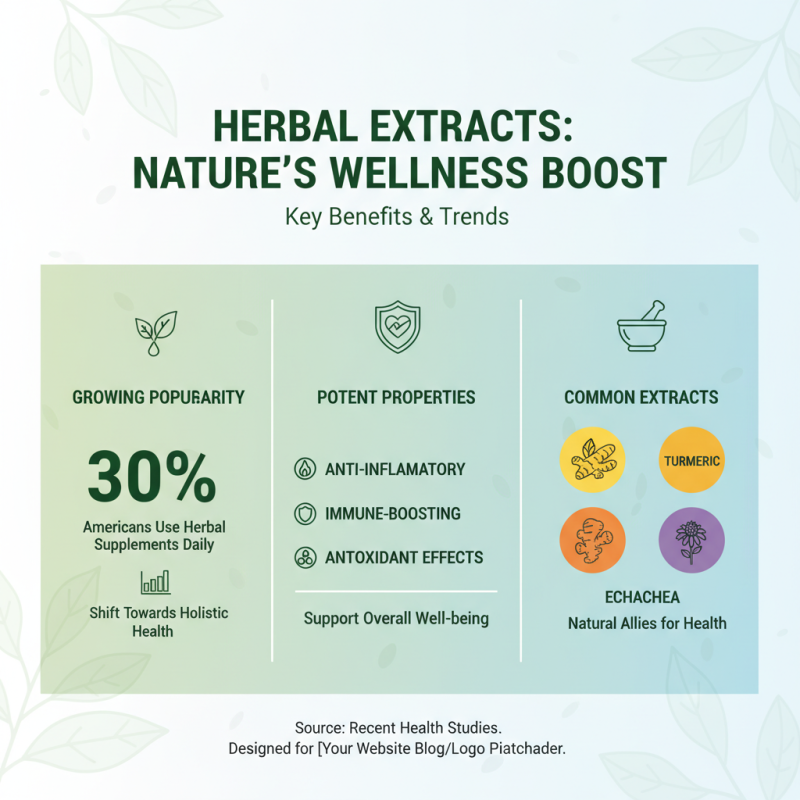
Herbal extracts have gained significant recognition in the health and wellness industry due to their potent properties that can support various wellness goals. With the growing consumer interest in natural remedies, recent studies indicate that approximately 30% of Americans have incorporated herbal supplements into their daily routines, highlighting a shift towards holistic health practices. Herbal extracts like turmeric, ginger, and echinacea are often lauded for their anti-inflammatory, immune-boosting, and antioxidant effects, making them valuable allies in the pursuit of overall well-being.
When considering herbal extracts, it’s crucial to ensure quality and dosage alignment with personal health goals. For instance, the Eclectic Institute’s Herbal Tinctures Report indicates that extraction methods significantly influence the bioavailability of active compounds in plants. Therefore, selecting high-quality extracts distilled using proper methods can enhance their efficacy.
**Tips:** When adding herbal extracts to your regimen, start with small doses to monitor your body’s response. Integrating these supplements gradually allows you to identify what works best for your individual health objectives. Additionally, consult with a healthcare professional versed in herbal medicine to tailor your choices effectively for optimal results.
Evaluating Bioavailability: How Ingredient Quality Affects Absorption
When it comes to achieving your health and wellness goals, the bioavailability of supplement components plays a critical role.
Bioavailability refers to the degree and rate at which substances are absorbed into the bloodstream, ultimately determining their effectiveness.
Research indicates that the quality of the ingredients directly impacts bioavailability; for instance, studies from the Journal of Nutritional Biochemistry have shown that pure, well-processed nutrients are absorbed more efficiently than synthetic counterparts.
This means that a high-quality supplement can deliver greater benefits, allowing you to achieve your goals faster.
It’s important to note that certain factors can enhance or inhibit the absorption of vitamins and minerals.
For example, fat-soluble vitamins—such as vitamins A, D, E, and K—require dietary fats to aid their absorption.
According to the National Institutes of Health, combining these supplements with healthy fats can significantly improve their bioavailability.
Additionally, bioenhancers like piperine found in black pepper have been shown to increase the absorption of certain nutrients.
Tips: Always check for third-party testing results to ensure ingredient quality.
Consider pairing your supplements with foods that support absorption; for example, taking a vitamin D supplement alongside a meal that includes healthy fats can enhance its efficacy.
Lastly, maintaining gut health through a balanced diet can create a more favorable environment for nutrient absorption.
Emerging Trends: Personalization of Supplements for Individual Needs
The trend toward personalized supplementation is rapidly gaining traction, as individuals seek tailored solutions that fit their unique health and wellness goals. According to a recent report by the Council for Responsible Nutrition, approximately 77% of supplement users are now interested in products that are customized to their specific health needs. This shift is driven by the growing recognition that a one-size-fits-all approach may not effectively address the diverse nutritional requirements of different individuals.
Emerging technologies, including AI-driven platforms and genetic testing, are paving the way for a more personalized supplement experience. A study published in the Journal of Nutrition highlights that personalized supplementation can improve adherence and outcomes, as individuals are more likely to engage with tailored solutions that resonate with their personal health journeys. This personalization extends beyond basic vitamins and minerals to include herbal extracts and functional ingredients that align with specific lifestyle goals, such as muscle recovery, cognitive enhancement, or immunity support. As awareness and demand for personalized health solutions continue to rise, the supplement industry is poised for significant evolution, catering to a market that values individuality in pursuit of optimal wellness.
Why Supplement Components Matter for Your Health and Wellness Goals - Emerging Trends: Personalization of Supplements for Individual Needs
| Component |
Health Benefit |
Recommended Daily Intake |
Personalization Factor |
| Vitamin D |
Bone Health |
600-800 IU |
Depends on sun exposure |
| Omega-3 Fatty Acids |
Heart Health |
250-500 mg |
Dietary intake and lifestyle |
| Magnesium |
Muscle Function |
310-420 mg |
Activity level |
| Probiotics |
Gut Health |
1-10 billion CFUs |
Digestive health status |
| Zinc |
Immune Support |
8-11 mg |
Age and diet |
Conclusion
Supplement components play a crucial role in achieving health and wellness goals, as they determine the efficacy of nutraceuticals in modern supplementation. Essential vitamins and minerals are foundational elements that support optimal health, while amino acids contribute significantly to muscle recovery and growth. Additionally, herbal extracts serve as powerful allies, offering natural support for overall well-being.
Evaluating the bioavailability of these supplement components is vital, as the quality of ingredients directly affects nutrient absorption in the body. As the industry evolves, emerging trends in the personalization of supplements are becoming increasingly prominent, allowing individuals to tailor their nutrition strategies to meet specific health needs. Understanding these components is essential for anyone looking to enhance their health journey effectively.