In the ever-changing world of skincare, getting a handle on 'Cosmetic Ingredient Stability in Skincare Products' is more important than ever. Experts will tell you that making sure ingredients stay stable isn’t just about safety — it also means your product actually works as intended. Dr. Jane Smith from SkinScience Labs, a real pro in the field, explains it pretty simply: 'Ingredient stability is key to keeping your product fresh and effective throughout its shelf life.'
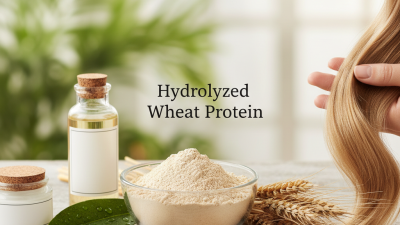
Figuring out how to achieve stability starts with choosing the right formulas. The ingredients need to play nicely together — otherwise, they could break down before they even reach your skin. Take, for example, Hydrolyzed Keratin in hair products — a good illustration of how certain ingredients can boost stability. On top of that, brands should pay close attention to packaging and how they store their products. Exposure to light or changes in temperature can ruin ingredients, which no one wants — especially not customers.
As brands push for new and exciting innovations, it’s worth stopping to ask: are they really focusing on making their products stable, or just chasing the latest trends? Sometimes, products come out looking great but can’t hold up under real-world testing. That kind of imperfection is a good reminder that we need to be more committed to improving ingredient stability — because in the long run, that’s what really counts.

Understanding Cosmetic Ingredient Stability in Skincare Formulations
Understanding cosmetic ingredient stability in skincare formulations is crucial for quality and efficacy. Stability ensures that active ingredients remain effective over time, supporting consumer trust. According to a report by the Personal Care Products Council, nearly 30% of skincare products fail stability tests, leading to reduced shelf life and potential product recalls.
Several factors affect ingredient stability. Temperature fluctuations can degrade compounds. For instance, retinol loses potency when exposed to heat or light. Additionally, pH levels can impact the stability of formulations, especially for acids like ascorbic acid. A study published in the Journal of Cosmetic Science highlights that the optimal pH range for stability in these formulations is critical to maintaining their effectiveness.
Packaging also plays a role. Air exposure can lead to oxidation, diminishing ingredient effectiveness. Many brands are investing in airless packaging to mitigate this issue. Despite advancements, companies often overlook the importance of extensive stability testing. Experts suggest that a meticulous approach to formulation can prevent costly failures and ensure that consumers receive effective products.
Top Tips for Ensuring Cosmetic Ingredient Stability in Skincare Products
This chart illustrates the relative impact of various factors on the stability of cosmetic ingredients in skincare formulations. A higher stability impact score indicates a greater importance in maintaining ingredient effectiveness and product safety.
Key Factors Affecting Stability of Active Ingredients in Skincare
When formulating skincare products, the stability of active ingredients is crucial. Factors like temperature, pH levels, and light exposure can greatly influence the effectiveness of Cosmetic Ingredients. A study by the International Journal of Cosmetic Science revealed that unstable ingredients could lose up to 50% of their efficacy over time. This loss affects product performance and consumer trust.
One way to ensure stability is to minimize exposure to light. Packaging should be opaque and UV-protective. Heat is another enemy; storing products in a cool, dry place can help maintain ingredient integrity. Monitoring pH levels during formulation is vital. A slight shift can cause degradation of sensitive active components.
Testing is essential. Conducting accelerated stability tests can reveal how products behave over time. Consider incorporating antioxidants to help protect against oxidation. Formulating with stable bases can also enhance the longevity of cosmetic ingredients. Being mindful during the creation process is necessary for achieving effective and safe skincare solutions.
Importance of pH Levels in Maintaining Ingredient Efficacy
pH levels play a critical role in the efficacy of cosmetic ingredients in skincare products. The skin's natural pH is typically between 4.5 and 5.5, which is slightly acidic. Maintaining this balance is essential for optimal ingredient absorption and stability. For example, a study published in the Journal of Cosmetic Science indicated that products outside this pH range might lead to ingredient degradation, reducing their effectiveness by up to 50%.
Tips for ensuring stability include regular pH testing during formulation. This helps in adjusting the product to remain within the ideal pH range. Employ buffering agents when necessary. These agents can help maintain pH levels without compromising the overall formula. Utilizing a well-structured formulation can also enhance the stability of active ingredients.
Incorporating Supplement Ingredients that support skin health can further improve product efficacy. Ingredients like hyaluronic acid and vitamin C thrive in balanced pH environments. However, formulators must remain cautious. Some interactions between ingredients can cause pH fluctuations, leading to instability. Regular stability tests should be part of product development to address these potential issues before they reach consumers.
Role of Temperature and Light Exposure on Ingredient Degradation
Temperature and light exposure significantly affect the stability of cosmetic ingredients in skincare products. High temperatures can cause chemical reactions that degrade active compounds. For example, many antioxidants lose potency in excessive heat. It's essential to store products away from direct sunlight because UV rays can break down ingredients like vitamins and peptides. An ideal storage environment can enhance the product's efficacy and longevity.
Ingredient Moisturizer Skintific formulations must also consider packaging to protect their contents. Dark or opaque containers help shield ingredients from harmful light. Additionally, airflow can trigger degradation. Open containers expose formulations to contaminants and moisture, compromising their integrity. Users may notice changes in texture or scent, signals that stability has been affected. Reflecting on a product's lifespan encourages consumers to practice better storage habits. Not all formulations will remain potent forever. Monitoring environmental factors contributes to more effective skincare routines.
Utilizing Preservatives to Extend Shelf Life of Skincare Products
When formulating skincare products, the role of preservatives cannot be overstated. They help prevent microbial growth and extend the shelf life of formulations. According to a 2022 industry report, nearly 80% of skincare lines experience stability issues within the first three months. This data underscores the necessity for effective preservatives in maintaining product integrity.
Choosing the right preservatives is a critical decision. Each has its unique strengths and weaknesses. For instance, paraben alternatives like phenoxyethanol are gaining traction. However, they can sometimes lead to skin irritation if not used correctly. Manufacturers need to balance efficacy and safety. The ideal formula should reduce the risk of contamination without compromising consumer trust.
Despite advancements, the preservation of cosmetic products remains a challenge. Natural alternatives often lack the potency required for long shelf life. This reality compels formulators to rethink ingredient combinations. Transparency in sourcing and formulation practices is now expected by consumers. Crafting effective, stable products while addressing these concerns is no small feat in the beauty industry.
Best Practices for Packaging to Enhance Product Stability
Effective packaging plays a vital role in ensuring the stability of cosmetic ingredients in skincare products. Utilizing opaque containers can prevent UV light exposure, which leads to ingredient degradation.
Dark or frosted glass, for instance, is a great option. It not only protects the formula but also adds a touch of luxury.
Another key factor is ensuring airtight seals. Air exposure can cause oxidation, diminishing the formula's effectiveness. Consider packaging that uses pumps or airless systems, since these limit contact with air. This design also helps maintain consistency with each use.
However, it’s essential to reflect on the reality of consumer behavior. Some may struggle to fully close jars after each use. This oversight can compromise product integrity. Educating consumers on proper usage can go a long way in enhancing the stability of skincare products. Ultimately, the right packaging coupled with user awareness can lead to more effective and stable formulations.
Conducting Stability Testing: Methods and Industry Standards
Conducting stability testing is crucial for ensuring product quality in skincare. The stability of cosmetic ingredients directly impacts their efficacy, safety, and overall consumer satisfaction. Industry standards recommend various testing methods, including accelerated stability tests and long-term stability assessments. These methods help predict how
Skincare Actives behave over time, determining their shelf life.
Research shows that 40% of formulated products fail stability testing, often due to environmental factors like temperature and light exposure. A thorough examination of formulation pH and moisture levels can reveal potential weaknesses. Testing under different conditions helps identify which skincare actives are most resilient. Brands must stay informed about the latest standards from institutions such as the International Organization for Standardization (ISO).
A common challenge in stability testing is achieving a balance between ingredient efficacy and product safety. While some ingredients may show impressive initial results, they can degrade quickly under certain conditions. Continuous monitoring and testing provide insights into how formulations can be optimized. This ongoing process acknowledges that stability is not just about passing tests but continually improving formulations through reevaluation and adaptation.
FAQS
: Temperature, pH levels, and light exposure significantly influence ingredient stability.
Light can degrade unstable ingredients, reducing their effectiveness over time.
Use opaque, UV-protective packaging and store products in a cool, dry place.
Maintaining a pH between 4.5 and 5.5 promotes ingredient absorption and prevents degradation.
Regular pH testing during formulation can help keep products within the ideal range.
Buffering agents help stabilize pH levels without compromising the product’s formula.
Stability tests reveal how products behave over time, ensuring effectiveness for consumers.
Yes, hyaluronic acid and vitamin C thrive in well-balanced pH environments.
Ingredient interactions can cause pH fluctuations, leading to instability in products.
Absolutely, regular stability tests can catch issues before products reach consumers.
Conclusion
Ensuring cosmetic ingredient stability in skincare products is crucial for maintaining their effectiveness and safety over time. This involves understanding the factors that can affect the stability of active ingredients, such as pH levels, which play a significant role in preserving ingredient efficacy. Additionally, temperature and light exposure can lead to ingredient degradation, making it essential to consider conditions under which products are stored and used.
Utilizing preservatives is another key strategy for extending the shelf life of skincare formulations. Best practices in packaging design, such as using opaque containers that limit light exposure, can further enhance product stability. Furthermore, conducting stability testing according to industry standards is necessary to ascertain the longevity and reliability of skincare products. By focusing on these aspects, manufacturers can significantly improve cosmetic ingredient stability in skincare products, ultimately ensuring that consumers receive high-quality and effective formulations.