In the fast-changing world of supplements, creating a successful product takes more than just basic know-how. Industry expert Dr. Sarah Thompson—who's pretty much a big deal in the field—often reminds folks, “Having a solid Supplement Formulation Development Guide can really make all the difference.” Her words underline just how critical strategic planning is when you're developing effective formulations.
When you're diving into supplement formulation, really understanding who you're making it for is key. It helps guide your choice of ingredients, making sure they actually meet what consumers are after. Of course, the process also involves a lot of testing and quality checks. Paying attention to details like flavor and texture can really boost the user experience. That being said, a lot of formulations fall flat—sometimes because of not enough research or goals that are out of sync.
And let’s face it, developing supplements isn’t a one-size-fits-all deal. Different markets have their own unique demands, so you gotta stay flexible and keep fine-tuning your approach. Every stage of the Supplement Formulation Development Guide should encourage some reflection. Listening to what consumers have to say can really help you make improvements, turning an okay product into a major hit. Striking a balance between innovation and tried-and-true science is what really makes a skincare formulation stand out and truly connect with people.

Understanding the Basics of Supplement Formulation Development
Understanding the nuances of supplement formulation development is critical for success in this competitive industry. One must pay careful attention to ingredient selection. Factors such as bioavailability, stability, and interactions can greatly influence the effectiveness of a supplement. Each ingredient should serve a specific function, and it often requires a deep understanding of nutritional science to make informed choices.
When formulating, consider these essential tips. Start with a clear goal. Determine the desired outcome for your supplement. Will it support energy, immunity, or overall wellness? This clarity helps in selecting the right components.
Testing is crucial too. Formulations may not work as intended on the first try. Regularly evaluate and adjust your formulas based on feedback and scientific research.
Don’t overlook regulatory considerations, as they can impact your development process. Adhering to safety standards enhances your credibility. Work with experts in the field to navigate complex regulations. Collaboration will save time and resources. Formulation is a constant learning journey. Stay open-minded about the changes needed along the way.
Identifying Target Demographics for Supplement Products
Identifying target demographics is crucial in the development of supplement products. Understanding who will benefit from a product helps tailor formulation and marketing strategies. Research shows that specific age groups, such as millennials, are increasingly investing in health supplements. A report by the Council for Responsible Nutrition indicated that 73% of millennials use dietary supplements regularly, highlighting a significant market segment.
When developing a product, consider lifestyle factors. Many younger consumers prioritize fitness and wellness, prompting interest in specific formulations. For instance, pre-workout supplements often attract active individuals aged 18-35. In contrast, older demographics might seek joint health or cognitive enhancement, demanding distinct formulations. This variation requires brands to adapt their approaches in terms of marketing and product development.
Awareness of demographic needs doesn’t guarantee success. Brands need extensive market research to avoid missteps. The rise in popularity of Cosmeceutical Formulation illustrates the blending of beauty and health. However, not every product will resonate with every group. Brands should actively seek feedback and remain flexible, ensuring they stay aligned with consumer expectations. Adapting to market demands is essential, but it can be challenging to pinpoint the most effective strategies.
Target Demographics for Supplement Products
Selecting Quality Ingredients for Effective Formulations
When developing supplement formulations, selecting quality ingredients is crucial. Start by sourcing raw materials from reputable suppliers. Look for those who provide detailed information about ingredient origins and processing methods. Transparency builds trust and helps ensure product efficacy.
Consider the bioavailability of each ingredient. Some compounds are better absorbed than others. Research shows that certain forms of vitamins and minerals offer superior absorption rates. This means they are more effective. Invest time in understanding these differences.
Keep in mind that even high-quality ingredients can lead to subpar formulations if not balanced correctly. Experimentation is essential. Adjusting ratios might alter effectiveness. Always be willing to revise formulations based on initial outcomes. This iterative process can lead to innovative solutions, addressing potential shortcomings.
Lastly, your team's expertise matters. Engage with professionals who have experience in supplement formulation. Their insights can guide your ingredient choices and formulation strategies. Don't overlook this aspect—building a knowledgeable team is a key factor in successful product development.
Ensuring Compliance with Regulatory Standards in Supplement Development
When developing dietary supplements, ensuring compliance with regulatory standards is crucial. Many manufacturers overlook the importance of these standards, which can lead to costly setbacks. According to a report from the Council for Responsible Nutrition, over 75% of supplement products fail to meet all regulatory guidelines at first review. This statistic underscores the need for thorough knowledge of regulations and guidelines.
Regulatory compliance involves understanding both national and international standards. For instance, in the U.S., the FDA oversees dietary supplement regulations. In Europe, EFSA sets strict guidelines. These regulations dictate ingredient safety, labeling, and health claims. A common issue arises with ingredient sourcing. Many companies do not verify the quality of raw materials, leading to potential non-compliance. Furthermore, suppliers must provide assurance that ingredients align with safety standards.
Formulation processes must also be scrutinized. When creating a product, such as a Cosmetic Cream Formulation, manufacturers must conduct stability testing. This ensures that the final product maintains its intended properties. Regulatory compliance is not merely a checklist; it requires ongoing vigilance. Companies should actively monitor changes in regulations and be prepared to adjust formulations accordingly. Relying on outdated practices can jeopardize product viability and consumer trust. A proactive approach will help maintain compliance and foster a reputation for quality.
Conducting Stability and Efficacy Testing for Supplements
Conducting stability and efficacy testing is crucial in supplement formulation development. Stability testing ensures that the product maintains its integrity over time, while efficacy testing confirms its intended benefits. Establishing a robust testing protocol can help brands avoid costly mistakes. Products often fail to meet label claims, leading to consumer dissatisfaction.
To begin, consider environmental factors such as temperature and humidity. Subjecting the formulation to various conditions can reveal potential degradation. For example, heat may cause some ingredients to lose potency. Conducting accelerated stability tests simulates long-term conditions in a shorter timeframe.
Efficacy testing is equally important. It provides data on how well a product performs its intended function. Engage with qualified professionals for proper testing. Clinical studies can yield insights, but they require substantial resources. Not all formulations pass these tests, prompting a need for revisions.
Monitoring the interaction of ingredients through Beauty Formulation Elements is vital. Such diligence can enhance a supplement's appeal and effectiveness. Failure to address these aspects can compromise a brand’s reputation. A reliable formulation process is the foundation of consumer trust.
Designing Appropriate Packaging and Labeling for Supplements
When creating packaging for supplements, every detail matters. The packaging itself should not only protect the product but also attract consumers. Clear labels assist in communicating essential information, including ingredients and benefits. These elements can set a brand apart, reflecting commitment to transparency and quality.
Design plays a crucial role in standing out in a crowded market. Colors, fonts, and images evoke emotions and convey messages. An eye-catching design can entice potential buyers. Yet, it’s vital to ensure all claims made are backed by solid evidence. Customers rely on accurate information to make decisions about their health. Sometimes, brands fall short in this area, leading to distrust.
Labeling laws vary across regions, making compliance essential. Brands must remain informed to avoid pitfalls. Including clear usage instructions is often overlooked. Many consumers appreciate guidance on the right dosage and potential side effects. Packaging should also consider aspects like sustainability, appealing to environmentally-conscious consumers. Whenever possible, prioritize eco-friendly materials. In the field of
Natural Skincare Formulation, such choices resonate deeply with users. They value brands that align with their values, and such consideration enhances brand reputation.
Strategies for Market Positioning and Promotion of Supplements
Positioning and promoting dietary supplements require a deep understanding of the target audience. Knowing their preferences and needs is essential. For instance, younger consumers may seek energy-boosting products, while older demographics might look for joint support. Conducting market research helps tailor formulations and marketing strategies effectively.
It's crucial to create a compelling narrative. Convey the benefits, not just the features. Use engaging storytelling that resonates with the audience. Visual elements play a key role too. Eye-catching packaging can grab attention on crowded shelves. Social media platforms are effective for promotions. Influencers can amplify visibility, but choosing the right ones is vital.
However, challenges can arise. Misinformation can damage credibility. Staying transparent about ingredient sourcing and production processes fosters trust. Regularly update educational content to maintain authority. Engage with customers through feedback and continuously improve formulations. This adaptability enhances brand loyalty over time.
Empirical Evidence on the Efficacy of Natural Melatonin Powder: A Comprehensive Review of Sleep Quality Improvement Studies
Natural melatonin powder has garnered increasing attention in recent years for its role in enhancing sleep quality and promoting overall well-being. Numerous studies have demonstrated its effectiveness as a sleep aid, showing improvements in both the duration and quality of sleep across various populations. According to a meta-analysis published in the journal "Sleep Medicine Reviews," melatonin supplementation can reduce sleep onset latency by approximately 24 minutes and increase total sleep time by an average of 20 minutes. These findings underscore the potential of natural melatonin as a beneficial sleep supplement.
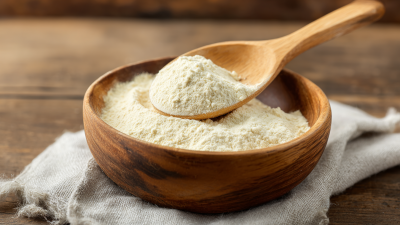
The high purity of melatonin powder, often boasting around 99%, ensures its efficacy in delivering the intended benefits without unnecessary additives. Its primary functions include not only improving sleep quality but also stabilizing the nervous system and maintaining immune balance. Research from the National Institutes of Health indicates that melatonin can modulate immune responses, suggesting its role in enhancing the body's defense mechanisms. This multifaceted effect further strengthens the case for incorporating melatonin into food supplements and pharmaceutical products aimed at supporting sleep and overall health.
Moreover, the adaptability of melatonin powder allows for diverse applications. Whether used in dietary supplements or integrated into pharmaceutical formulations, its effectiveness remains a focal point in sleep quality improvement studies. Emerging data continues to highlight the advantages of natural melatonin, making it a valuable topic for anyone looking to enhance their sleep experience naturally. With ongoing research, the understanding of melatonin's full potential continues to expand, opening new avenues for its application in promoting restful sleep and supporting overall health.
FAQS
: Ingredient selection impacts effectiveness. Factors like bioavailability and stability matter greatly. Each ingredient should serve a clear function.
Clear goals guide the selection of components. Goals might focus on energy, immunity, or overall wellness. This ensures relevance.
Testing helps identify flaws in initial formulations. Regular evaluations are needed to adjust based on feedback and research.
Compliance prevents costly setbacks. Many products fail to meet standards on the first review, highlighting its importance.
Sourcing from reputable suppliers is critical. Transparency about ingredient origins helps ensure product efficacy and builds consumer trust.
Some ingredients absorb better than others. Researching absorption rates influences the overall effectiveness of the supplement.
Engaging experienced professionals enhances ingredient choices. Their insights guide strategies and prevent common pitfalls in development.
Many companies overlook ingredient quality verification. This can lead to regulatory non-compliance and safety concerns.
It involves experimenting with ingredient ratios. Adjustments based on initial results can lead to improved formulations and solutions.
A proactive approach helps maintain compliance. Keeping up with changes prevents relying on outdated practices and potential trust issues.
Conclusion
The "Supplement Formulation Development Guide" provides a comprehensive overview for creating effective and compliant dietary supplements. It begins by highlighting the fundamental aspects of supplement formulation, emphasizing the importance of understanding target demographics to tailor products to consumer needs. Quality ingredients play a crucial role in formulating effective supplements, ensuring both efficacy and safety.
The guide further outlines the necessity of adhering to regulatory standards to maintain compliance throughout the development process. Conducting stability and efficacy testing is essential for guaranteeing product reliability. Additionally, it covers the importance of thoughtful packaging and labeling to enhance consumer appeal and understanding. Ultimately, strategic market positioning and promotion are key to successfully launching supplements in a competitive market, making this guide an invaluable resource for aspiring supplement developers.