Leave Your Message
When you're picking a supplier for hydrolyzed proteins, it's not just about comparing product names or quoted prices. You've gotta dig deeper. Think about things like where the protein comes from, how it's hydrolyzed, what the peptide profile looks like, how soluble it is, even the flavor and whether it's consistent batch after batch. All that stuff really matters because it'll affect how the ingredient behaves in your beverage, nutrition shake, or that fancy food formula you're working on. You know, a fine powder might seem straightforward, but once you actually mix it into a real production line, it can behave completely differently. It's a bit of a surprise, honestly.
Alright, so I've pulled together a guide covering ten manufacturers that work with hydrolyzed protein ingredients. I'll walk you through some practical things to keep in mind when you're checking them out. We're talking about their product range, what they can actually do in terms of manufacturing, the quality documentation they provide, and how clear they are with technical info. One thing to remember: you should always verify the latest specs directly with each company, because their portfolios and production facilities can shift over time, you know? So don't just take my word for it—double-check. Before you make a call on this, you really should ask for the relevant certificates, maybe some test results, sample quantities—and oh, don't forget the minimum order sizes. Honestly, that stuff matters a lot, you know?
Sure, a supplier's website can give you some useful clues—but let's be honest, marketing copy only gets you so far. It doesn't actually prove the product will work for your specific situation. So ask for the technical data sheet and compare it with your requirements. And if you can, get samples and test them the way you'd really use the product: with your mixing process, your storage timeline, all of it. Because results can vary. Just because a supplier is popular or tops some ranking doesn't mean they're the right fit for you. At the end of the day, no ranked list beats doing your own homework. So here's the thing – this comparison isn't meant to be your final answer or a guarantee that you'll love what you pick. It's more of a nudge in the right direction, you know? Just to help you focus your search a bit. But honestly, it can't cover everything. There will always be those nagging questions that a product page simply doesn't answer. So take it as a starting point, not the whole story.
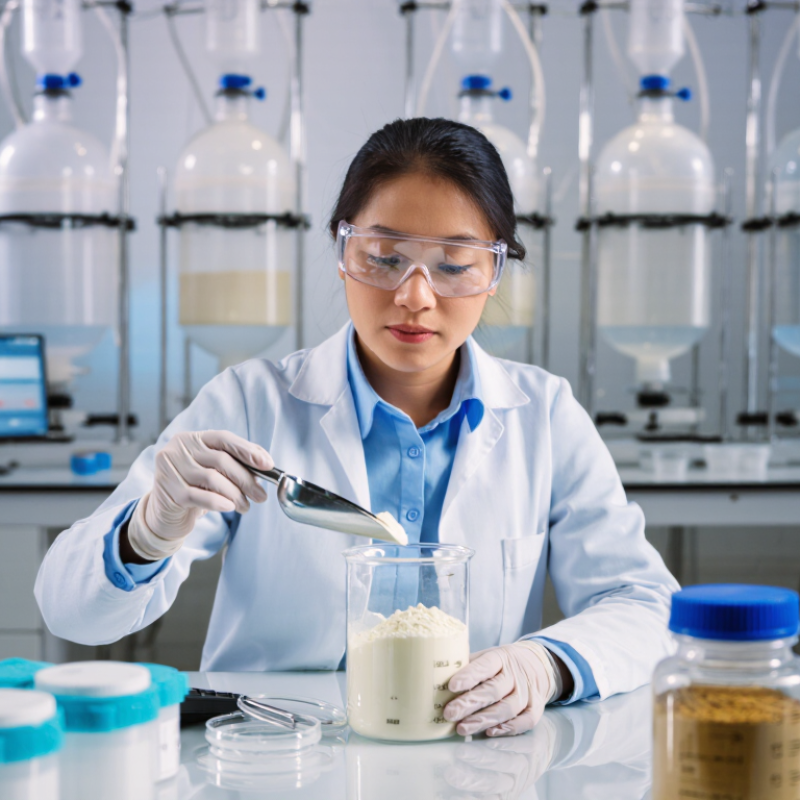
Hydrolyzed Protein: Definition, Sources, and Core Product Categories
Hydrolyzed protein is protein broken into smaller peptides through enzymes, acids, or other controlled processing. The result can dissolve or disperse differently from its original source. Enzymatically Hydrolyzed Proteins are made using enzymes, though processing conditions affect peptide size, taste, and performance. Common sources include dairy, soy, wheat, fish, and collagen-rich animal materials. Each brings a distinct nutritional profile and practical considerations, such as allergens, flavor, and solubility. That matters.
Tips: Check the source, hydrolysis method, intended use, and ingredient specifications. A small sample can reveal bitterness or clumping before a larger trial.
Core product categories are often grouped by source: dairy protein hydrolysates, plant protein hydrolysates, fish-derived hydrolysates, and collagen or other animal protein hydrolysates. They may be used in foods, beverages, and specialized nutrition products, depending on formulation needs. “Hydrolyzed” does not mean identical: two products from the same source can behave differently. There is no universal best option. A clear specification and careful testing are more useful than relying on the category name alone; even then, sensory results can be a little stubborn.
Hydrolyzed protein is protein that has been broken into smaller peptides and amino acids, commonly using enzymes, acids, or alkalis. This table compares ten ingredient categories and their typical sources and applications; it is not a manufacturer ranking. Product composition and uses vary by processing method and supplier.
| No. | Hydrolyzed Protein Category | Typical Source | Common Production Approach | Typical Characteristics and Applications |
|---|---|---|---|---|
| 1 | Whey Protein Hydrolysate | Whey, a dairy-derived protein fraction | Usually produced by enzymatic hydrolysis | Contains peptides derived from whey proteins; used in specialized nutrition and sports-nutrition products. Dairy allergens remain relevant. |
| 2 | Casein Hydrolysate | Casein from milk | Enzymatic hydrolysis is commonly used | Provides casein-derived peptides and is used in selected nutrition and food formulations. It is milk-derived and may not suit people with milk allergy. |
| 3 | Collagen Peptides | Collagen from bovine, porcine, poultry, or marine sources | Typically made by enzymatic hydrolysis of collagen or gelatin | Used in beverages, powders, and foods. Amino-acid composition differs from complete proteins and is relatively low in some essential amino acids. |
| 4 | Soy Protein Hydrolysate | Soy protein | Enzymatic, acid, or other controlled hydrolysis processes | Used in savory foods, seasonings, and formulated nutrition products. Soy is a major food allergen in many jurisdictions. |
| 5 | Pea Protein Hydrolysate | Pea protein | Usually produced through enzyme treatment | Plant-based peptide ingredient used in food and nutrition formulations; flavor and solubility depend on the protein and process. |
| 6 | Wheat Gluten Hydrolysate | Wheat gluten | Enzymatic or acid hydrolysis | Used in savory flavoring and food formulations. It is wheat-derived and is unsuitable for people who must avoid gluten or wheat, depending on the product and applicable requirements. |
| 7 | Rice Protein Hydrolysate | Rice protein | Commonly produced by enzymatic hydrolysis | Plant-derived peptides used in selected food and nutrition products; composition and functional properties vary with the starting material and processing. |
| 8 | Fish Protein Hydrolysate | Fish muscle or fish-processing co-products | Often produced by enzymatic hydrolysis | Used in food, feed, and specialized nutrition applications. Fish-allergen status and labeling depend on the source and local regulations. |
| 9 | Poultry Protein Hydrolysate | Poultry tissues or processing co-products | Typically produced by controlled enzymatic hydrolysis | Commonly used in animal-feed and pet-food formulations, including as a source of peptides and palatable flavor components. |
| 10 | Yeast Protein Hydrolysate | Yeast biomass or yeast-derived protein | Produced using enzymes or other hydrolysis processes | Used in savory foods, seasonings, and feed applications; taste and composition depend on the yeast and processing conditions. |
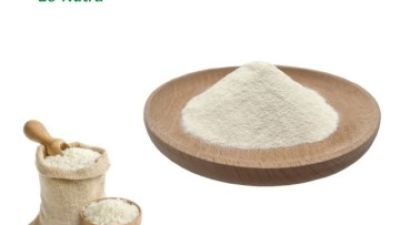
When evaluating China natural hydrolyzed rice protein manufacturers, buyers can begin with clear, verifiable product specifications. Hydrolyzed Rice Protein is supplied as a light yellow powder with protein content of at least 80.0%. Its average molecular weight is no more than 2,000 Daltons, with customization available to suit different formulation needs. In aqueous solution, it should appear clear and transparent, and its pH range is 5.5–7.5. Consistent specifications and suitable documentation can help buyers assess product quality and compare suppliers.
This ingredient is designed for personal-care formulations that call for a gentle, plant-derived protein. Its stated benefits include deep moisturizing, skin repair, antioxidant support, and soothing care. Potential applications include sensitive skin care products, mild cleansing products, and hair care products. When sourcing, formulators can discuss the intended application, desired molecular-weight profile, and other formulation requirements with manufacturers to determine whether the supplied grade is appropriate.
For reliable handling, the powder should be kept sealed in a cool, dry place, away from direct sunlight, high temperatures, and humidity. Buyers can also confirm packaging and storage guidance with suppliers to help maintain product condition during transport and storage.
Common sources include fish, poultry, pork, soy, and wheat. Each can differ in taste, digestibility, and formulation behavior.
Check protein content, peptide-size profile, solubility, ash, and batch consistency. Crude protein alone gives an incomplete picture.
No. Large supply figures show resource availability, not hydrolysate quality or demand. Processing details still matter.
Request origin records, processing details, and recent test certificates. A polished product sheet can still leave questions.
Hydrolysis creates peptide fragments and free amino acids in varying proportions. A clear profile helps compare products beyond broad protein percentages.
It should identify the lot, test method, and test date. Numbers without context are hard to assess.
Testing may cover total counts, yeast and mold, and specified pathogens. Methods should be validated and limits should fit the intended use.
No. Contamination can be uneven, so one small sample cannot represent everything. That matters. Manufacturers should keep traceable records and investigate unusual results. Independent testing helps, but cannot replace sound production controls.
Hydrolyzed Proteins are produced by breaking intact proteins into smaller peptides and amino acids, commonly using enzymes. Their sources may include plant, dairy, or other food-grade protein materials, and their characteristics depend on the starting material and processing conditions. This overview explains how enzymatic hydrolysis can create peptides of different molecular weights, and how degree of hydrolysis and amino-acid composition help describe product properties and quality.
The article also introduces ten Chinese manufacturers and compares them by product range, feedstocks, production capacity, protein content, certifications, and export experience. It explores how peptide specifications can be matched to applications in food, nutrition, and animal feed, while highlighting quality-control considerations such as amino-acid profiles, microbial limits, and appropriate testing methods. These criteria offer a practical framework for assessing products and selecting suitable suppliers for different requirements.