Leave Your Message
Botanical extracts in dietary supplements are having a real moment right now. People want ingredients they actually recognize, and they're also after wellness products that feel tailored to their needs. According to the American Botanical Council’s 2023 U.S. market report, herbal supplement sales hit about $12.6 billion—that’s a 4.3% jump from 2022. Now, keep in mind, that number only covers U.S. retail, so the global picture is even bigger. But even just looking at that, it’s clear this category is growing and changing pretty fast.
Mark Blumenthal runs the American Botanical Council, and he's been pretty vocal about one thing: the herbal products industry needs to communicate responsibly and keep quality front and center. Basically, his message boils down to this—if the industry is going to grow, it has to earn trust. And that really matters when you pick up a product and the label lists a familiar herb, but gives you almost no detail about which part of the plant was used, how it was extracted, or whether it's standardized.
So in this guide, we’re looking at turmeric, ashwagandha, elderberry, ginseng, and green tea extracts. They’ve each got their own backstory and varying levels of scientific support. But here’s the thing—just because a label looks all fancy doesn’t mean the stuff actually works. Yeah, not even close. You also want to check what exactly’s in the product, how it’s tested, what dose they’re recommending, and whether it might clash with any meds you're taking. Botanical Dietary Supplements? Yeah, they can be all over the place. You'd think two products with the same plant name would be pretty much alike, but that's not really how it goes. So this overview isn't about hyping up whatever's popular—it's more about pointing out the practical differences that actually matter. And honestly, the evidence is pretty uneven. That's worth paying attention to. Look, this isn't meant to replace professional advice tailored to you. It's more about giving us a clearer baseline for comparing the top botanical extracts in 2026—sort of a starting point, if that makes sense.
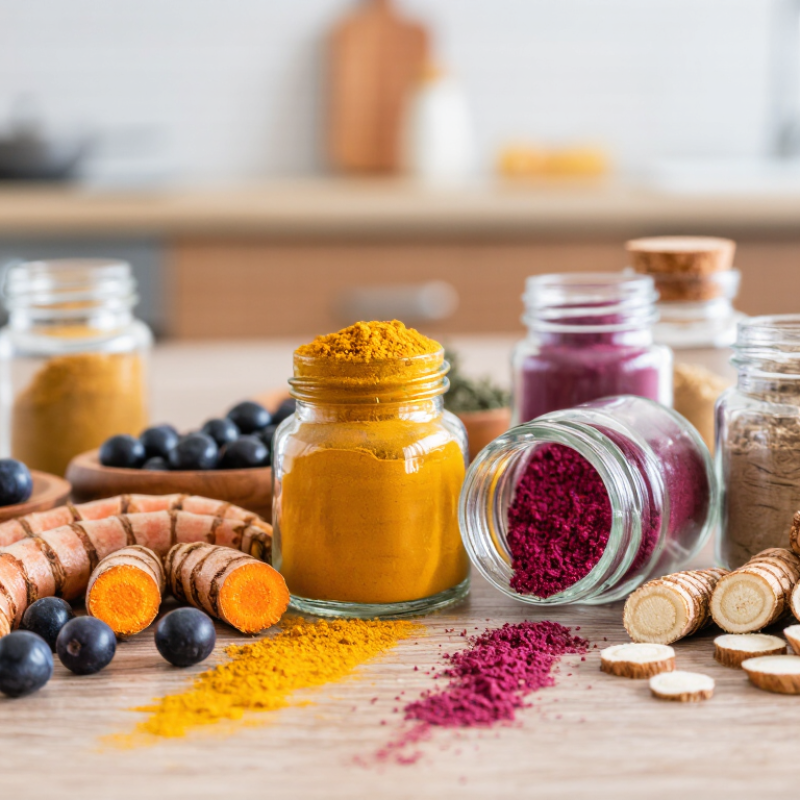
Top Botanical Extracts for Dietary Supplements in 2026
What Botanical Extracts Are and How They Are Used in Supplements
Botanical extracts are concentrated preparations made from plant parts such as roots, leaves, seeds, or flowers. Water or other food-grade solvents draw selected compounds from the raw material. The resulting extract may go into capsules, tablets, powders, or liquids. That distinction matters. A whole-herb powder and a concentrated extract are not interchangeable. Labels may list the plant’s Latin name, plant part, extract ratio, and standardized marker compounds. A marker helps identify consistency; it does not, by itself, prove a health benefit.
The American Botanical Council’s HerbalGram market report recorded $12.68 billion in U.S. herbal supplement sales in 2023. Sales rose 4.4% year over year. These figures describe market activity, not clinical effectiveness. In practice, extract quality can depend on species identification, harvest conditions, processing, and testing for contaminants. A small mismatch in plant species can change the finished material. And labels do not always make comparisons easy.
Tips: Check the full plant name and plant part, then look for clear serving amounts and quality-testing details. Ask a qualified health professional about possible interactions, especially if you take medication. Small details matter. A high extract ratio alone does not tell you whether a supplement is suitable for you.
| Botanical extract | Plant source and part commonly used | Representative constituents | Common supplement formats and use contexts | Practical considerations |
|---|---|---|---|---|
| Green tea (Camellia sinensis) | Leaves | Catechins, including epigallocatechin gallate (EGCG); caffeine may also be present. | Capsules, tablets, powders, and liquid extracts; commonly included in antioxidant- or energy-positioned formulas. | Caffeine content varies by extract. Concentrated green tea extracts have been associated with rare liver injury; product directions and safety information matter. |
| Turmeric (Curcuma longa) | Rhizome | Curcuminoids, including curcumin; turmeric also contains volatile oils. | Powders, capsules, tablets, and liquid extracts; often used in joint- and general-wellness supplement formulas. | Curcumin has limited absorption in many preparations, so formulations differ. It may interact with medicines, including some that affect blood clotting. |
| Ginger (Zingiber officinale) | Rhizome | Gingerols and shogaols; their relative amounts depend on processing and extraction. | Capsules, tablets, powders, and liquid extracts; commonly used in digestive-comfort and nausea-related supplement products. | May cause heartburn or other mild digestive effects. People taking medicines that affect clotting should seek professional advice before use. |
| Milk thistle (Silybum marianum) | Seeds (fruits) | Silymarin, a mixture of flavonolignans that includes silybin. | Capsules, tablets, and standardized extracts; commonly marketed for liver-related wellness. | Evidence for health benefits is mixed and depends on the condition and preparation. It can cause digestive effects and may interact with medicines. |
| Cranberry (Vaccinium macrocarpon) | Fruit | Proanthocyanidins, anthocyanins, and organic acids; levels vary among preparations. | Capsules, tablets, powders, and concentrated liquids; often used in urinary-tract wellness products. | Products differ in composition, and evidence for prevention of recurrent urinary tract infections is not the same as evidence for treating an active infection. It is not a substitute for medical care. |
| Ashwagandha (Withania somnifera) | Roots, leaves, or a combination, depending on the extract | Withanolides and other plant constituents; profile varies with plant part and extraction method. | Capsules, tablets, powders, and liquid extracts; commonly included in stress- or sleep-positioned formulas. | Short-term studies do not establish long-term safety. It may affect thyroid function and interact with medicines; rare liver injury has been reported. Avoid during pregnancy unless advised by a qualified clinician. |
| Asian ginseng (Panax ginseng) | Root | Ginsenosides (also called ginseng saponins); levels depend on species, processing, and extract. | Capsules, tablets, powders, and liquid extracts; commonly used in energy- or vitality-positioned supplements. | May affect sleep or blood glucose and can interact with medicines. “Asian ginseng” is distinct from American ginseng (Panax quinquefolius). |
| Elderberry (Sambucus nigra) | Ripe fruit; flowers are used in some separate preparations. | Anthocyanins and other polyphenols; composition varies by plant part and processing. | Syrups, gummies, capsules, powders, and liquid extracts; commonly included in seasonal wellness products. | Raw or unripe elderberries and other plant parts may contain toxic compounds. Use properly processed products and follow label directions; evidence for preventing or treating infections remains limited. |
| Ginkgo (Ginkgo biloba) | Leaves | Flavone glycosides and terpene lactones in standardized leaf extracts. | Capsules, tablets, and liquid extracts; commonly used in products marketed for cognitive wellness. | Leaf extracts are different from ginkgo seeds. Ginkgo may increase bleeding risk or interact with medicines; it should not be treated as a substitute for evaluation of memory symptoms. |
| Peppermint (Mentha × piperita) | Leaves and aerial parts; some supplements use peppermint oil rather than a whole-herb extract. | Menthol and menthone are prominent constituents of the essential oil. | Enteric-coated oil capsules, teas, and other preparations; peppermint oil is commonly used in digestive-comfort products. | Peppermint oil may worsen reflux or heartburn in some people. Enteric coating and dose can affect where the oil is released. |
| Garlic (Allium sativum) | Bulb | Sulfur-containing compounds; allicin forms when garlic is cut or crushed, while supplement constituents depend on processing. | Powders, oils, aged preparations, capsules, and tablets; commonly included in cardiovascular wellness formulas. | Processing methods produce different chemical profiles. Garlic supplements may affect bleeding risk and can cause digestive discomfort. |
Note: Botanical extracts are concentrated preparations made from plant materials using methods such as water or alcohol extraction. Their composition can vary with plant species, plant part, growing conditions, processing, and standardization. Common supplement uses are not proof of effectiveness; consult a qualified healthcare professional about potential interactions, pregnancy, medical conditions, and individual suitability.
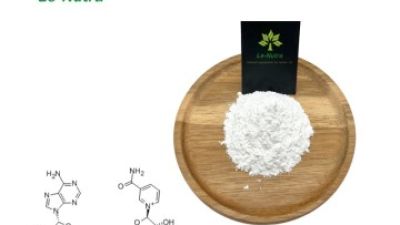
Premium NAD powder, also known as nicotinamide adenine dinucleotide, is a white crystalline ingredient with 99% purity and CAS No. 53-84-9. NAD and NMN are closely connected in cellular metabolism: NMN is a precursor used in the body’s NAD-related pathways, while NAD participates in energy-producing reactions within cells. As a supplement ingredient, NAD can be considered as part of a formulation designed to support normal cellular energy metabolism and complement products featuring NMN. It is important to distinguish the two compounds, since NAD is not NMN and does not simply replace it.
NAD is also associated with research into cellular maintenance, antioxidant activity, and inflammatory responses. These properties make it of interest in formulations focused on healthy aging and cell support, without implying that a supplement can prevent or treat disease. For product development, the powder’s high stated purity offers a clear specification for quality-focused supplement applications. It is available in vacuum aluminum foil bags, with 25 kg quantities packed in fiber drums lined with a double layer of food-grade poly bags for storage and handling.
They are concentrated preparations made from roots, leaves, seeds, or flowers. Water or food-grade solvents draw selected compounds from plant material.
Extracts concentrate selected compounds, while powders contain ground plant material. They are not interchangeable.
Look for the Latin plant name, plant part, extract ratio, serving amount, and standardized marker compounds. Labels can be awkward.
No. A marker can help identify consistency, but it does not prove a health benefit.
Check species identification, processing details, and testing for contaminants. A small species mismatch can change the finished material. Even careful reading leaves gaps.
They are often chosen to support the body’s response to everyday stress. Ashwagandha, rhodiola, and holy basil are common examples, but results vary.
Avoid adding several at once. If you notice a change, you may not know which product caused it. Go slowly.
Ask before use if you take medication, are pregnant, or have a health condition. Stop if unwanted effects appear.
Do not assume they are suitable for ingestion. Extracts made for topical products are a separate category.
Botanical Extracts Used In Dietary Supplements are concentrated preparations derived from parts of plants, such as leaves, roots, seeds, or flowers. Their composition and strength can vary depending on the plant, growing conditions, and extraction process. When evaluating an extract, consider its identity, purity, potency, and consistency, as well as whether research supports the intended use. Clear labeling and reliable quality testing can help consumers and health professionals make informed choices.
Different botanicals are studied for potential roles in stress and energy support, digestion and immune function, and heart, metabolic, or cognitive health. Evidence varies by ingredient, preparation, and person, so traditional use or preliminary research should not be mistaken for a guaranteed benefit. Supplements may also cause side effects or interact with medicines and health conditions. Review the product’s directions and consult a qualified health professional when appropriate, especially before use during pregnancy, alongside medication, or for a chronic condition. Follow applicable supplement regulations and choose products with transparent ingredient and quality information.