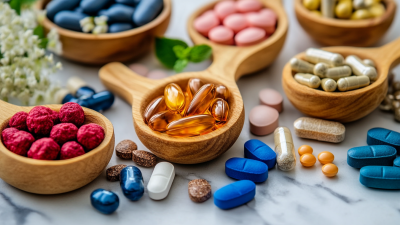
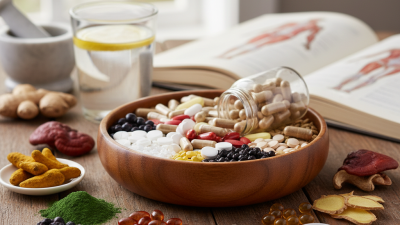
Lately, everyone seems to be talking about the rise in popularity of botanical extracts in dietary supplements. Maybe it's no surprise — these natural ingredients pack a punch when it comes to health benefits, and honestly, they’ve become pretty much essential in many people’s wellness routines. I recently heard Dr. Jane Goodwin from Nature’s Best Botanicals say, “Botanical extracts can totally change the game for how we approach health and wellness, offering benefits that synthetic ingredients just can’t really match.” It’s pretty inspiring, right?
When you dig into the world of Botanical Dietary Supplements, it’s a whole big landscape. Lots of products are crafted from plants, giving folks a natural, proven alternative to pharmaceuticals. For example, extracts from turmeric and ginseng have been shown to help reduce inflammation and increase energy — not too shabby! But, here’s the catch: the quality and strength of these extracts can vary a lot depending on the brand. So, it pays to do your homework on where and how they source their botanicals.
Of course, even with all these benefits, there are some hurdles. Sometimes, labels can be a bit misleading, and not all products undergo thorough testing, which can shake your confidence. That’s why it’s so important to push for transparency and higher standards when it comes to sourcing these botanical ingredients. Picking brands with good reviews can really make a difference in your health journey and help you make smarter choices. Still, staying aware of the ongoing debates about how effective and reliable these products are is key — after all, not everything on the market is created equal.
Top Botanical Extracts for Dietary Supplements You Must Know
Botanical extracts play a vital role in the dietary supplement industry. Their popularity has surged, reflecting a global trend towards natural health solutions. According to research from Grand View Research, the market for botanical supplements is expected to reach $20.8 billion by 2025. This growth highlights consumers' increasing preference for plant-based alternatives.
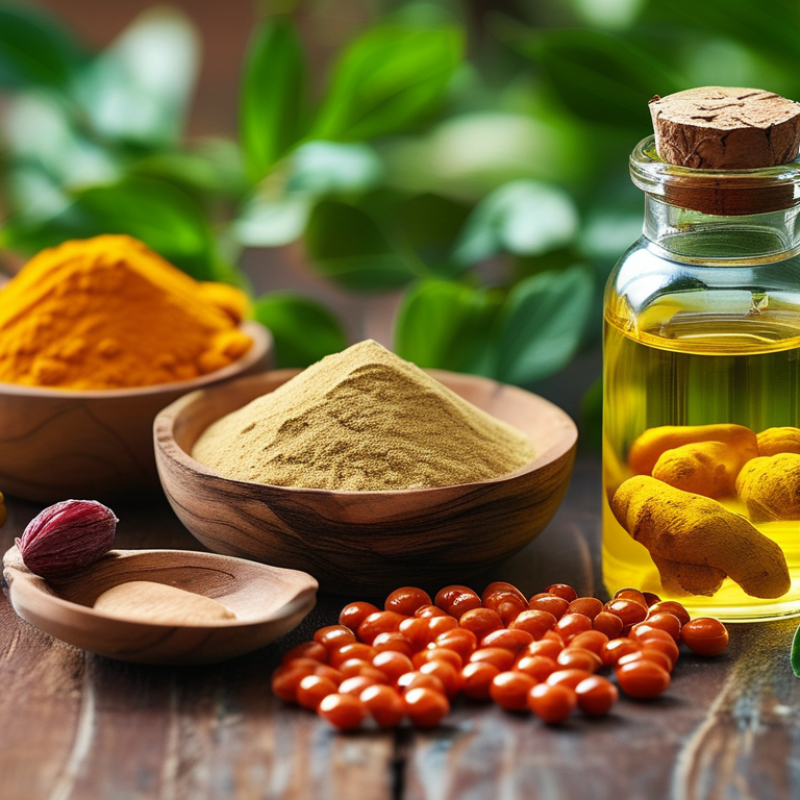
Various botanical extracts have proven health benefits. For example, turmeric extract, rich in curcumin, is noted for its anti-inflammatory properties. Studies have shown that curcumin can reduce inflammation and may improve joint health. Additionally, ashwagandha is recognized for its adaptogenic qualities, helping to alleviate stress and enhance overall well-being. Research published in the Journal of Clinical Psychiatry found that ashwagandha can significantly reduce stress and anxiety levels.
Tip: Always check for the sourcing and quality of botanical extracts in supplements. Look for third-party testing to ensure safety and potency. Not all brands guarantee the same quality. It’s essential to be cautious and informed about these products.
Diverse botanical extracts also have varying effects based on individual physiology. One person's response to an herbal extract can differ from another's. Reflection on personal health needs is crucial before incorporating new supplements. Always consult healthcare professionals when exploring botanical extracts for your dietary regimen.
Overview of Botanical Extracts in the Dietary Supplement Industry
The dietary supplement industry has seen a significant rise in the popularity of botanical extracts. These plant-derived compounds are often lauded for their potential health benefits. According to a 2022 report by the Council for Responsible Nutrition, around 75% of consumers are looking for products with botanical ingredients. This indicates a growing demand, highlighting the importance of understanding the role of botanical extracts.
Botanical Food Supplements have been linked to various health benefits, like antioxidant properties and immune support. A study published in the Journal of Nutrition highlighted that curcumin and echinacea are gaining traction among consumers. However, not all extracts yield equal benefits. Some products lack sufficient scientific backing, raising questions about their efficacy. The industry must prioritize transparency and reliability to maintain consumer confidence.
Moreover, quality control is a critical issue in the botanical supplement market. Many extracts can vary in potency and purity. A 2021 market analysis indicated that only about 60% of botanical supplements meet safety and quality standards. This inconsistency can impact consumer health and trust. Therefore, continuous research and stringent regulations are essential for guiding the industry toward best practices.
Key Benefits of Using Botanical Extracts in Health Products
Botanical extracts have gained popularity in dietary supplements due to their numerous health benefits. These natural compounds, derived from plants, offer a wealth of bioactive properties. Many people turn to botanical extracts for their potential to enhance overall wellness. They can promote better digestion, boost immunity, and improve skin health. The integration of these extracts into health products reflects a growing trend towards more natural solutions.
Incorporating botanical extracts into your daily routine can also support skin health. Certain extracts, like aloe vera and green tea, are known for their soothing effects. They help rejuvenate the skin and combat aging. Users often notice improved hydration and a radiant glow. However, it's important to choose products wisely. Not every extract works for everyone. Individual reactions can vary widely, and sometimes, desired results may take time.
Some may find the idea of using Botanical Extracts Skin Care daunting. There is an array of options available, which can be overwhelming. As you explore, consider your skin type and specific needs. Evaluating your options carefully can lead to more satisfactory outcomes. Emphasizing personalized care is key. Tailoring your choices can enhance effectiveness and avoid potential disappointments.
Popular Botanical Extracts and Their Health Benefits
Botanical Extracts have gained significant attention in recent years for their health benefits. They are an integral part of dietary supplements. For instance, studies show that echinacea can enhance immune function. A report from the National Institutes of Health indicates that echinacea may reduce the duration of colds by about 1.4 days in healthy adults. This particular extract is popular for its broad range of medicinal properties.
Another noteworthy botanical extract is turmeric. Curcumin, the active ingredient in turmeric, demonstrates anti-inflammatory properties. Research published in the journal "Molecules" reveals that curcumin can mitigate inflammation markers in the body. However, the bioavailability of curcumin is often low, raising questions about its effectiveness in supplement form. This highlights the need for improved formulations to enhance absorption.
Ginseng is also well-known for its vitality-boosting effects. According to a systematic review in "The Cochrane Database," ginseng may help reduce fatigue and improve overall well-being. While the findings are promising, results can vary based on the quality of the extract and the individual’s response. Understanding these differences is crucial when considering botanical extracts for health purposes. Such complexities remind us to approach dietary supplements with both curiosity and caution.
Top Botanical Extracts for Dietary Supplements You Must Know
| Botanical Extract |
Health Benefits |
Common Uses |
Dosage |
| Ashwagandha |
Reduces stress, improves energy levels |
Stress relief, cognitive support |
300-600 mg daily |
| Turmeric |
Anti-inflammatory, antioxidant |
Joint health, digestive aid |
500-2000 mg daily |
| Ginseng |
Boosts mood and energizes |
Energy booster, cognitive support |
100-400 mg daily |
| Echinacea |
Supports immune function |
Cold and flu prevention |
300-500 mg daily |
| Milk Thistle |
Supports liver health |
Detoxification |
150-600 mg daily |
Extraction Methods: How Botanical Extracts Are Obtained
Extraction methods for botanical extracts are essential in creating effective dietary supplements. These methods determine the quality and potency of the final product. Some common extraction techniques include steam distillation, solvent extraction, and cold pressing. Each method has its benefits and drawbacks. For instance, steam distillation is great for oils but may lose some beneficial components.
When considering botanical extracts, pay attention to the source material. Quality plants yield better extracts. Look for organic and sustainably sourced botanicals to enhance efficacy. Also, stay informed about the extraction method used. Some may be less effective or produce results that vary widely. For example, certain solvents can leave harmful residues.
Tips: Always check for third-party testing. This ensures the product's safety and potency. Also, consider the concentration of Botanical Peptides in the extract. Higher concentrations can lead to more significant health benefits but require careful dosage. Research individual plant properties before use. Understanding benefits can enhance your choices in dietary supplements.
Safety and Regulations Surrounding Botanical Extracts
When considering botanical extracts for dietary supplements, safety and regulations are critical factors. The Dietary Supplement Health and Education Act of 1994 requires that botanical products be properly labeled and that their ingredients meet specific safety standards. According to the U.S. Food and Drug Administration (FDA), about 70% of consumers believe dietary supplements are tested for safety. However, the reality is more complex. Many botanical extracts lack clinical trials proving their safety and efficacy.
Recent studies indicate that more than 50% of botanical supplements may contain undisclosed ingredients. This raises concerns about contamination and mislabeling. Research published in the Journal of Dietary Supplements found that around 30% of herbals tested contained no trace of the plant advertised. Regulatory bodies are facing challenges due to this lack of oversight. Experts emphasize the need for better quality assurance practices and improved labeling standards.
In the international arena, organizations like the World Health Organization (WHO) provide guidelines for the use of herbal medicines. Despite these measures, the responsibility ultimately falls on consumers. They must be vigilant about the source and authenticity of botanical extracts. Awareness of potential risks can lead to more informed decisions.
Top Botanical Extracts for Dietary Supplements
Future Trends in Botanical Extracts for Dietary Supplements
As we look to the future of dietary supplements, botanical extracts hold promising potential. These natural components are gaining traction in health and wellness circles. Many consumers are now seeking plant-based alternatives for their health needs. This shift signals a growing trend toward sustainability and clean ingredients.
The demand for organic and non-GMO botanicals is rising. Research indicates that consumers prioritize transparency in their supplements. They want to know where their ingredients come from. However, not all extracts are made equal. Quality control remains a significant concern in the industry. Some products may lack the potency that claims suggest.
New innovations are emerging, such as advanced extraction techniques. These processes enhance the efficacy of botanicals while preserving their integrity. There's a need to balance innovation with traditional practices. This is where the complexity lies. The industry must navigate scientific validation alongside holistic beliefs. Understanding these trends can help consumers make informed choices about their health.
The Ultimate Guide to High-Quality Vegan Pumpkin Seed Protein Powder: Benefits, Usage, and Top Picks
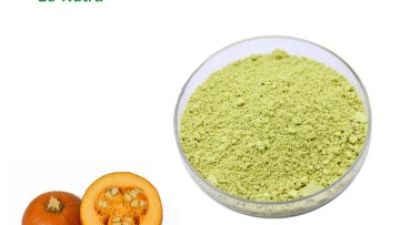
Pumpkin seed protein powder is emerging as a staple in health and fitness communities, thanks to its impressive array of benefits and versatility. Extracted from the seeds of the Cucurbita Moschata plant, this light green powder boasts a rich profile of plant-based proteins and unsaturated fats, making it an ideal addition to various dietary plans. With a high protein concentration of around 70%, it effectively aids muscle strengthening and digestive health, catering to those who are looking to enhance their physical performance or simply lead a healthier lifestyle.
The applications of pumpkin seed protein powder are extensive, fitting seamlessly into numerous contexts. It can be incorporated into health care supplements, sports nutrition products, or used to fortify protein beverages and bars. Additionally, it serves well in functional foods and nutritional smoothies, providing an easy way to boost one’s intake of essential nutrients. For optimal freshness and longevity, this powder should be stored in a sealed container in a cool, dry place, away from direct sunlight and humidity, ensuring a shelf life of up to 24 months. Whether you're a fitness enthusiast, a busy professional, or someone looking to enhance their overall well-being, pumpkin seed protein powder is a compelling option worth considering.
FAQS
: Common methods include steam distillation, solvent extraction, and cold pressing. Each has its pros and cons.
Quality plants yield better extracts. Organic and sustainably sourced botanicals enhance effectiveness.
Check for third-party testing. This confirms product safety and potency.
Higher concentrations can offer more health benefits, but careful dosage is essential.
Many consumers believe they are tested, but many lack clinical trials for safety and efficacy.
Over 50% of botanical supplements may have undisclosed ingredients, raising contamination and mislabeling issues.
Studies show around 30% of tested herbals contained no trace of the advertised plant.
Organizations like the WHO provide guidelines, but consumer vigilance is key for safety.
Look for reliable sources discussing benefits and risks. Understanding can enhance your supplement choices.
Be aware of source and authenticity. Informed decisions lead to safer choices in dietary supplements.
Conclusion
Botanical extracts used in dietary supplements are gaining significant attention due to their numerous health benefits and natural origins. The dietary supplement industry has increasingly integrated these extracts, which offer a wide range of advantages, including improved immune support, enhanced cognitive function, and overall wellness. Different popular botanical extracts, such as herbs, flowers, and roots, provide unique health benefits, making them essential components in modern health products.
The process of obtaining these botanical extracts involves various extraction methods that ensure potency and efficacy. Moreover, safety and regulatory considerations are vital in the use of botanical extracts to ensure consumer protection. As the demand for natural health solutions continues to rise, future trends indicate a growing incorporation of diverse and innovative botanical extracts in dietary supplements, catering to health-conscious consumers looking for effective and natural alternatives.