Leave Your Message
Choosing a botanical peptide manufacturer in China isn't just about comparing catalog prices, you know? I mean, you really have to dig into how each supplier identifies their source plants, controls the extraction process, and verifies the peptide composition. Make sure to ask for recent certificates of analysis, testing methods, batch records, and clear answers about variability. Look for evidence, not polished marketing fluff. Details truly matter—don't overlook the small stuff.
When it comes to sourcing botanical extracts, you really need to pay attention. The plant species, harvest conditions, and even how the material is processed can really throw off your results before you even get to the peptide analysis part. Honestly, a good reference point here is what a fictional composite specialist, Dr. —well, you know, the one mentioned in this guide—would say. They emphasize that these details matter a lot. So, there's this line from Mei Lin — and honestly, it's not like she actually said it out loud. It's more of an editorial thing we wrote to make a point. She basically says that a trustworthy Botanical Peptide supplier should be able to walk you through what each test really shows and, just as importantly, what it doesn't. And yeah, the fact that this isn't a real quote? That kind of matters when you're talking about trust and how you judge someone's credibility.
So, this guide takes a practical look at comparing Chinese manufacturers—and honestly, it's not always straightforward. You've got to ask some real questions: Do their spec sheets actually match what they ship? Can the supplier explain things like traceability and quality checks without getting all technical and vague? And hey, does the paperwork line up with the product you're actually getting? Sure, a factory tour might impress you with shiny floors and big stainless-steel tanks, but that's no substitute for getting your own test results. The thing is, not every supplier puts out the same level of detailed evidence—some are super transparent, others not so much. So yeah, comparisons are a bit imperfect, and I think it's better to keep that limitation out in the open rather than pretend everything's crystal clear. Look, we're not here to crown some company as the best of the best. Our real goal is simpler – to help you, the buyer, find manufacturers that just click with what you need. You know, the ones whose skills, track record, and way they talk to you actually line up with your requirements.
Botanical peptides are short chains of amino acids obtained from plant proteins. Common starting materials include peas, rice, and soy. Their properties depend on the source protein and the way it is processed. They are not all interchangeable. A peptide’s size and amino-acid sequence can affect its solubility and performance in a finished formula.
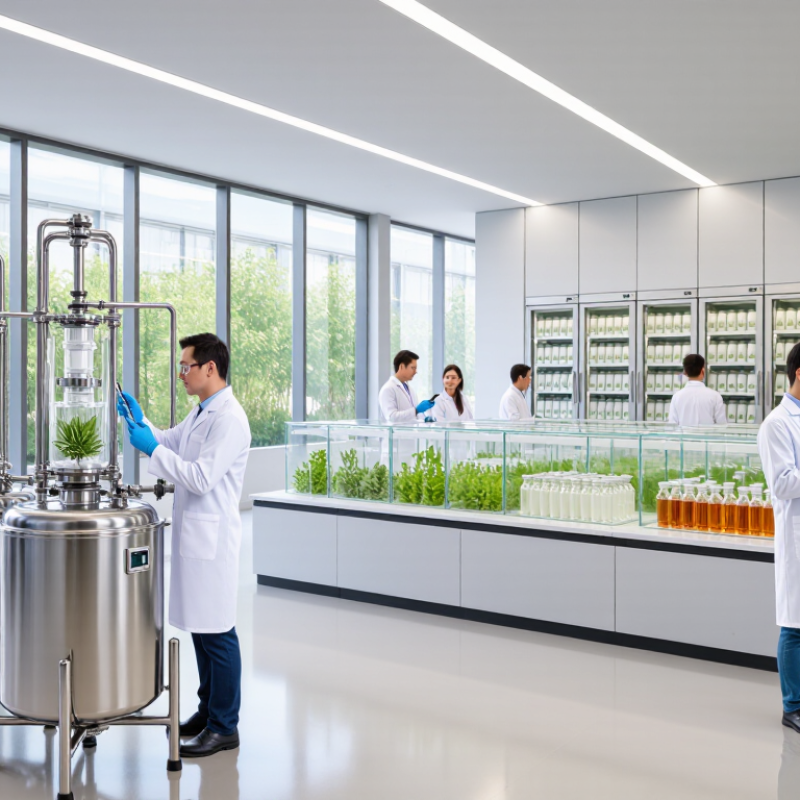
Production usually begins by cleaning and milling plant material, then extracting its proteins. Enzymes can break those proteins into smaller peptides under controlled conditions. Manufacturers then separate and filter the resulting mixture, and may dry it into a powder. Quality checks can assess protein content, moisture, solubility, and microbial quality. Analytical methods may also help characterize peptide size. Processing details matter, and batches can vary. That variation deserves honest attention.
Tips: When evaluating a supplier, ask about the plant source, processing steps, and batch testing. Request technical documents and check whether the data match your intended application. A peptide powder may look uniform, yet dissolve differently in water. Test a small sample in the actual formula. Manufacturers should avoid promising identical results across every batch without supporting evidence.
Plant-based protein continues to attract attention as consumers and product developers explore alternatives to conventional protein ingredients. Insights from plant-based protein market research point to growing interest in versatile ingredients that can fit dietary supplement formulations and meet practical requirements for protein content, handling, and packaging. Mung bean peptide powder is one option for manufacturers assessing plant-derived ingredients for supplement products.
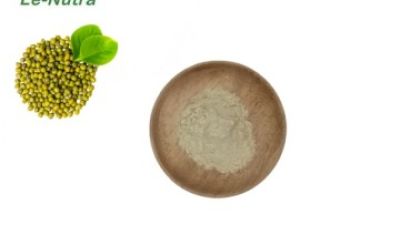
This light yellow to off-white powder has a characteristic odor and contains at least 85% protein. Its moisture content is no more than 7.0%, and ash content is no more than 6.5%, specifications that can help buyers compare ingredient options for formulation and quality needs. The powder is intended for dietary supplement applications. It is packed in a food-grade inner plastic bag with an outer kraft paper bag, in 15 kg or 25 kg quantities, with customized packaging quantities also available. These product details offer a practical starting point for evaluating mung bean peptide powder within the broader plant-based protein landscape.
They are short amino-acid chains made from plant proteins. Their properties depend on the source and processing method.
Common sources include peas, rice, and soy. Different sources may produce peptides with different solubility and performance.
Plant material is cleaned and milled before its proteins are extracted. Enzymes break the proteins into smaller peptides, which are then separated and filtered. The final material may be dried into powder.
Peptide size, amino-acid sequence, and processing details can affect how a powder dissolves. Two powders may look alike but behave differently in water. Test a sample.
Ask for the plant source, processing steps, batch-specific test results, and traceability records. Technical documents should match the intended application. Details matter.
Checks may cover identity, protein content, moisture, solubility, microbial quality, and peptide size. Ask for test methods and validated assay data where available.
Ask whether the manufacturer can move from a pilot batch to repeatable production without changing specifications. Also review equipment cleaning, raw-material qualification, and deviation investigations.
No. Broad cosmetics sales figures do not show peptide-specific demand. They offer context, but they cannot replace product testing or supplier evidence.
Botanical peptides are short chains of amino acids derived from plant proteins through controlled processes such as enzymatic hydrolysis, followed by purification and quality testing. China’s manufacturing landscape includes suppliers with varying levels of specialization, production capacity, and technical support. When comparing manufacturers, buyers should consider raw material traceability, documented quality systems, process consistency, analytical testing, and the supplier’s ability to provide clear product specifications and relevant documentation.
Leading manufacturers may offer different Botanical Peptide formats, plant sources, and customization options, supported by capabilities ranging from pilot-scale development to larger production runs. Selecting a suitable Chinese supplier involves defining the intended application and required specifications, reviewing manufacturing and quality controls, assessing communication and delivery capabilities, and requesting samples or technical information where appropriate. A careful evaluation can help buyers identify a dependable partner and establish a transparent, long-term sourcing relationship.