Leave Your Message
0%

As 2025 is getting closer, it’s really a good time to rethink our eating habits to stay healthy. You know, nutrition science keeps changing, and it turns out some foods and nutrients aren’t just good for feeling good—they actually help prevent long-term health problems too. If we learn about these key ingredients and try to add them into our daily meals, we can help our bodies handle everyday stress and stay in tip-top shape.

Top Dietary Components to Incorporate in Your 2025 Diet for Optimal Health

Top Dietary Components for a Healthier Lifestyle in 2025

Top Dietary Components to Incorporate in Your 2025 Diet for Optimal Health

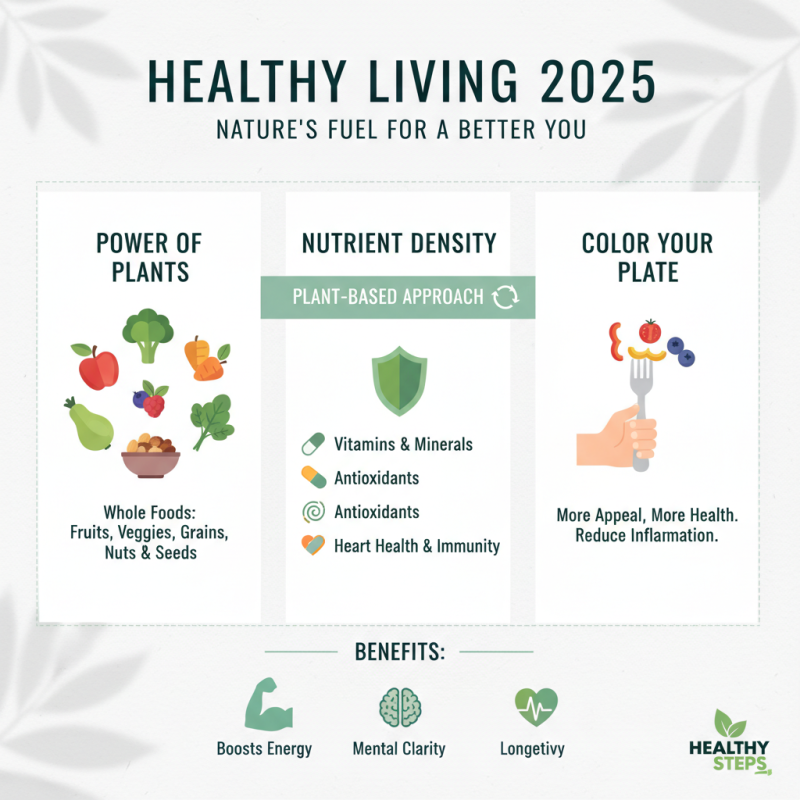
Embracing a healthier lifestyle in 2025 involves making informed dietary choices that prioritize whole foods and nutrient-dense ingredients. A plant-based approach, incorporating a variety of fruits, vegetables, whole grains, nuts, and seeds, can significantly enhance overall health. These foods are rich in essential vitamins, minerals, and antioxidants that support immune function, reduce inflammation, and promote heart health. Incorporating colorful fruits and vegetables not only boosts nutrient intake but also makes meals visually appealing, encouraging more consumption of these healthful foods.

Tips: Start by adding one new vegetable or fruit to your meals each week. This gradual approach can help diversify your diet without feeling overwhelming. Consider meal prepping to ensure that healthy options are readily available during busy weekdays; preparing salads or grain bowls can save time while still providing nutritious meals.

Another key component for a healthier lifestyle is reducing processed food intake. Processed foods often contain high levels of added sugars and unhealthy fats, which can detract from wellness efforts. Instead, focus on cooking at home using fresh, unprocessed ingredients. Experiment with herbs and spices to enhance flavor without the need for excess salt or sugar.

Tips: Try dedicating one night a week to explore new recipes using whole foods. This can turn into a fun activity and inspire creativity in the kitchen, making healthy eating enjoyable and sustainable in the long run.

Understanding the Role of Macronutrients in Optimal Health

Macronutrients play a crucial role in maintaining optimal health, serving as the foundation for bodily functions and overall well-being. The three primary macronutrients—carbohydrates, proteins, and fats—each possess unique functions that contribute to energy production, muscle repair, and essential metabolic processes.

Carbohydrates, the body's primary energy source, are found in a variety of foods such as fruits, vegetables, and whole grains. These foods provide not only the necessary energy for daily activities but also vital nutrients and fiber that support digestive health.

Proteins are vital for repairing tissues and building muscle, making them essential for anyone aiming for optimal health. They are composed of amino acids, some of which the body cannot synthesize on its own, necessitating their intake through diet. Sources include lean meats, legumes, dairy products, and plant-based options, all of which can help in various biological functions like enzyme production and immune response.

Meanwhile, healthy fats, such as those found in avocados, nuts, and fish, are crucial for hormone regulation and cellular health. Incorporating a balanced mix of these macronutrients is essential not only for energy but also for the body's ability to function efficiently and effectively.

As we look towards 2025, understanding the interplay between these macronutrients can guide dietary choices that foster long-term health. Focusing on whole, nutrient-dense foods that fulfill macronutrient needs will pave the way for improved energy levels, enhanced physical performance, and better mental health.

Prioritizing a well-rounded approach to diet that considers the quality and balance of macronutrients can significantly impact overall wellness and vitality.

Essential Micronutrients: Vitamins and Minerals to Prioritize

When planning a diet for optimal health in 2025, focusing on essential micronutrients is crucial. Vitamins and minerals play vital roles in maintaining bodily functions and preventing deficiencies that can lead to health issues. Key vitamins to prioritize include Vitamin D, which supports bone health and immune function, and B vitamins, essential for energy metabolism and brain health. These vitamins can be incorporated through a combination of sunlight exposure, fortified foods, and a varied diet rich in fruits, vegetables, whole grains, and lean proteins.

Minerals are equally important in your daily nutrition. Calcium and magnesium are fundamental for bone density and muscle function, while iron is critical for oxygen transport in the blood. Including foods like leafy greens, nuts, seeds, and legumes can help meet these mineral requirements. Additionally, it’s beneficial to enhance the intake of antioxidants such as zinc and selenium, which can boost overall vitality and support the body's defense mechanisms against oxidative stress. By prioritizing these essential micronutrients in your diet, you can lay a solid foundation for long-term health and well-being in the years to come.

The Importance of Fiber: Dietary Sources and Benefits

Dietary fiber is an essential component of a healthy diet, playing a crucial role in promoting optimal health. According to a report from the Dietary Guidelines for Americans, only 5% of adults meet the recommended daily intake of fiber, which is 25 grams for women and 38 grams for men. This shortfall can have significant implications for public health, as fiber has been linked to a lower risk of chronic diseases such as heart disease, type 2 diabetes, and certain types of cancer.

Incorporating various sources of dietary fiber into daily meals is vital. Soluble fiber, found in oats, beans, and fruits, helps lower blood cholesterol and stabilize blood sugar levels. Meanwhile, insoluble fiber, present in whole grains and vegetables, aids in digestion and promotes regular bowel movements. The American Heart Association notes that diets high in fiber can also contribute to weight management, as fiber-rich foods are often more filling, which may reduce overall calorie intake. As we look to optimize our diets in 2025, prioritizing fiber-rich foods will be fundamental to enhancing overall well-being and preventing diet-related diseases.

Incorporating Healthy Fats: Impact on Heart Health

Incorporating healthy fats into your diet is paramount for maintaining optimal heart health, especially as we look ahead to 2025. Research consistently shows that unsaturated fats, such as those found in avocados, nuts, and olive oil, play a crucial role in reducing cardiovascular disease risk. According to a 2022 report from the American Heart Association, substituting saturated fats with healthier unsaturated options can lower bad cholesterol levels, ultimately reducing the likelihood of heart attacks and strokes by up to 30%.

Moreover, omega-3 fatty acids, prevalent in fatty fish like salmon and flaxseeds, are essential for heart health. The Global Nutrition Report 2023 highlights that these fats help manage inflammation and lower blood pressure, contributing to overall cardiac function. It is recommended that individuals consume at least two servings of fatty fish per week to gain these protective benefits. By prioritizing these healthy fats in your diet, you not only enhance your heart health but also improve overall well-being, setting a solid foundation for a vibrant 2025.

Plant-Based Proteins: Exploring Their Health Benefits

Top Dietary Components to Incorporate in Your 2025 Diet for Optimal Health

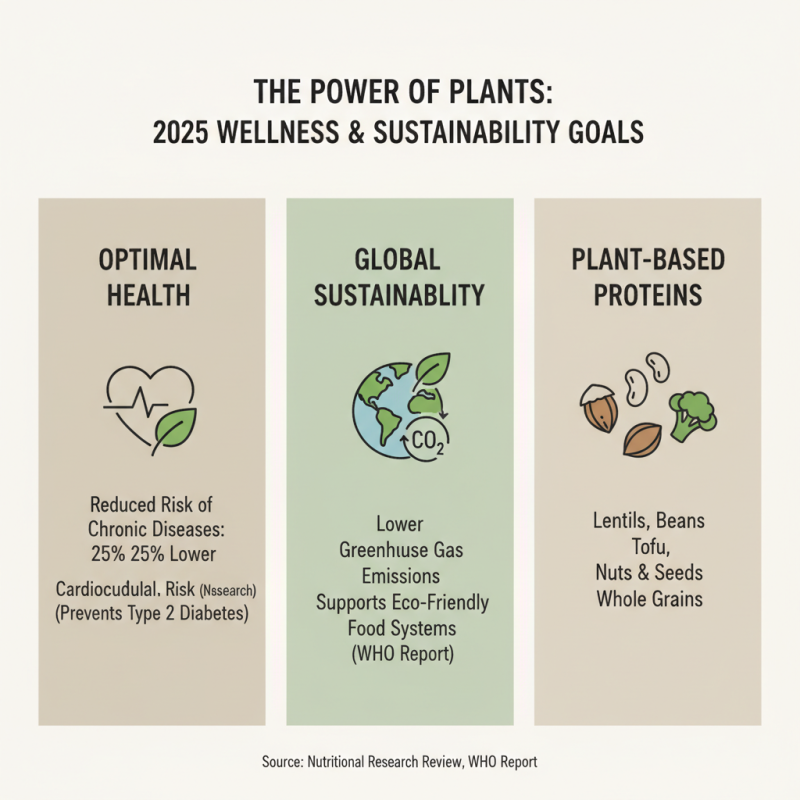
As we look towards 2025, incorporating plant-based proteins into our diets not only supports optimal health but also aligns with global sustainability goals. Recent studies indicate that plant-based diets can reduce the risk of chronic diseases such as heart disease and type 2 diabetes. According to the Nutritional Research Review, individuals who adopt a plant-based diet may experience a 25% lower risk of cardiovascular-related issues compared to their meat-eating counterparts. Moreover, a report by the World Health Organization highlights that increasing plant-based protein intake could significantly lower greenhouse gas emissions tied to meat production.

Plant-based proteins, such as legumes, nuts, seeds, and whole grains, are not just powerful in terms of nutrition; they are also rich in fiber, vitamins, and minerals. Fiber has been linked to improved digestive health and enhanced satiety, making it easier to maintain a healthy weight. Research published in the American Journal of Clinical Nutrition has found that diets high in dietary fiber can reduce the risk of obesity-related conditions. Furthermore, these proteins often provide essential amino acids necessary for muscle repair and overall bodily function.

**Tips for Incorporating Plant-Based Proteins:**
- Start your day with a smoothie made from spinach, bananas, and a scoop of pea protein for a nutrient boost.
- Experiment with replacing meat in your favorite recipes with chickpeas, lentils, or black beans to increase your protein intake without sacrificing flavor.
- Consider snacking on raw nuts or seed mixes to ensure you're getting healthy fats and protein throughout the day.

Hydration Strategies: The Role of Water for Overall Wellness

Hydration is a cornerstone of optimal health, yet many people underestimate its importance. According to the National Institutes of Health, water makes up about 60% of the human body and is crucial for maintaining homeostasis, regulating body temperature, and facilitating metabolic processes. Research published in the American Journal of Clinical Nutrition reveals that even mild dehydration, which can occur with a loss of just 1-2% of body weight, can negatively impact cognitive function and mood. Therefore, it is essential to prioritize adequate water intake as part of a healthy diet in 2025.

Moreover, the role of hydration extends beyond just drinking water. The Dietary Guidelines for Americans suggest that individuals should aim for about 3.7 liters for men and 2.7 liters for women daily from all beverages and foods. This underscores the importance of incorporating hydrating foods such as fruits and vegetables into the diet. Foods like cucumbers, tomatoes, and watermelon, which have high water content, can significantly contribute to overall hydration levels. Understanding and implementing effective hydration strategies will not only improve physical performance but also enhance mental clarity and overall wellness.

Hydration Strategies: The Role of Water for Overall Wellness

This chart illustrates the recommended daily water intake and hydration levels for various age groups. Maintaining optimal hydration is essential for health, highlighting the importance of water in our diet.

FAQS

: What are essential micronutrients, and why are they important?

: Essential micronutrients, including vitamins and minerals, are crucial for maintaining bodily functions and preventing deficiencies that can lead to health issues.

Which vitamins should be prioritized for optimal health?

Key vitamins to prioritize include Vitamin D, which supports bone health and immune function, and B vitamins, essential for energy metabolism and brain health.

How can one ensure they are getting enough essential vitamins?

Essential vitamins can be incorporated through a combination of sunlight exposure, fortified foods, and a varied diet rich in fruits, vegetables, whole grains, and lean proteins.

Why are minerals important in daily nutrition?

Minerals such as calcium and magnesium are fundamental for bone density and muscle function, while iron is critical for oxygen transport in the blood.

What types of foods can help meet mineral requirements?

Foods like leafy greens, nuts, seeds, and legumes can help meet the body's mineral requirements.

How can antioxidants like zinc and selenium benefit health?

Antioxidants such as zinc and selenium can boost overall vitality and support the body's defense mechanisms against oxidative stress.

What are the health benefits of incorporating plant-based proteins into a diet?

Plant-based proteins can reduce the risk of chronic diseases, improve digestive health, and provide essential amino acids for muscle repair and overall bodily function.

What types of foods are good sources of plant-based proteins?

Good sources of plant-based proteins include legumes, nuts, seeds, and whole grains, which are also rich in fiber, vitamins, and minerals.

How can one easily include plant-based proteins in their meals?

Simple ways to include plant-based proteins are by having smoothies with pea protein, using chickpeas or lentils in recipes, and snacking on raw nuts or seed mixes.

What role does dietary fiber play in overall health?

Dietary fiber is linked to improved digestive health and enhanced satiety, making it easier to maintain a healthy weight and potentially reducing the risk of obesity-related conditions.

Conclusion

In the quest for optimal health in 2025, incorporating key dietary components into your daily regimen is essential. Understanding macronutrients—carbohydrates, proteins, and fats—allows individuals to balance their energy intake effectively. Essential micronutrients, including vital vitamins and minerals, play a significant role in bodily functions and should be prioritized for comprehensive health benefits.

Additionally, the importance of dietary fiber cannot be overstated, as it contributes to digestive health and can help reduce the risk of chronic diseases. Emphasizing healthy fats is crucial for maintaining heart health, while plant-based proteins offer numerous health advantages. Finally, hydration strategies underscore the vital role of water in overall wellness. By focusing on these dietary components, individuals can pave the way for a healthier lifestyle and improved well-being in the years to come.

Sophie

Sophie

Sophie is a dedicated professional marketer with a profound expertise in the natural and innovative raw materials industry. As part of a forward-thinking company that specializes in the research, production, and marketing of high-quality nutraceuticals, foods, beverages, and cosmetics, she brings a......
Previous Navigating Challenges in Sourcing the Best Plant Concentrate: Key Insights for Global Buyers