When it comes to herbal products, ensuring quality isn’t just a nice-to-have — it’s absolutely essential. Making sure herbal extracts are safe and effective can be quite a tricky business. That’s where Herbal Extract Quality Control testing really steps in — it’s a key part of keeping industry standards high. Different methods are used to check that these extracts are up to snuff.
Big brands like Herbalife and Gaia Herbs don’t mess around — they put serious effort into their testing methods. Techniques like spectroscopy and chromatography are pretty common examples. Knowing how these work helps companies spot impurities and make sure the products pack the right punch. Having clear, well-established protocols is a must, though.
That said, it’s not all smooth sailing. Some testing methods can be a bit inconsistent, and others aren’t exactly affordable or easy for smaller producers to use. So, the industry needs to keep improving and adapting its testing techniques. In the end, reliable testing isn’t just about quality — it’s about building trust with consumers and helping the herbal industry grow stronger over time.
Overview of Herbal Extracts and Their Importance
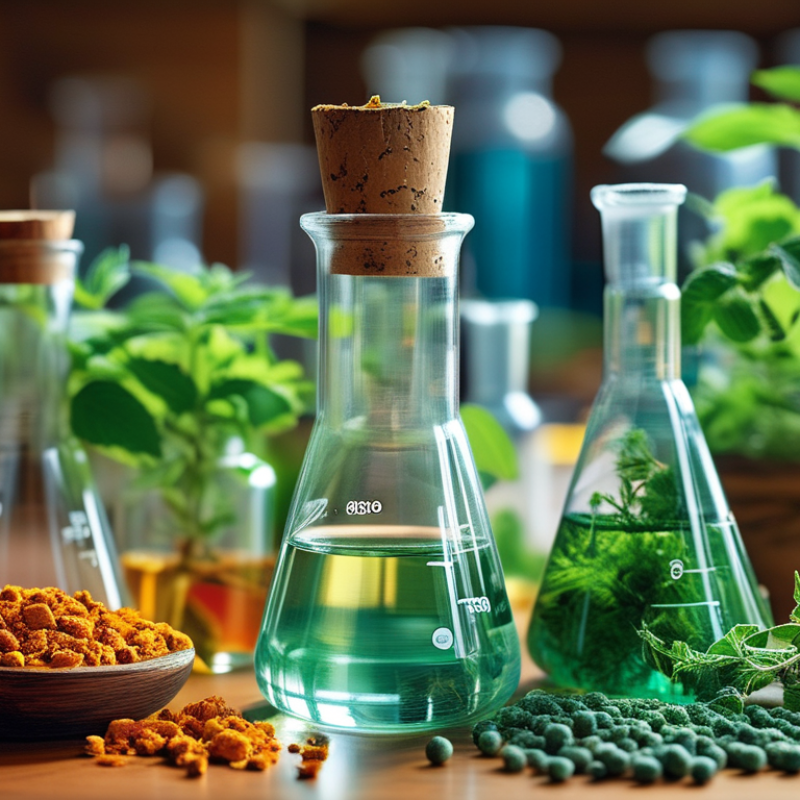
Herbal extracts have gained significant attention in recent years. Their therapeutic properties offer natural alternatives to synthetic medications. This growing interest underscores the need for quality control in their production. Ensuring safety and efficacy is crucial for consumers and healthcare professionals alike.
Herbal extracts contain various bioactive compounds. These compounds can vary based on factors like plant species, geographical location, and extraction methods. Quality control testing is essential to authenticate these extracts. It helps verify their potency and purity. Without rigorous testing, consumers may encounter ineffective products or potential contaminants, leading to health risks.
The complexity of herbal extract production raises challenges. Not all suppliers adhere to strict guidelines. This inconsistency can lead to variation in quality. Hence, understanding the importance of testing methods is vital. Professionals in the industry must prioritize reliable practices. Quality assurance measures can improve product safety and effectiveness, contributing to consumer trust across the herbal market.
Top 10 Herbal Extract Quality Control Testing Methods
This chart represents the various quality control testing methods used for herbal extracts, showcasing their relative importance in the industry.
Understanding Quality Control in Herbal Extract Products
Quality control in herbal extract products is crucial for ensuring safety and efficacy. The herbal industry faces challenges, including contamination and variability in active compounds. According to a 2022 report by the Herbal Medicinal Association, over 30% of herbal extracts tested showed inconsistencies in ingredient concentration. This highlights the need for rigorous testing methods.
One effective method is high-performance liquid chromatography (HPLC). This technique separates and quantifies active ingredients.
Another important method is microbiological testing. It ensures that herbal products are free from harmful bacteria and fungi. Industry standards recommend that all products undergo these tests to mitigate health risks.
To improve quality control, consider these tips. Always source herbs from certified suppliers. Regularly conduct batch testing to verify consistency. Engage third-party labs for unbiased analyses. Striving for transparency helps build trust with consumers. The challenge remains that not all companies uphold these standards. Continuous education on quality practices is essential for industry stakeholders. The advancement of quality control methods can lead to safer herbal products for everyone.
Common Quality Control Testing Methods Explained
Quality control testing is critical in the herbal extract industry. It ensures that products meet safety and efficacy standards. One commonly used method is High-Performance Liquid Chromatography (HPLC). This technique evaluates the purity and concentration of active compounds. According to a 2022 industry report, over 70% of manufacturers rely on HPLC for quality assurance. Its accuracy in separating and quantifying components makes it a trusted choice.
Another essential method is microbial testing. This assesses the presence of harmful microorganisms in herbal extracts. Recent data indicate that 15% of herbal products failed microbial tests. This highlights the need for robust testing protocols. Techniques like PCR (Polymerase Chain Reaction) detect specific pathogens rapidly. Additionally, organoleptic evaluation is used. It involves sensory analysis, assessing color, smell, and taste. While subjective, it offers valuable insights into product quality.
There is also a growing emphasis on extraction method consistency. Variability in extraction can alter the final product’s effectiveness. A 2021 survey found that nearly 60% of companies identified inconsistencies in their extraction processes. This variability can lead to safety concerns and ineffective products. All these methods reinforce the importance of a strong quality control framework in delivering safe and effective herbal extracts to consumers.
Chemical Analysis Techniques for Herbal Extracts
Chemical analysis techniques are crucial in assessing the quality of herbal extracts. These methods ensure that the active compounds are present in the correct amounts. Thin layer chromatography (TLC) is one such technique. It separates different compounds in a sample. This helps in identifying specific phytochemicals. Another common approach is high-performance liquid chromatography (HPLC). HPLC provides quantitative analysis, which is essential for consistency in product formulation.
Mass spectrometry is also widely used. It identifies compounds based on their mass. This technique offers highly sensitive detection of even trace levels of active ingredients. Gas chromatography complements these methods, especially for volatile compounds. It helps in profiling essential oils found in herbs. Each technique has its strengths, making it important to choose the right method based on the extract's nature.
When working with these techniques, accuracy is vital. Regular calibration of instruments can minimize errors. Training personnel is equally important to maintain consistency. Keep in mind that not all herbal extracts behave the same way in tests. Experimenting with different methods can yield varied results. This can lead to unexpected conclusions. Find the right balance between techniques to improve results iteratively.
Top 10 Herbal Extract Quality Control Testing Methods
| Testing Method |
Description |
Advantages |
Limitations |
| High-Performance Liquid Chromatography (HPLC) |
Used for separating, identifying, and quantifying components in herbal extracts. |
High resolution and sensitivity. |
Requires trained personnel and expensive equipment. |
| Gas Chromatography (GC) |
Analyzes volatile compounds in extracts using gas as a carrier. |
Highly accurate for volatile substances. |
Not suitable for non-volatile compounds. |
| Mass Spectrometry (MS) |
Identifies compounds based on mass-to-charge ratio. |
Excellent for compound identification. |
Requires complex sample preparation. |
| Thin Layer Chromatography (TLC) |
Separates components on a solid stationary phase. |
Cost-effective and easy to perform. |
Less precise than HPLC or GC. |
| Fourier Transform Infrared Spectroscopy (FTIR) |
Analyzes molecular vibrations to identify functional groups. |
Rapid analysis and minimal sample preparation. |
Not suitable for quantitative analysis. |
| Ultraviolet-Visible Spectroscopy (UV-Vis) |
Measures absorbance of UV-Vis light by the extract. |
Simple and quick method for screening. |
Limited to compounds that absorb UV-Vis light. |
| Nuclear Magnetic Resonance (NMR) |
Analyzes the magnetic properties of atoms within the sample. |
Provides detailed structural information. |
High cost and requires specialized expertise. |
| Microbial Testing |
Tests for microbial contamination in herbal extracts. |
Ensures safety and quality of herbal products. |
Time-consuming and requires specific media. |
| Heavy Metals Testing |
Detects toxic heavy metals in herbal extracts. |
Critical for safety assessments. |
Requires sensitive and expensive techniques. |
| Pesticide Residue Testing |
Screens for pesticide residues in extracts. |
Helps ensure compliance with food safety regulations. |
Can be complex and costly. |
Microbial Testing Methods in Herbal Quality Control
Microbial testing plays a crucial role in ensuring the quality of herbal extracts. Contaminated herbal products can pose health risks to consumers. Effective microbial testing methods help identify harmful microorganisms, ensuring that herbal products are safe for use. Common methods include plate counts, PCR testing, and membrane filtration. These techniques detect bacteria and fungi in herbal materials, providing insights into their safety and potency.
Developing a robust testing protocol is essential. Testing environments must remain sterile to prevent contamination. Proper handling techniques reduce the risk of introducing microorganisms during sampling. It's vital to monitor the growth conditions closely. Suboptimal conditions can lead to false-negative results, which compromise product safety.
Looking at herbal quality, remember that variations can occur. Seasonal changes affect plant composition. Harvesting methods might introduce impurities. Regular testing ensures consistent product quality over time. Relying solely on visual inspection is inadequate. Microbial testing must be a routine part of quality control. Engaging with certified laboratories enhances testing reliability and adherence to industry standards.
Physical and Organoleptic Testing of Herbal Extracts
Physical and organoleptic testing are essential for assessing herbal extracts. These methods evaluate various characteristics, like color, odor, taste, and texture. Comprehensive analysis ensures that extracts meet safety and quality standards. A report from the Herbal Medicinal Products Committee emphasizes that 30% of herbal products do not meet label claims due to inadequate testing.
Organoleptic evaluation relies on sensory perception. Analysts observe color and aroma, which are crucial for identifying quality. For instance, a vibrant color may indicate a higher concentration of active compounds. Furthermore, taste tests can reveal undesirable flavors, often caused by poor extraction methods. Research suggests that 45% of herbal consumers rely on sensory attributes when choosing products. The incorporation of physical testing enhances this assessment.
Physical testing includes moisture content and particle size. High moisture levels can lead to degradation. According to the European Pharmacopoeia, optimal moisture content for herbal extracts should not exceed 10%. Improper particle size can also affect extraction efficiency. Those who overlook these details risk poor product performance. Enhanced methods in physical and organoleptic testing can significantly elevate the quality of herbal extracts available on the market.
Regulatory Standards and Compliance in Herbal Testing
Regulatory standards play a crucial role in the quality control of herbal extracts. Testing methods must align with accepted guidelines to ensure product safety and efficacy. Organizations often rely on regulatory frameworks set by authorities. These frameworks provide a roadmap for testing and quality assurance processes.
One key aspect involves determining the identity and purity of herbal materials. High-performance liquid chromatography (HPLC) is often utilized in this process. It allows for precise separation and quantification of active compounds. This method helps verify that herbal extracts meet established purity standards. However, not all labs employ the same methods, leading to inconsistencies.
In addition to testing, compliance with these standards requires continuous monitoring. Manufacturers must regularly update protocols to reflect new scientific developments. This highlights the need for adaptability in quality control. Regulatory agencies also emphasize the importance of traceability in herbal products. Focusing on these aspects ensures that herbal products are safe for consumer use. However, some manufacturers still struggle with maintaining compliance, revealing gaps in understanding.
FAQS
: Quality control testing ensures herbal extracts meet safety and efficacy standards for consumer safety.
High-Performance Liquid Chromatography (HPLC) is widely used to evaluate purity and concentration of compounds.
Over 70% of manufacturers utilize HPLC for quality assurance in herbal extracts.
Without microbial testing, contaminated products may pose significant health risks to consumers.
Recent statistics indicate that 15% of herbal products do not pass microbial testing.
Inconsistent extraction can change a product’s effectiveness and lead to safety issues for consumers.
Nearly 60% of companies report difficulties with inconsistencies in their extraction methods.
Organoleptic evaluation involves sensory analysis of color, smell, and taste, providing quality insights.
Sterile environments prevent contamination, ensuring accurate and reliable microbial test results.
Seasonal variations can influence plant composition, leading to inconsistencies in extract quality over time.
Conclusion
Herbal Extract Quality Control Testing is essential for ensuring the safety, efficacy, and consistency of herbal products. This comprehensive process begins with an overview of herbal extracts and their significance in health and wellness. Understanding the importance of quality control, the article delves into various testing methods employed to assess the quality of herbal extracts.
Crucial techniques such as chemical analysis, which evaluates the chemical composition, and microbial testing that ensures the absence of harmful microorganisms, are discussed in detail. Additionally, physical and organoleptic testing methods assess the appearance, texture, and sensory attributes of the extracts. The article also highlights the regulatory standards and compliance measures that govern herbal testing, ensuring that products meet necessary safety and quality benchmarks. This structured approach to quality control is vital for maintaining the integrity of herbal extracts in the market.