As the beauty world keeps changing, there's a clear shift toward more sustainable and natural solutions. Looking ahead to 2026, you'll probably notice natural ingredients in hair care products becoming even more popular. Dr. Emily Carter from EcoBeauty Labs points out that, nowadays, people are really looking for products that match their values and support their well-being. It’s a big trend toward eco-friendly choices that’s hard to ignore.
Using natural ingredients like argan oil and shea butter not only helps nourish your hair but is also better for the planet. These ingredients provide that needed moisture and shine without relying on harsh chemicals. That said, sourcing these ingredients responsibly isn’t always straightforward—that’s a challenge the industry still needs to tackle to ensure sustainable harvesting.
On the innovation side, we’re expecting to see new methods that boost ingredient effectiveness while keeping safety in check. But one thing’s for sure—transparency is key. People want to know exactly what’s in the products they put on their hair. Brands that focus on crafting *Cosmetic Formulations* with care and honesty will win trust and foster loyalty. As this journey moves forward, both companies and consumers will need to stay mindful of their impact and the choices they make on this eco-conscious path.
Top Natural Ingredients Gaining Popularity in Hair Care Products
In 2026, the hair care industry is embracing natural ingredients that promote healthy hair. Coconut oil remains a staple due to its deep conditioning properties. It penetrates hair strands, providing moisture and shine. People appreciate its lightweight feel.
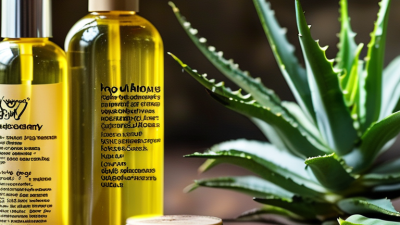
Aloe vera is gaining attention for its soothing effects. It helps to calm scalp irritation while delivering hydration.
Another emerging ingredient is fenugreek. This herb is praised for its ability to strengthen hair and prevent breakage. It contains proteins and vitamins that nourish hair follicles. Herbal Cosmetic Formulations are highlighting these natural components, allowing users to experience beneficial effects without harsh chemicals.
Moreover, tea tree oil has become increasingly popular for its antibacterial properties. It can help combat dandruff and soothe an itchy scalp. However, some may find it too potent and irritating. Each ingredient has its strengths and weaknesses. Understanding these aspects can help people make informed choices for their hair care routines. Thus, the move towards natural ingredients reflects a desire for healthier alternatives, though individual reactions may vary.
Benefits of Using Natural Ingredients for Hair Health
Using natural ingredients for hair care is gaining traction in recent years. Many individuals are seeking alternatives to synthetic chemicals. Natural ingredients often offer numerous benefits that promote overall hair health.
One significant advantage is the nourishment derived from plants. Ingredients like aloe vera, coconut oil, and shea butter can hydrate hair effectively. These elements not only help in moisture retention but also improve hair elasticity. The combination of these compounds creates a balance that supports healthier hair growth. However, it's crucial to ensure that the sourcing of these ingredients is sustainable.
While natural products can be potent, they are not always flawless. Some people may experience allergies to natural substances. It’s essential to patch test any new ingredient before full use. Additionally, the formulation process can be complex. Cosmetic Chemistry Formulations must consider pH and compatibility of ingredients. A misstep can affect efficacy. Educating oneself about each component remains vital for achieving the desired results. Hair care can be influenced by various factors, and natural ingredients are no exception.
Key Trends in Natural Hair Care Ingredients for 2026
The natural hair care market is evolving rapidly. By 2026, a significant shift is expected towards sustainable ingredients. According to a recent market report by Grand View Research, the global market for natural hair care products is projected to reach $12.5 billion by 2026. This growth reflects a rising consumer demand for eco-friendly and safe formulations.
Consumers are increasingly aware of product ingredients, pushing brands to focus on transparency. Ingredients like aloe vera and coconut oil are becoming staples in many formulations. These components are known for their nourishing properties. The inclusion of botanical extracts supports moisture retention and scalp health, which is critical for overall hair vitality.
However, the challenge remains in sourcing sustainable ingredients. As demand increases, supply chain transparency becomes more complex. Some brands struggle with consistency in ingredient sourcing. It's crucial for the industry to address these concerns while maintaining quality. Recognizing the importance of "Cosmetic And Toiletry Formulations" is key to resolving these issues and ensuring a future that benefits both consumers and the environment.
Impact of Sustainable Sourcing on Natural Hair Care Products
Sustainable sourcing in natural hair care products is transforming the industry. Consumers increasingly prefer products that support environmental and social goals. This shift has prompted brands to rethink their ingredient sourcing strategies. Responsibly sourced ingredients foster biodiversity and help local economies thrive. Brands are now highlighting these practices as part of their commitment to sustainability.
Using local suppliers can reduce the environmental impact of transportation. It also ensures fresher, high-quality ingredients in cosmetic & personal care ingredients. However, transparency remains a challenge. Not all sourcing practices are clearly communicated to consumers. This can lead to skepticism and distrust. As awareness grows, companies are pressed to be more open about their sources.
The journey toward sustainability is complex. Sourcing natural ingredients can sometimes conflict with meeting demand. Finding a balance is crucial. Consumers should educate themselves on sourcing practices. This will empower them to make informed choices. With increased scrutiny, brands must prioritize sustainable practices while meeting consumer needs.
Top Natural Cosmetic Ingredients for Hair Care in 2026
This chart illustrates the projected usage of natural cosmetic ingredients in hair care products by 2026. The data reflects the increasing trend towards sustainable sourcing practices among consumers and manufacturers.
Emerging Natural Oils and Extracts in Hair Care Formulations
Natural cosmetic ingredients are becoming essential in hair care formulations. In 2026, several emerging oils and extracts are gaining attention. These ingredients offer unique benefits for various hair types.
For instance, maracuja oil is rich in fatty acids. It can help nourish dry hair and improve shine. Its lightweight texture makes it suitable for all hair types.
Another up-and-coming extract is hibiscus. Known for its moisturizing properties, hibiscus can support hair growth. It adds softness and enhances overall health.
Tip: Incorporate a few drops of maracuja oil into your conditioner for added hydration.
Additionally, moringa oil is a powerful new ingredient. Packed with vitamins and minerals, it provides strong nourishment. This oil can protect hair from environmental damage and enhance resilience. However, some may find it heavier on fine hair.
Tip: Test moringa oil in small amounts to find the right balance for your hair.
Hair care is evolving, and these natural oils and extracts hold great potential. They reflect a shift towards sustainable and effective beauty practices. Embracing new ingredients can lead to healthier hair. Each person's hair journey is unique. Discover what works best for you.
Consumer Preferences: Choosing Natural over Synthetic for Hair Care
Consumer preferences are shifting significantly towards natural ingredients in hair care. Reports show that over 70% of consumers now choose products with natural components. This trend reflects a growing awareness of the benefits of natural substances. Ingredients like argan oil, coconut oil, and aloe vera are favored for their effectiveness and safety. People are increasingly concerned about the potential dangers of synthetic chemicals in hair products.
Tips: Look for hair care products that highlight their natural ingredients. Reading labels can help you avoid harmful additives. Always conduct a patch test when trying a new product.
Eco-conscious consumers now value sustainability. A survey indicated that nearly 60% of respondents prefer brands that practice environmentally friendly sourcing. This desire for ethical consumption is influencing product formulations. There is a call for transparency regarding ingredient sourcing and production processes.
Tips: Support brands that are transparent about their ingredient sourcing. Engage in community discussions about sustainable beauty practices. Share your thoughts on social platforms to encourage awareness.
Top Natural Cosmetic Ingredients for Hair Care in 2026
| Ingredient |
Key Benefits |
Consumer Interest (%) |
Sustainability Rating |
| Coconut Oil |
Moisturizes, reduces protein loss |
85% |
High |
| Argan Oil |
Enhances shine, repairs damage |
78% |
Moderate |
| Aloe Vera |
Soothes scalp, promotes hair growth |
82% |
High |
| Jojoba Oil |
Balances sebum, moisturizes |
75% |
High |
| Shea Butter |
Deeply nourishes, reduces frizz |
80% |
Moderate |
Innovative Uses of Botanicals in Future Hair Care Solutions
As the focus on natural beauty continues, botanicals are expected to shine in future hair care solutions. The innovative uses of
plant-derived ingredients are promising. People are increasingly looking for sustainable and effective alternatives to synthetic chemicals.
Ingredients like hibiscus and moringa are gaining popularity. They offer nourishing properties for healthy hair.
Tips for usage: Consider creating DIY hair masks at home. Mix hibiscus powder with coconut oil for a deep conditioning treatment.
This blend can help enhance shine while providing essential nutrients. Another great option is
moringa oil, known for its anti-inflammatory benefits. A few drops in your regular hair serum can improve scalp health.
The quest for healthier hair continues. Our connection with nature drives the search for innovative solutions. However,
not every natural ingredient works for everyone. Understanding your hair type is crucial. It’s essential to test any new botanical on a small area first.
Complete DIY formulas may still need adjustments. Each person's hair journey is unique.
The Multifaceted Benefits of Cholesterol in Cosmetic Formulations: A Comprehensive Overview
Cholesterol, often viewed through the lens of its controversial reputation in health discussions, plays a surprisingly beneficial role in cosmetic formulations. One of its key properties is its participation in the formation of cell membranes, which is crucial for maintaining skin integrity and overall health. As a natural emulsifier, cholesterol helps to stabilize formulations by allowing oil and water-based ingredients to blend seamlessly, enhancing the texture and feel of cosmetic products. This quality not only improves product stability but also enhances application and promotes better absorption into the skin.
In addition to serving as an emulsifier, cholesterol is a raw material essential for the synthesis of bile acids, vitamin D, and steroid hormones, all of which are significant for skin vitality and repair mechanisms. Its pharmaceutical and cosmetic grade specification ensures purity and safety, making it a versatile ingredient in various applications. With a proven track record of over ten years in managing natural ingredients, products containing high-purity cholesterol are available in secure packaging, protecting their integrity from manufacturing to consumer use. This multifaceted ingredient is invaluable for formulators aiming to create effective and skin-friendly cosmetic products.
FAQS
: Natural ingredients nourish hair and improve moisture retention. They enhance elasticity and promote healthier growth.
Yes, some individuals may have allergies to natural substances. It’s essential to conduct a patch test before full use.
Sustainable sourcing fosters biodiversity and supports local economies. It helps reduce environmental impact and ensures ingredient quality.
By educating themselves on sourcing practices, consumers can better understand product transparency and make mindful decisions.
Botanicals like hibiscus and moringa are gaining popularity. They offer excellent nourishing properties for promoting healthy hair.
Yes, mixing hibiscus powder with coconut oil can create a deep conditioning treatment. Adjusting formulas may be necessary.
Always start by testing on a small area. Each person's hair is unique, and some ingredients may not suit everyone.
Balancing demand with sustainable practices can be tough. Transparency about sourcing practices is often lacking, leading to distrust.
Conclusion
In 2026, the hair care industry is witnessing a significant shift towards the use of natural cosmetic ingredients for hair care formulations. Popular natural ingredients are gaining traction, as consumers increasingly prefer sustainable and eco-friendly options over synthetic alternatives. The benefits of these natural ingredients, which include enhanced hair health and improved scalp conditions, play a crucial role in driving this trend.
Key trends highlight the impact of sustainable sourcing practices on product formulations, emphasizing the importance of ethically harvested botanicals. Additionally, emerging natural oils and extracts are reshaping hair care solutions, offering innovative benefits that cater to diverse hair types. As consumer awareness grows, the demand for natural ingredients continues to rise, setting a promising future for the hair care sector that prioritizes both efficacy and environmental responsibility.