In the constantly changing world of hair care, you really can't overlook how important natural ingredients are when it comes to formulations. Maria Lopez, a well-known expert at GreenWave in the natural cosmetics scene, puts it simply: 'Nature gives us the best solutions for healthy hair.' And honestly, that idea just clicks more and more with folks looking for products that nurture their hair without all those scary chemicals.
Things like argan oil, aloe vera, and chamomile aren’t just buzzwords—they actually do stuff that works. Recent research shows these ingredients boost hair strength and keep it hydrated. Still, there are many brands out there that stick to synthetic options, which makes you wonder about how genuine they really are, right? Are they truly committed to natural ingredients, or are they just jumping on the latest trend?
As brands venture into new cosmetic formulations, the challenge is finding that sweet spot between being eco-friendly and really effective. It’s important for companies to think carefully about what ingredients they’re using. Are they genuinely aiming for natural solutions, or are they just following what’s popular? If they stick to real, proven natural ingredients, they can build more trust with customers and keep those loyalty vibes going strong.
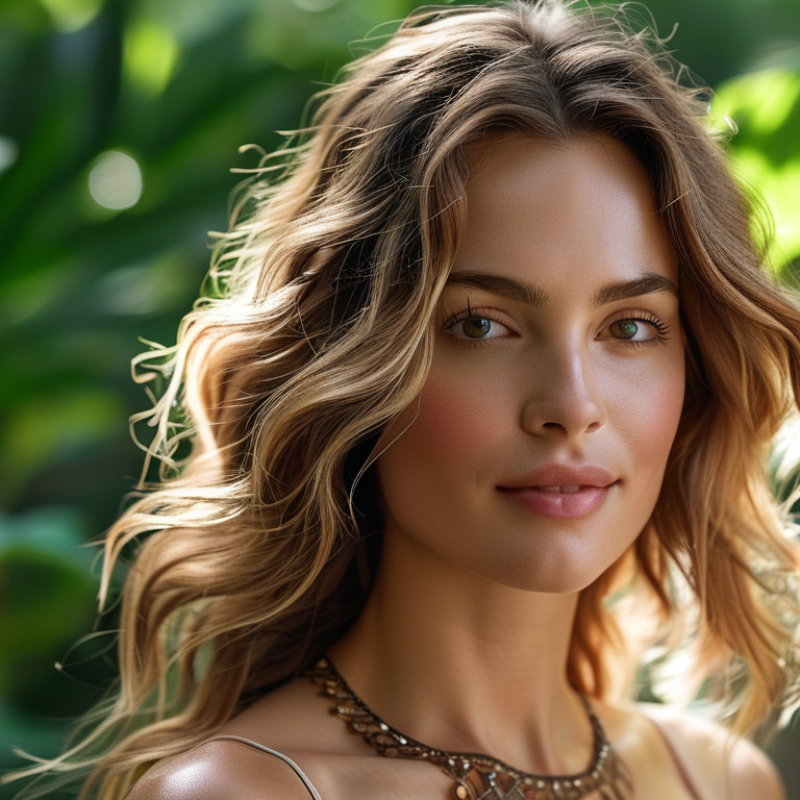
Top 10 Natural Ingredients for Hair Care Products Today
Natural ingredients are taking center stage in hair care products today. Consumers are increasingly aware of the benefits that natural elements can provide. According to a recent industry report, the market for natural hair care products is projected to reach $13.2 billion by 2025, highlighting a growing preference for effective, eco-friendly solutions.
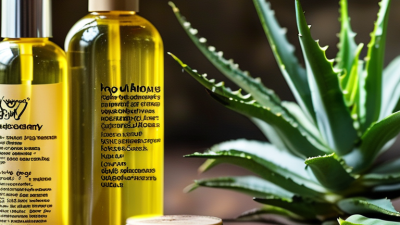
One popular ingredient is aloe vera. This plant offers moisture and vitamins essential for hair health. It helps to soothe the scalp and reduce irritation. Another significant ingredient is coconut oil. Rich in fatty acids, it penetrates hair strands, preventing protein loss and boosting shine. A survey by the American Academy of Dermatology noted that 70% of respondents preferred natural oils for hydration.
However, the use of natural ingredients is not without its challenges. Some consumers report that natural products can feel heavier compared to synthetic ones. Consistency varies across brands, making it difficult to find reliable options. Additionally, the hype surrounding certain ingredients can lead to misconceptions about their effectiveness. As the industry evolves, continuous education about these natural options is crucial for consumers seeking the best for their hair.
Understanding the Growing Demand for Natural Hair Care Ingredients
The beauty industry is witnessing a significant shift towards natural ingredients in hair care products. This trend is largely driven by consumers' increasing awareness of the potential harm from synthetic chemicals. People want safe, effective solutions that nourish their hair without adverse effects. The rise of social media has amplified this demand, as influencers share their personal experiences and benefits of natural hair care.
Ingredients like aloe vera, coconut oil, and argan oil are becoming more popular. These components boast unique benefits, from deep moisturization to promoting healthy growth. However, not all natural products deliver the promised results. There are often variations in their effectiveness, which can lead to the challenge of selecting the right product. Consumers may feel overwhelmed by the choices available, causing a need for better education and guidance on what truly works.
While the push for natural ingredients is commendable, some products may still use misleading marketing. It’s vital for consumers to scrutinize ingredient lists carefully. Transparency and informed decision-making are essential. Learning about each ingredient’s role can empower users to make choices aligned with their hair care needs. This thoughtful approach can help navigate the often-confusing landscape of natural hair products.
Top 10 Natural Ingredients for Hair Care Products Today
| Ingredient |
Benefits |
Common Uses |
| Coconut Oil |
Moisturizes, reduces protein loss |
Conditioners, hair masks |
| Argan Oil |
Nourishes, enhances shine |
Serums, leave-in conditioners |
| Aloe Vera |
Soothes scalp, hydrates hair |
Shampoos, scalp treatments |
| Jojoba Oil |
Balances oil, promotes growth |
Conditioners, scalp oils |
| Shea Butter |
Moisturizes, reduces frizz |
Styling products, masks |
| Honey |
Hydrates, enhances elasticity |
Hair masks, conditioners |
| Olive Oil |
Strengthens, adds shine |
Conditioners, treatment oils |
| Green Tea |
Stimulates growth, fights dandruff |
Shampoos, rinses |
| Tea Tree Oil |
Antimicrobial, reduces itch |
Scalp treatments, shampoos |
| Lavender Oil |
Calm scalp, promotes growth |
Shampoos, oils, sprays |
Coconut Oil: The Versatile Moisturizer for Hair Health
Coconut oil is a powerful and versatile ingredient for hair care. Its unique composition, rich in fatty acids, provides excellent moisture. This oil can penetrate the hair shaft, offering deep hydration. Many people notice less frizz and improved shine when using coconut oil regularly. It's also known for reducing protein loss in hair, which can help maintain strength.
Applying coconut oil can be simple. Warm a small amount in your hands, and then work it through damp or dry hair. Focus on the ends to prevent dryness. However, not everyone finds success with coconut oil. Some may experience greasiness or weigh down their hair. Experimenting with the amount is essential.
Coconut oil also has antibacterial properties. This can promote a healthier scalp, preventing issues like dandruff. While it's not a cure-all for every hair concern, it can be a key part of a holistic routine. Embracing its benefits involves some trial and error. Each individual's hair responds differently, making personalized care important.
Aloe Vera: Benefits for Scalp Soothing and Hair Growth
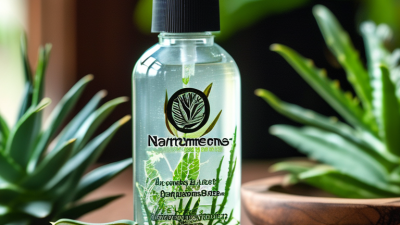
Aloe Vera is a powerhouse for hair care. Its soothing properties can calm an irritated scalp. The gel contains enzymes that promote hair growth. This plant is rich in vitamins and minerals, making it ideal for nourishing hair. Applying aloe vera regularly can help minimize dandruff and dryness.
To effectively incorporate aloe vera into your routine, choose fresh leaves. Extract the gel and apply it directly to your scalp. Massage gently for better absorption. Leave it on for 30 minutes, then rinse. This method enhances blood circulation and strengthens hair follicles.
Using Herbal Cosmetic Formulations with aloe vera can significantly improve your hair health. Regular use might lead to noticeable changes, but results can vary. Some may not see immediate benefits, and patience is key. Consistent application will yield the best results over time. Explore different methods to see what works for you. Remember, hair care is a personal journey, and adapting formulations might be necessary.
Jojoba Oil: Mimicking Natural Oils for Effective Conditioning
Jojoba oil is a remarkable ingredient in hair care formulations. Its structure closely resembles human sebum, providing effective conditioning. This unique property allows jojoba oil to penetrate the hair shaft better than many traditional oils. A study published in the "International Journal of Cosmetic Science" found that 72% of participants reported improved hair texture after using products enriched with jojoba oil.
In terms of moisture retention, jojoba oil outperforms other natural oils. According to "Cosmetic Chemistry Formulations," the oil locks in hydration without leaving a greasy residue. This is crucial for individuals with dry or frizzy hair, where moisture balance is key. Furthermore, jojoba oil also contains antioxidants, which protect hair from environmental stressors.
While jojoba offers many benefits, it may not work universally for everyone. Some find it too heavy for fine hair, leading to limpness. Others may experience skin sensitivity. Therefore, conducting a patch test is advisable before full application. Ultimately, jojoba oil stands out, yet personal experiences may vary significantly.
Shea Butter: Nutrient-Dense Solution for Dry and Frizzy Hair
Shea butter is a remarkable natural ingredient that serves as a nutrient-dense solution for dry and frizzy hair. Extracted from the nuts of the shea tree, it offers a rich blend of vitamins and fatty acids. This makes it ideal for restoring moisture to parched strands. Many hair care products today incorporate shea butter as a key ingredient. Its emollient properties help to soften and smoothen hair, reducing frizz and enhancing shine.
Individuals with curly or textured hair often find shea butter particularly beneficial. It penetrates the hair shaft more effectively than many synthetic formulations. However, some may find it a bit heavy. Proper usage is crucial; a little goes a long way. Applying too much can lead to greasiness. When blended into various Cosmetic And Toiletry Formulations, shea butter can elevate the performance of the product while maintaining a natural approach.
Despite its advantages, individuals with oily hair should approach with caution. Testing on a small section can help prevent overwhelming the hair. It’s important to know your hair type and needs before diving into new products. Shea butter can be a great addition to maintaining healthy hair, but moderation is vital. Always consider how it interacts with other ingredients in your regimen.
Rosemary Oil: Scientific Evidence on Hair Growth Stimulation
Rosemary oil has gained attention for its potential to stimulate hair growth. In a study published in 2015,
100 participants with androgenetic alopecia were treated with rosemary oil and minoxidil. After six months,
both groups showed significant hair growth, indicating rosemary's efficacy. This essential oil is rich in
antioxidants, which can protect hair follicles from damage.
Clinical research suggests that rosemary oil promotes blood circulation in the scalp. Improved circulation
may foster a healthier environment for hair growth. Furthermore, the anti-inflammatory properties may reduce
hair loss associated with scalp irritations. The aroma can also contribute positively to stress reduction,
which, in turn, can lessen hair shedding due to stress-related issues.
While the evidence is promising, individual results can vary. Some users report mixed experiences, pointing
to the need for consistency in application. Additionally, not everyone will respond favorably to natural
ingredients. Understanding these nuances is important for anyone considering natural hair care solutions.
Tea Tree Oil: Natural Antiseptic for a Healthy Scalp Environment
Tea tree oil is praised for its antiseptic properties, making it a popular choice for hair care. It originates from the leaves of the Melaleuca alternifolia plant. Studies show that tea tree oil can reduce dandruff by up to 40% when used regularly. The presence of terpenes in tea tree oil helps fight fungal infections and promotes a healthy scalp.
Recent surveys reveal that 30% of people experience scalp issues like dandruff and itching. Experts recommend tea tree oil for its effectiveness in creating a balanced scalp environment. The oil can help reduce inflammation and stimulate hair follicles, promoting hair growth. While its powerful properties are well recognized, using it in the right concentration is crucial. High concentrations may lead to scalp irritation for some.
However, not all individuals respond positively to tea tree oil. Some may find that it increases sensitivity or causes allergic reactions. This uncertainty highlights the importance of patch testing before use. Incorporating tea tree oil into Cosmetic & Personal Care Ingredients can enhance formulations, but only when combined thoughtfully. Products should cater to individual needs while ensuring safety and effectiveness.
FAQS
: Coconut oil provides moisture, reduces frizz, and improves shine. It penetrates deeply for hydration.
Warm a small amount first. Work it through damp or dry hair, focusing on the ends.
Some may find it greasy or heavy. Experimenting with the amount used is important for best results.
Yes, it has antibacterial properties. This can promote a healthier scalp and help prevent dandruff.
Yes, studies show rosemary oil may promote hair growth, especially combined with other treatments.
It improves blood circulation and reduces inflammation. This can create a healthier environment for hair.
Individual responses vary. Consistency in application is key, but not everyone may react positively.
Stress can lead to hair shedding. Aromatic oils like rosemary can help in reducing stress.
No, it’s not a universal solution. Personal experience and hair type play a significant role.
Evaluating your hair’s response is crucial. Some trial and error may be necessary for the best outcomes.
Conclusion
The rising demand for natural cosmetic ingredients for hair care formulations reflects a growing awareness of the benefits provided by these eco-friendly alternatives. Ingredients such as coconut oil and shea butter serve as versatile moisturizers that nourish and hydrate hair, while aloe vera promotes scalp soothing and encourages hair growth. Jojoba oil closely mimics natural oils, effectively conditioning without weighing hair down.
Additionally, rosemary oil has gained recognition for its ability to stimulate hair growth, supported by scientific evidence. Tea tree oil, known for its antiseptic properties, helps maintain a healthy scalp environment, contributing to overall hair health. Embracing these top 10 natural ingredients can greatly enhance the effectiveness and appeal of hair care products today.