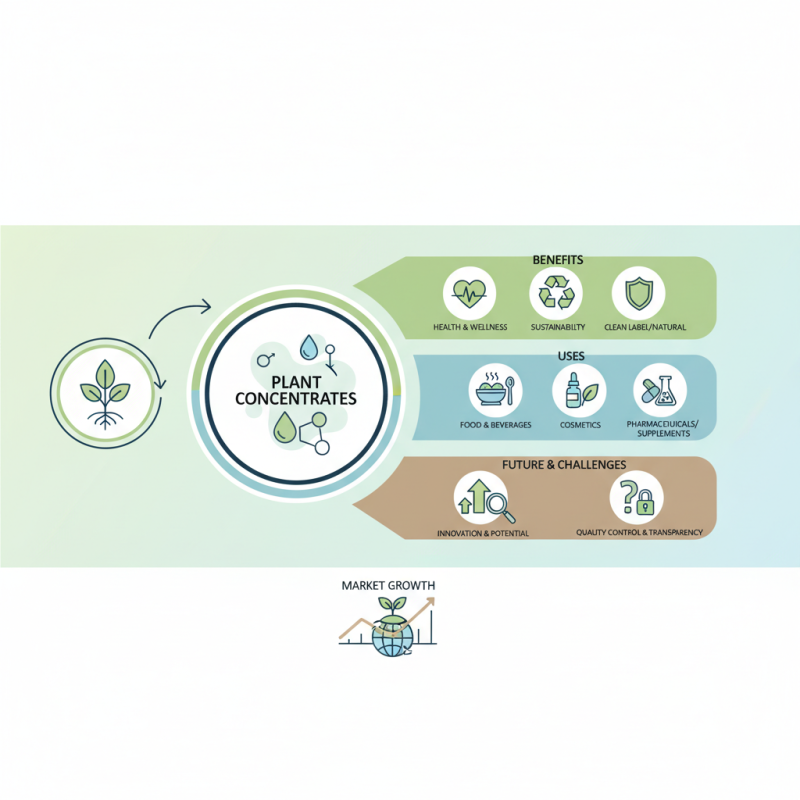
You know, as more people get into the idea of sustainable living, the market for Plant Concentrate is really starting to grow. I recently came across a report by MarketsandMarkets that says the global plant extract market could hit around USD 63.9 billion by 2025—pretty impressive, right? This trend just shows how much more industries—like food, cosmetics, and pharma—are turning to plant-based ingredients these days.
What makes Plant Concentrate so appealing? Well, it offers a bunch of benefits that match what consumers are looking for now—natural, clean-label products that are good for their health and gentle on the planet. Lots of brands, like Herbalife Nutrition and Ginkgo BioWorks, are really getting creative with it. Plus, its versatility means it can be used in dietary supplements and functional foods, giving a boost of concentrated phytonutrients to nutrition profiles.
That said, it’s not all smooth sailing. There are definitely some hurdles like maintaining quality and making sure sourcing practices are up to standard—because, let’s be honest, that can affect how effective and safe the products are. Transparency is also super important if we want consumers to really trust what’s in their products. So, while the industry definitely has a bright future, it’s crucial to keep things in check and keep trying to improve, especially as consumers’ expectations keep evolving. All in all, it’s an exciting space to watch, but staying on top of the challenges is key to making it work for everyone.
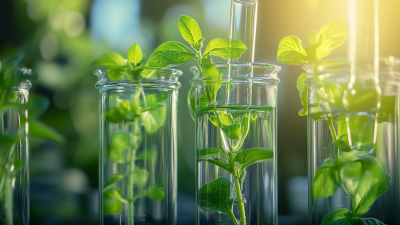
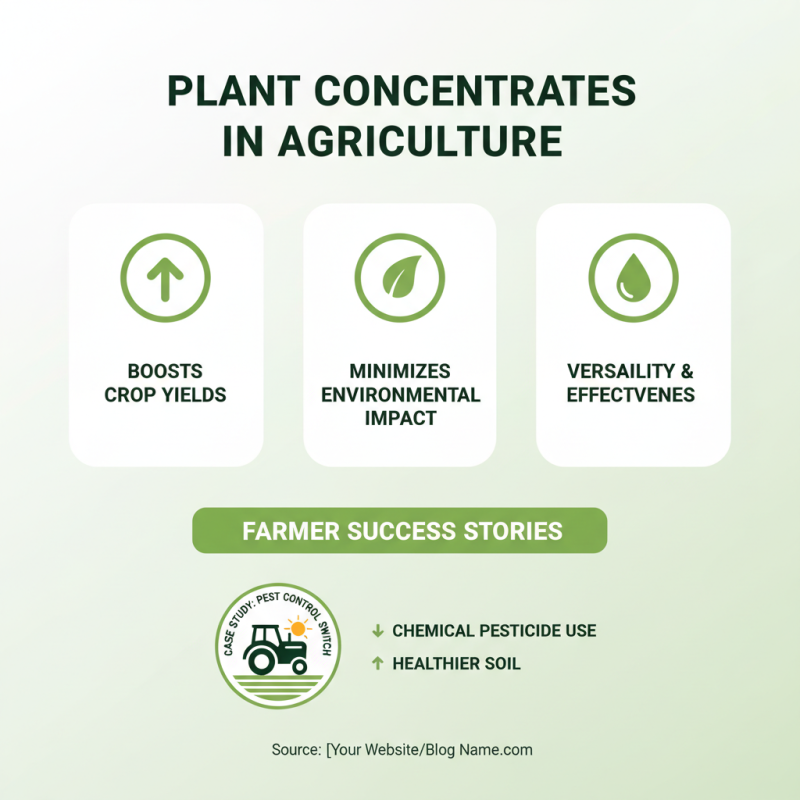
Plant concentrates have gained traction in agriculture and horticulture. They offer many benefits for plant growth and soil health. These concentrates are derived from various plant sources, providing essential nutrients in a concentrated form. The application of these products can lead to improved crop yields and enhanced quality of produce.
For instance, using plant concentrates can improve nutrient absorption. Plants can access nutrients more efficiently when presented in concentrated forms. This leads to healthier plants. In addition, these concentrates support soil microbiome activity, promoting a balanced ecosystem. However, the effectiveness can vary depending on environmental factors. Some may find the results inconsistent.
Moreover, integrating Wpc 80 Whey Protein Concentrate into fertilization strategies offers unique benefits. It can supplement the soil with additional nitrogen and amino acids. This integration may boost plant resilience against stressors. But farmers should be wary of over-reliance on any single product. Every solution has its limitations. Continuous evaluation and adaptation to plant needs are crucial for optimal results.
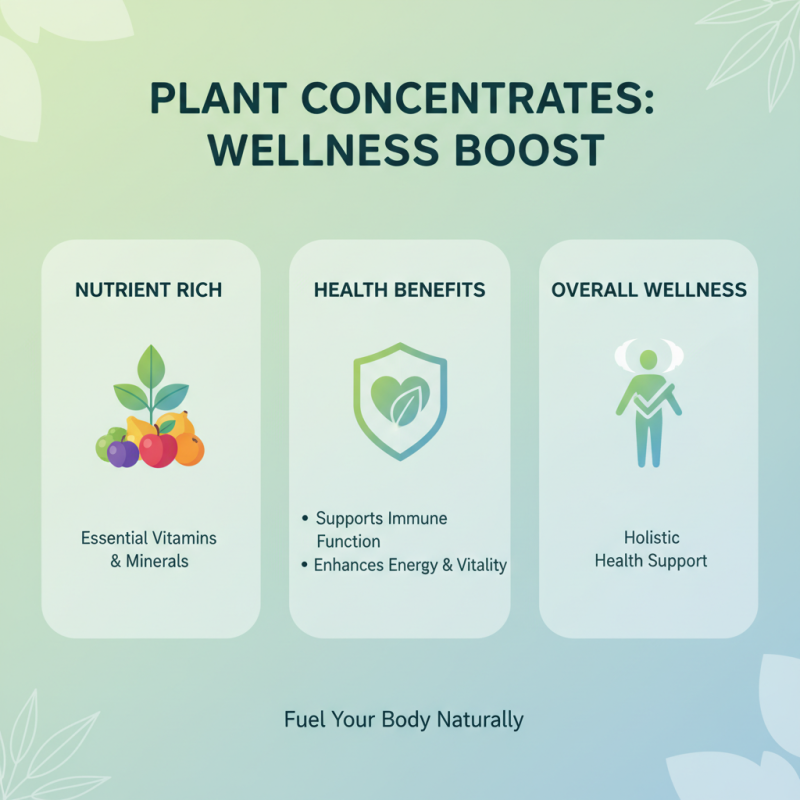
Plant concentrates offer numerous nutritional benefits that can enhance our diets. These concentrates, derived from various plants, are rich in essential vitamins and minerals. For instance, some concentrates are high in protein, providing a valuable source of energy. Hydrolysed Whey Protein Concentrate is an excellent example of a protein-rich plant focus that aids muscle recovery.
Incorporating plant concentrates into your meals can be simple and enjoyable. Add a spoonful of your favorite concentrate to smoothies or oatmeal for an easy nutrition boost. Tips: When trying new concentrates, start with small amounts. This can help you identify how your body reacts. Some people may find certain concentrates hard to digest, so keep track of how you feel.
Additionally, many plant concentrates are packed with antioxidants. These antioxidants help combat oxidative stress in our bodies. Remember, while adding concentrates, a balanced diet is key. Don’t rely solely on these supplements for nutrition. It’s essential to consider variety in your food choices to meet your health needs.
Plant concentrates have gained attention for their nutritional benefits. They are rich in essential vitamins and minerals. These nutrients play a vital role in maintaining health. Dietary supplements using plant concentrates can support immune function. They may enhance energy levels and improve overall wellness.
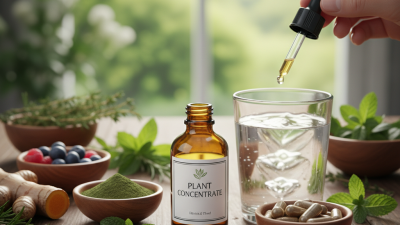
Many people seek natural options to boost their diet. Plant concentrates offer a solution without synthetic additives. For example, they can be found in powders, capsules, or liquids. Users can mix them into smoothies or other foods. However, some may experience digestive issues or allergic reactions. It’s crucial to monitor one’s body responses.
Protein Concentrate Isolate Hydrolysate is another fascinating option. This form of protein can help build muscle. It is popular among athletes and fitness enthusiasts. Incorporating plant-based protein sources allows for diverse dietary choices. Careful selection is key to achieving desired health outcomes. There’s more to explore, but understanding your body's needs is essential.
The environmental impact of using plant concentrates is significant. These concentrates can boost plant growth while reducing the need for synthetic fertilizers. They improve soil health and biodiversity, creating a more sustainable ecosystem. However, the overreliance on any single resource can lead to imbalances. It’s essential to diversify and avoid monoculture practices.
A common misconception is that Plant Extracts are harmless. While they often have lower toxicity, their production can still harm the environment. Some may contribute to habitat destruction if sourced unsustainably. Always consider the source. Support practices that emphasize sustainable harvesting.
Tips for using plant extracts responsibly: Choose certified organic products. Look for those with minimal processing to retain the benefits. Practice crop rotation with various concentrates. This helps maintain soil health and reduces pests sustainably. Implementing these strategies can create a more balanced environment while reaping the benefits of plant concentrates.
Extracting plant concentrates involves specific formulations that enhance their natural benefits. Advanced extraction methods, such as solvent extraction and cold pressing, are popular. These techniques help retain the bioactive compounds found in plants. Industry reports indicate that cold pressing is preferred for extracting oils from seeds. This method preserves aroma and flavor, contributing to a higher quality product.
The process of supercritical fluid extraction is also gaining traction. It uses carbon dioxide to extract compounds without harmful residues. This method is efficient and often yields a higher concentration of active ingredients. According to recent data, this technique can result in up to 90% extraction efficiency, making it a game-changer in the industry.
Tips: Always consider quality over quantity. High-quality concentrates often yield better results. Additionally, stay informed about new extraction innovations. Regularly evaluate your methods to ensure they align with industry standards. Remember, the right extraction technique can significantly impact the potential benefits of plant concentrates.
As we move towards 2026, the landscape of plant concentrates is rapidly evolving. Numerous research initiatives are exploring innovative ways to enhance the nutritional profiles of these products. Scientists are working to increase the bioavailability of essential nutrients. This could lead to improved health outcomes for consumers seeking natural alternatives.
Moreover, sustainability continues to be a significant driving force in the development of plant concentrates. Many producers are rethinking their methods to prioritize eco-friendly practices. This includes sourcing raw materials responsibly and reducing waste at every production stage. However, these changes often require large investments and technological advancements.
Consumer preferences are shifting towards plant-based options. This trend is fueling the demand for diverse plant concentrates. Yet, quality control remains a concern. Not all products deliver on their promises. Striking a balance between innovation and integrity is essential. As new plant concentrate formulations emerge, the industry must address these challenges head-on for progress to be meaningful.
Plant concentrates are gaining traction for their versatility and effectiveness. In agriculture, they help boost crop yields while minimizing environmental impact. Many farmers are reporting positive results after integrating these concentrates into their farming practices. One case study highlights a mid-sized farm that switched to plant concentrates for pest control. The outcome was remarkable — a significant reduction in chemical pesticide use and healthier soil.
In another case, a community garden adopted plant concentrates to enhance plant growth. The results were impressive. The garden flourished with vibrant, strong plants. Volunteers noted the ease of application and the visible improvement in plant health. This success inspired other local gardens to explore similar methods. However, not every attempt has been flawless. Some struggled with application timing or dosage, leading to mixed results.
Tips: Always start small. Experiment with a limited area first. This way, you can monitor effects without risking your entire crop. Pay attention to plant reactions, and adjust your methods as needed. Learning from failures can be just as valuable as celebrating success.
: Analyze your resources and skills. Understand the time commitment required.
Set small, achievable goals. Celebrate each success, no matter how small.
Use a planner to organize tasks. Prioritize urgent tasks daily.
Reflect on what went wrong. Learn from mistakes to improve in the future.
Set boundaries for work hours. Schedule family time to recharge.
Take breaks to clear your mind. Talk to others for support.
If you're feeling stuck, reach out. Collaboration can bring new insights.
Dedicate time for reading or online courses. Stay curious about your field.
Reflect on the reasons. Adjust your approach and try again.
Gather relevant information before making choices. Trust your instincts but verify facts.
The article titled "2026 Top Plant Concentrate Benefits and Uses Explained" delves into the multifaceted advantages of plant concentrates across various sectors, particularly in agriculture and horticulture. It highlights the nutritional benefits derived from different plant concentrates, emphasizing their role in enhancing dietary supplements. Moreover, the article addresses the environmental impact of utilizing plant concentrates, suggesting that they may offer more sustainable alternatives compared to traditional methods.
In addition to outlining methods of extraction and formulation, the article anticipates future trends in the development of plant concentrates, indicating a growing interest in their diverse applications. Through case studies of successful implementations, it illustrates the practical benefits and effectiveness of plant concentrates, showcasing their potential to contribute to better health outcomes and sustainable practices. Overall, plant concentrates stand out as a significant innovation with promising implications for various industries.