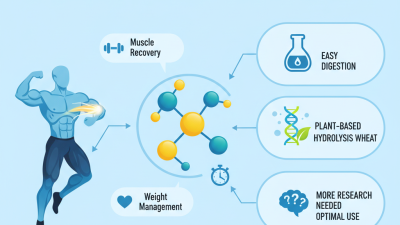
Hey, in the world of health and fitness, protein peptides have really started to make a splash as a pretty powerful supplement. These tiny chains of amino acids actually pack a punch—they help with muscle recovery and just overall feeling good. A lot of folks into fitness are now starting to see how incorporating protein peptides into their diets can really make a difference.
For example, have you heard about Hydrolysis Wheat Protein Peptide? It’s pretty impressive. Many athletes and gym lovers use it to help their muscles grow faster and repair better. Honestly, it’s become a go-to for boosting performance. But here’s the thing— not everyone really knows how to get the most out of it. That’s where awareness comes in, and honestly, a bit of a personalized plan can do wonders for reaching those goals.
Even though protein peptides are gaining popularity, some people kinda forget about the bigger picture—like their everyday diet. Just taking supplements alone isn’t enough; it can lead to imbalances if you’re not careful. So, it’s really about looking at your overall nutrition and creating a balanced, holistic approach toward your health, not just piling on the protein. Because at the end of the day, it’s all about making smarter, more mindful choices for how you fuel your body.

The Role of Protein Peptides in Muscle Recovery and Growth
Protein peptides play a crucial role in muscle recovery and growth. They are short chains of amino acids that help rebuild muscle tissue after intense workouts. Research shows that protein peptides can enhance muscle protein synthesis, which is vital for recovery. A study published in the Journal of Sports Nutrition found that supplementation with peptides can increase muscle mass by up to 20% in resistance-trained individuals.
The benefits of
Rice Protein Peptide are notable in this context. It is easily digestible and has a balanced amino acid profile. Studies indicate that athletes who consume Rice Protein Peptide experience reduced muscle soreness and quicker recovery times. This is particularly important for those engaging in high-frequency training sessions. Moreover, incorporating protein peptides may also help improve overall performance, as they can provide an essential boost during workouts.
However, not all protein peptide supplements are created equal. The quality and source of the peptides matter significantly. Some products may lack the desired amino acids or contain fillers. This can lead to suboptimal results. Understanding the source and purity of protein peptides, including Rice Protein Peptide, is essential for anyone serious about fitness and health. The journey toward effective supplementation requires careful consideration and sometimes, trial and error.
Enhancing Immune Function through Specific Protein Peptides
Specific protein peptides can significantly enhance immune function. Pea Protein Peptide is one example known for its health benefits. These peptides are small chains of amino acids. They play a crucial role in various biological processes. When consumed, they can boost the body’s natural defenses.
Research shows that peptide fragments can stimulate immune cells. They can enhance the activity of lymphocytes and macrophages. This leads to improved immune response. Pea protein peptide, in particular, is a great plant-based source. It supports overall wellness and can help fend off common illnesses. However, not everyone reacts the same way. Some might not experience noticeable changes.
The potential is there, but results can vary. For some, integrating pea protein peptide into the diet may show benefits. For others, the effects might be minimal. It’s essential to listen to your body. Tracking changes can provide better insights into how these peptides work for you. Every individual has unique dietary needs and reactions. Adjustments might be necessary to see real improvements in immune function.
Protein Peptides and Their Impact on Weight Management Strategies
Protein peptides play a significant role in weight management strategies. They are smaller chains of amino acids that are easily absorbed by the body. This makes them effective for muscle recovery and growth. For those trying to lose weight, incorporating protein peptides can help shed pounds without feeling deprived. They promote satiety, keeping you full longer.
Oat Protein Peptide, in particular, has gained attention for its unique benefits. It is plant-based and low in calories. Many people appreciate this option as a healthier alternative to animal proteins. It also contributes to better digestion. Yet, some individuals may experience bloating after consumption. This highlights the importance of listening to your body.
Managing weight is not just about cutting calories. Nutrition quality matters more than often realized. Protein peptides, including oat protein peptide, can enhance your meals. They increase protein intake with fewer calories. However, experimenting with different sources is crucial. Some may find that not all protein peptides resonate well with their digestive systems. A thoughtful approach can yield better results in the long run.
Improving Cognitive Performance with Bioactive Protein Peptides
Cognitive performance is crucial in today’s fast-paced world. Bioactive protein peptides offer promising benefits for mental activity. Research suggests that these peptides can enhance cognitive functions like memory and attention. A study published in the “Journal of Nutritional Biochemistry” indicates that specific peptides improve brain-derived neurotrophic factor (BDNF) levels, supporting neuronal health.
Moreover, protein peptides can influence neurotransmitter pathways. For example, they boost serotonin production, which regulates mood. According to a 2022 report by the International Journal of Sports Nutrition, bioactive peptides may also reduce cognitive fatigue during mental tasks. This reduction leads to improved focus and productivity in demanding situations.
However, the precise mechanisms of these effects remain uncertain. While evidence points to cognitive benefits, researchers still seek clarity on optimal dosage and peptide combinations. It’s vital to approach these findings with a critical mindset. Many studies on protein peptides are preliminary, and more research is needed to confirm their efficacy. As we explore these intriguing compounds, we must also consider the individual variability in response to dietary changes.
Top 10 Protein Peptides Benefits for Health and Fitness
Protein peptides are small chains of amino acids that provide various health benefits, significantly contributing to muscle growth, weight loss, and cognitive performance, among others. The chart above illustrates how these different benefits rank on a scale of 1 to 10, showcasing their importance in health and fitness.
The Effect of Protein Peptides on Joint Health and Recovery
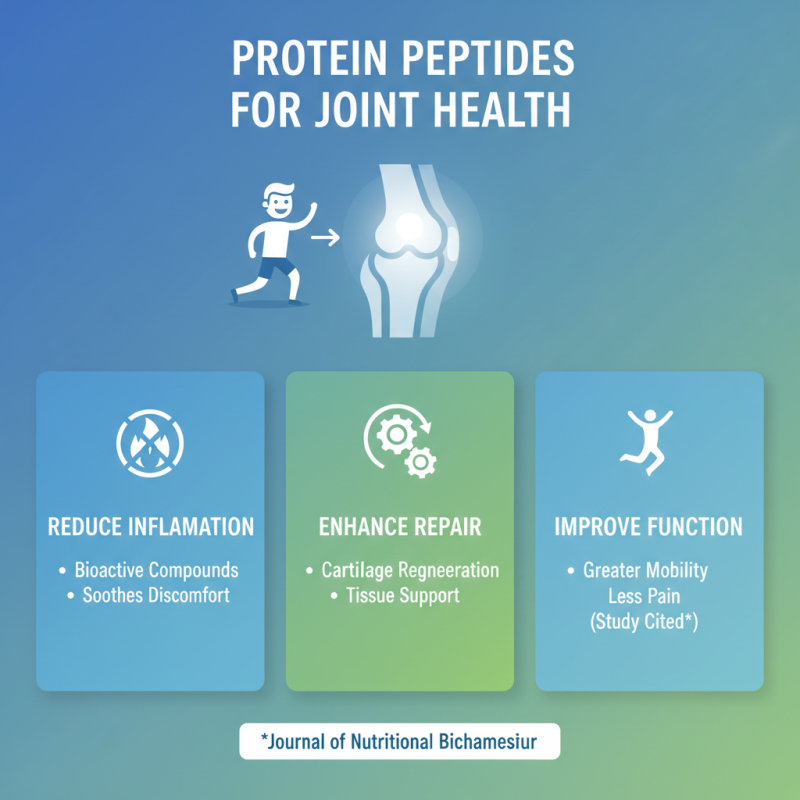
Protein peptides are gaining attention for their significant impact on joint health and recovery. Research shows that these bioactive compounds can help reduce inflammation, enhance cartilage repair, and improve overall joint function. In a study published in the Journal of Nutritional Biochemistry, participants who consumed collagen peptides experienced a noticeable decrease in joint pain during physical activities.
A recent analysis found that protein peptides stimulate the production of collagen in the body. This is crucial for maintaining healthy joints. Aging and physical strain can lead to the breakdown of cartilage. Protein peptides support repair and regeneration. In fact, one report indicated that participants saw up to a 40% improvement in joint comfort after supplementation for just three months.
**Tip:** Incorporate protein peptides into your daily routine. They can be found in various forms, like powders or functional foods. Research what best suits your lifestyle.
While protein peptides offer numerous benefits, it's vital to approach them mindfully. Individual responses can vary. Some may experience gastrointestinal discomfort. It’s essential to start with smaller doses to assess tolerance. Listen to your body, and adjust your intake accordingly.
Exploring the Antioxidant Properties of Protein Peptides
Protein peptides are gaining attention for their antioxidant properties. These small chains of amino acids can significantly reduce oxidative stress in the body. According to a report from the Journal of Nutritional Science, protein peptides derived from sources like whey or collagen exhibit powerful free radical scavenging activities. This ability helps in neutralizing harmful particles that cause cellular damage.
Research suggests that these peptides not only combat oxidative stress but also promote overall health. For example, a study published in the Journal of Agricultural and Food Chemistry found that specific peptides can enhance enzymatic activity in the body, further aiding in detoxification processes. This indicates a complex interaction, where the benefits of protein peptides extend beyond simple antioxidant effects.
However, while protein peptides show promise, their effectiveness can vary. Factors such as the source of the peptide, the method of extraction, and individual health conditions play a role. Not everyone may experience the same level of benefit. This variability invites further exploration into the specific mechanisms by which protein peptides exert their antioxidant effects, highlighting an area with room for more research and reflection.
Protein Peptides in Sports Nutrition: Fueling Athletic Performance
Protein peptides are becoming a key component in sports nutrition. They can enhance athletic performance and improve recovery times. Studies indicate that peptides like those derived from Peanut Protein Peptide can elevate muscle growth. This effect is vital for athletes aiming for peak performance. In particular, a review from the Journal of Nutritional Biochemistry highlights how these peptides aid protein synthesis.
Athletes often struggle with recovery after intense workouts. Insufficient recovery can lead to fatigue and decreased performance. Here, the role of protein peptides is crucial. They offer a quick source of amino acids, essential for muscle repair. A report from the International Society of Sports Nutrition notes that post-exercise peptide intake can significantly reduce muscle soreness.
Not all protein sources are created equal. Some athletes may overlook peanut protein peptide as a viable option. It provides essential amino acids while being easy to digest. However, reliance solely on one type of protein can limit nutrient diversity. Varying protein sources can optimize overall health and performance. Ultimately, understanding these nuances can help athletes make informed dietary choices.
Top 10 Protein Peptides Benefits for Health and Fitness
| Benefit |
Description |
Target Audience |
| Muscle Recovery |
Accelerates muscle repair post-exercise. |
Athletes, bodybuilders |
| Improved Performance |
Enhances strength and endurance. |
Competitive athletes |
| Weight Management |
Aids in reducing body fat while preserving muscle. |
Fitness enthusiasts, dieters |
| Immune Support |
Boosts the immune system for better recovery. |
All athletes |
| Hormonal Balance |
Supports the production of key hormones. |
Men and women in training |
| Enhanced Nutrient Absorption |
Promotes better absorption of nutrients during digestion. |
All fitness levels |
| Joint Health |
Reduces joint pain and improves mobility. |
Older adults, athletes |
| Cognitive Function |
Supports brain health and cognitive performance. |
Students, professionals |
| Overall Well-being |
Contributes to overall physical and mental health. |
General population |
Conclusion
Protein peptides play a crucial role in enhancing various aspects of health and fitness. They significantly contribute to muscle recovery and growth, making them a vital component in sports nutrition. Additionally, specific protein peptides have been shown to enhance immune function, helping the body fend off illnesses. Their influence extends to weight management strategies, where they can aid in appetite control and fat loss.
Moreover, protein peptides are linked to improved cognitive performance, showcasing their versatility beyond physical health. They also promote joint health and recovery, reducing discomfort and enhancing mobility. Furthermore, many protein peptides possess antioxidant properties, which help combat oxidative stress in the body. Overall, incorporating protein peptides into one's diet presents a multitude of benefits, fueling both athletic performance and overall well-being.